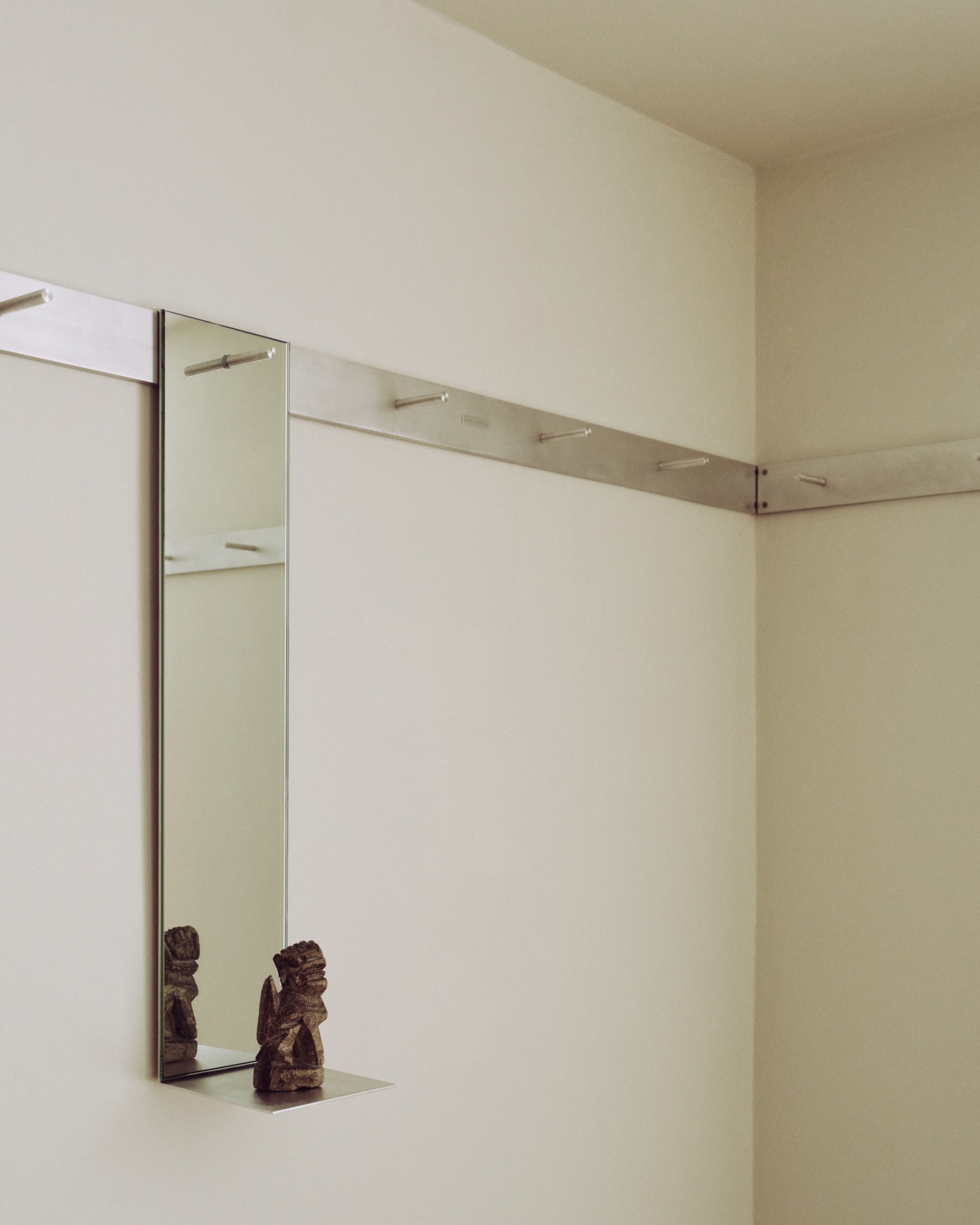
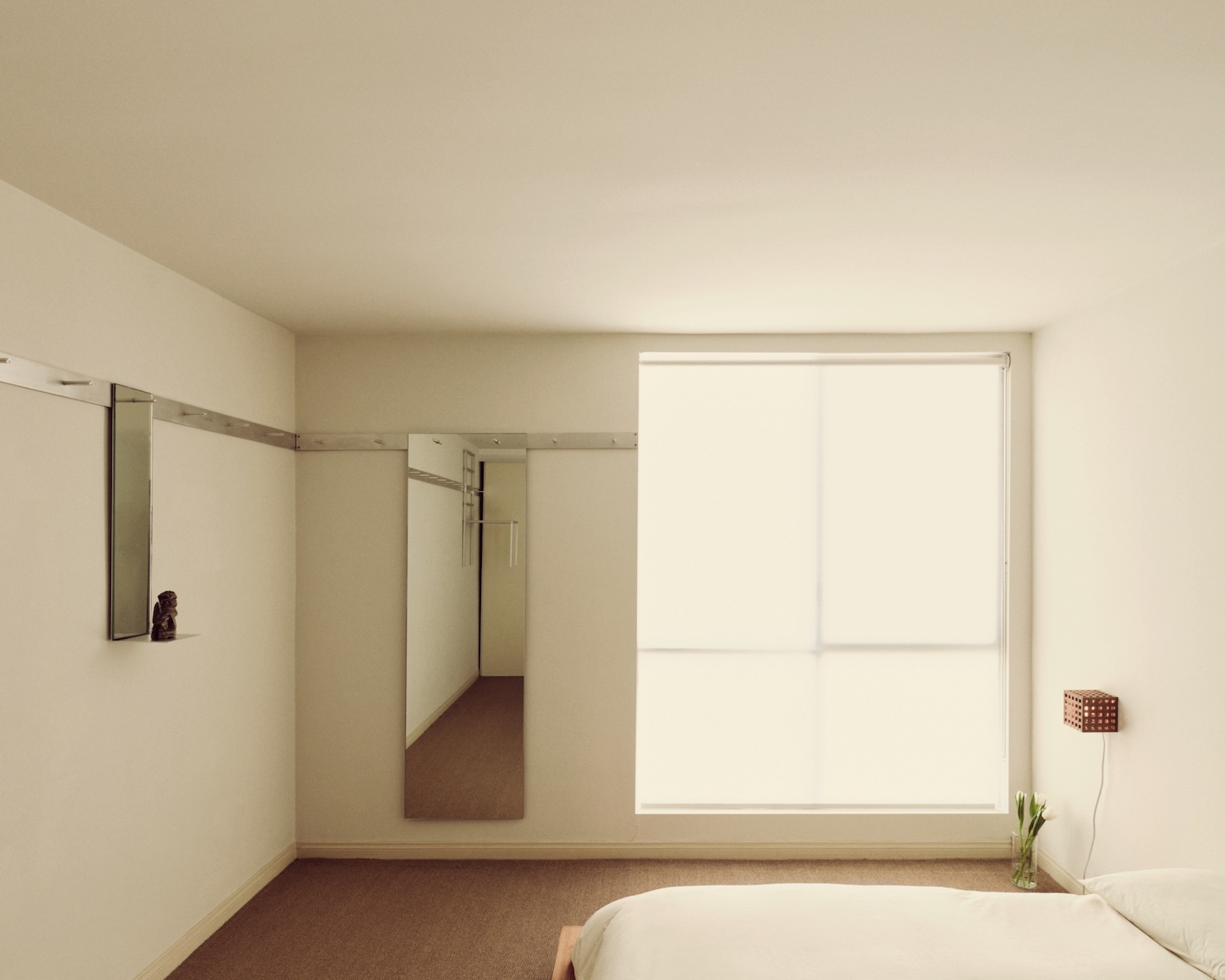
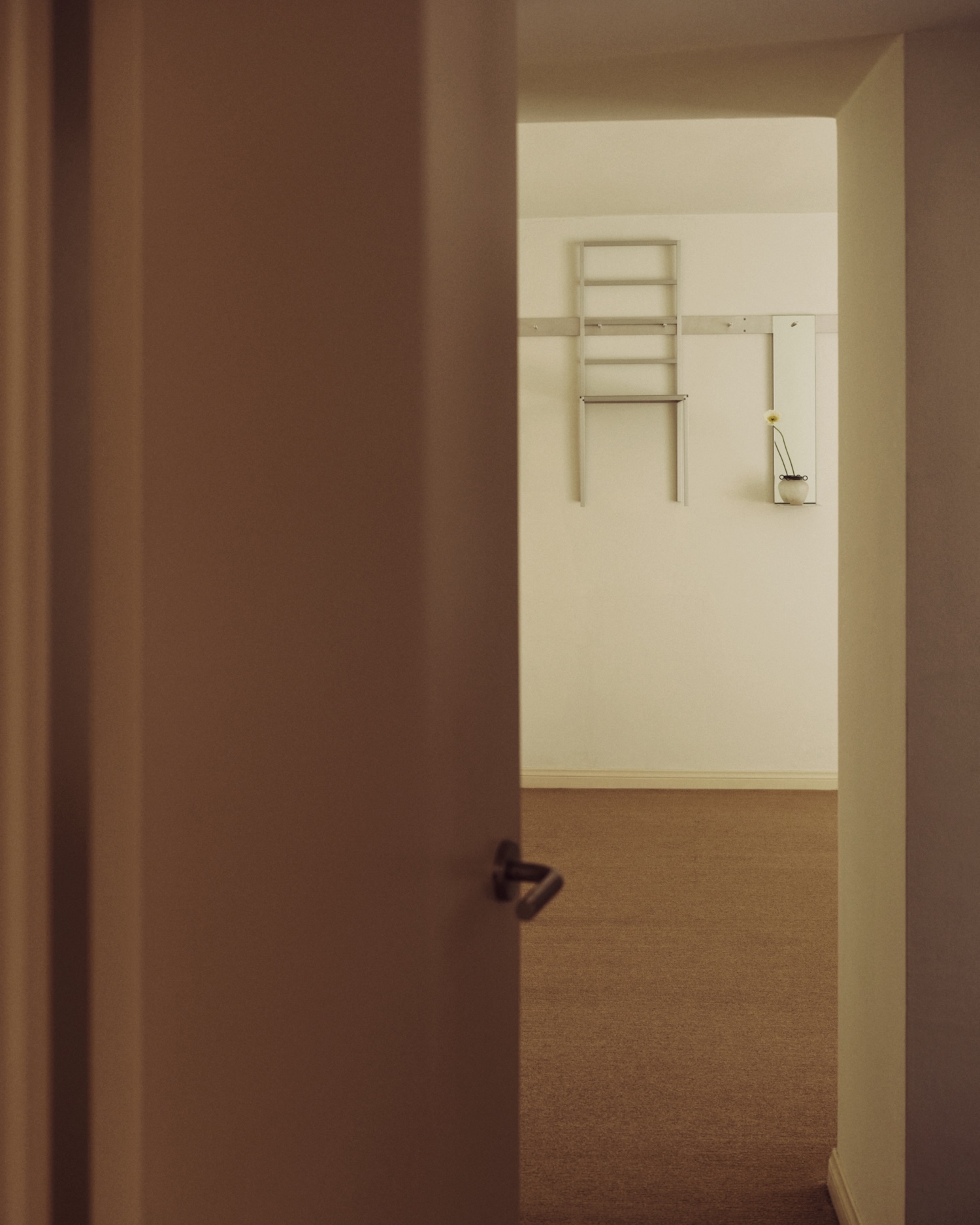
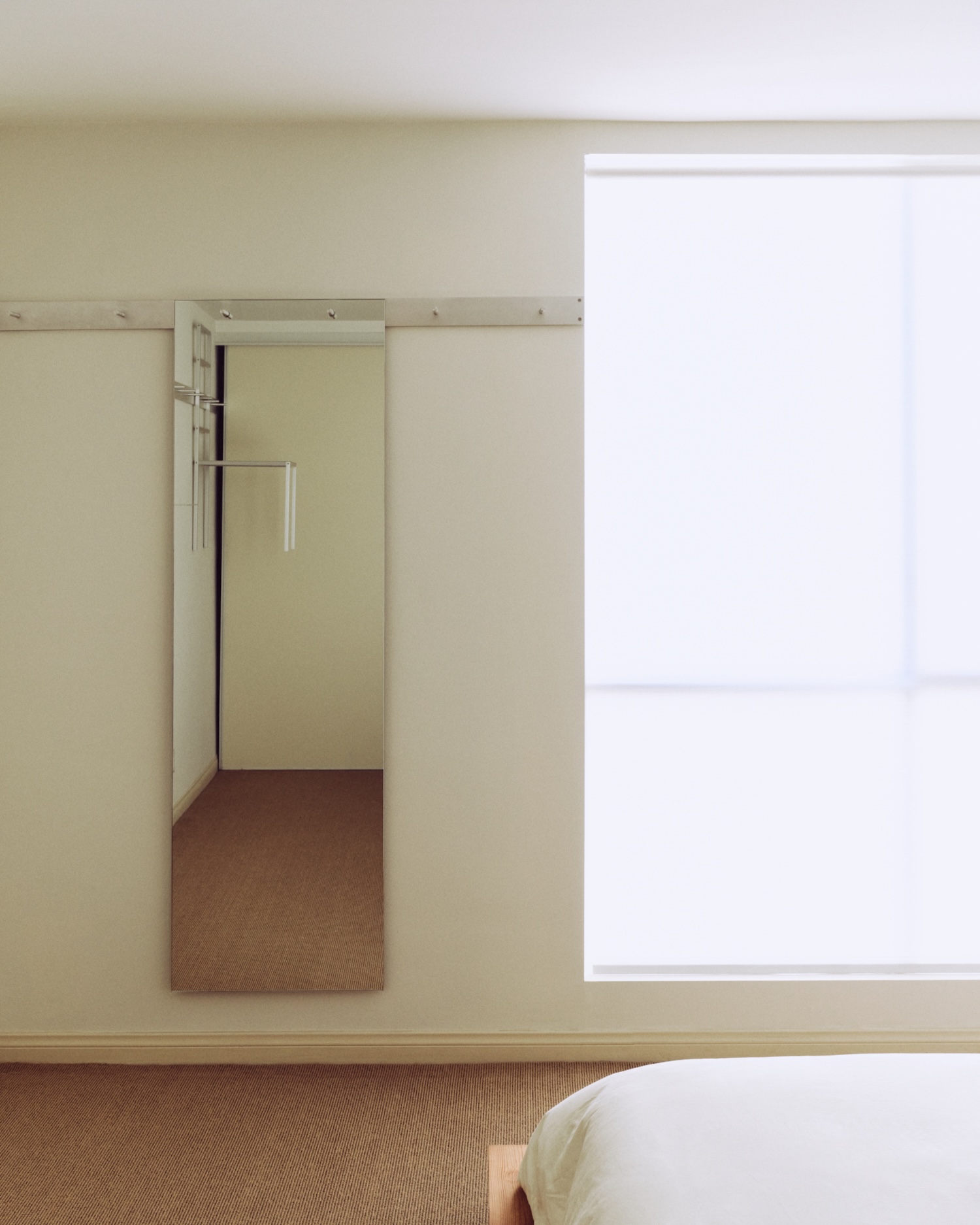
The Rail System is a minimalist modular system created by Los Angeles-based studio JOSHI / GREENE. The problem with most storage and display systems is that they solve one context well and adapt poorly to everything else. JOSHI / GREENE approaches this with a different premise: rather than designing discrete objects, founders Elora Joshi and Andrew J. Greene have developed a continuous infrastructure – a single anodized aluminum rail from which a family of interchangeable accessories hang, slide, and reconfigure. The result belongs to a lineage of systems thinking in design that stretches from the Usm Haller shelving units of the 1960s to more recent explorations in domestic modularity, but reads with a restraint calibrated to contemporary interiors.
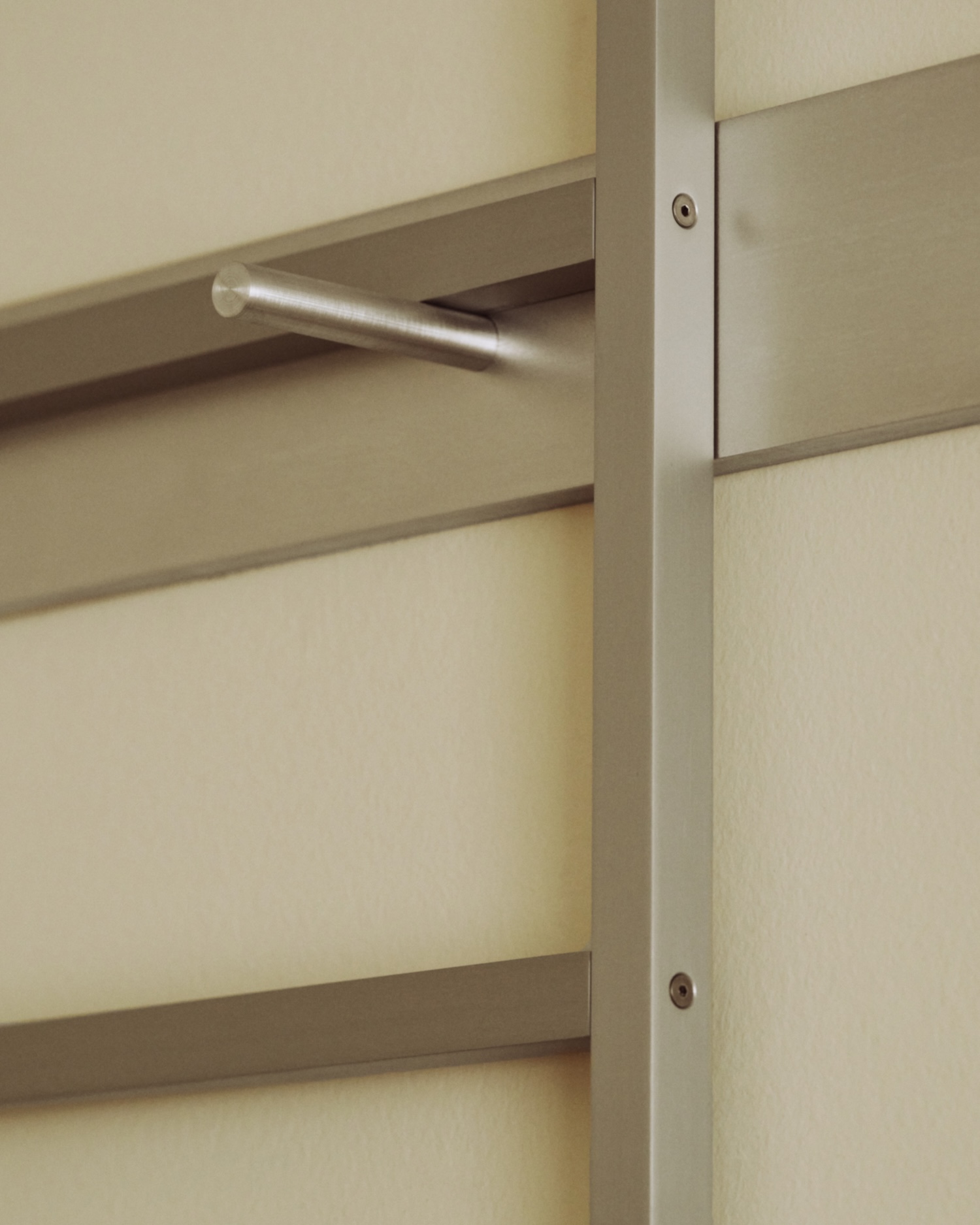
Anodized aluminum is a specific choice worth examining. The electrochemical process builds an oxide layer directly into the metal’s surface, producing a finish that resists corrosion and abrasion without the visual bulk of powder coating. It also takes color with unusual consistency, allowing the rail to read as a refined architectural element rather than an exposed utility track. This material fidelity runs through the logic of the whole system – nothing decorative, nothing provisional.
The made-to-measure dimension separates the Rail System from catalog products that ask users to adapt to fixed dimensions. Specifying to length means the rail can run the full width of a kitchen wall, span a retail display, or terminate precisely at a window frame, with no awkward offcuts or visual remainders. This precision is harder to achieve than it sounds, since it requires both manufacturing flexibility and a clear modular grammar for the accessories – each component needs to work at any position along an infinite rail, not just at designated intervals.