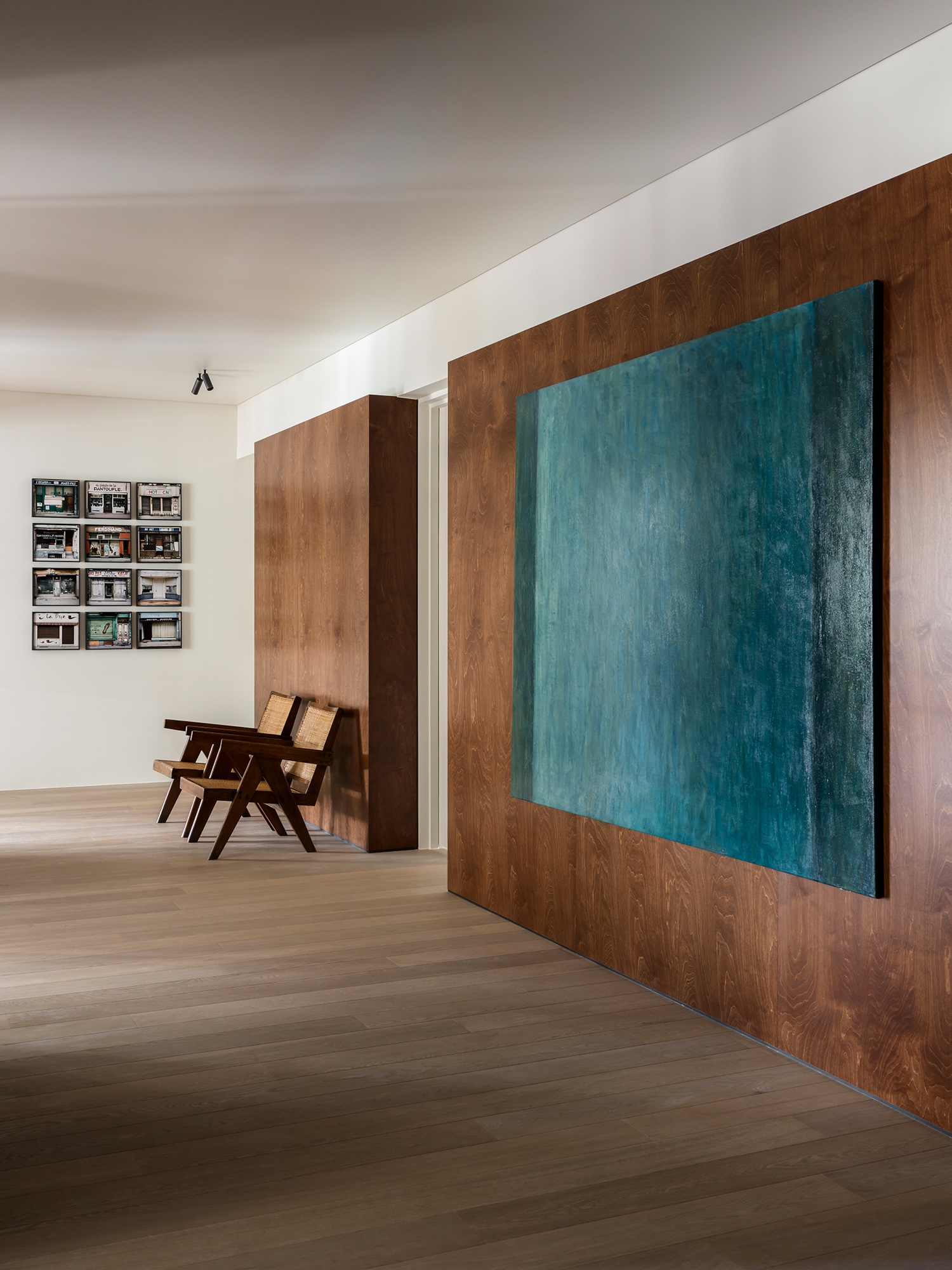
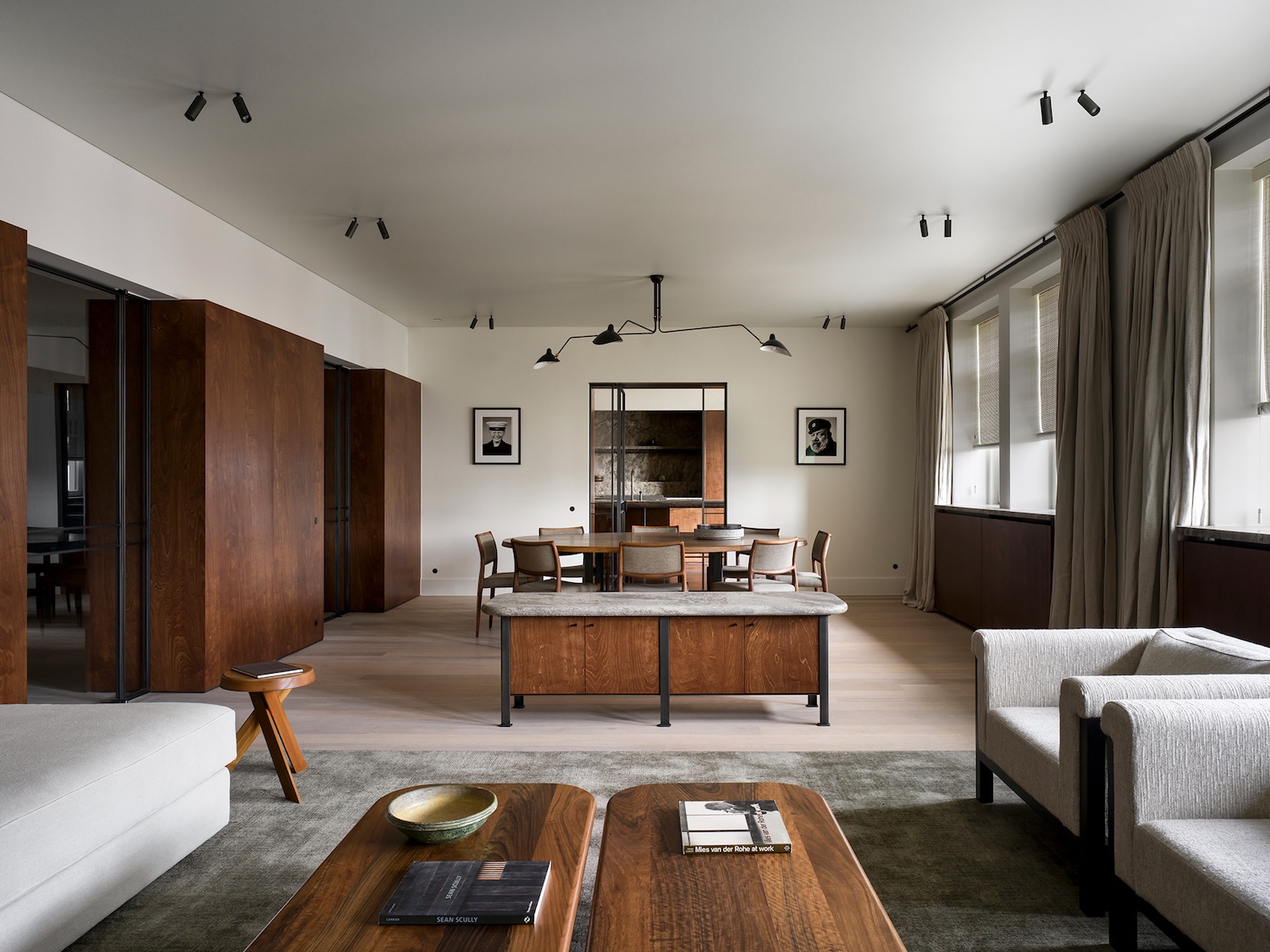
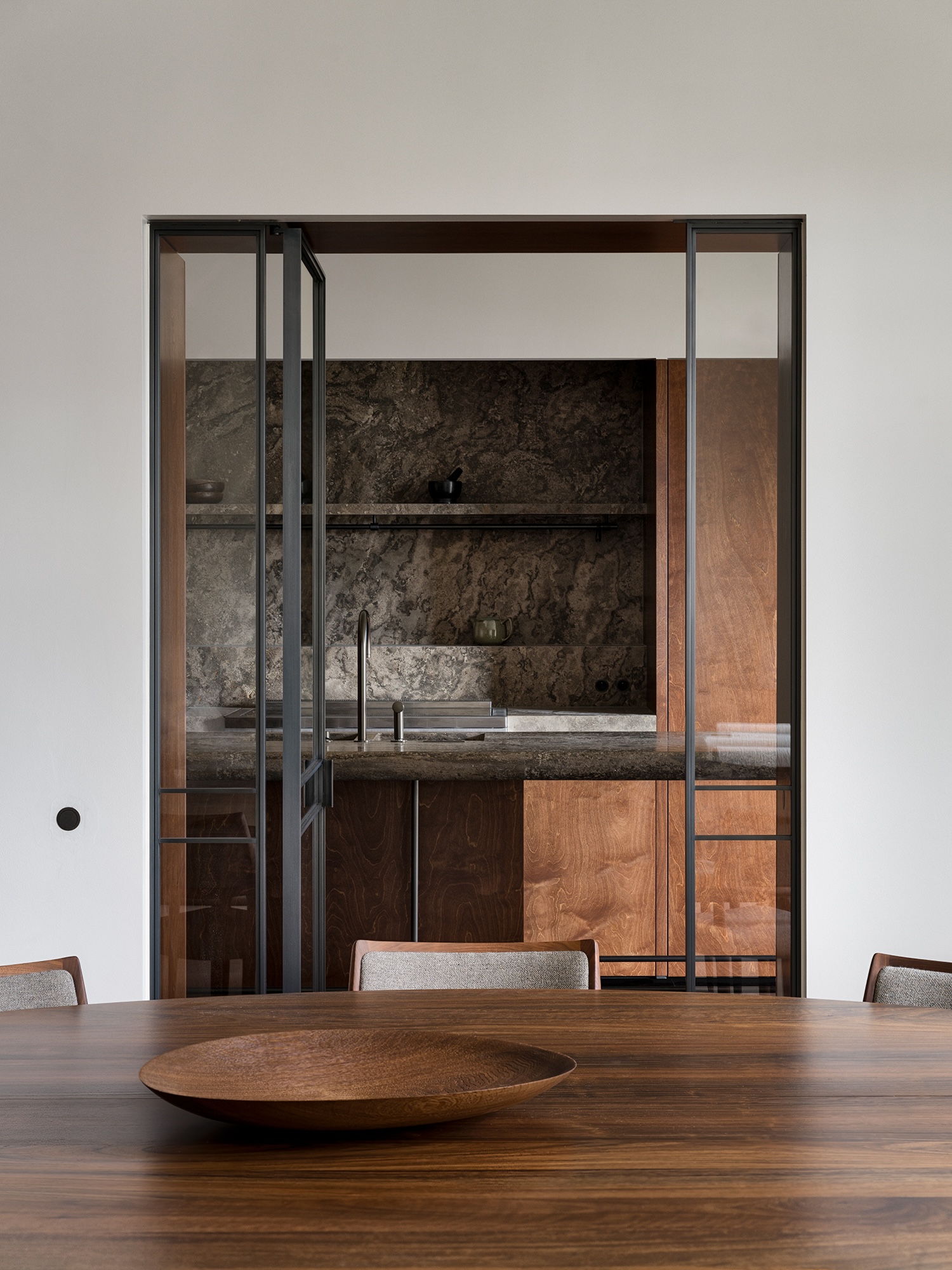
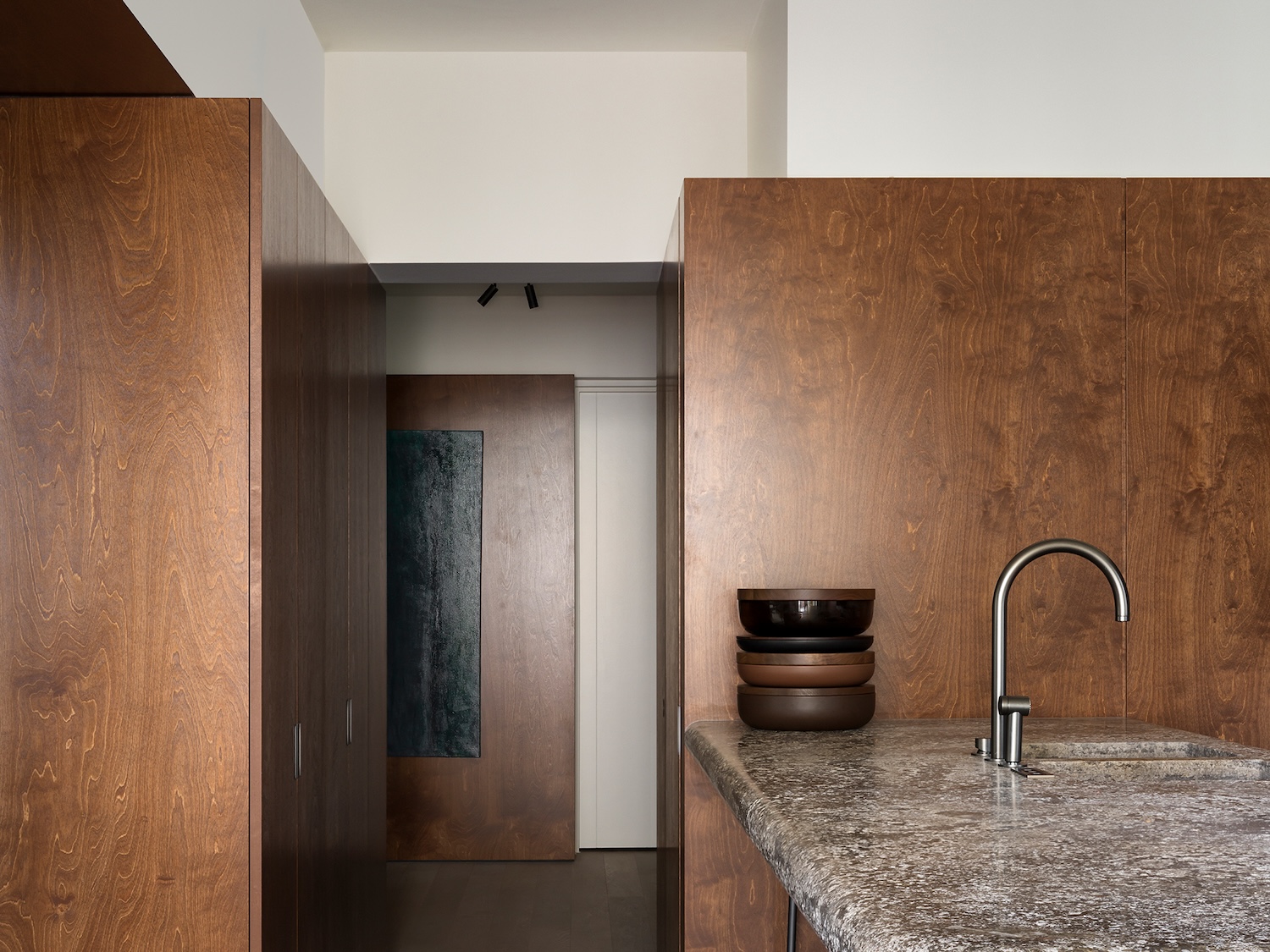
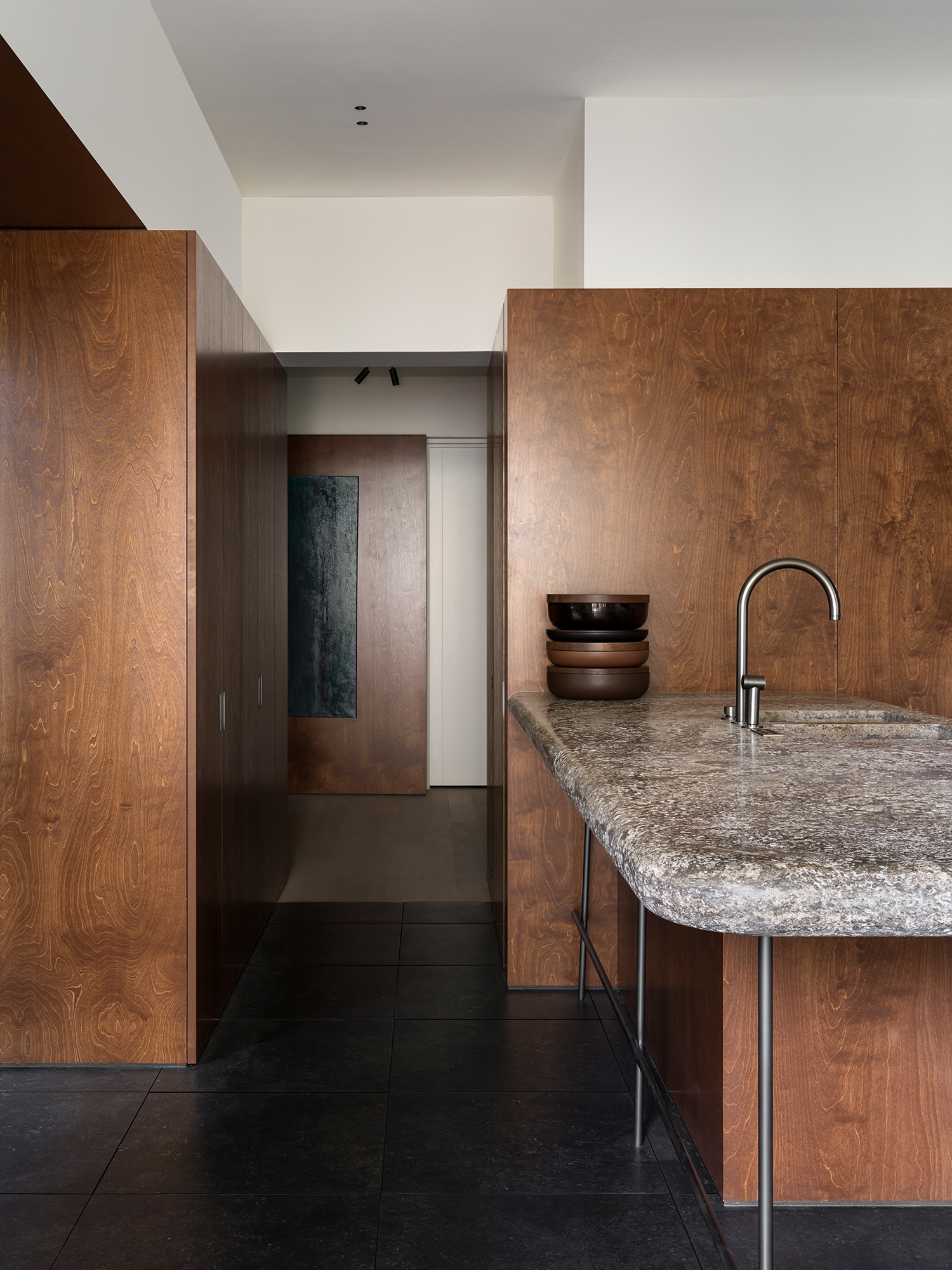
Pied-à-terre Brussels is a minimalist apartment located in Brussels, Belgium, designed by Decancq Vercruysse Architects. The transformation of institutional architecture into intimate living space presents distinct challenges – how to preserve the character of a building conceived for collective use while creating an environment suited to solitary work and occasional family visits. In a former Art Deco hospital, Decancq Vercruysse addressed this question by designing a compact pied-à-terre for an international lawyer, where the spatial program needed to accommodate both focused professional activity and the quieter rhythms of personal life within a constrained footprint.
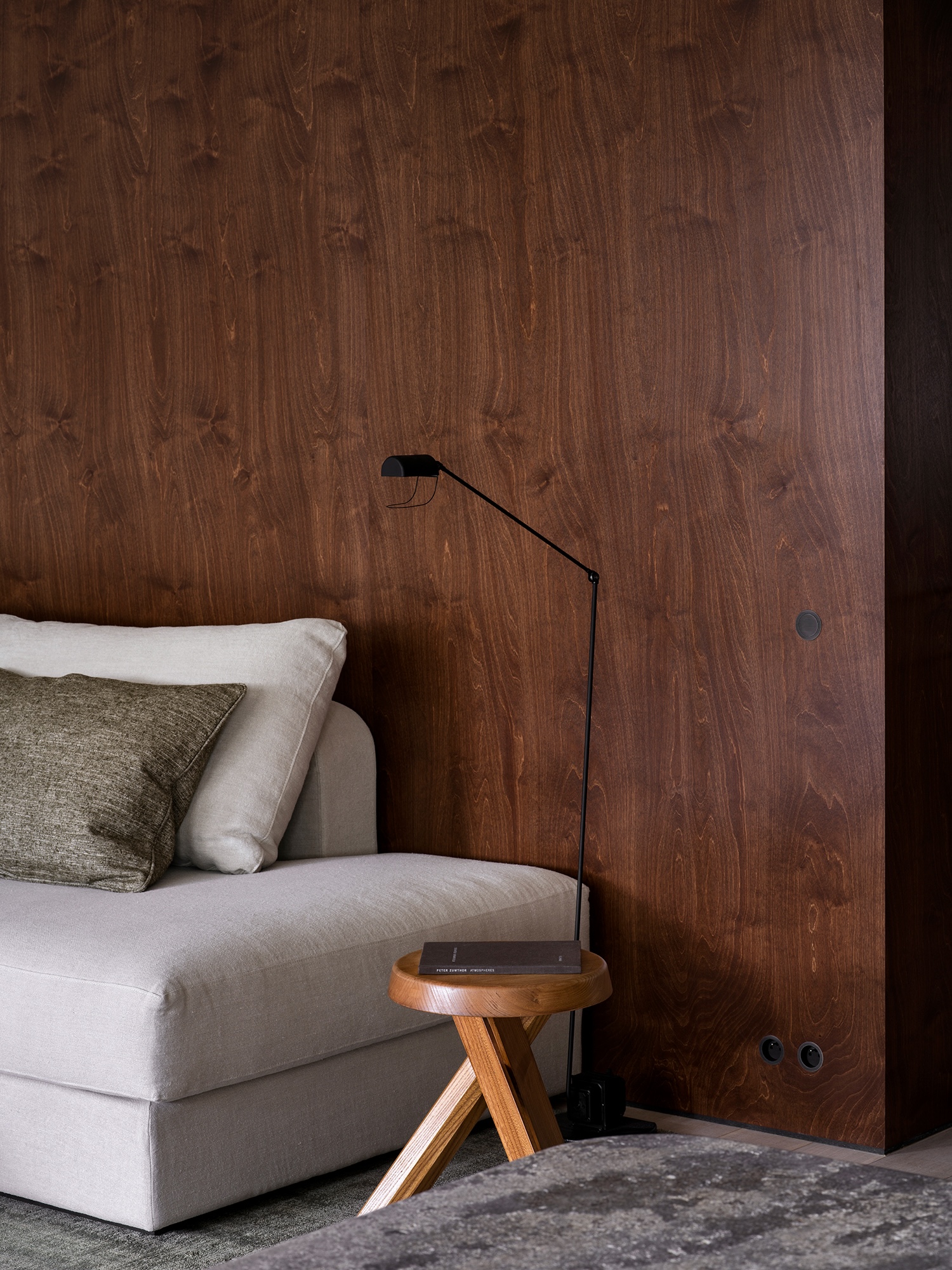
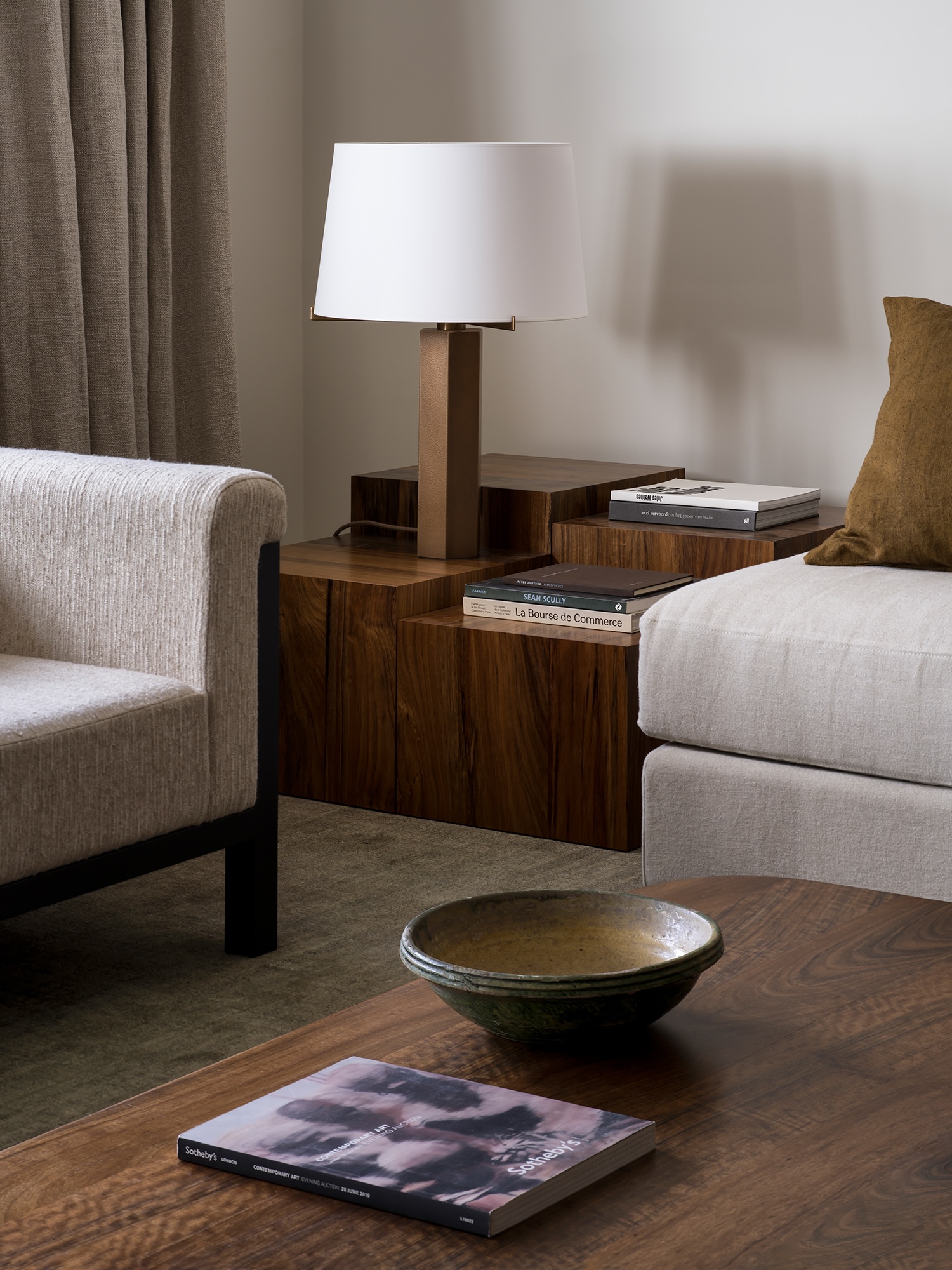
The approach centers on material restraint and historical continuity rather than dramatic intervention. Tinted birch panels line the walls, their warm grain providing visual texture without overwhelming the limited square footage. These surfaces work in concert with metal detailing that recalls the geometric precision characteristic of Art Deco design – crisp lines and understated ornamentation that reference the building’s origins without replicating period aesthetics. Polished brown stone appears in strategic locations, grounding the lighter wood tones and introducing a tactile weight that connects to the structure’s institutional past.
This material palette does more than acknowledge architectural heritage. The repetition of birch throughout establishes visual coherence, allowing the apartment to function as a unified environment despite its multiple programmatic demands. The stone and metal elements punctuate this continuity, creating moments of material contrast that define different zones without requiring physical separation. In a space where every square meter serves multiple purposes, these subtle shifts in surface and texture help distinguish areas for work from those intended for rest.
The furniture selection reinforces this balance between historical awareness and contemporary use. Custom metal pieces reference the structural economy of mid-century Belgian design, while lighting by Jules Wabbes and Serge Mouille introduces sculptural presence through functional objects. Wabbes, known for his refined metalwork and attention to proportion, brings a sensibility aligned with the apartment’s material restraint. Mouille’s lighting designs, with their articulated arms and matte black finishes, contribute both ambient illumination and visual punctuation – hanging fixtures that define spatial boundaries without enclosing them.