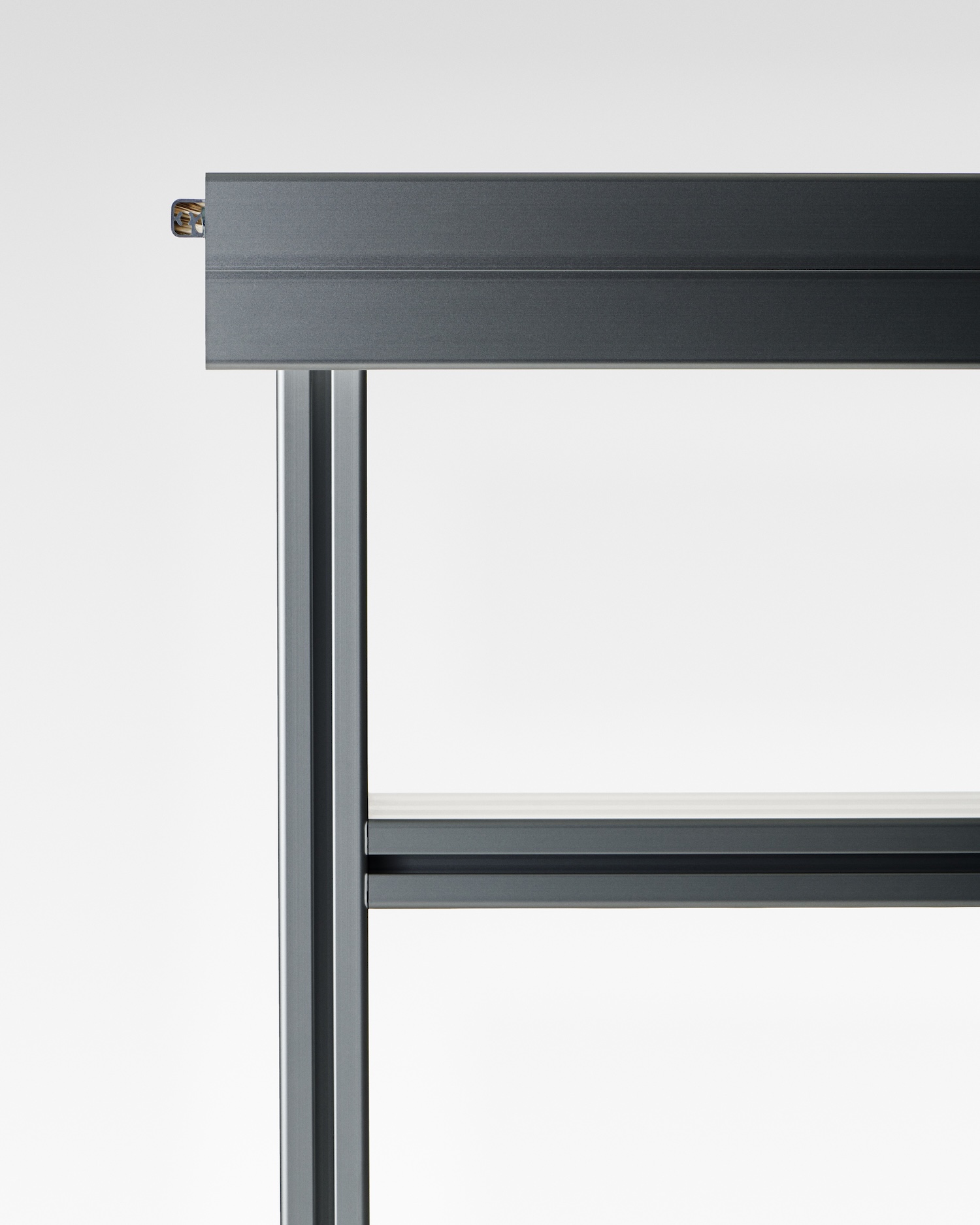
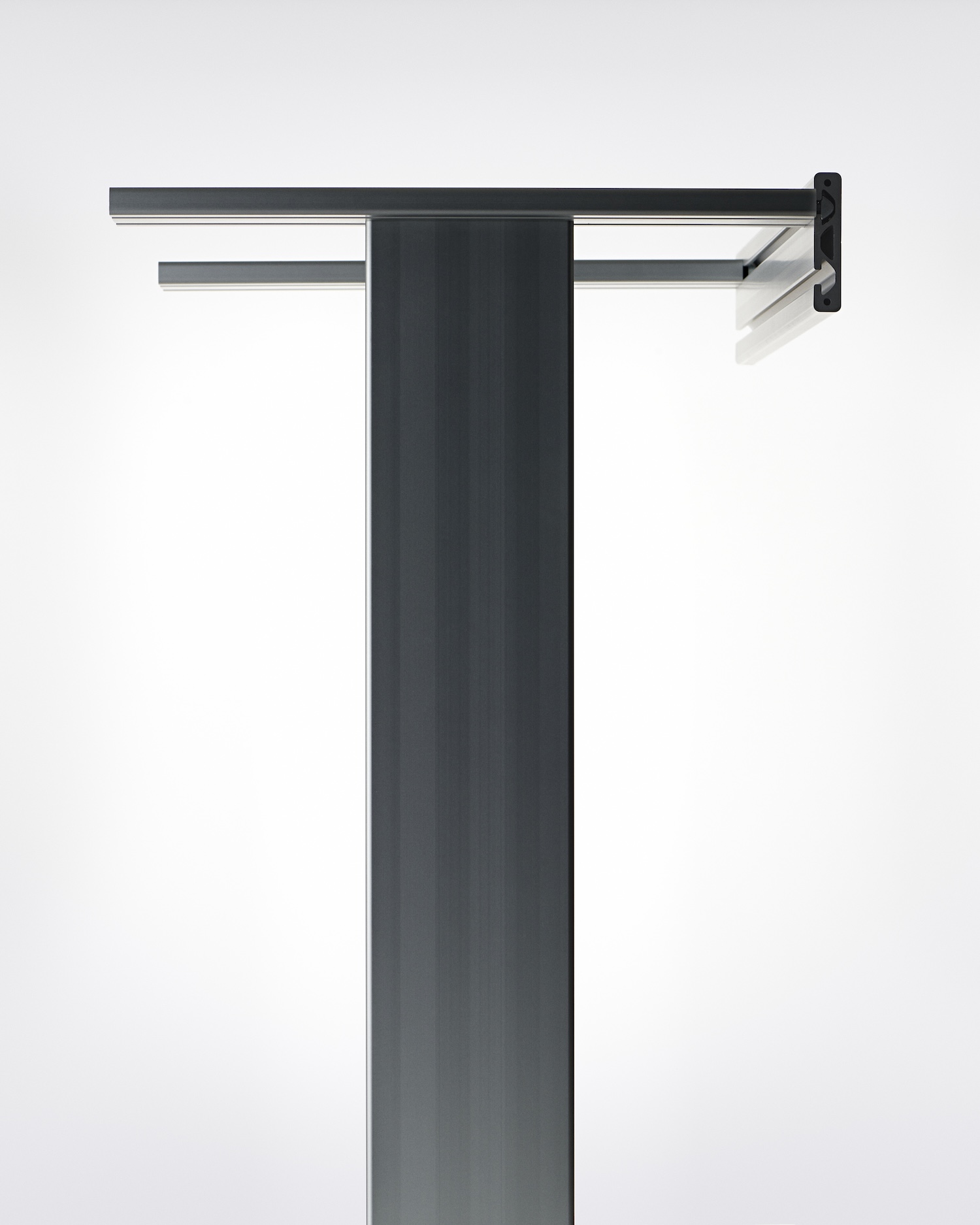
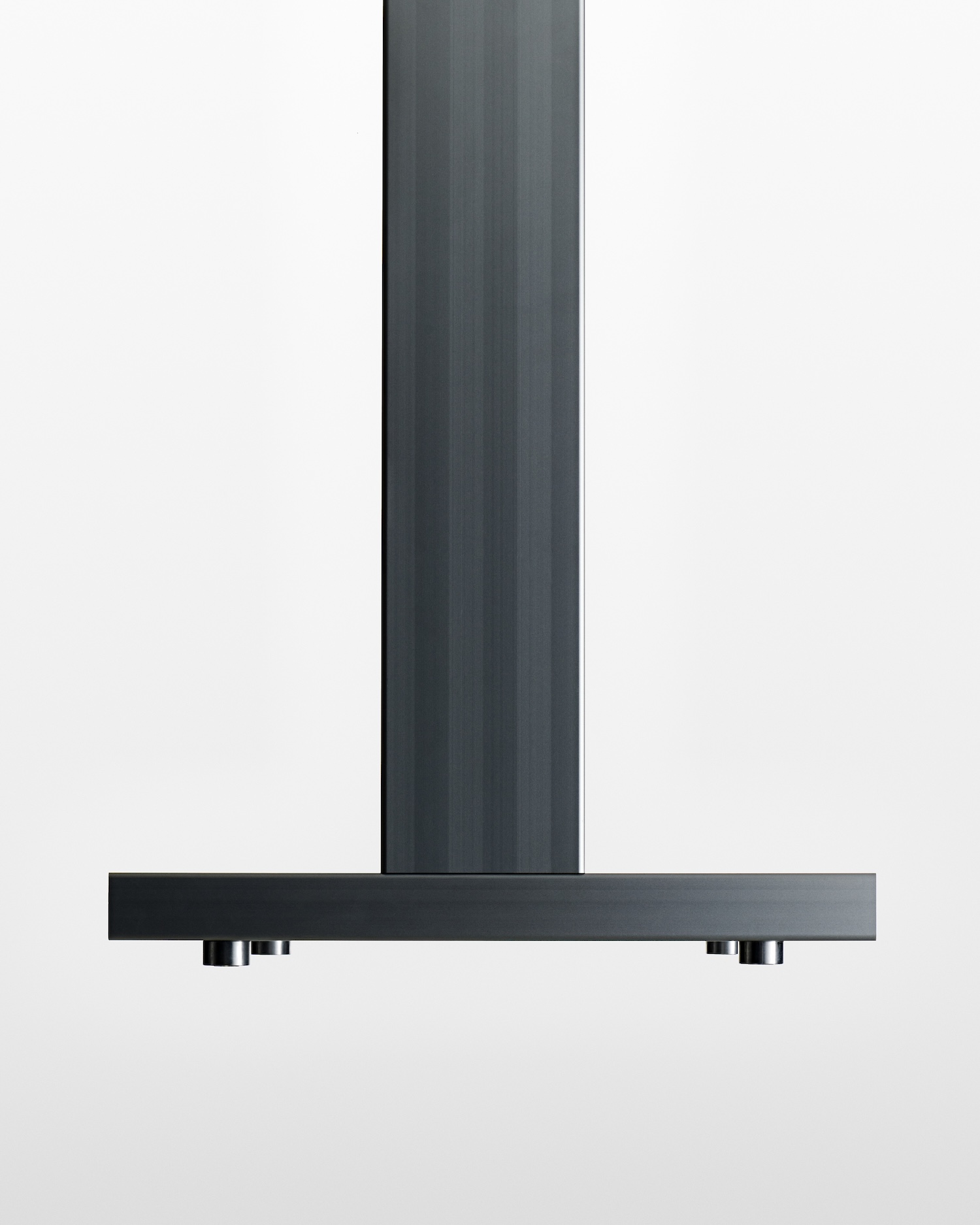
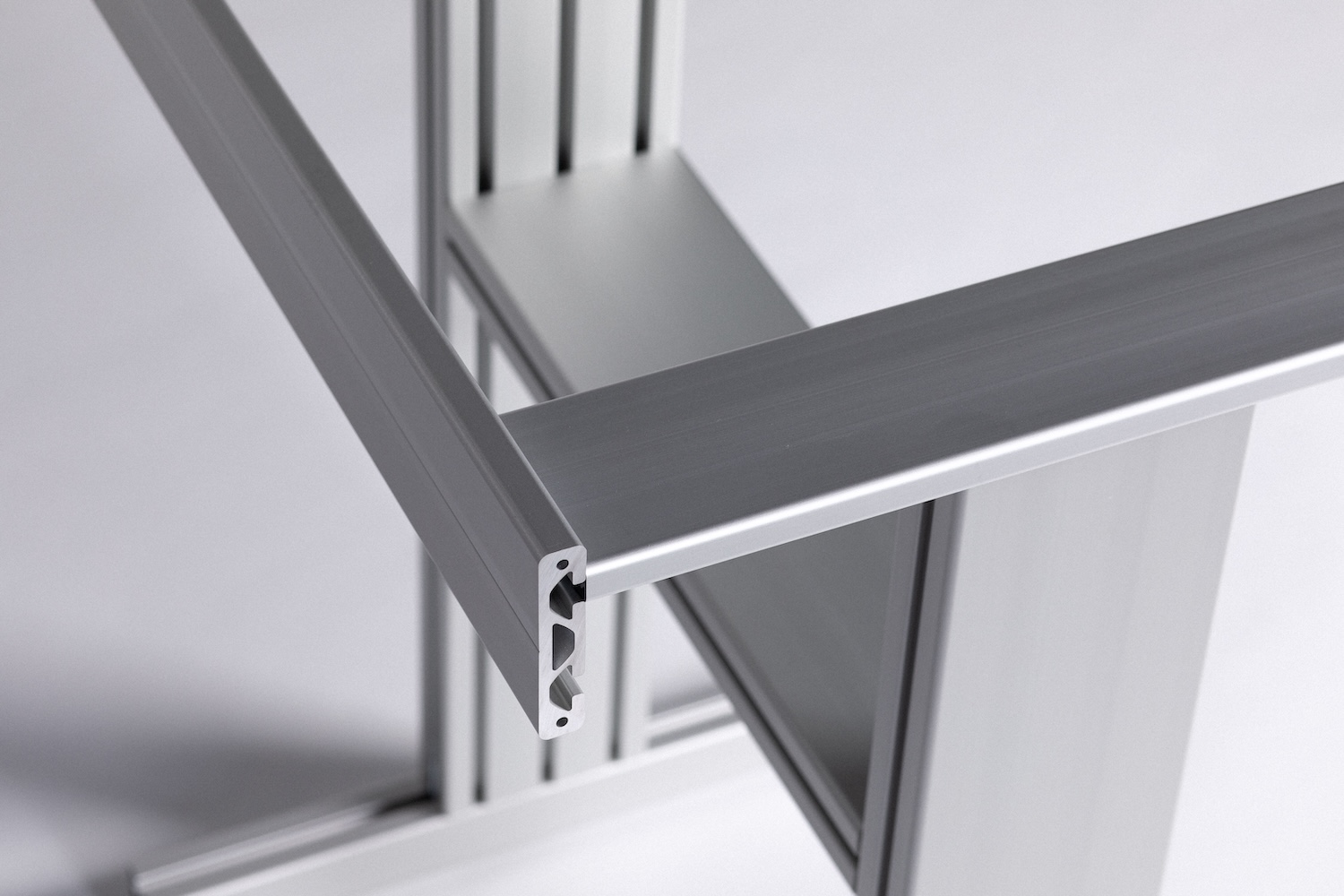
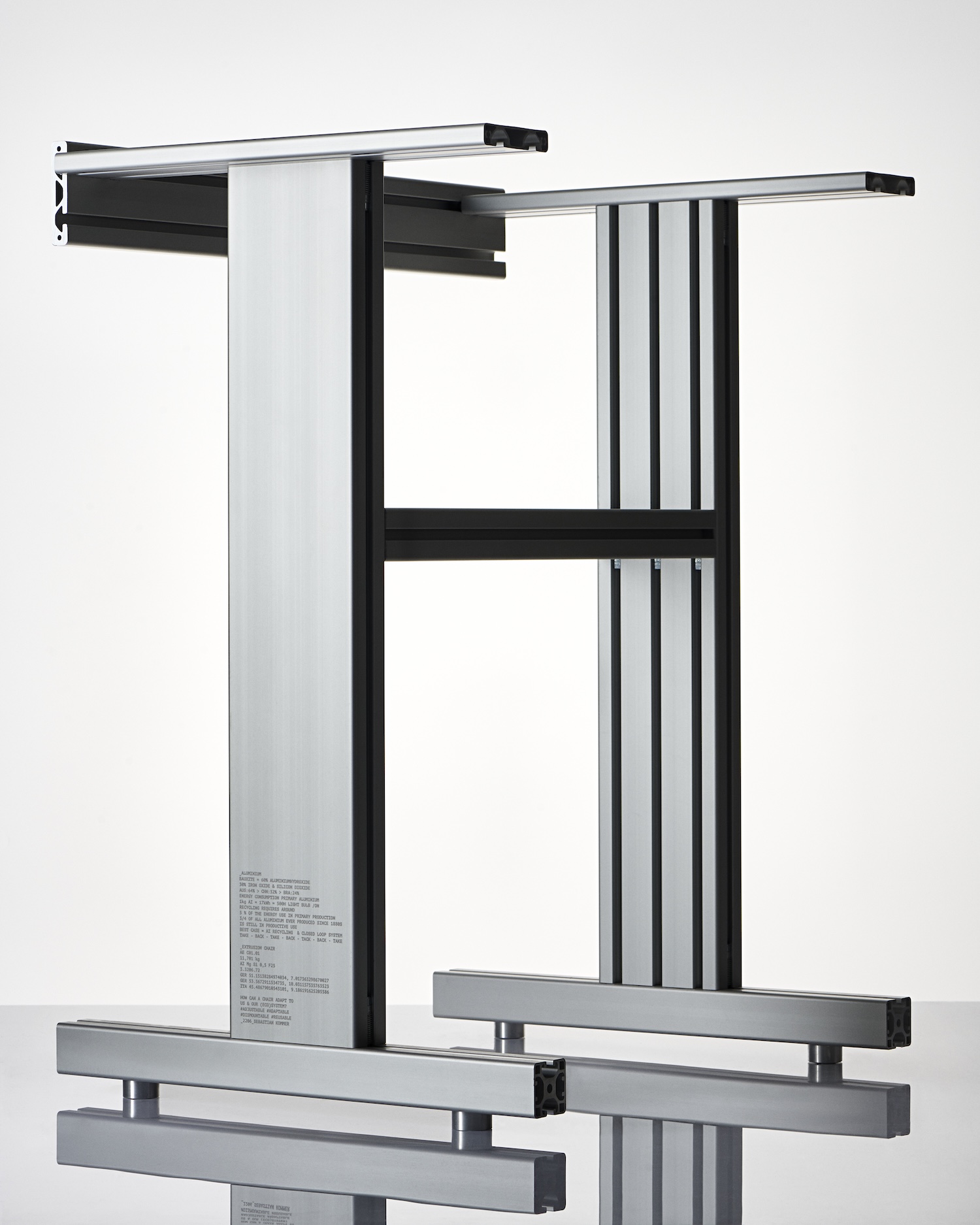
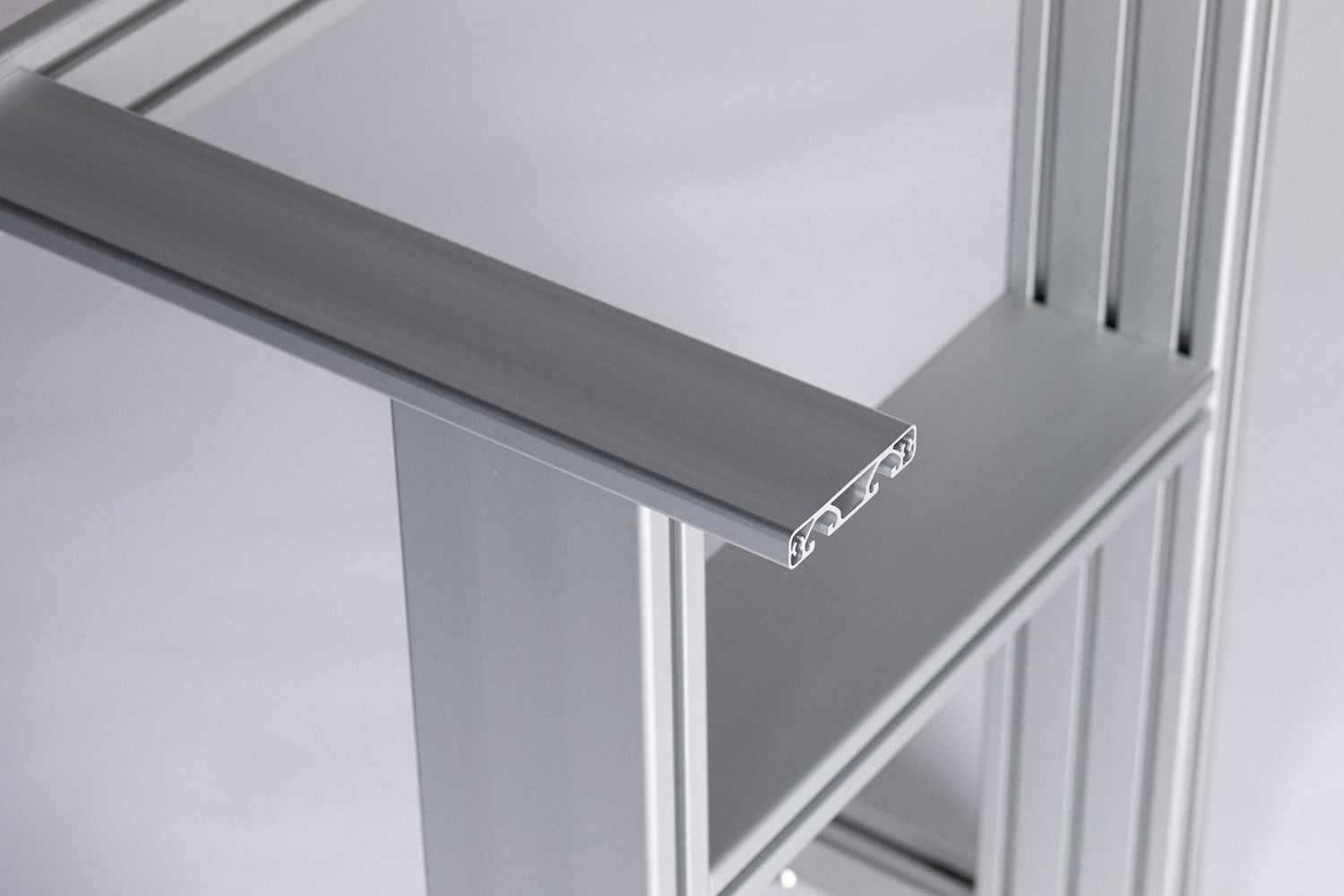
AE_C01.02 is a minimalist chair created by Hamburg-based designer Sebastian Kommer. This is furniture for an age of constant reconfiguration. Where traditional seating speaks in fixed statements, the AE_C01.02 converses in conditional clauses. Its aluminum extrusion profiles function as a material vocabulary that can be endlessly recombined, creating new sentences of form and function. The chair’s archetypal silhouette masks a radical proposition: that furniture might be less about static objects and more about dynamic systems.
Aluminum becomes the medium for this philosophical shift. Unlike wood, which carries the memory of its growth, or steel, which demands commitment through welding, aluminum extrusion embodies democracy. Its T-slot connections whisper of possibility rather than permanence. The material choice reflects our contemporary moment’s obsession with adaptability, where everything from our phones to our cities must be perpetually updatable.
The design process itself mirrors this modular thinking. Rather than sculpting a single ideal form, Engesvik has created what might be called “open source furniture” – a kit of parts that invites user participation in the design process. Seat height adjusts to accommodate different bodies and uses; armrests appear or disappear based on need; the backrest tilts toward comfort or productivity.
This approach echoes the Bauhaus ideal of industrial production serving human needs, but with a distinctly 21st-century twist. Where Marcel Breuer’s tubular steel chairs celebrated mass production’s ability to democratize good design, the AE_C01.02 celebrates mass customization’s promise to personalize it. The chair acknowledges that contemporary life resists the one-size-fits-all solutions that defined modernism’s first century.