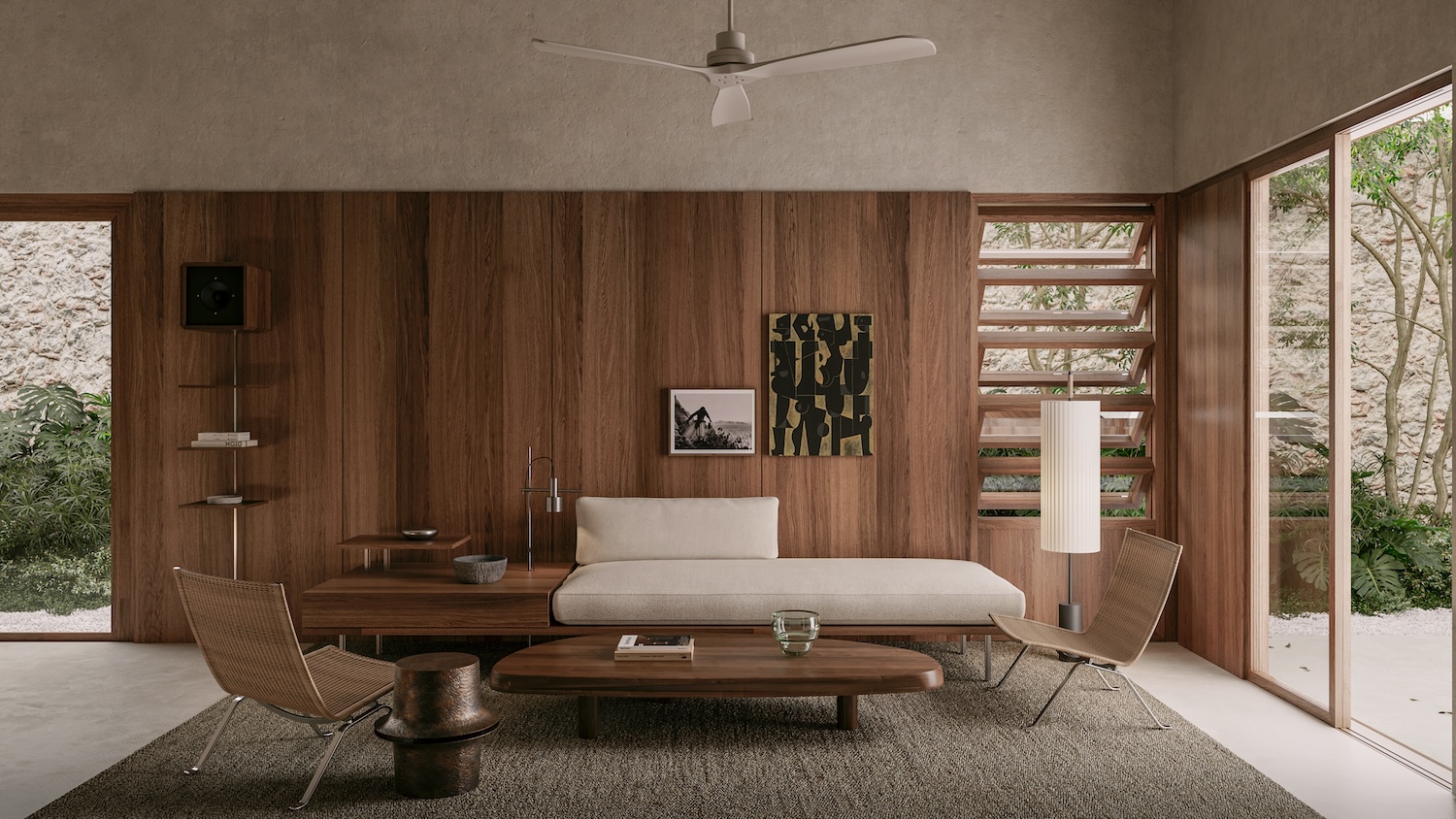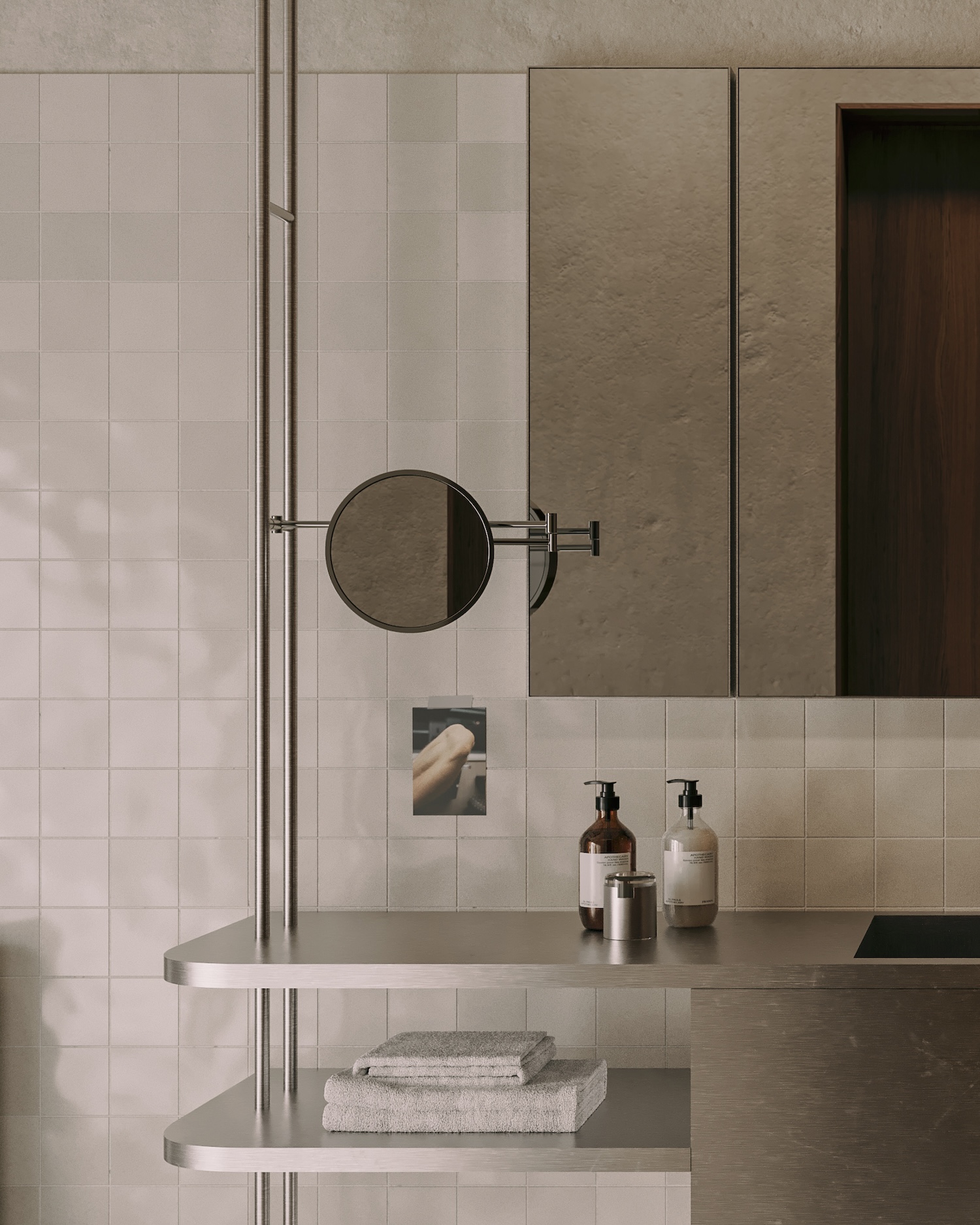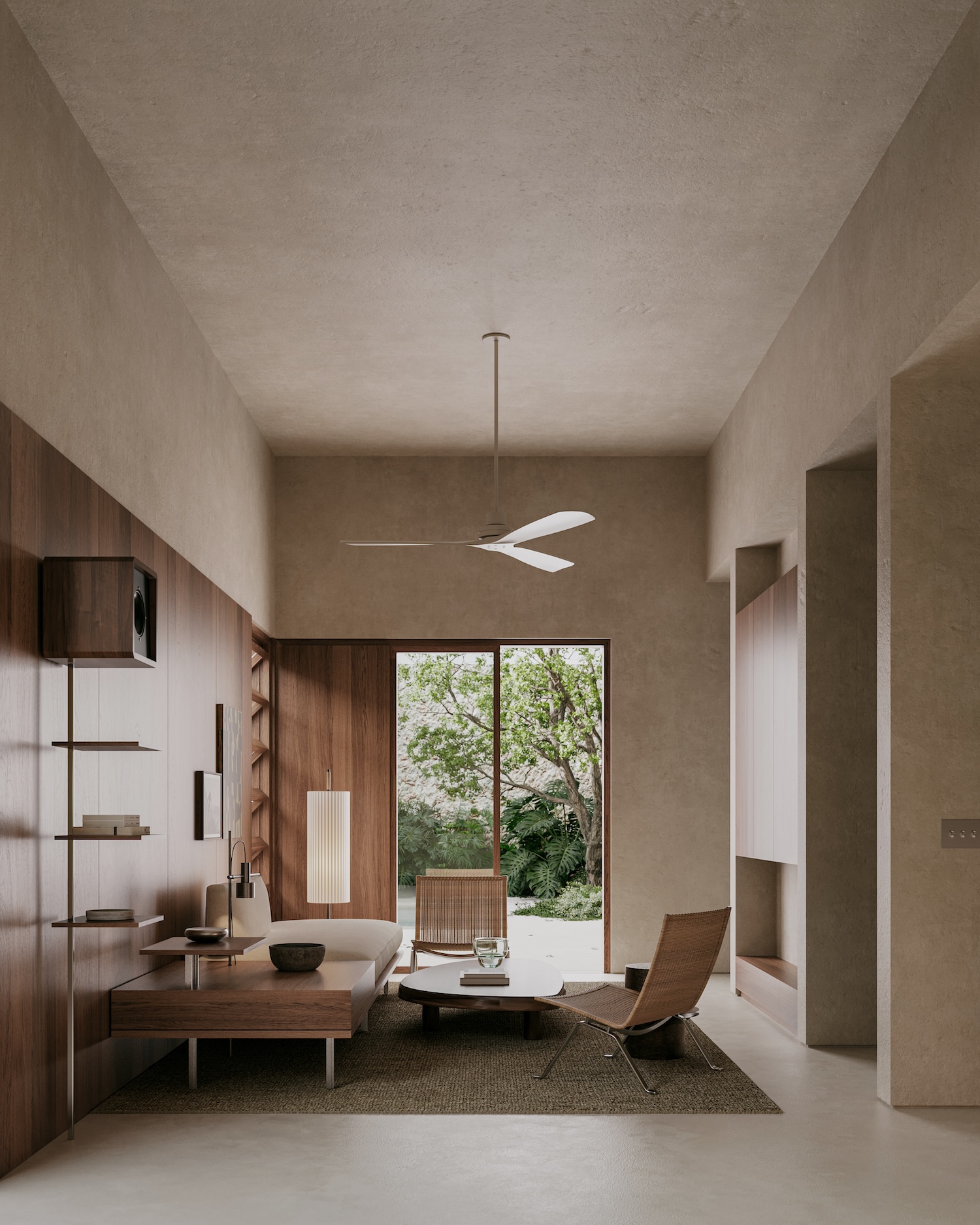
Casa F is a minimalist residence located in Mérida, Mexico, designed by JSa Arquitectura with interiors by Formant Studio. This Yucatán project rises within site densely populated with endemic vegetation expressing itself through honest materiality and commanding volumetric presence articulated with functionalist approach. The residence organizes across three levels engaging with light, climate, and surrounding landscape, demonstrating how contemporary Mexican residential design can address tropical conditions through strategic openings and material selections responding to heat and humidity.
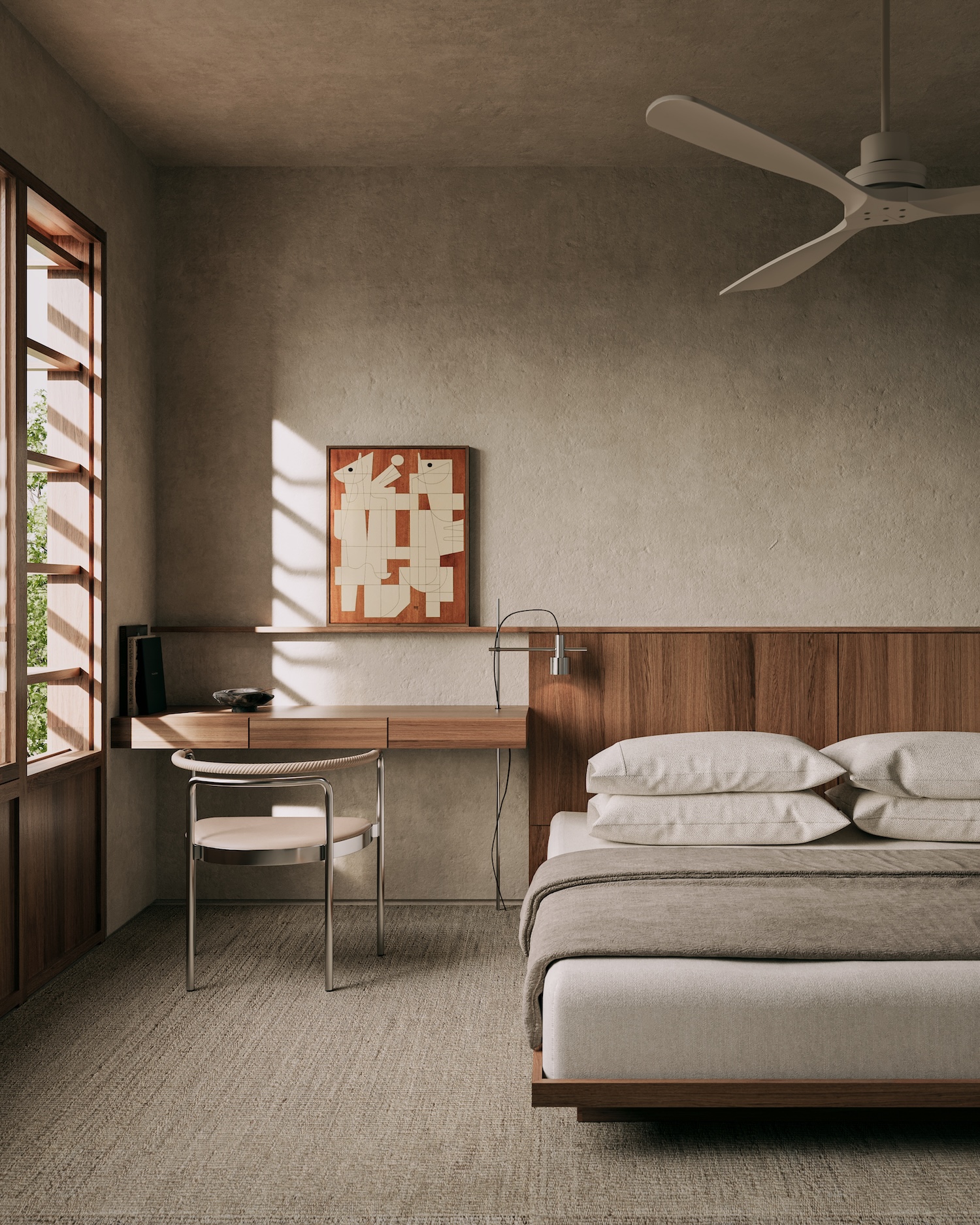
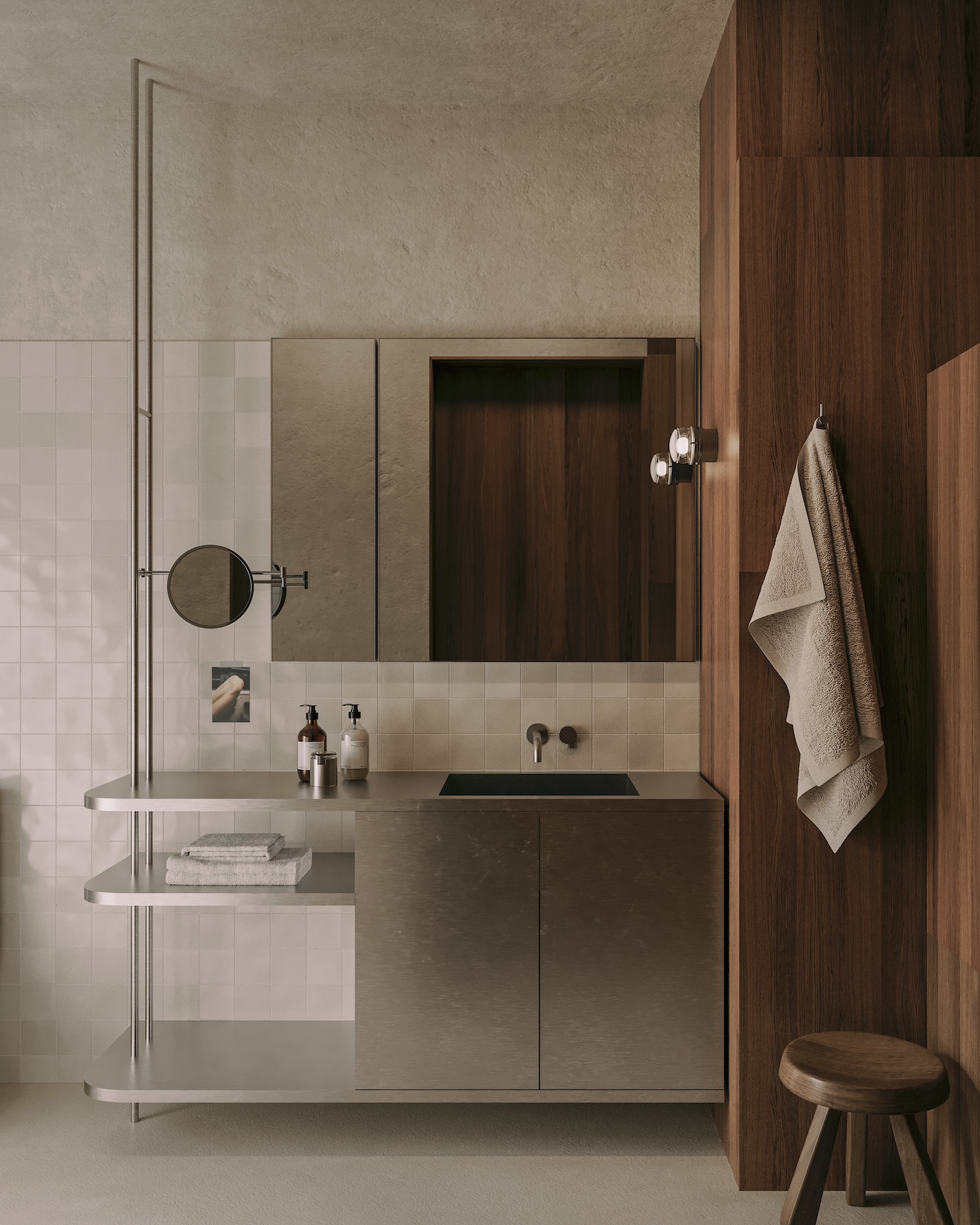
Formant Studio’s interior design blends mid-century cues with fresh contemporary sensibility incorporating local woods and warm palette complementing structure’s sobriety. Furniture and decorative elements receive careful selection responding to tropical and cultural context reinforcing harmony between architecture, interior design, and environment. This collaborative approach demonstrates how architectural and interior design teams can coordinate establishing unified spatial character where structural expression and furnishing choices support rather than compete with each other.
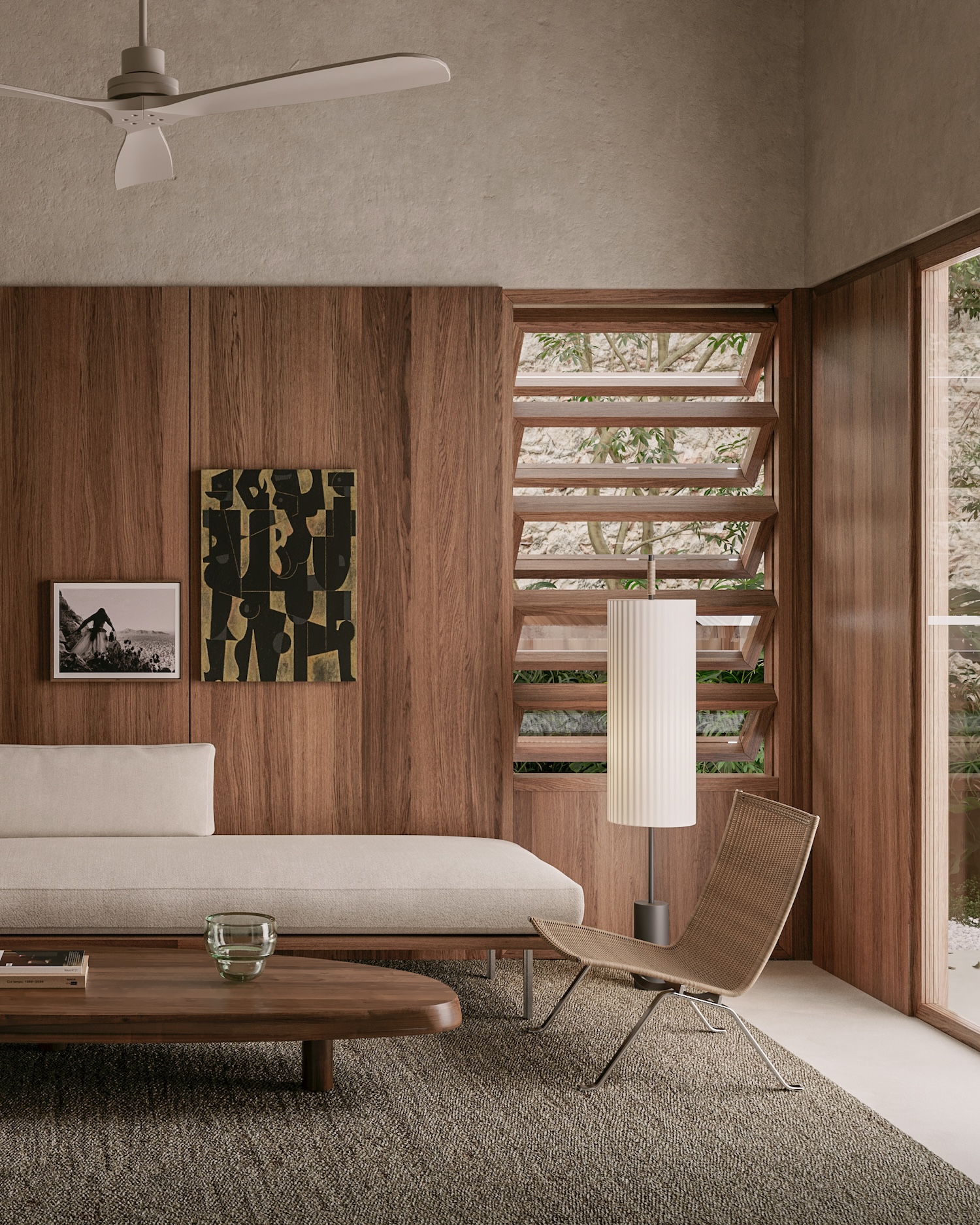
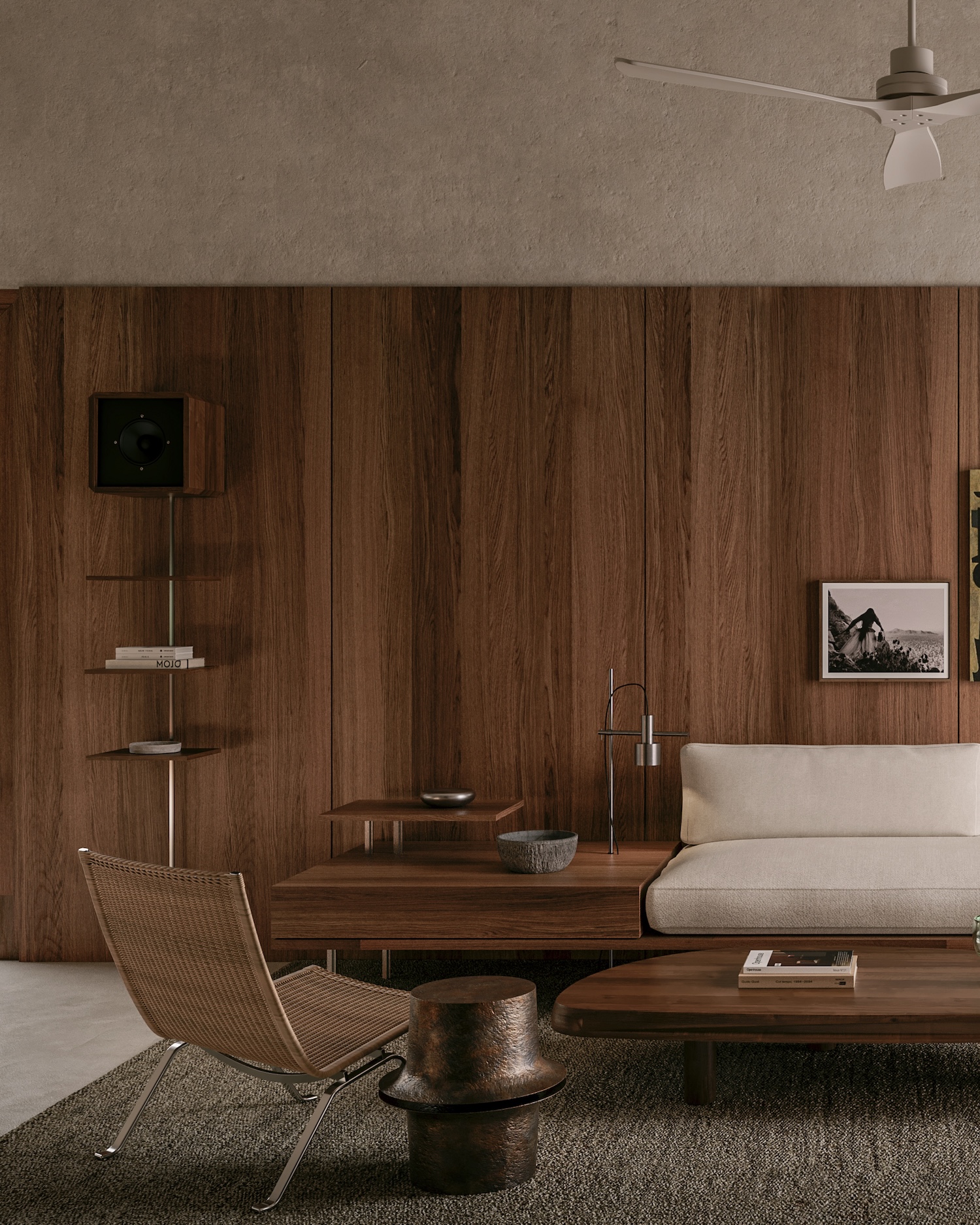
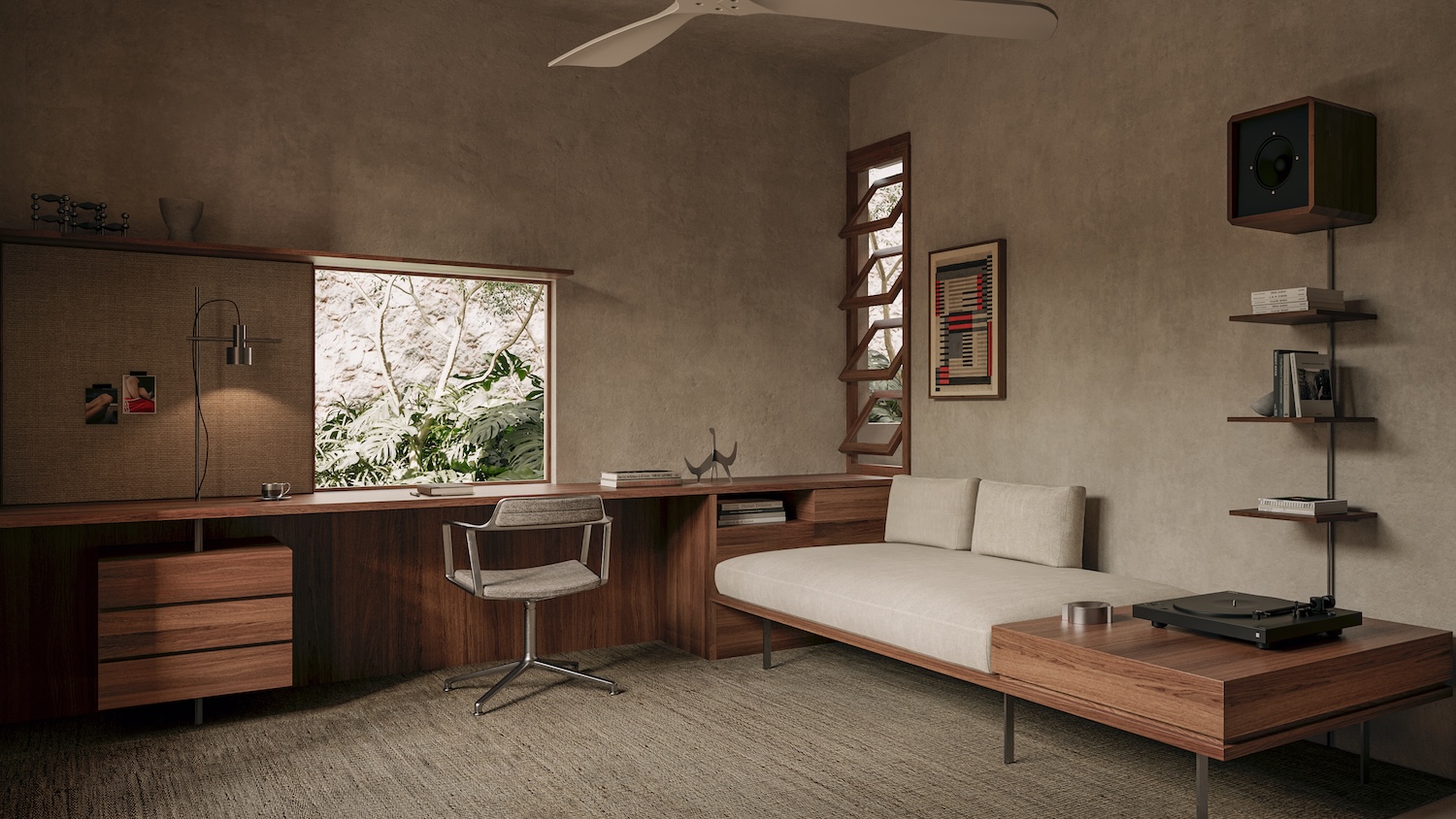
Main entrance leads directly to social house core where living and dining areas unfold in double height enhancing openness sense and visual exterior connection. Living room wood paneling creates enveloping atmosphere while refined material mix adds freshness and character with custom surround-sound system featuring cedar-wood speakers enhancing spatial experience. Large windows open toward terrace and pool with cedar woodwork incorporating louver systems and sliding panels regulating ventilation and privacy, demonstrating sophisticated environmental control appropriate for Yucatán’s hot humid climate.
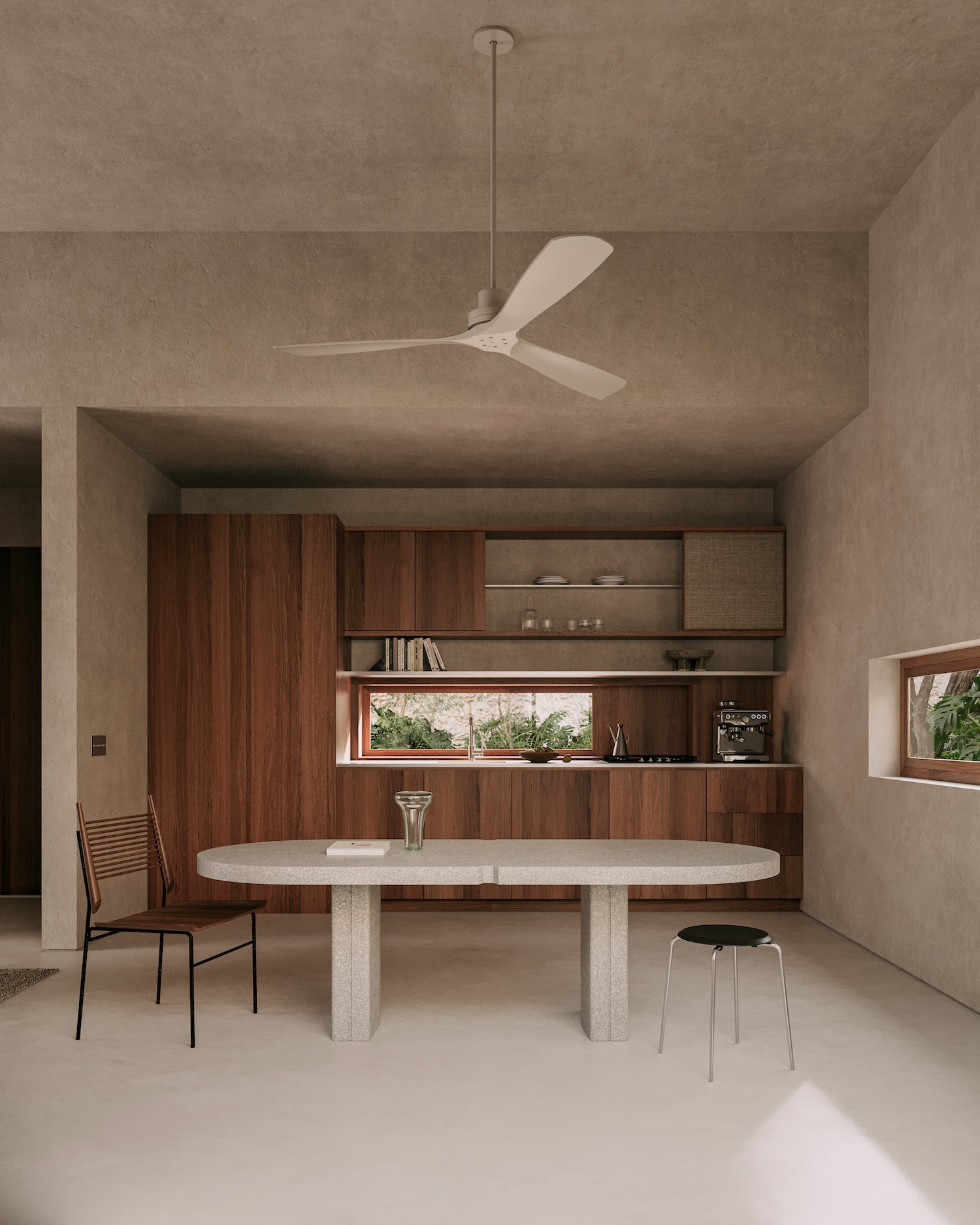
The dining area anchors around monolithic concrete table complemented by wood kitchen with stainless-steel countertop where open shelving replaces traditional cabinetry emphasizing functional simplicity. Every furniture piece receives careful selection reinforcing project identity, demonstrating how material restraint and functional clarity can establish character without requiring decorative elaboration. The concrete table demonstrates material courage where industrial construction material receives refined residential application through careful finishing.
Ground floor study conceives as natural architecture extension through integrated furniture, cantilevered elements, and sliding panels allowing space adapting to user needs. Mid-century aesthetic furnishings intentionally contrast with structure’s brutalist expression generating balanced visual tension, demonstrating how stylistic juxtaposition can create spatial interest when coordinated through consistent material quality and proportional relationships preventing discord.