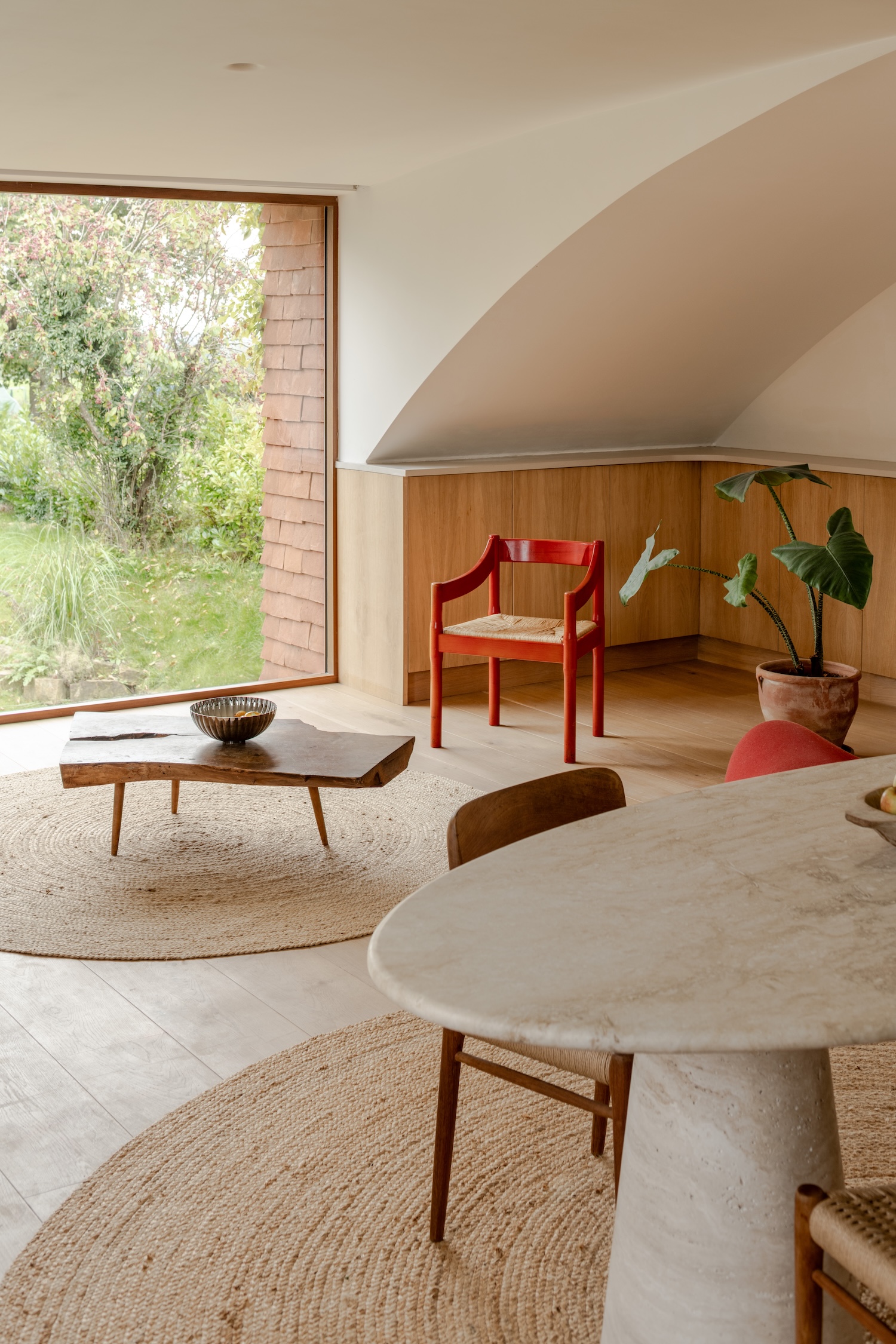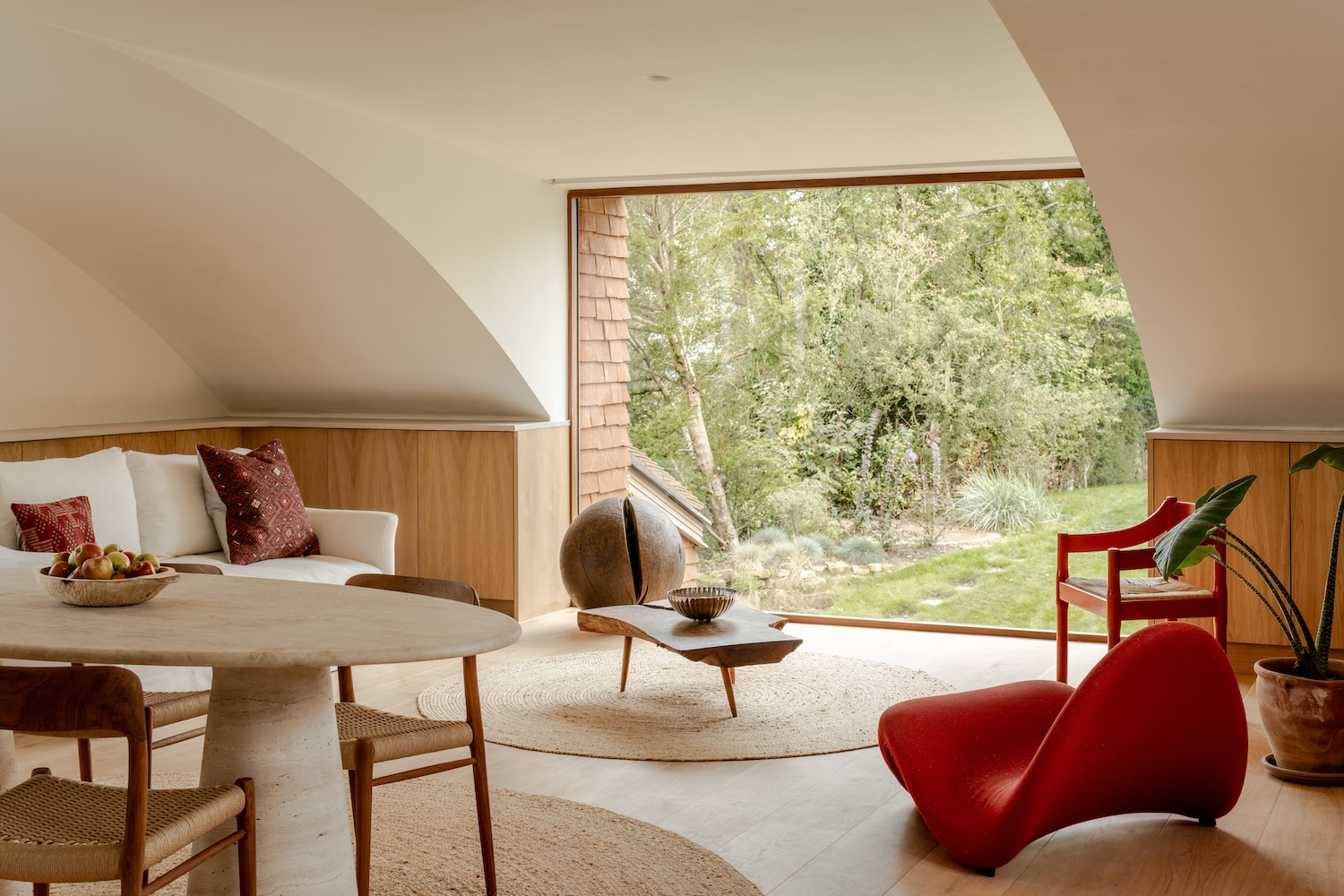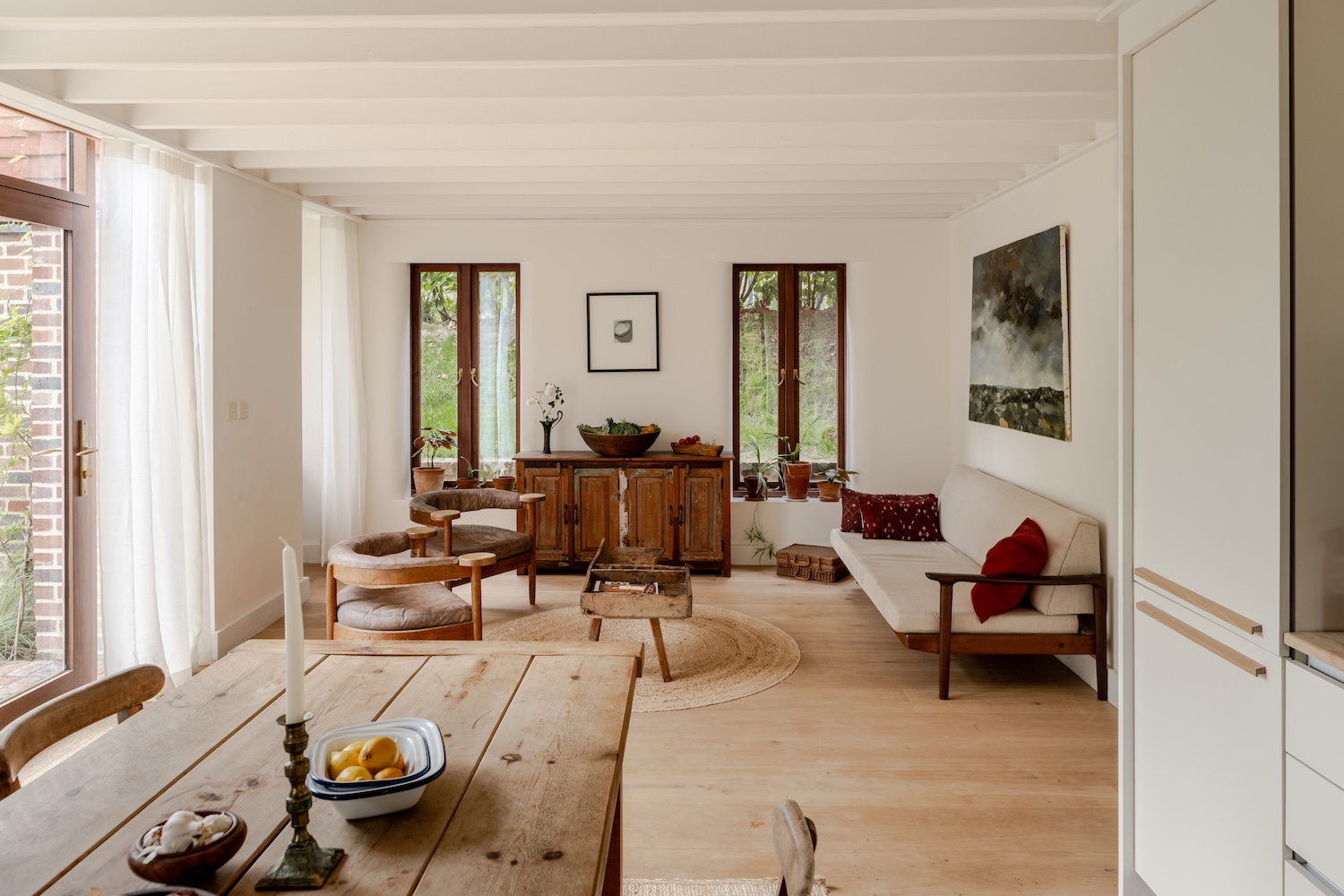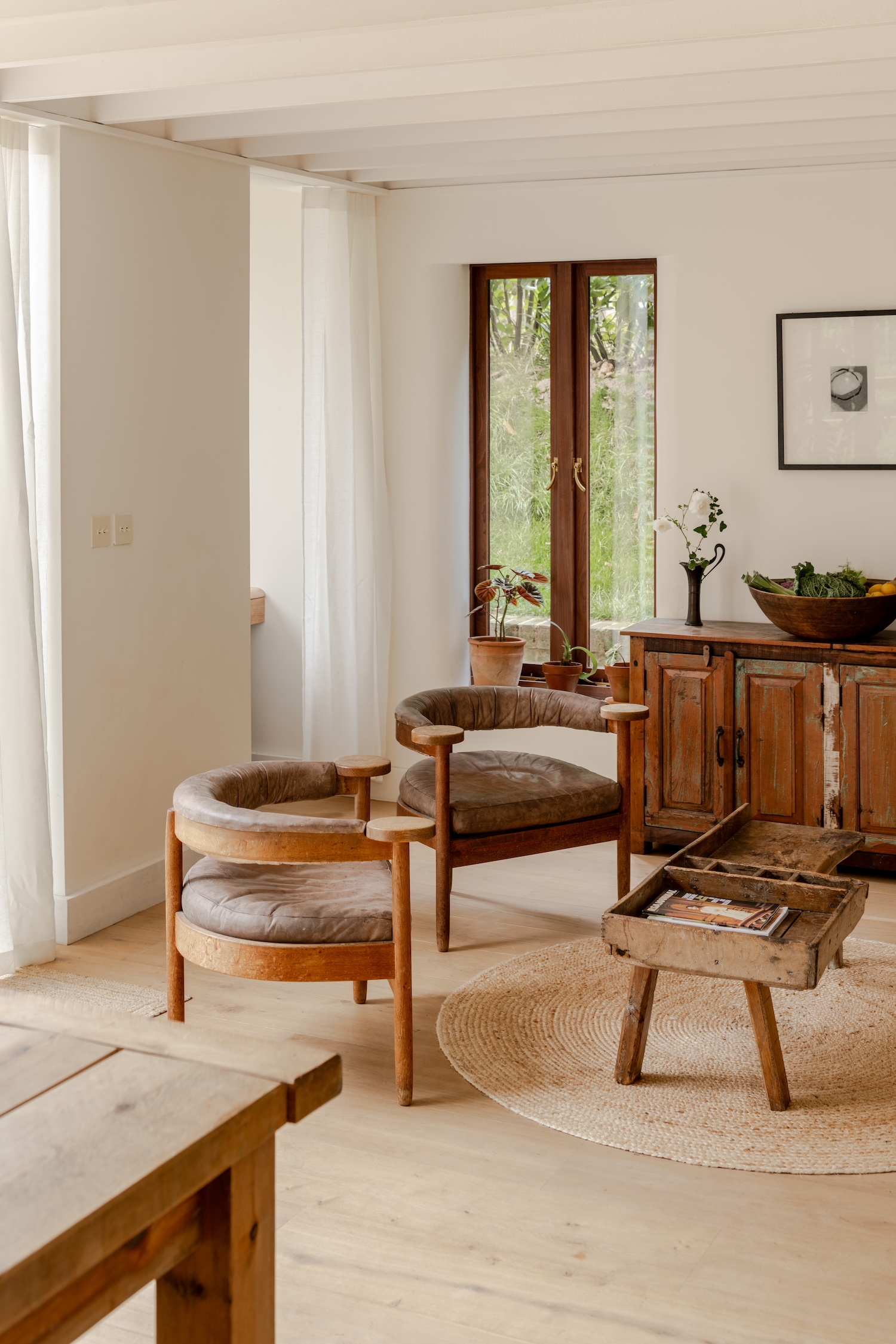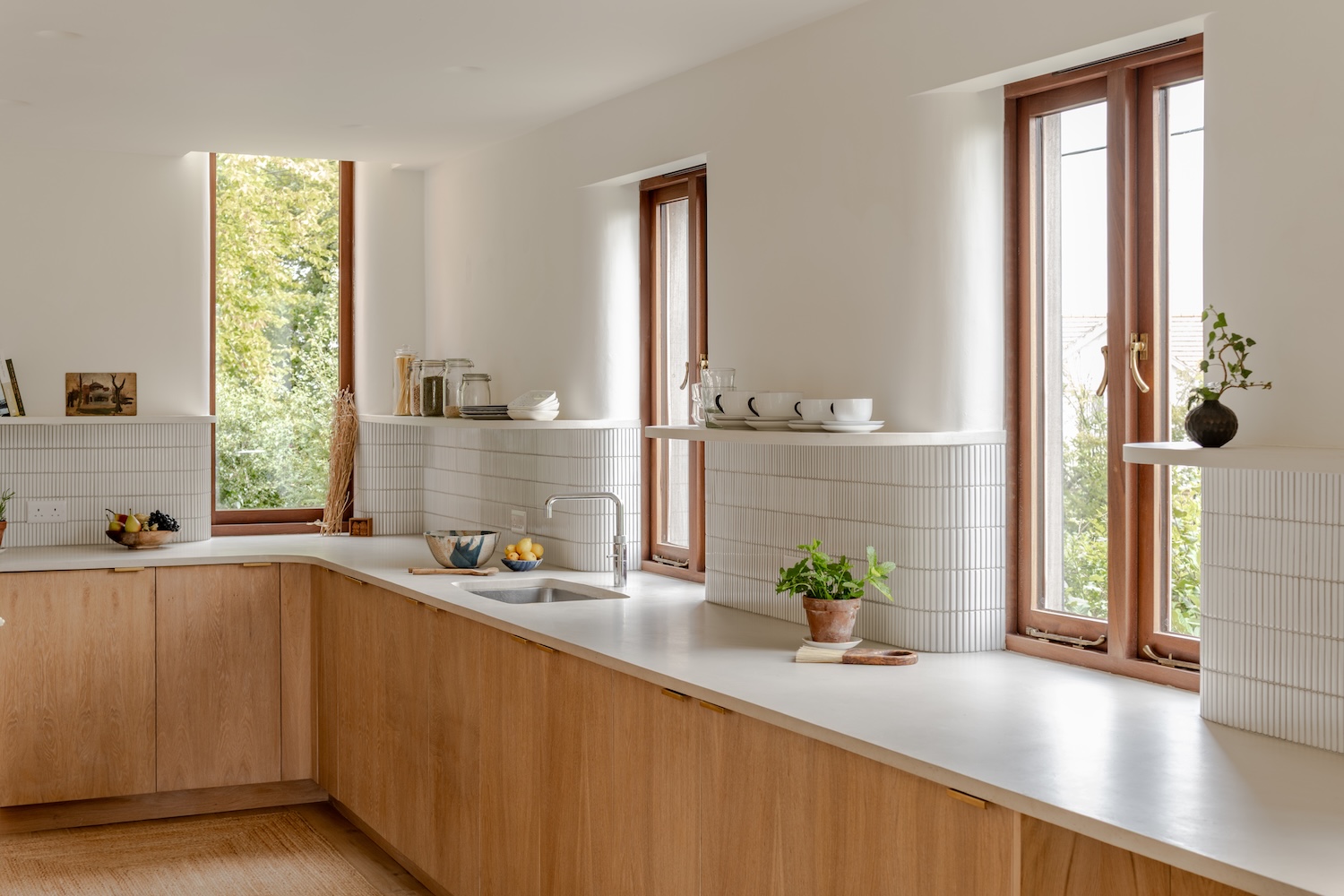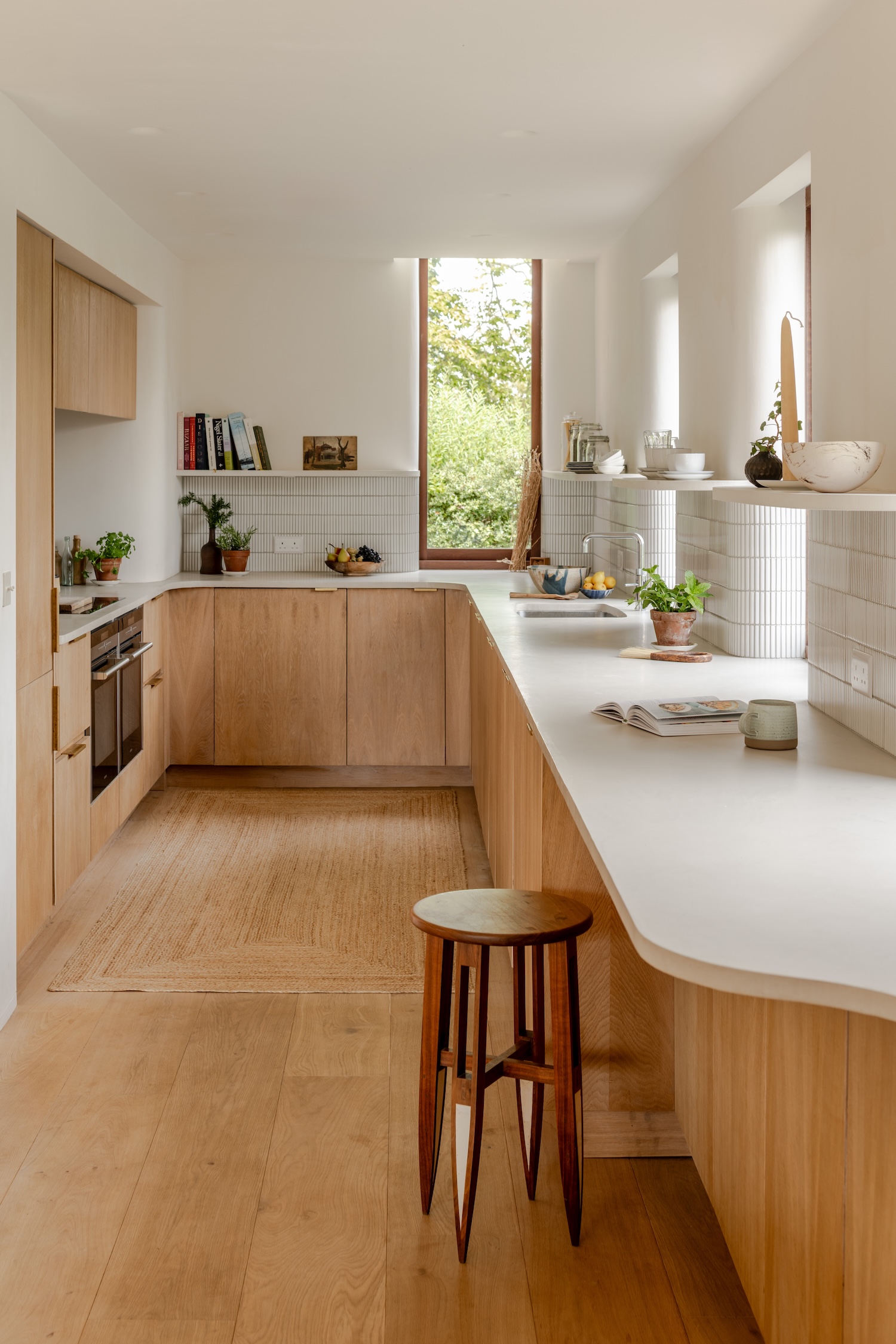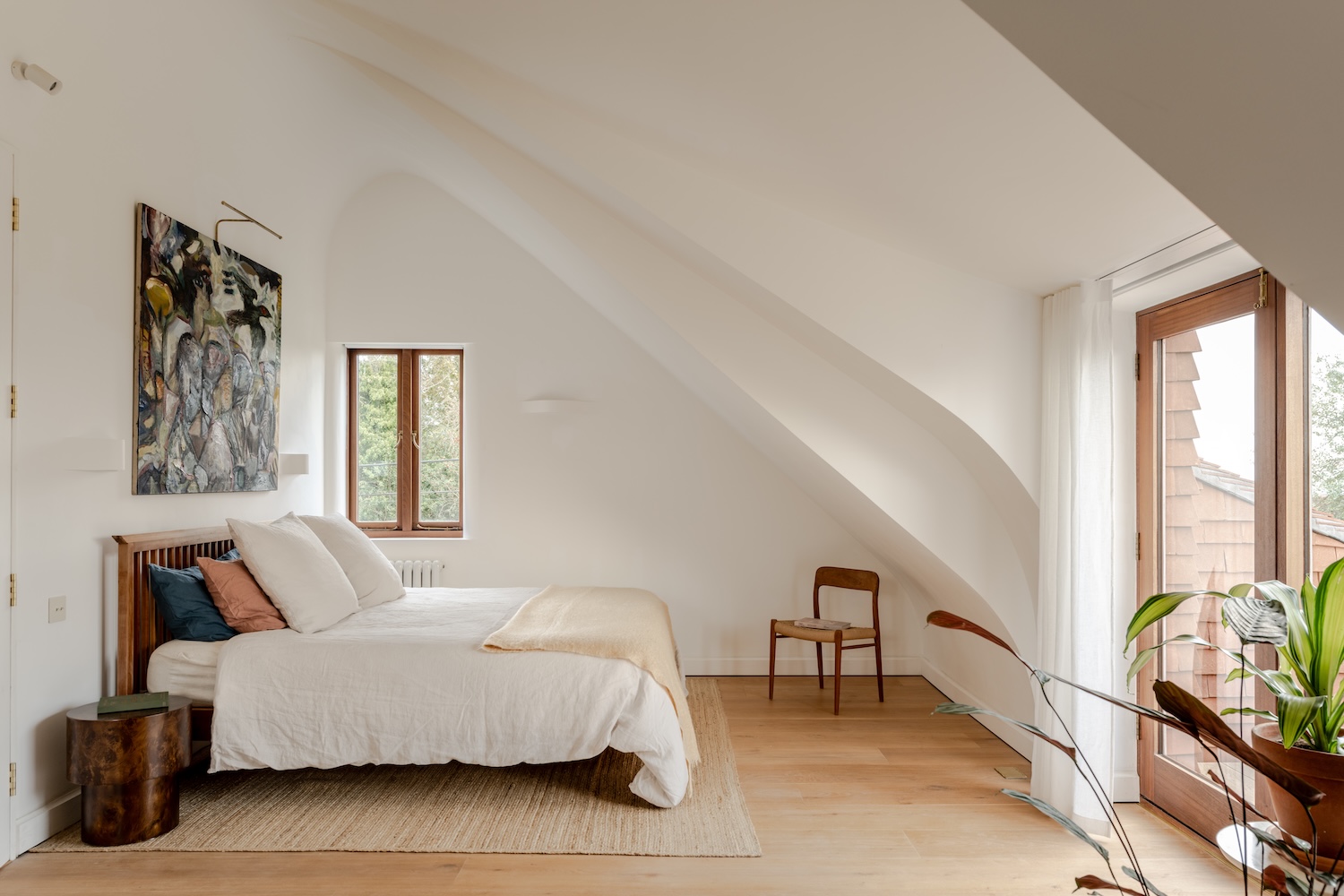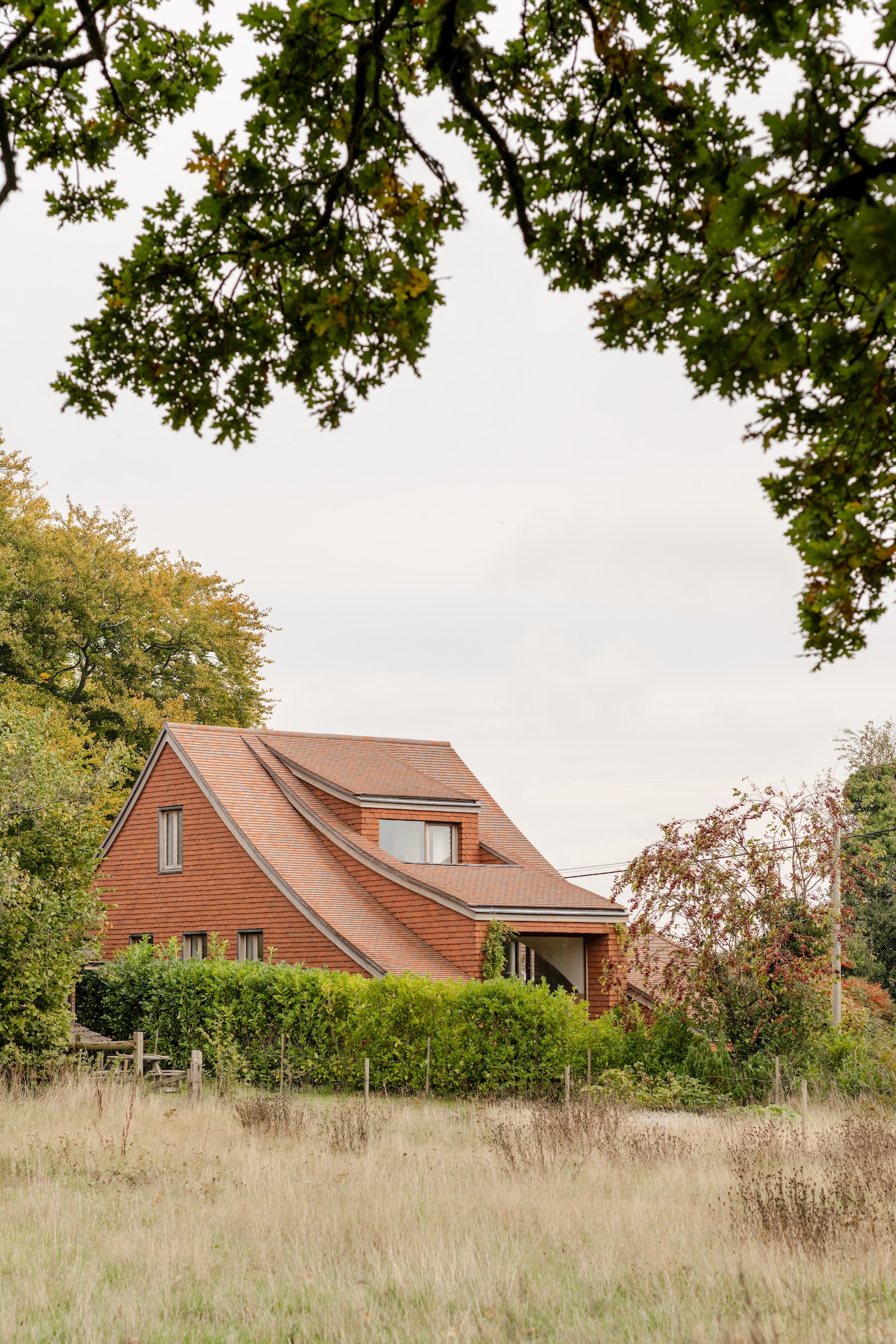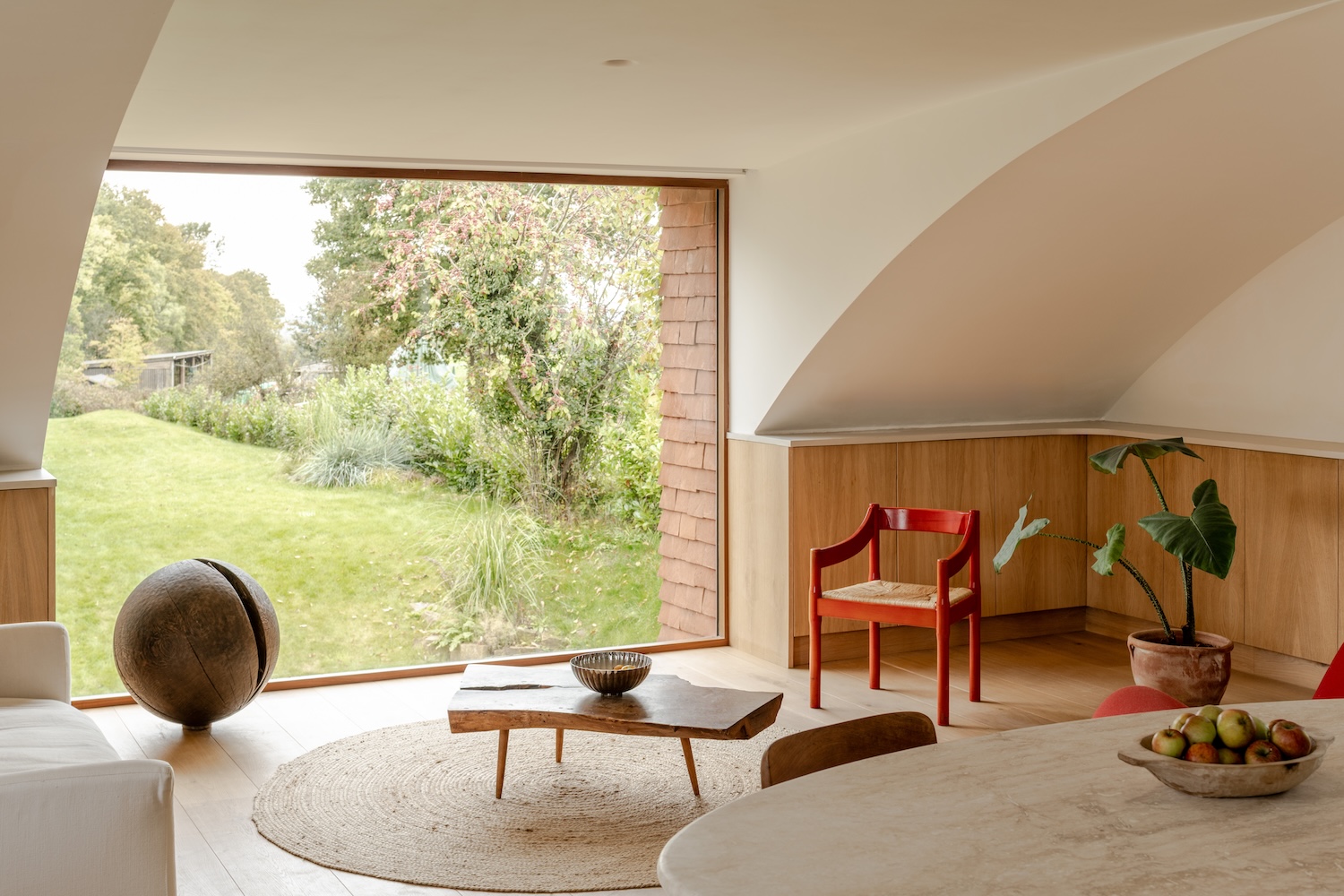
Clay Rise is a minimalist residence located in West Hoathly, United Kingdom, designed by Templeton Ford. The tension between vernacular building traditions and contemporary environmental performance rarely resolves as gracefully as it does in rural Sussex, where localized clay deposits have shaped architectural character for centuries. Clay Rise engages this material lineage not through nostalgic replication but by understanding how geological conditions beneath a site can inform both structure and skin. The house occupies a plot adjacent to architect Andre Templeton Ford’s childhood home, a positioning that transforms personal history into design methodology – intimate knowledge of place becomes the foundation for architectural decisions about massing, material sourcing, and environmental orientation.
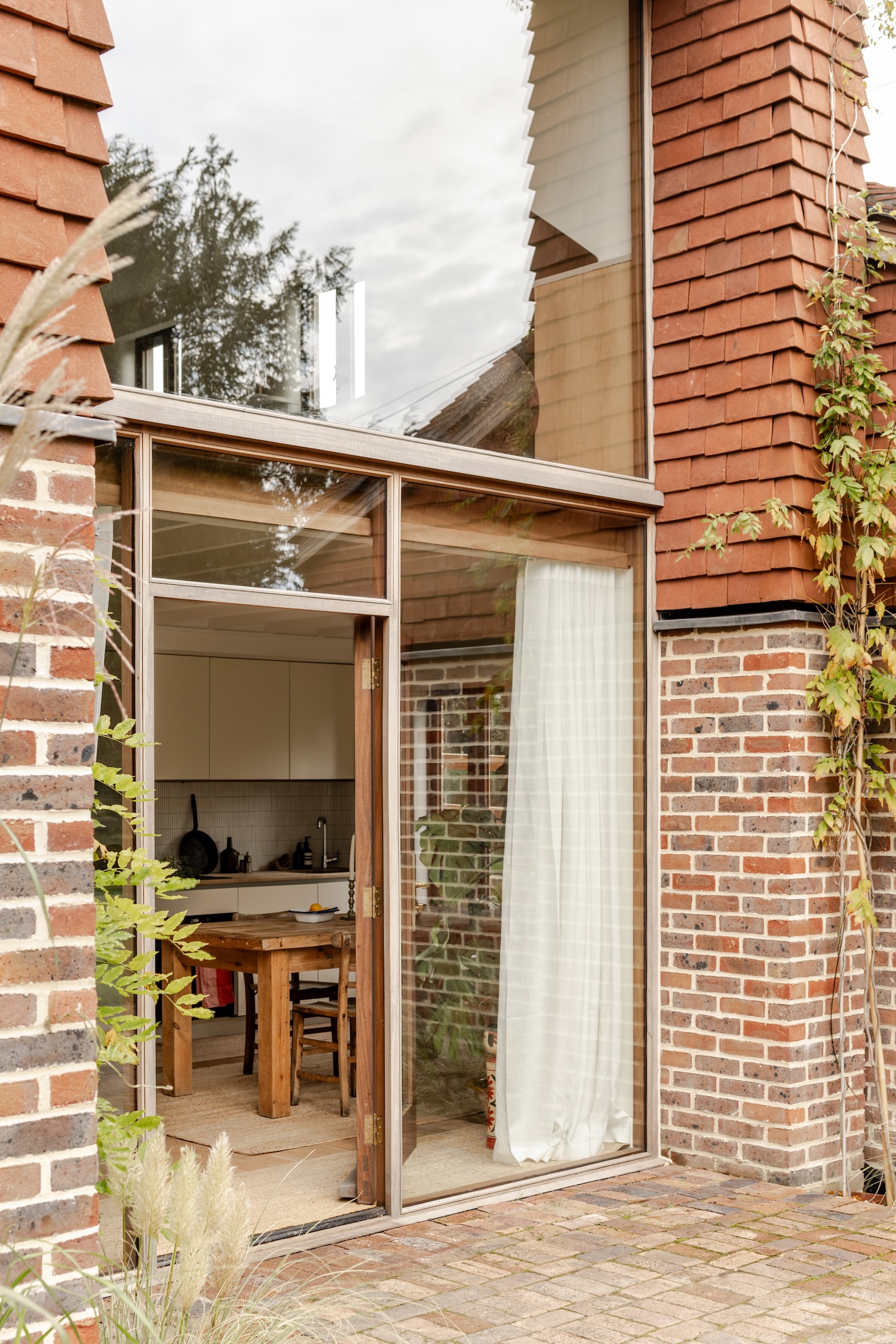
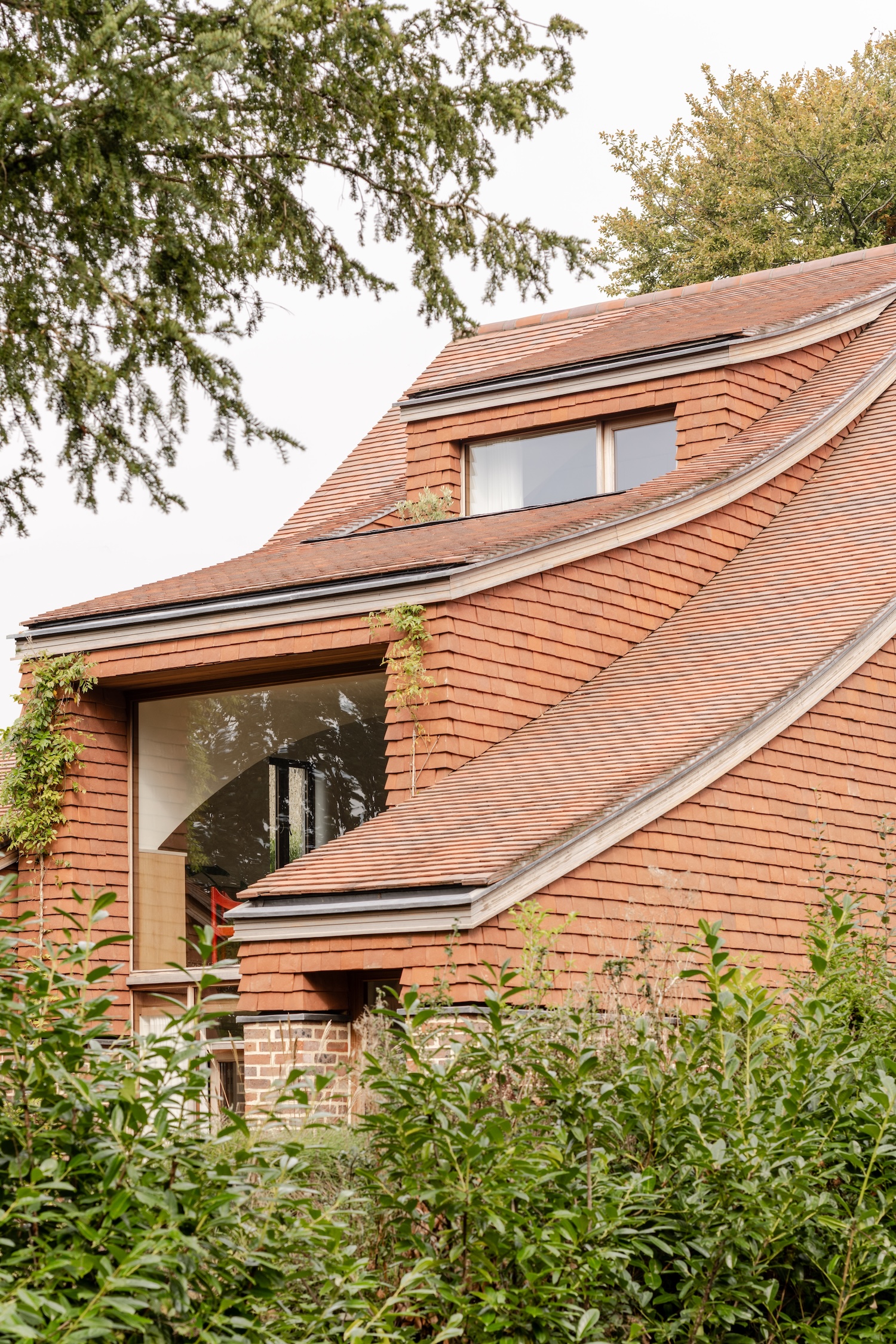
Templeton Ford’s approach centers on a deliberate material hierarchy that reads the site’s clay composition as both constraint and opportunity. The external envelope employs bricks manufactured from the same clay stratum found in the excavation below, creating a geological continuity between ground and facade. This is not symbolic gesture but practical acknowledgment of how traditional Sussex construction evolved from available materials. The prefabricated timber frame system – erected in two weeks – provides structural efficiency while the brick skin and clay tile cladding establish thermal mass and contextual resonance. A datum line wrapping the perimeter marks the transition between brick and tile, articulating where the building meets its sloping site through a shift in material expression rather than decorative trim.
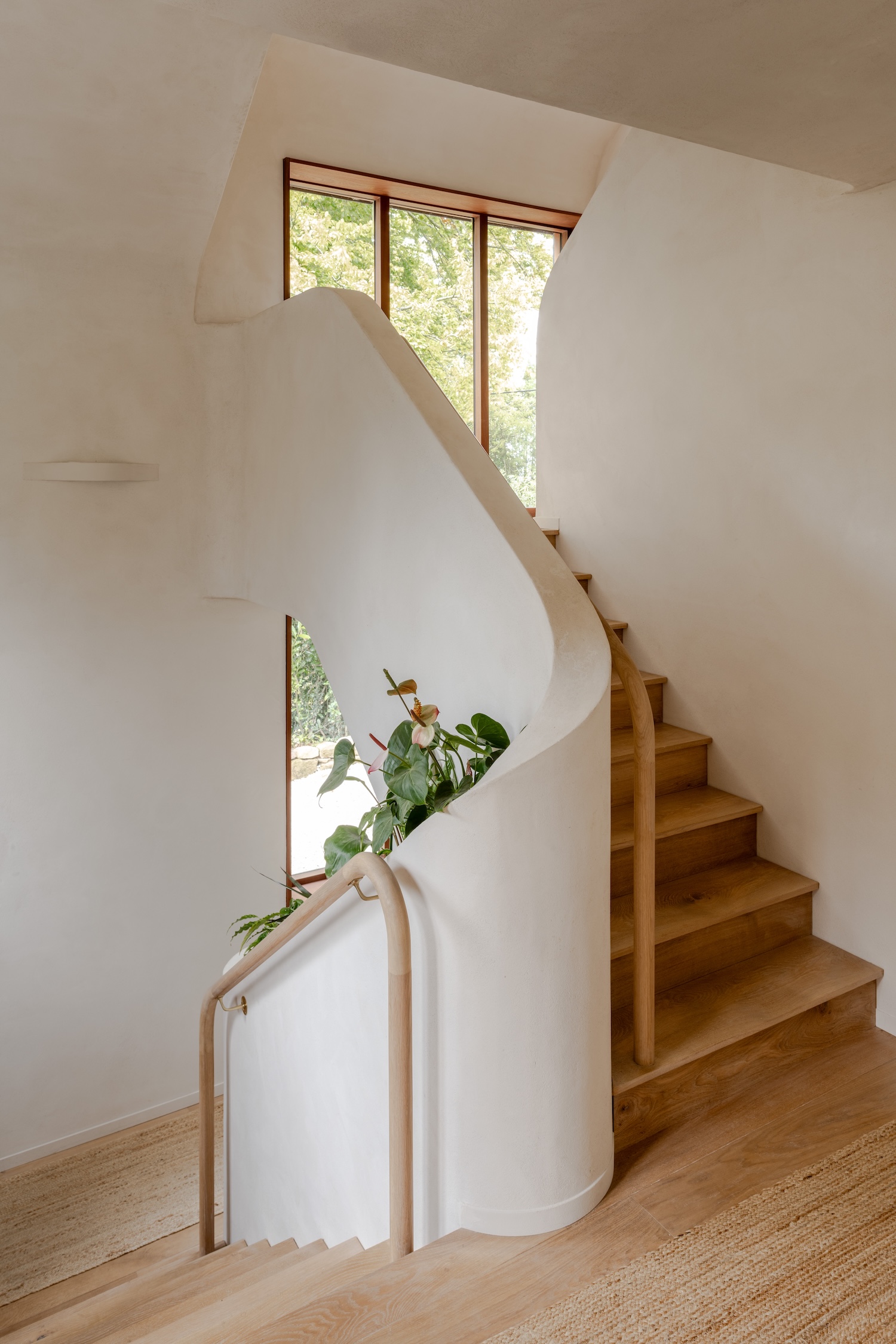
The curved roofline operates as the project’s defining formal gesture, but its sweeping profile serves environmental performance as much as aesthetic ambition. By embedding the structure 1.5 meters into the hillside at its rear elevation, the architects created necessary depth for the curve’s dramatic pitch while establishing a split-level interior arrangement. This sectional strategy enables the house to function as either a unified dwelling or two independent units – a ground floor apartment and upper living quarters – without the spatial compromises typical of subdivided plans. The south-facing orientation optimizes solar gain through winter months while the curved form moderates summer heat accumulation, and a central stair atrium functions as thermal chimney, drawing warm air upward through operable east-west openings.