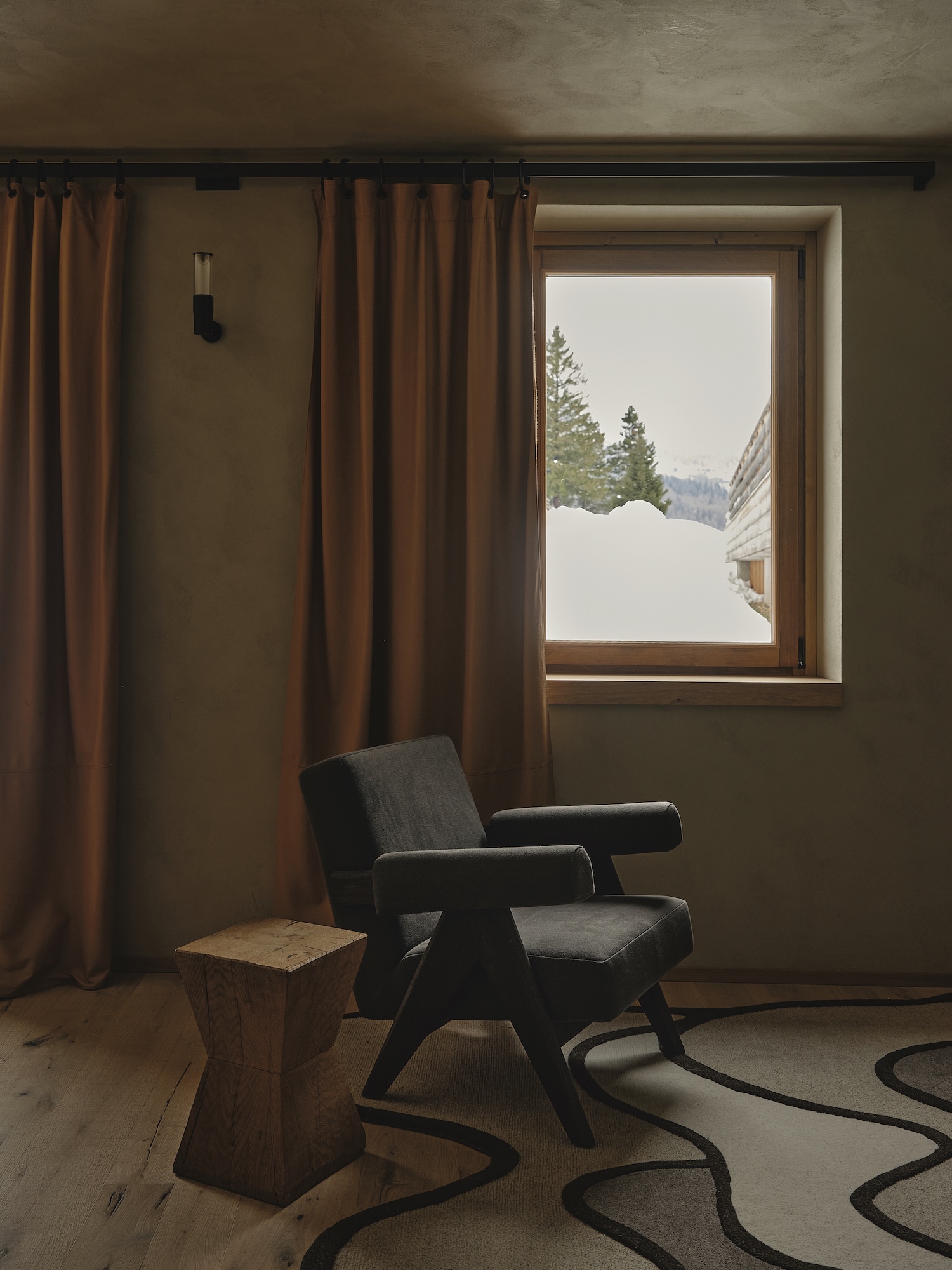
Cortina House is a minimalist residence located in Cortina d’Ampezzo, Italy, designed by Parisotto + Formenton Architetti. This Dolomites vacation home with Tofane mountain views interprets tradition and contemporaneity with balance, occupying portion of old ciasa – typical farmhouse dwelling of Ladin valleys – within one of Cortina’s most ancient fractions. The project testifies to deep bond between Ampezzan community and territory where forests and pastures remain managed according to Regole d’Ampezzo model, inserting harmoniously into landscape maintaining historical memory while responding to modern vacation home needs.
Developed over two floors, the dwelling conserves local architecture fascination with upper wooden portion and plastered base. The project preserves traditional constructive language integrating contemporary solutions privileging functionality and comfort through local material use and detail attention creating tranquility atmosphere designed for authentic relaxed experience. This material restraint demonstrates how renovation can honor regional building traditions through construction technique and material selection rather than superficial stylistic reproduction.
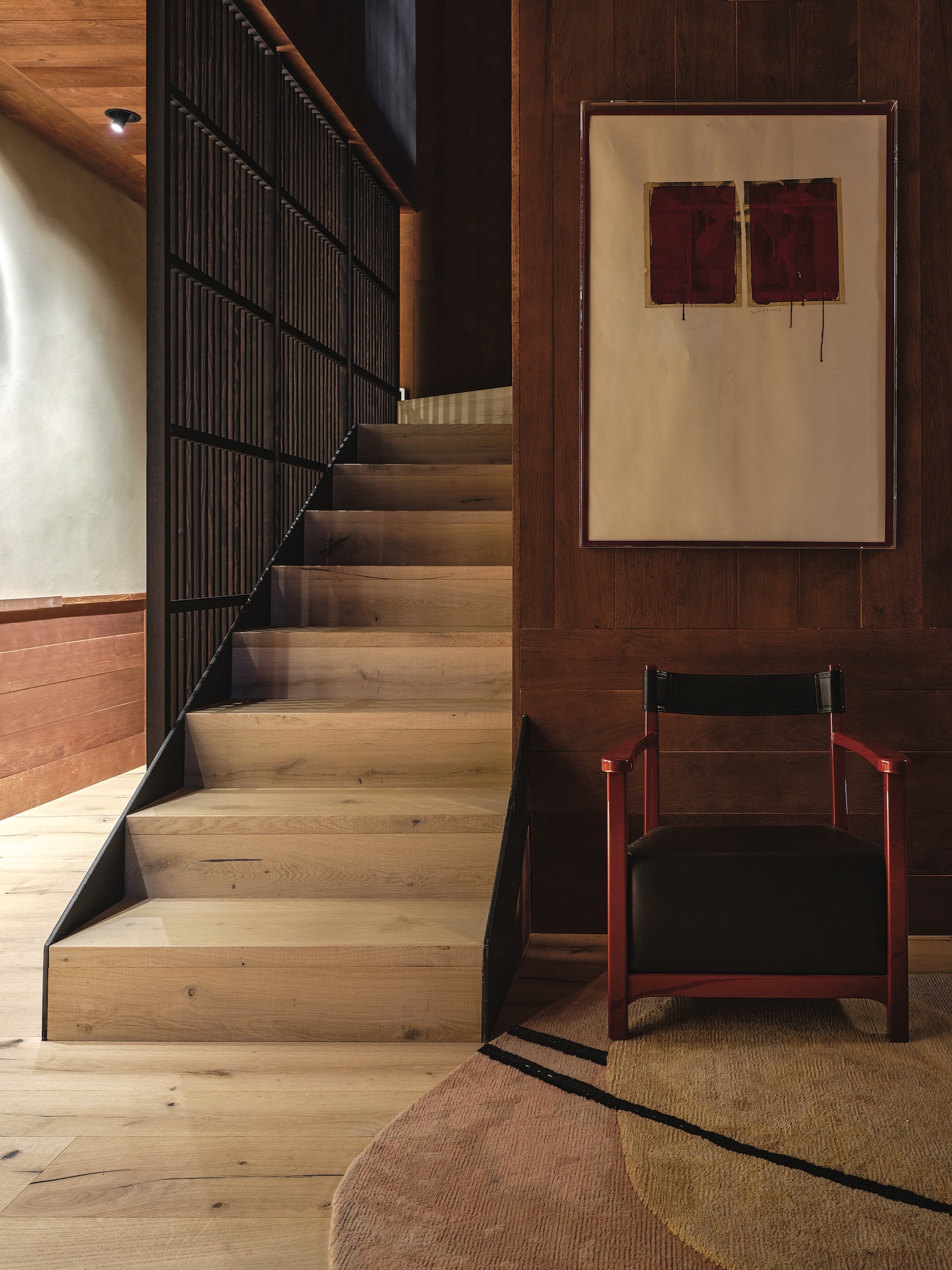
Interiors develop following natural terrain slope presenting diverse accesses where one leads to lower level while another through staircase opens onto large front lawn in direct dialogue with living area. In spaces once housing stable and tool storage, natural light filters through windows relating interior and exterior, demonstrating adaptive reuse transforming agricultural support spaces into contemporary domestic rooms while maintaining spatial character through selective preservation and material continuity.
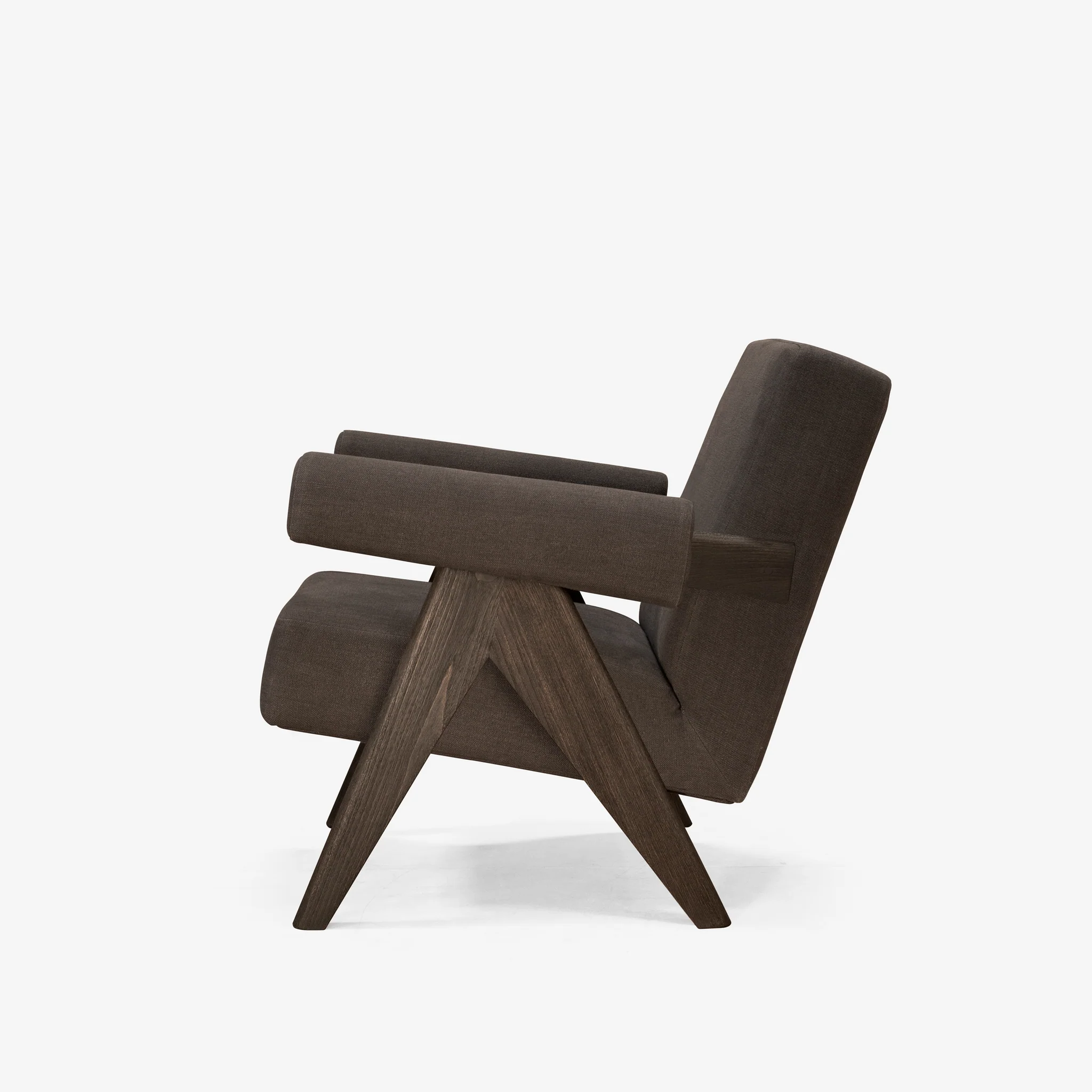
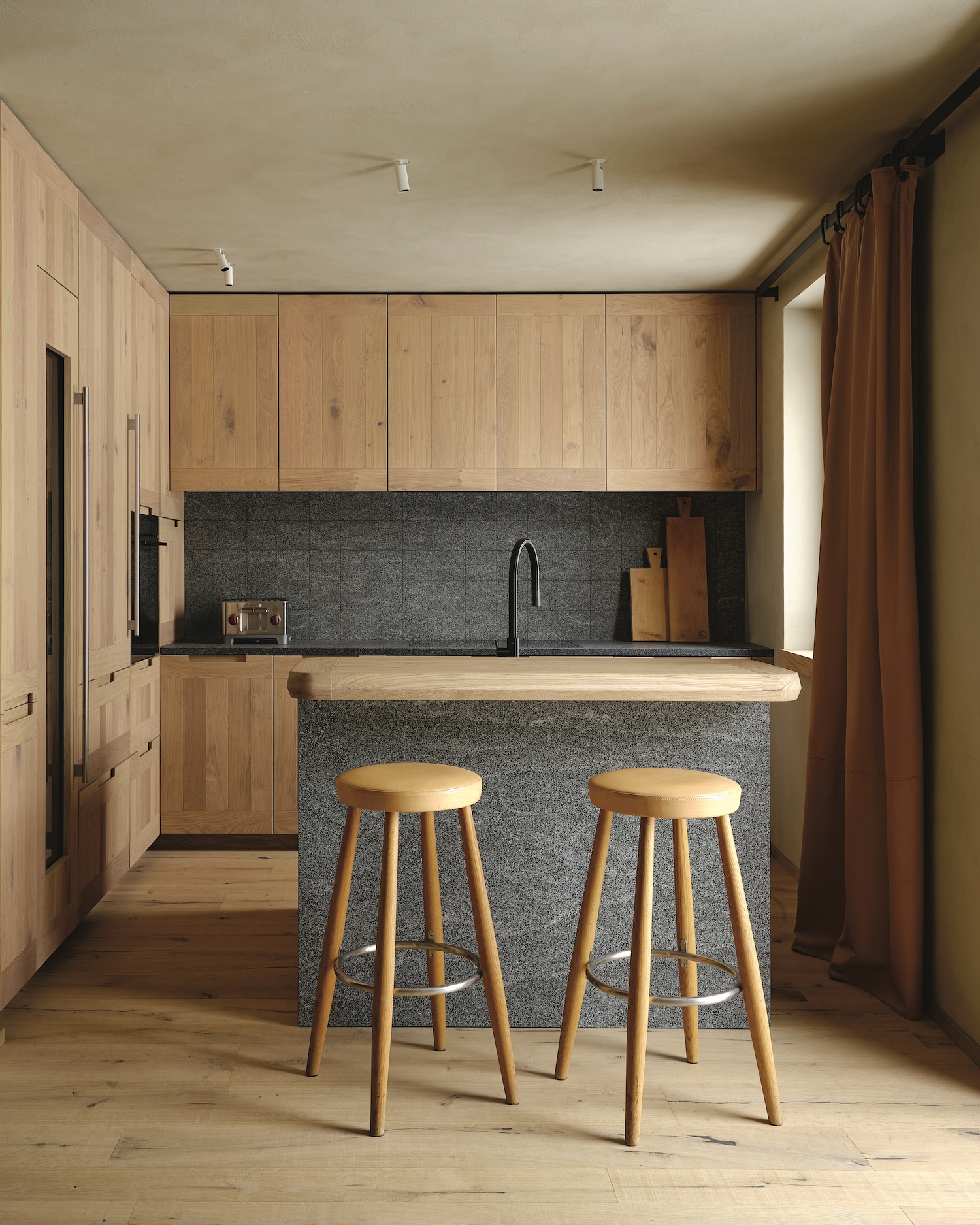
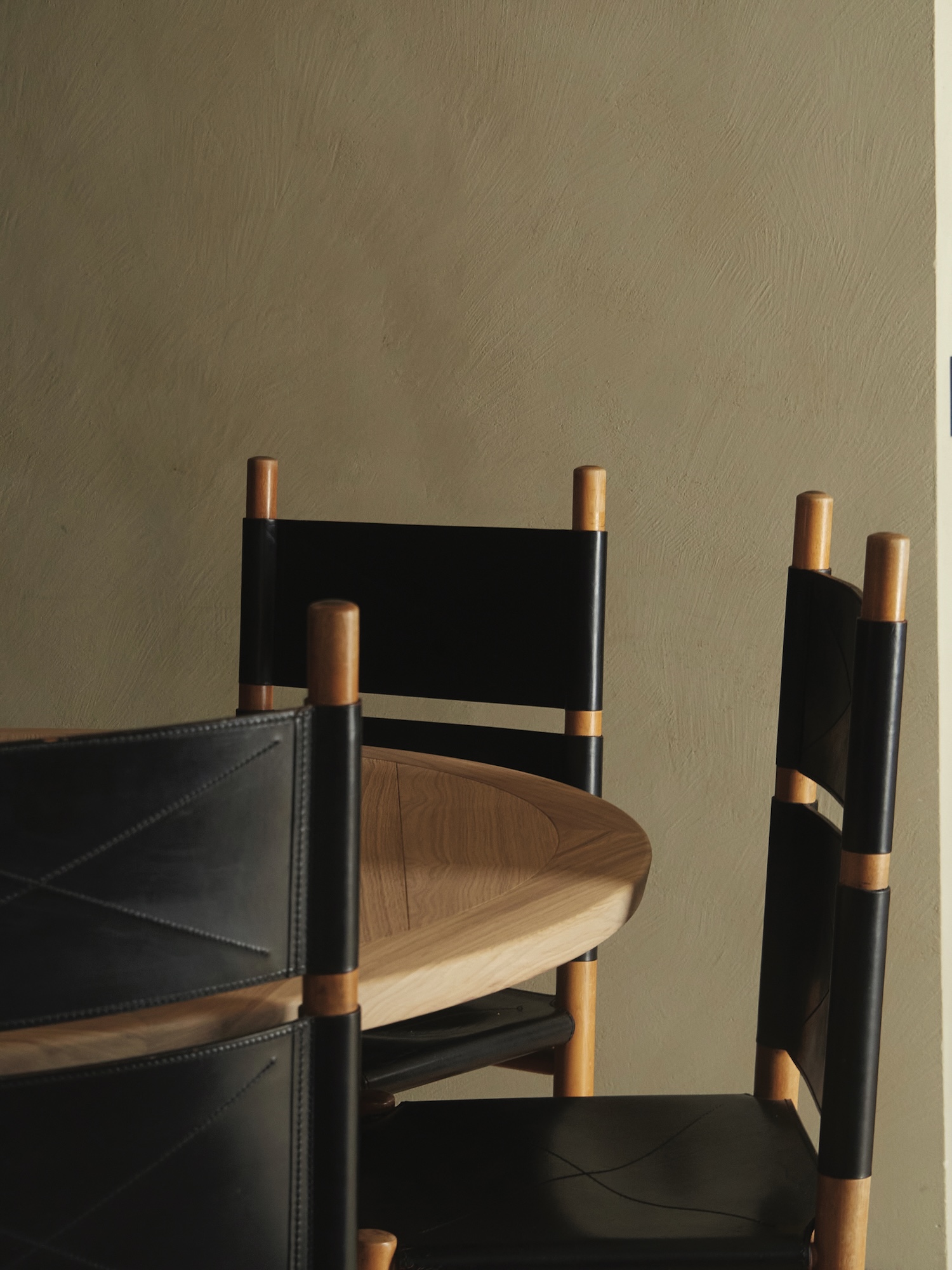
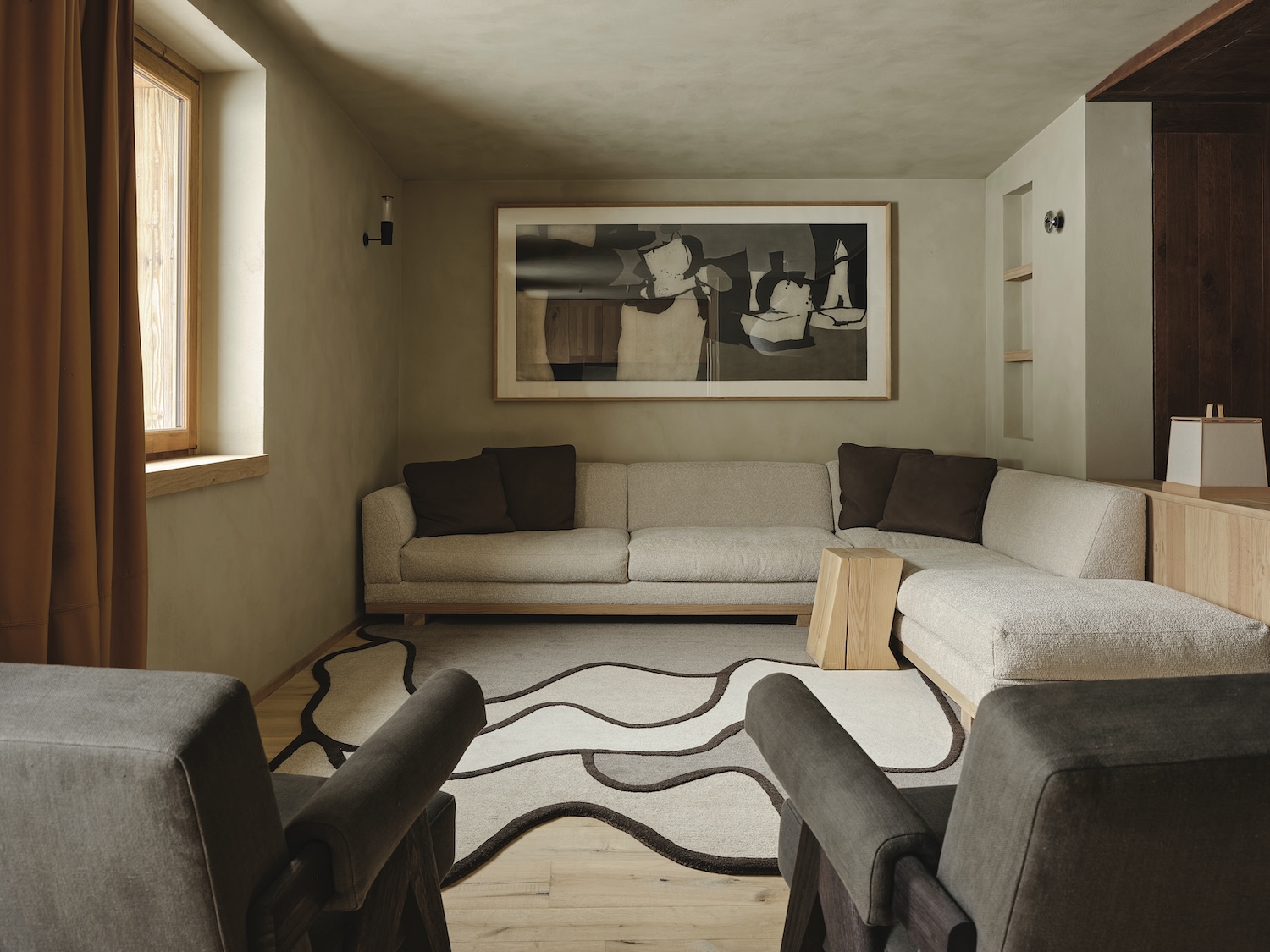
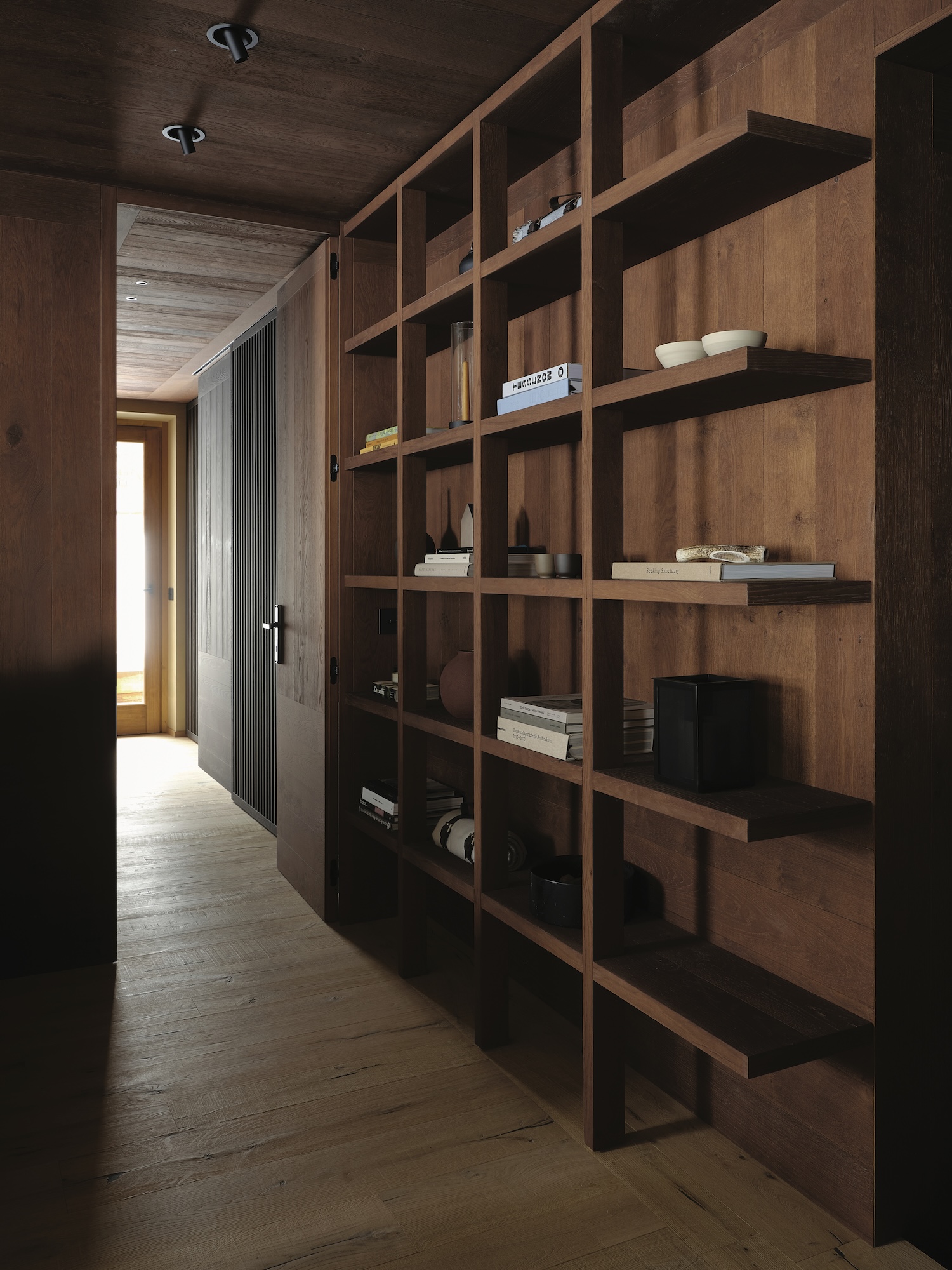
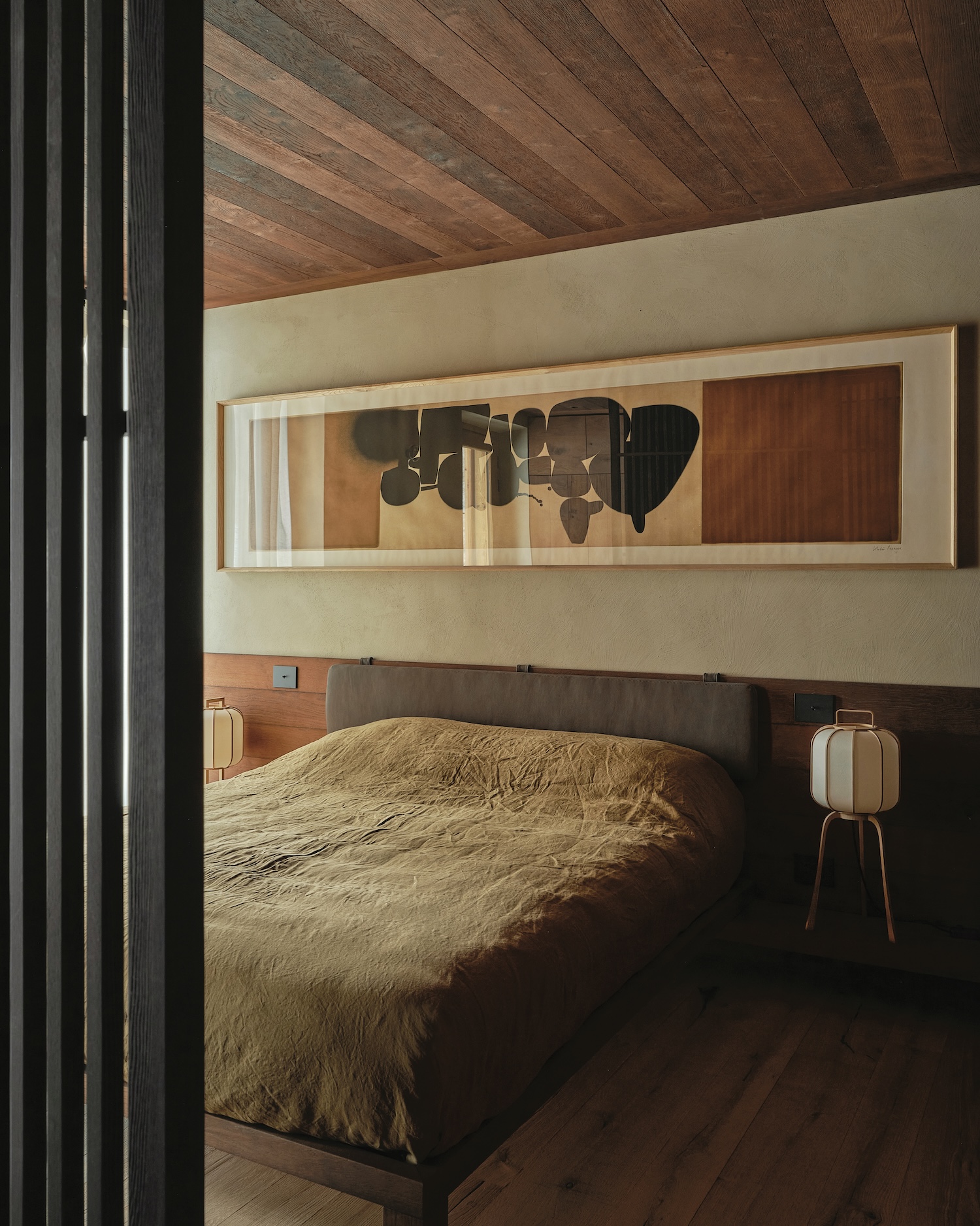
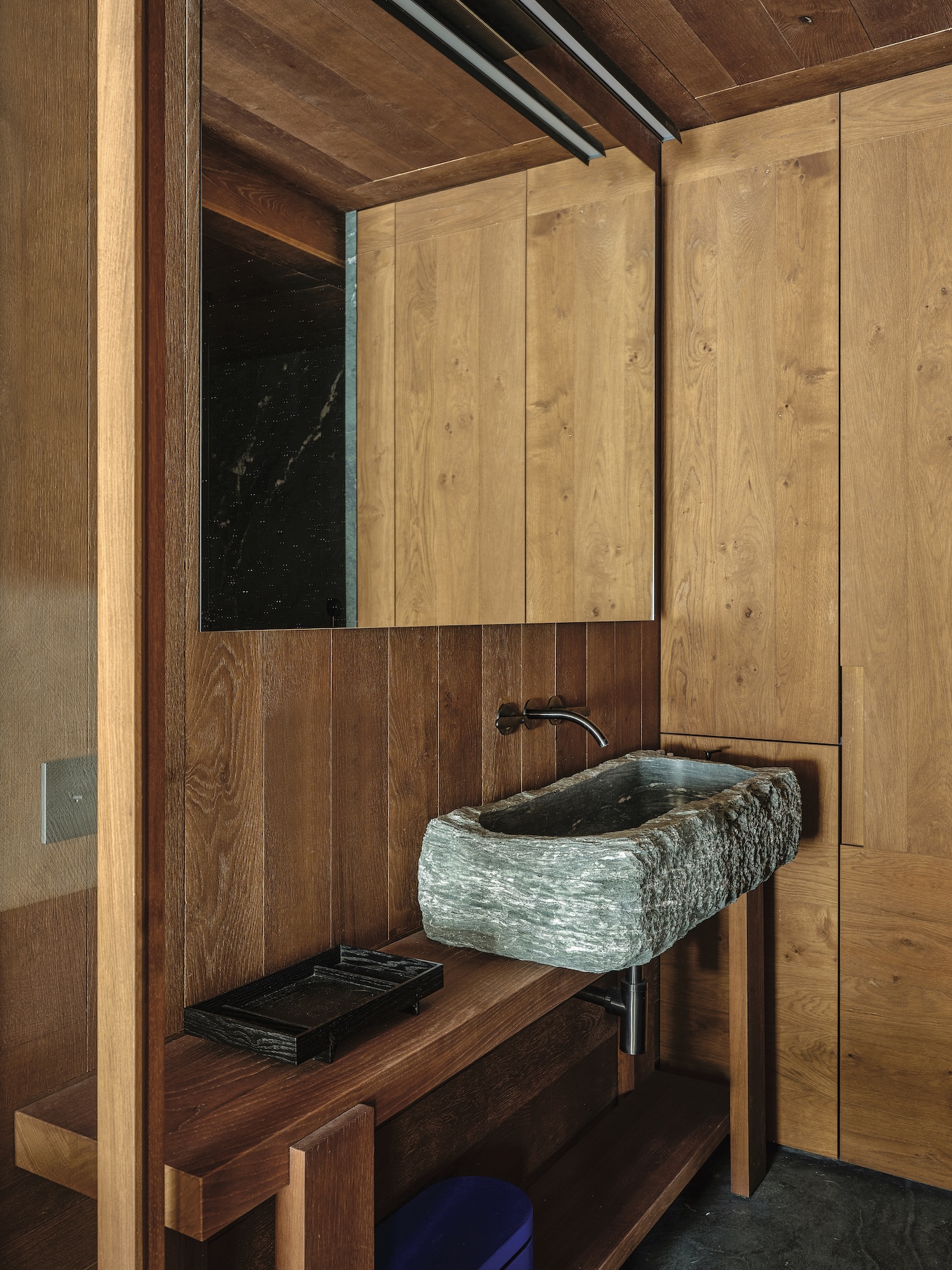
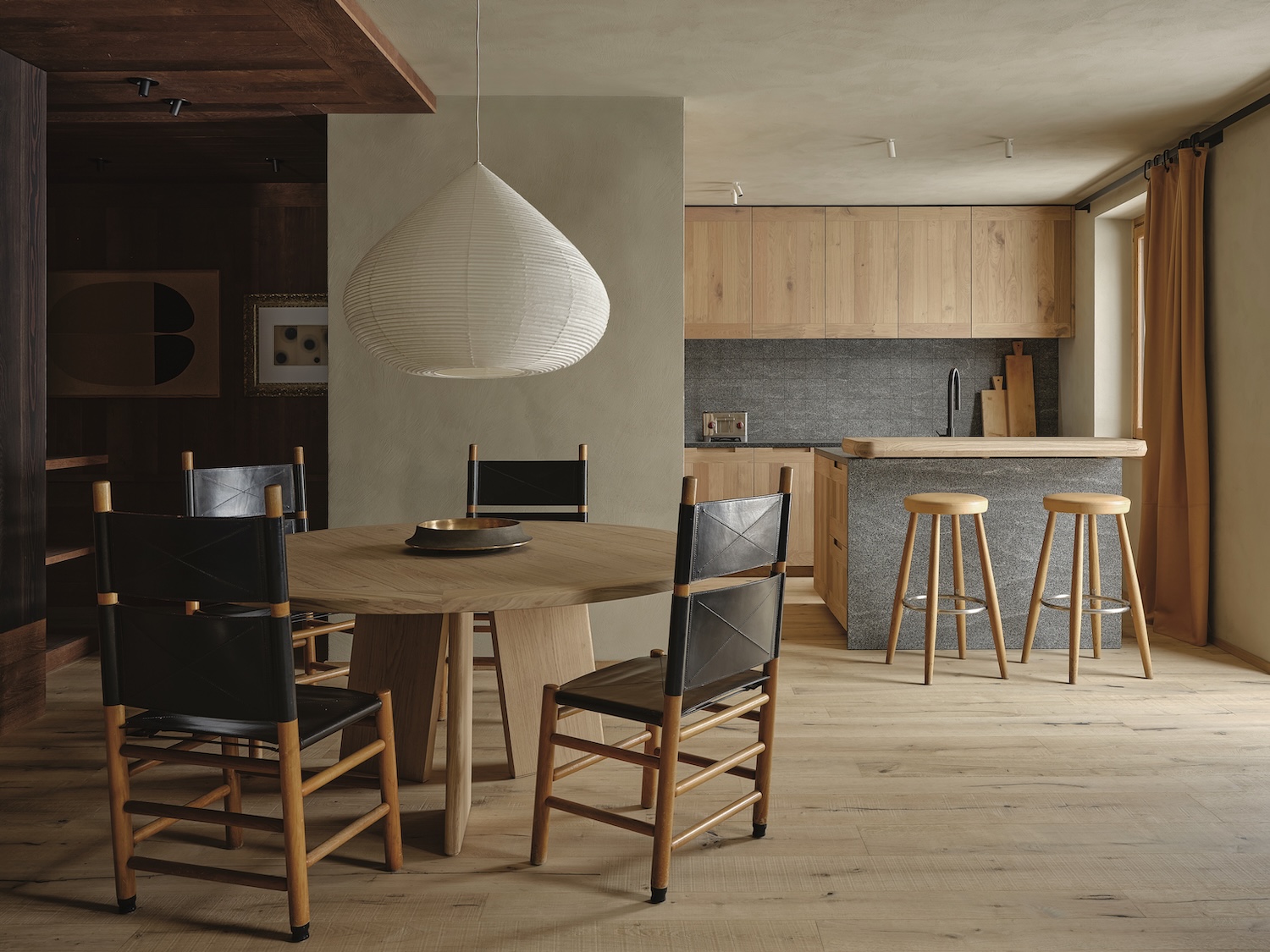
Essential yet characterful interior environment welcomes guests in intimate nature-connected space. Wood in diverse essences including light oak, dark oak, and fir proves protagonist material conferring warm sophisticated tone to spaces. Personal objects, books, artworks, and custom furnishings dialogue in balanced manner while light creates reflections and atmospheres in continuous transformation, demonstrating how restrained material palette can support varied decorative expressions without overwhelming spatial coherence.
The living area reuniting kitchen, lounge, and dining zone designs to valorize every day moment with spaces favoring conviviality and relaxation adapting to seasonal rhythms. Summer opens toward surrounding greenery while winter becomes welcoming refuge with fireplace as domestic space fulcrum, demonstrating how Alpine residential design must address dramatic seasonal variations where summer and winter occupancy patterns require different spatial relationships and environmental control strategies.