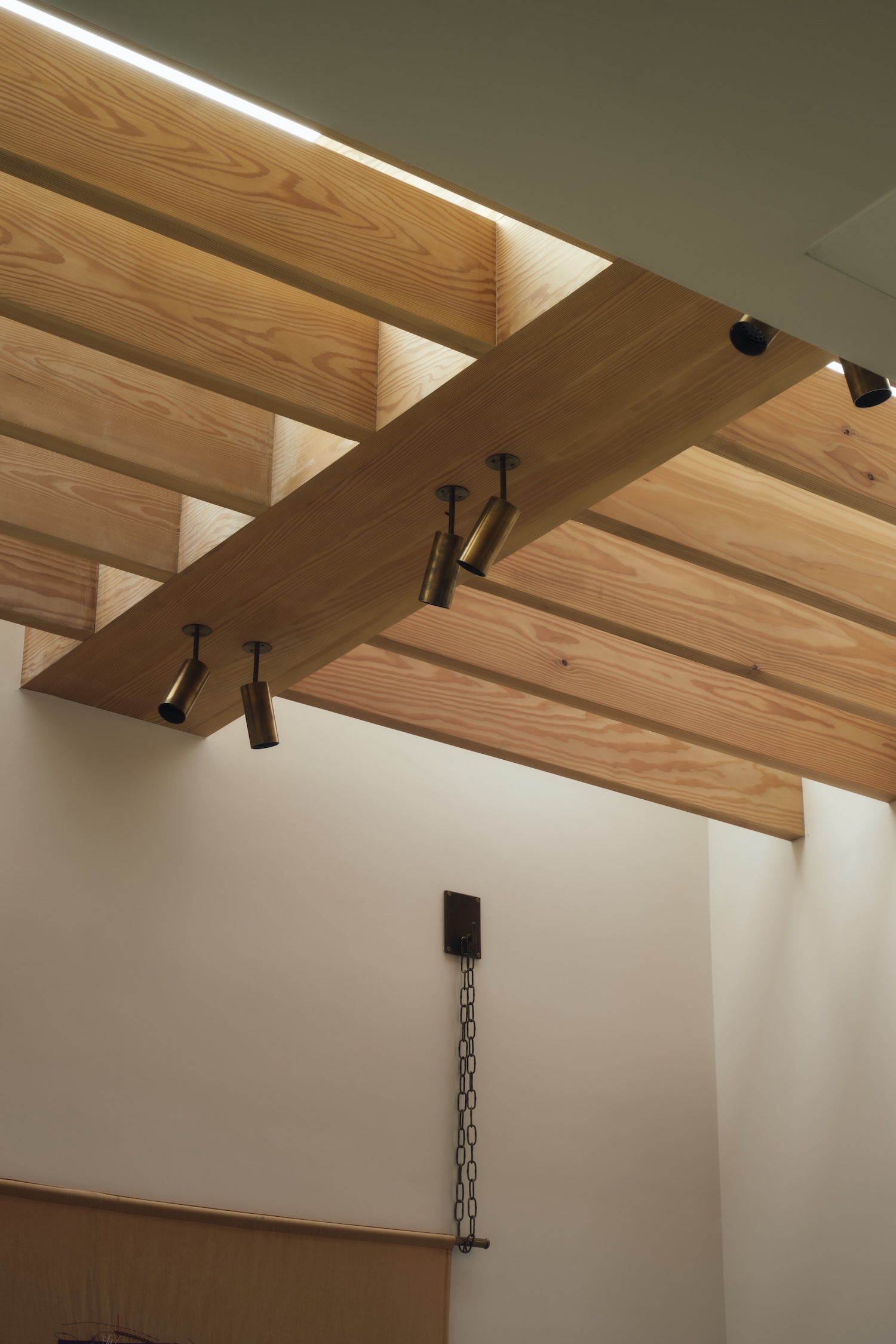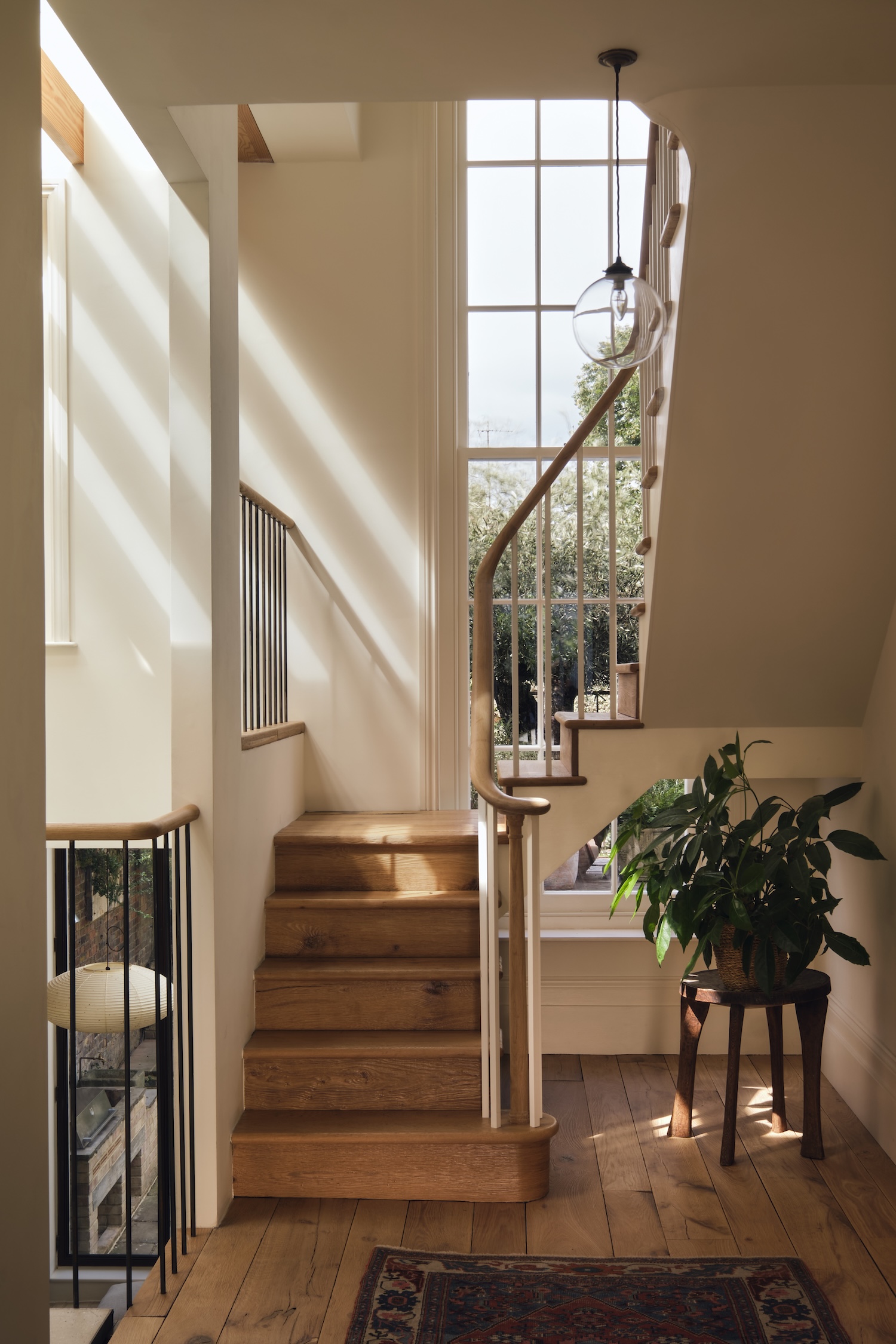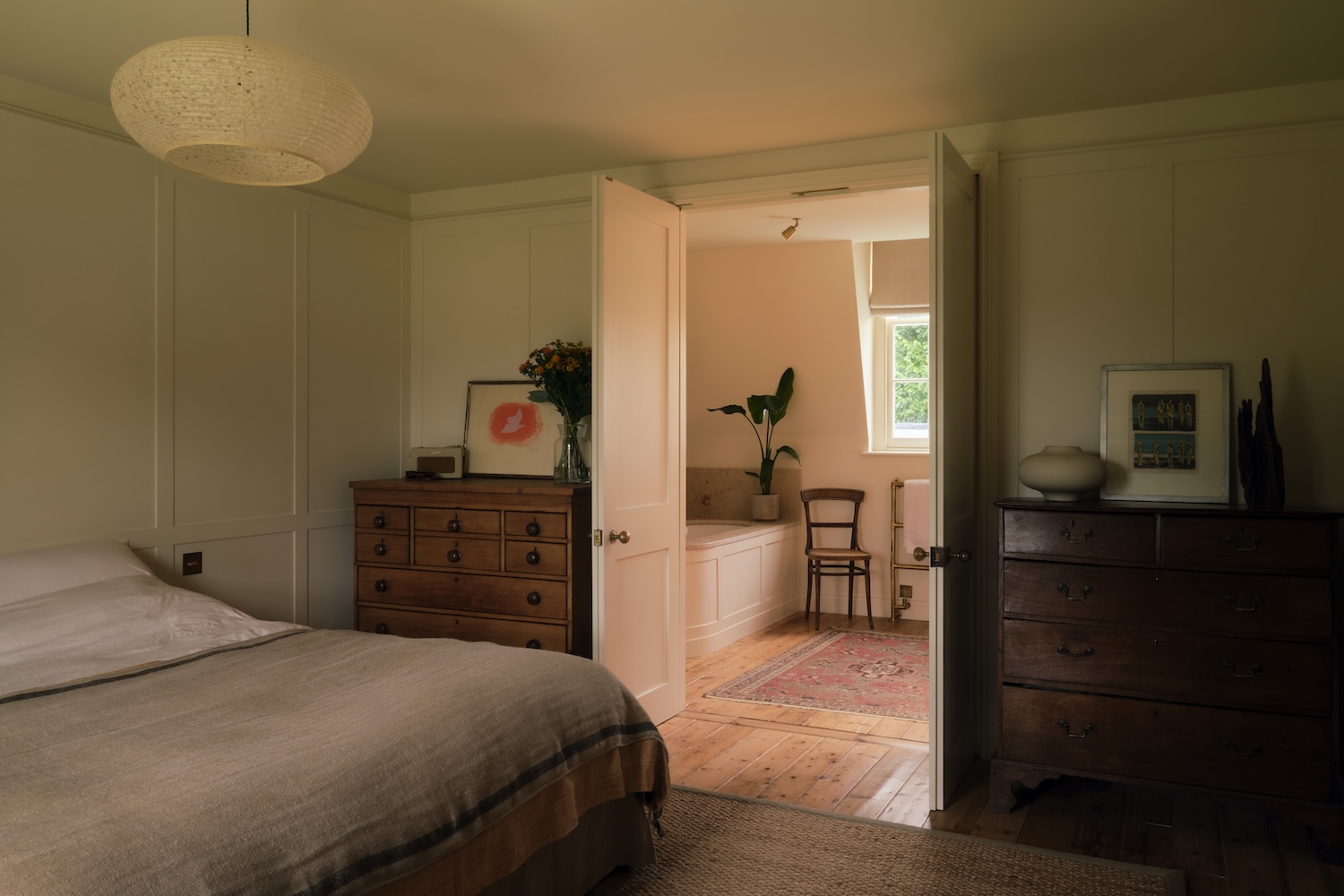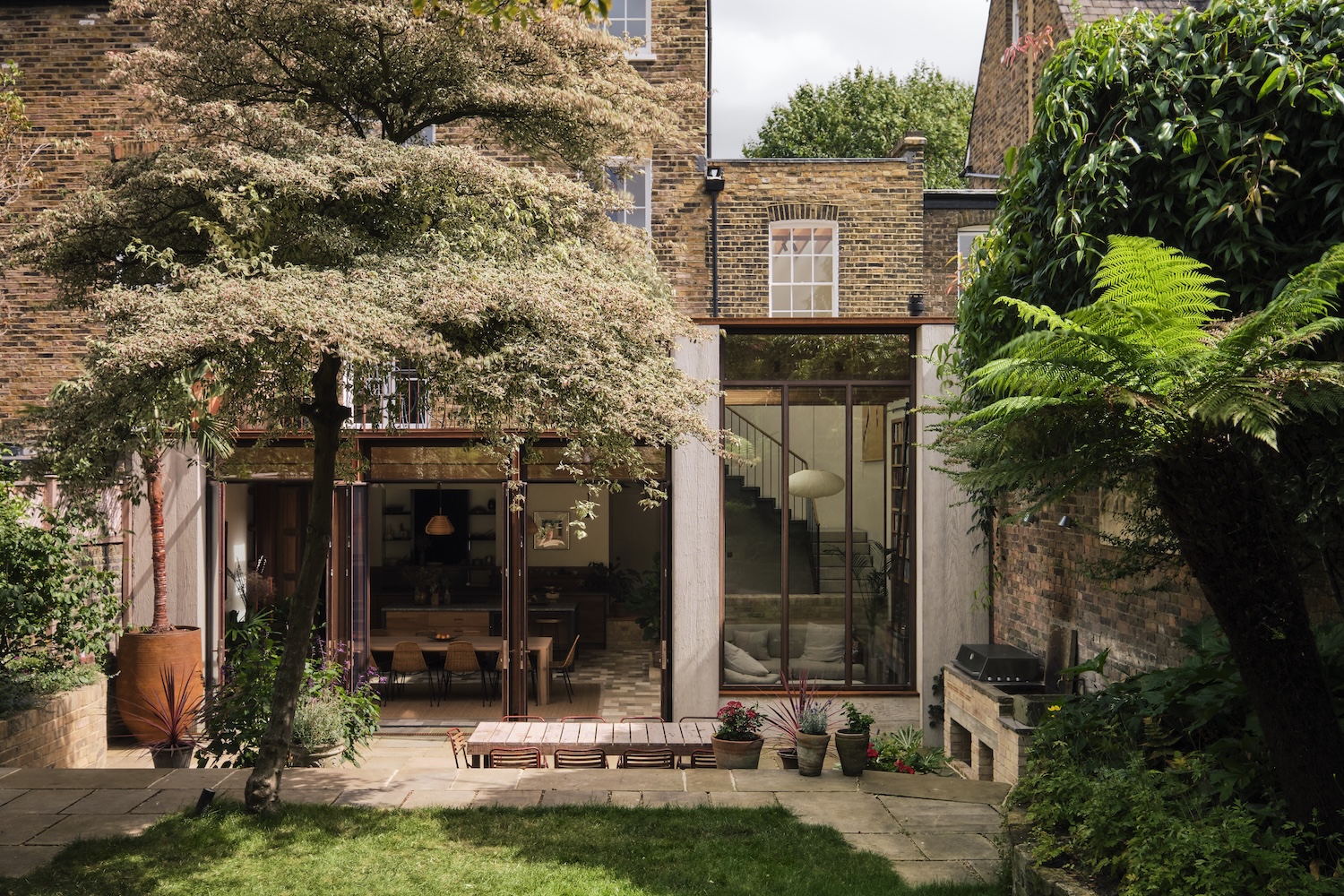
De Beauvoir Townhouse is a minimalist residence located in London, United Kingdom, designed by Mosley Thorold. The most consequential intervention in this Victorian renovation is one most visitors will never consciously register: the staircase. In the home’s previous iteration, a poorly positioned stair choked the entrance and fractured the plan into disjointed rooms. Mosley Thorold treated circulation as the project’s primary design problem rather than an afterthought, removing an obstructive study and repositioning the stairwell within its footprint. The result is a void that channels daylight into what had been the darkest part of the plan, and a sightline that runs from the front door through a grand sash window to the garden beyond. The journey downstairs became the organizing idea, with the space opening up progressively as you descend.
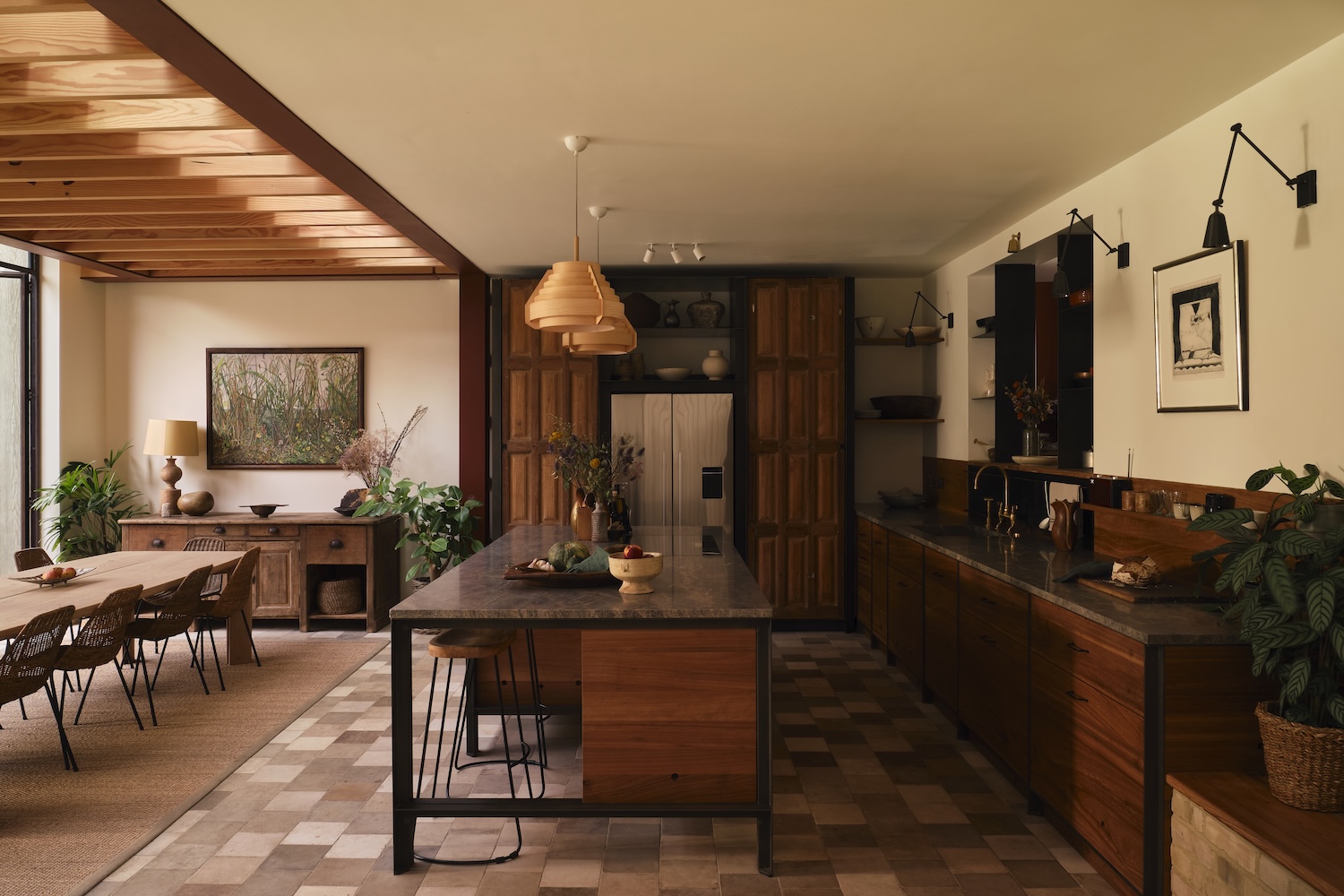
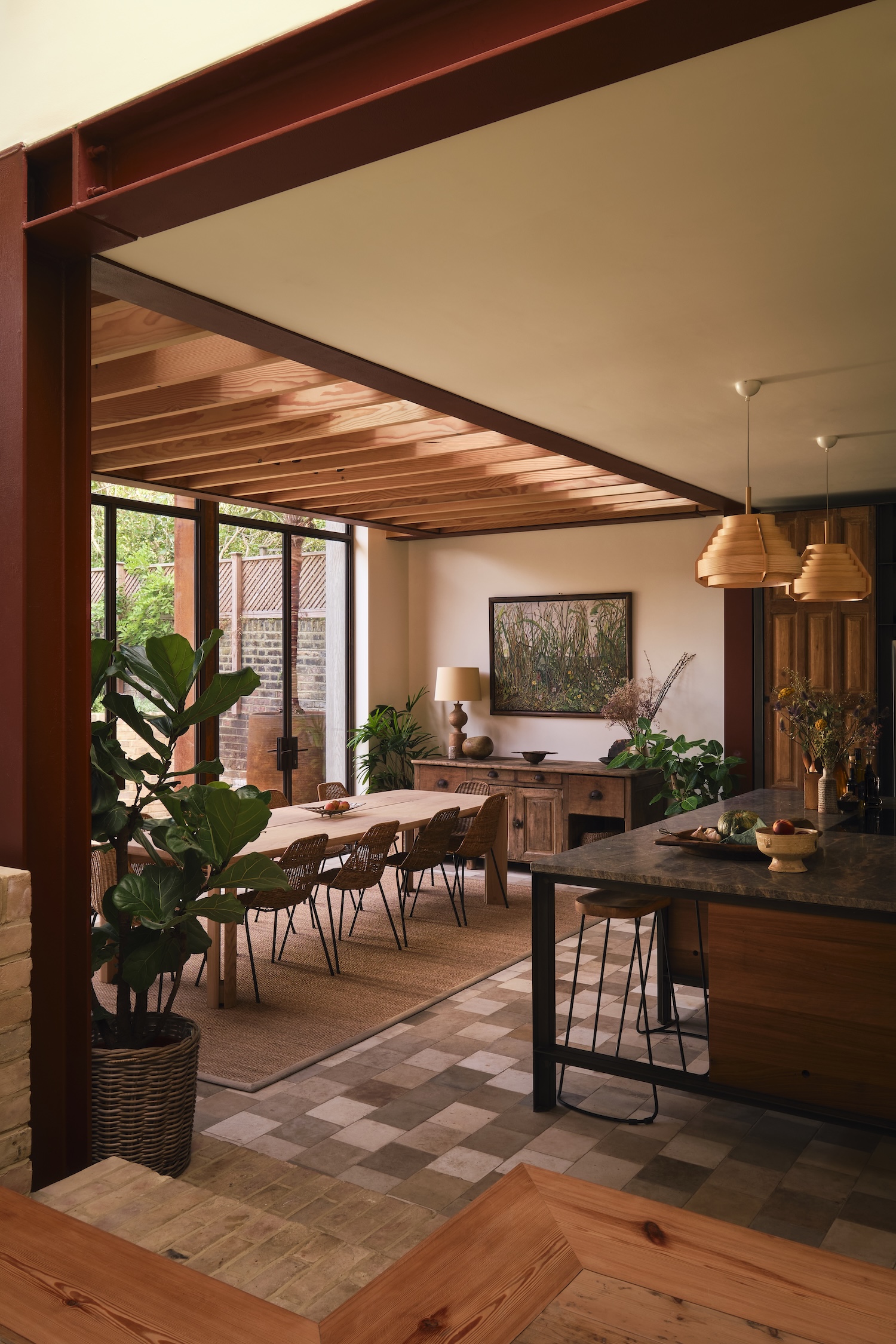
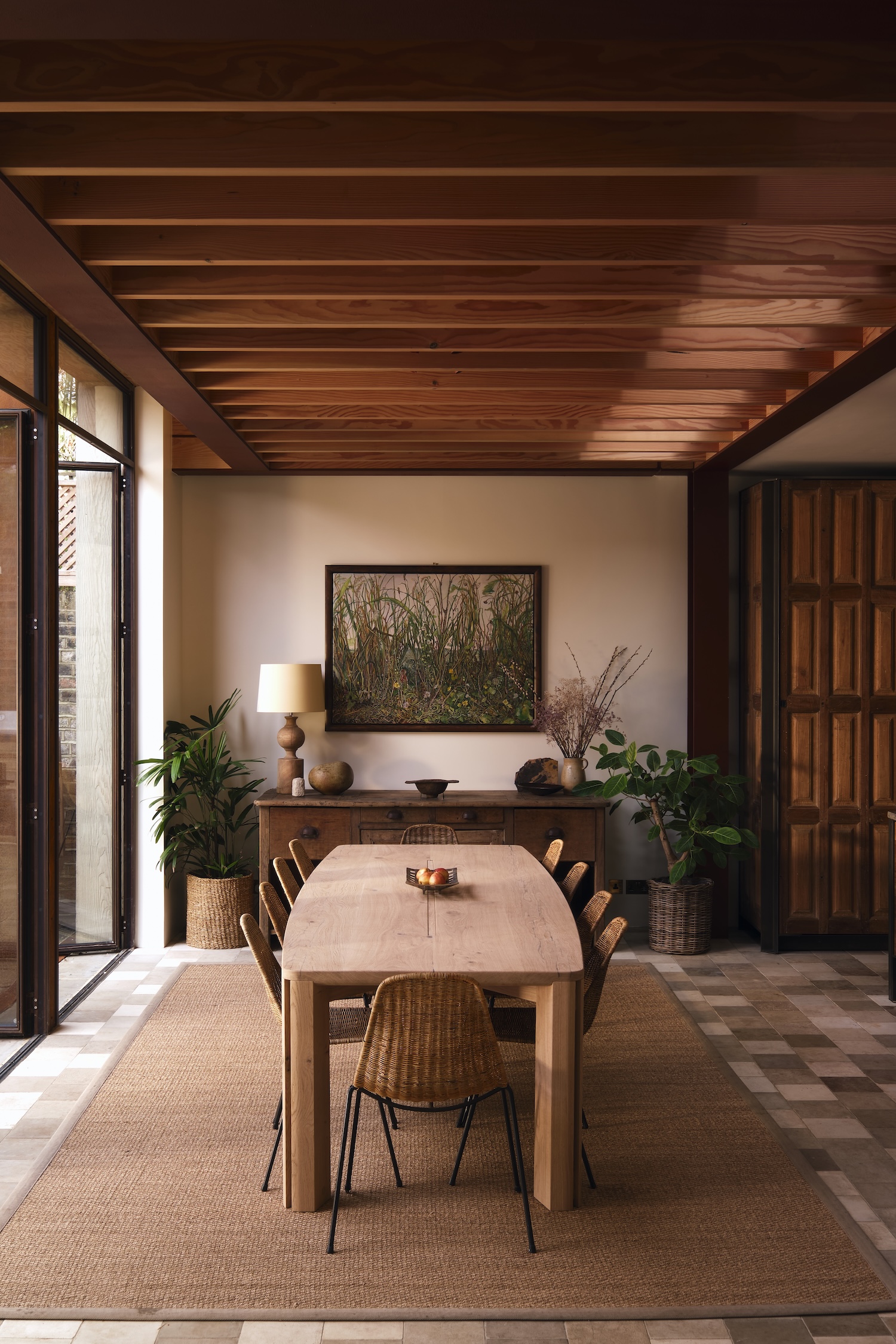
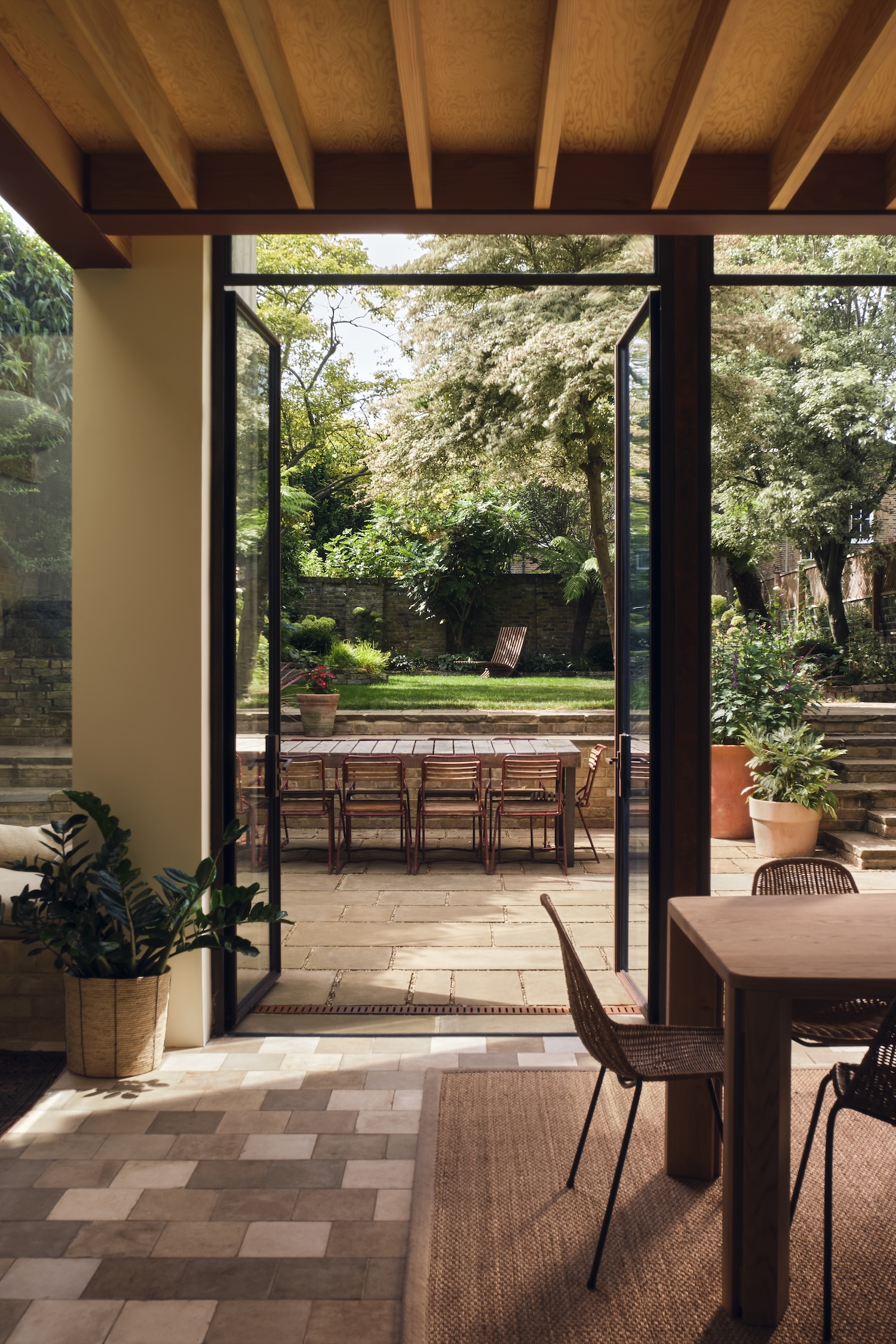
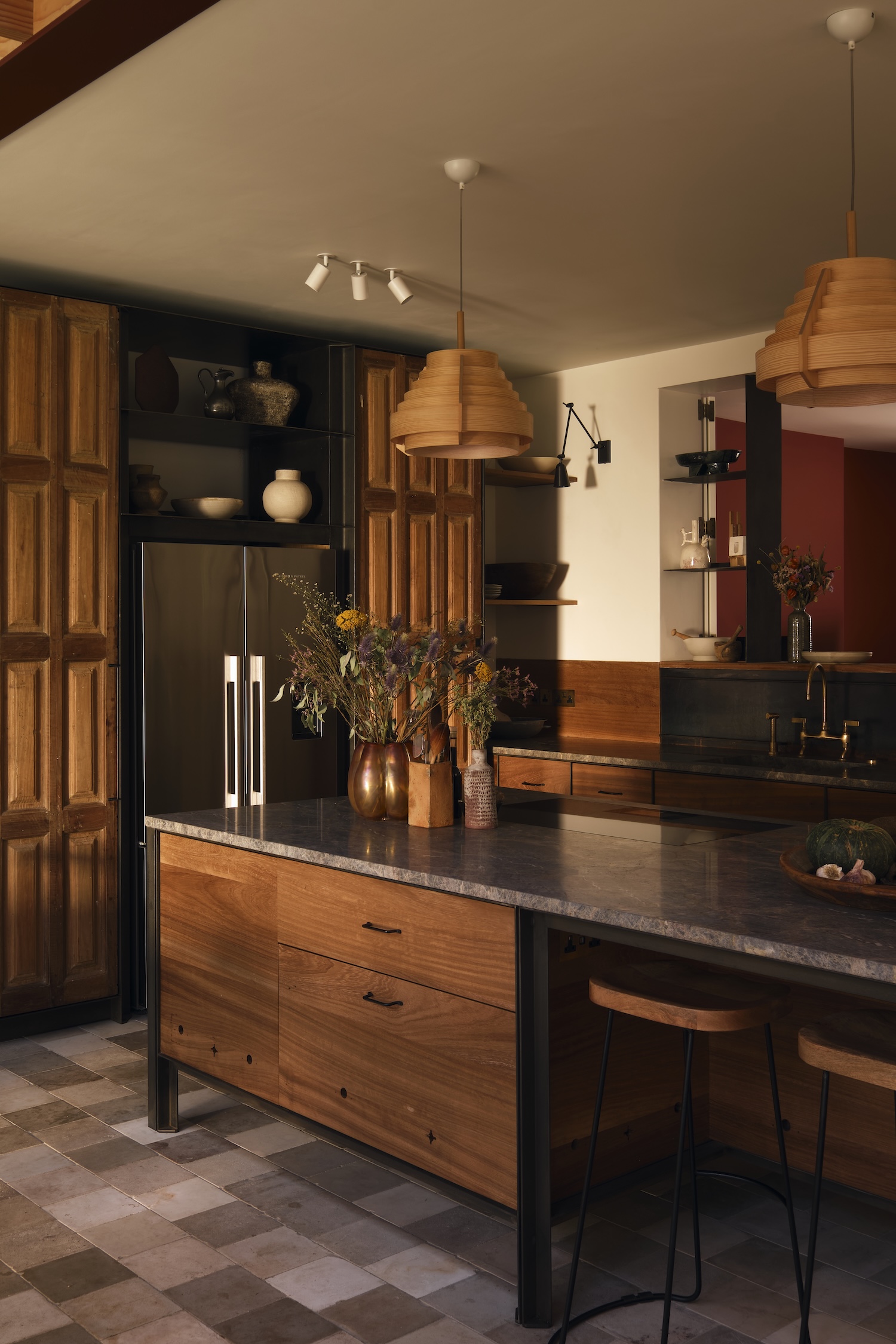
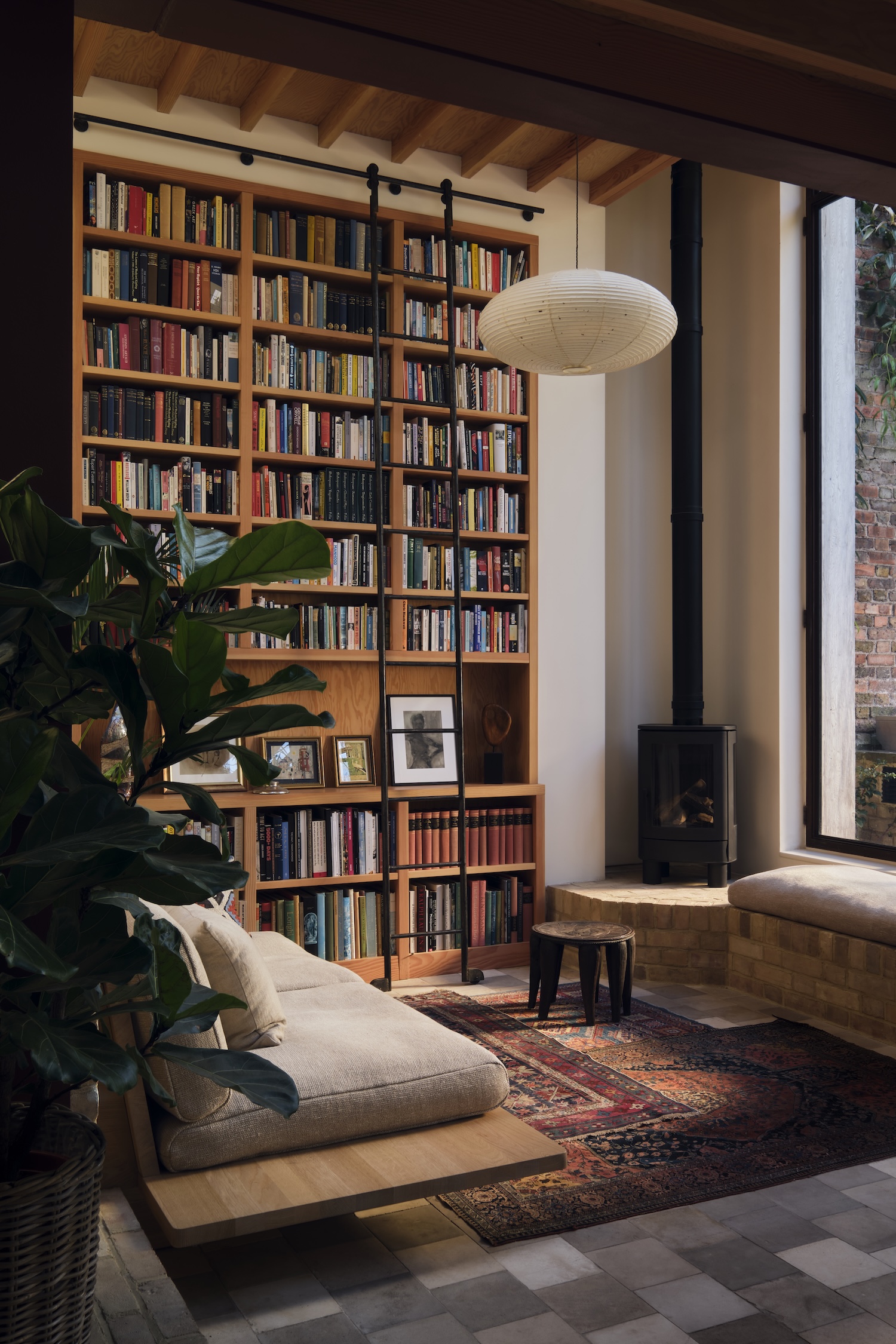
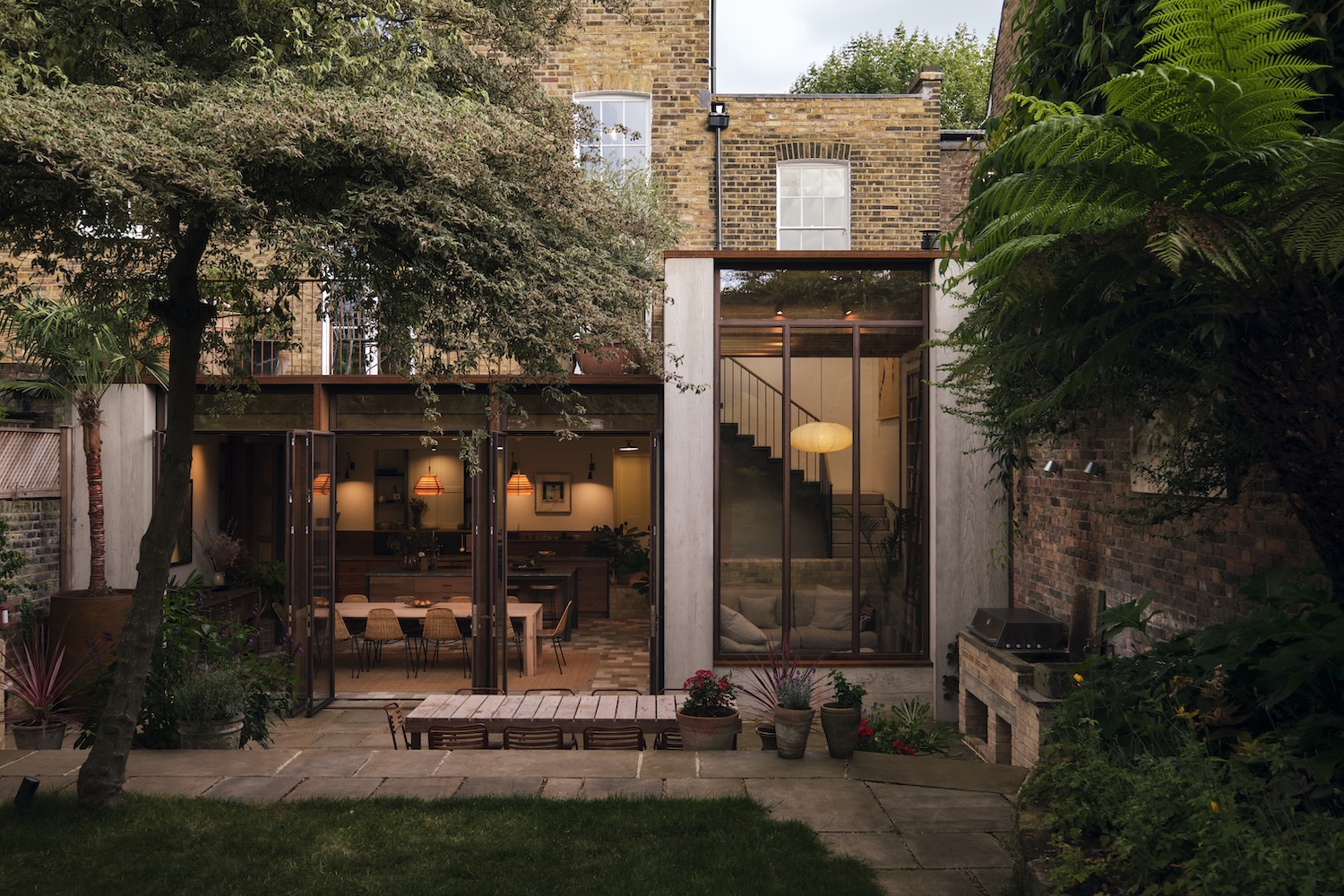
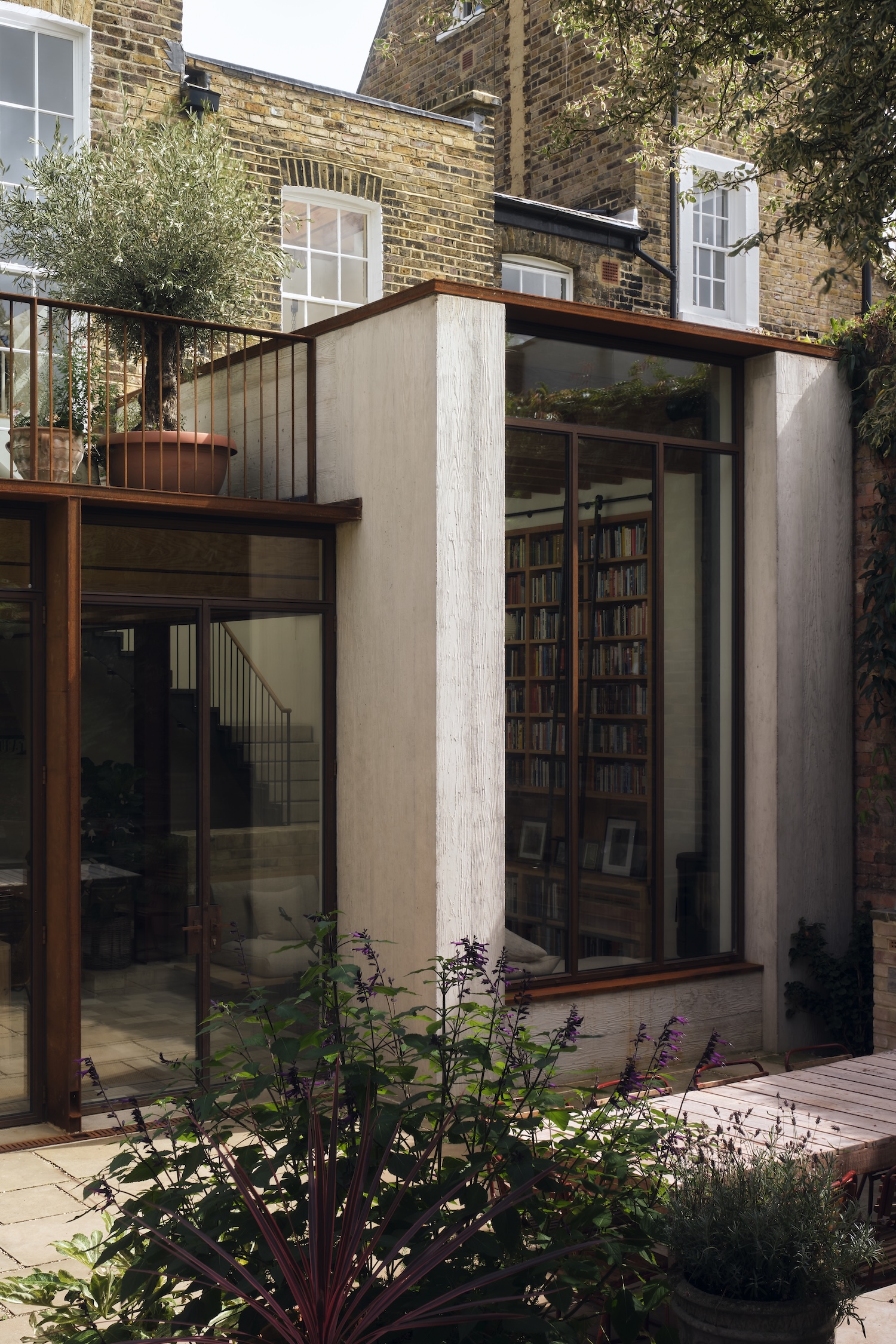
That sequence unfolds as a series of reveals: a double-height sash window, a top-lit corridor, then the transition into the lower ground extension. By dropping the kitchen, dining area, and reading nook 600 millimeters below the original floor level, the practice gained ceiling height, sharpened the zoning, and tightened the connection to the garden. The kitchen now operates as the home’s nucleus, anchored by a dining table the firm designed with the client as an object meant to offer an embrace to those gathered around it. Wide glazed doors dissolve the threshold between the lowered patio and the interior.
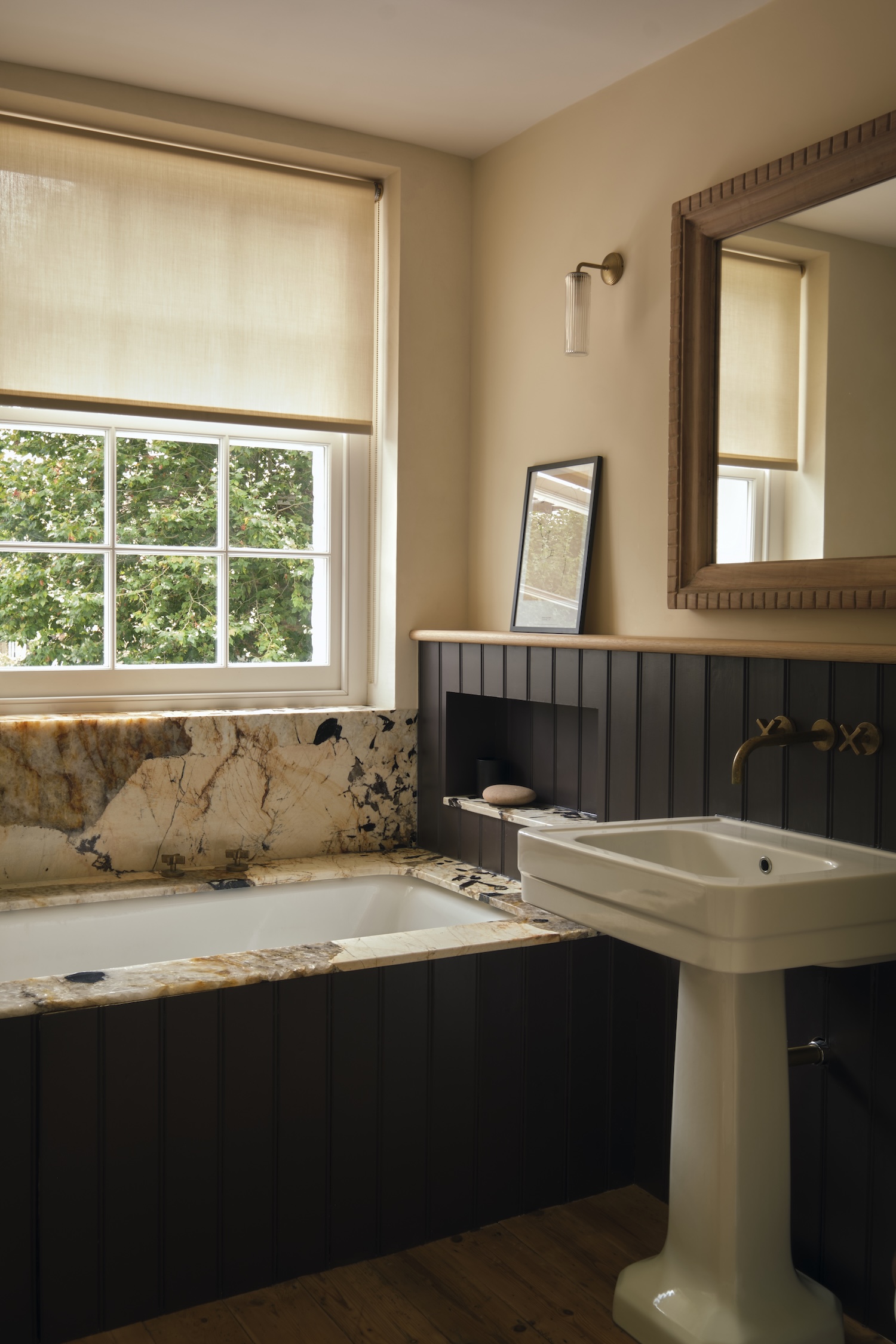
Seventeenth-century Italian shutters have been reworked as kitchen doors, nineteenth-century cement tiles return to the floor, and hand-selected bricks carry the patina of earlier lives. This is not nostalgia but a position on dwelling, the conviction that surfaces accruing age and history make a house worth inhabiting over the long term. The approach demanded close work with metalworkers, a kitchen maker, specialist joiners, and a stonemason, the kind of trade collaboration that disappears from most residential construction.
Set against this warmth is a deliberate counterweight in board-marked concrete on the external kitchen facades. The technical ambition is easy to miss and worth dwelling on. The team sandblasted timber boards to raise their grain, then cast the concrete against them so the surface would register that relief in negative. They poured it in a single continuous lift without junctions, a choice that required bespoke formwork and a steel column system engineered to bear the pressure of the pour independently of the party wall. The reasoning, articulated by founding director Nathaniel Mosley, is that Victorian builders celebrated what materials could do, and contemporary practice should pursue that same craft-led spirit with the tools now available.