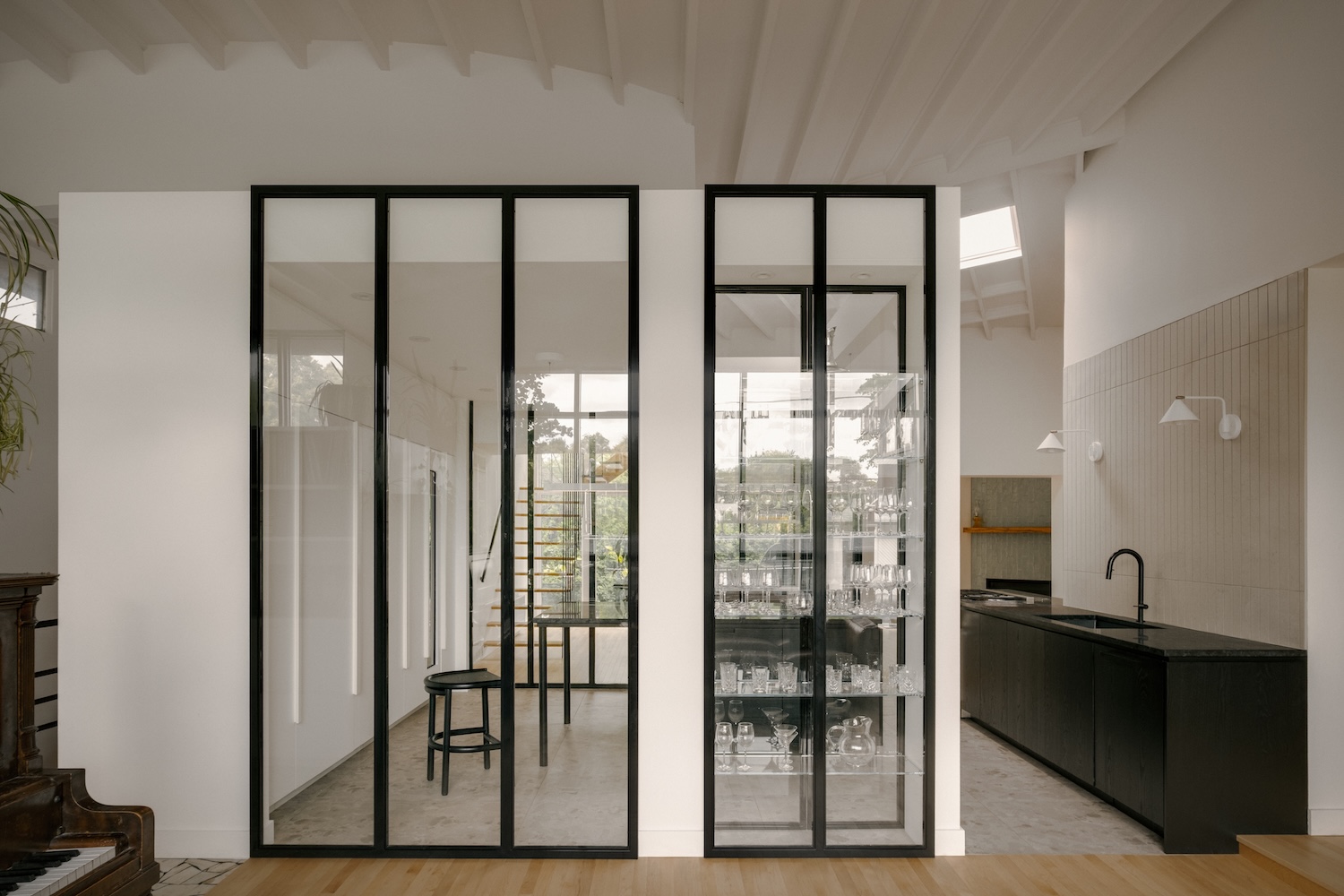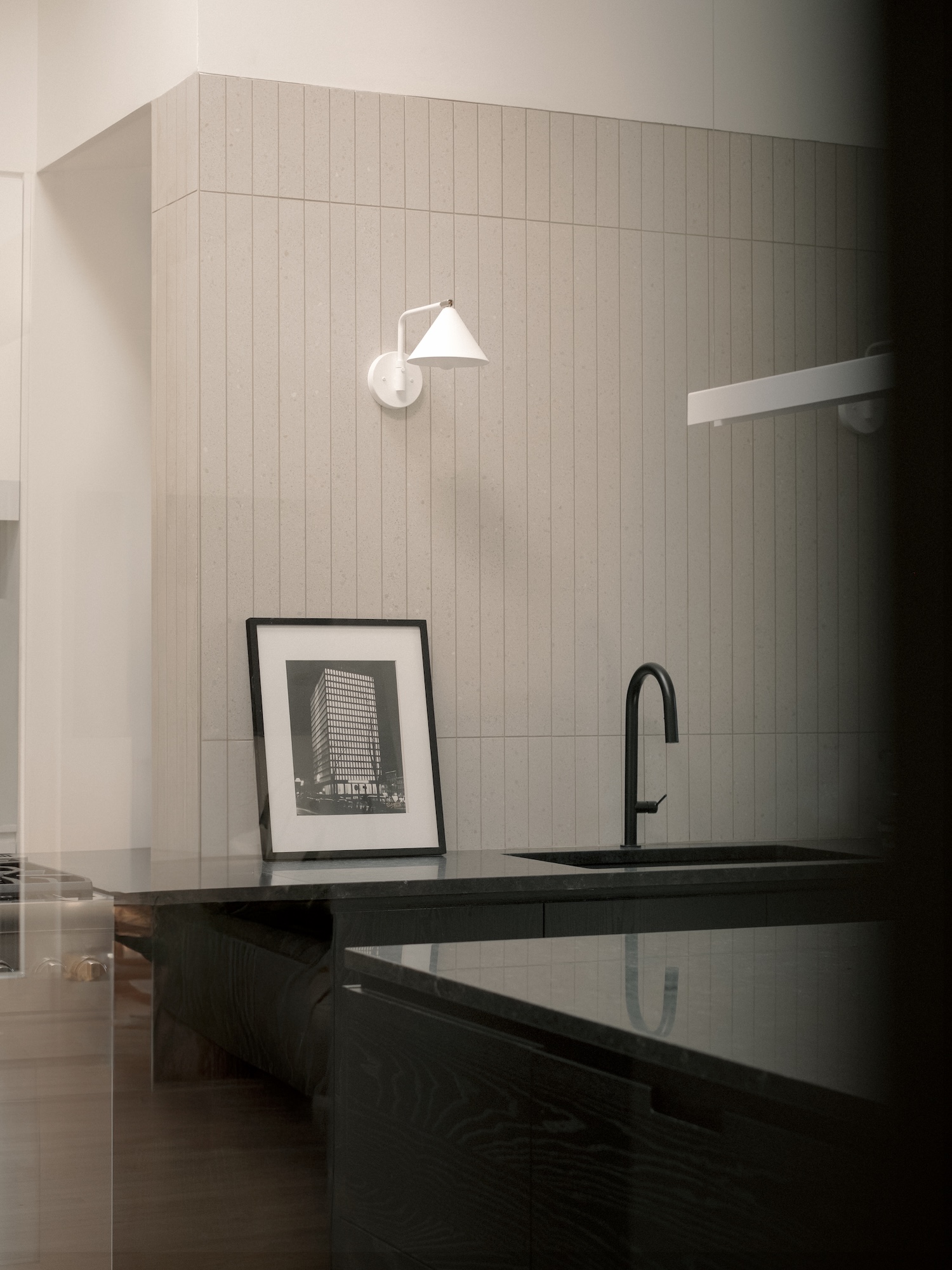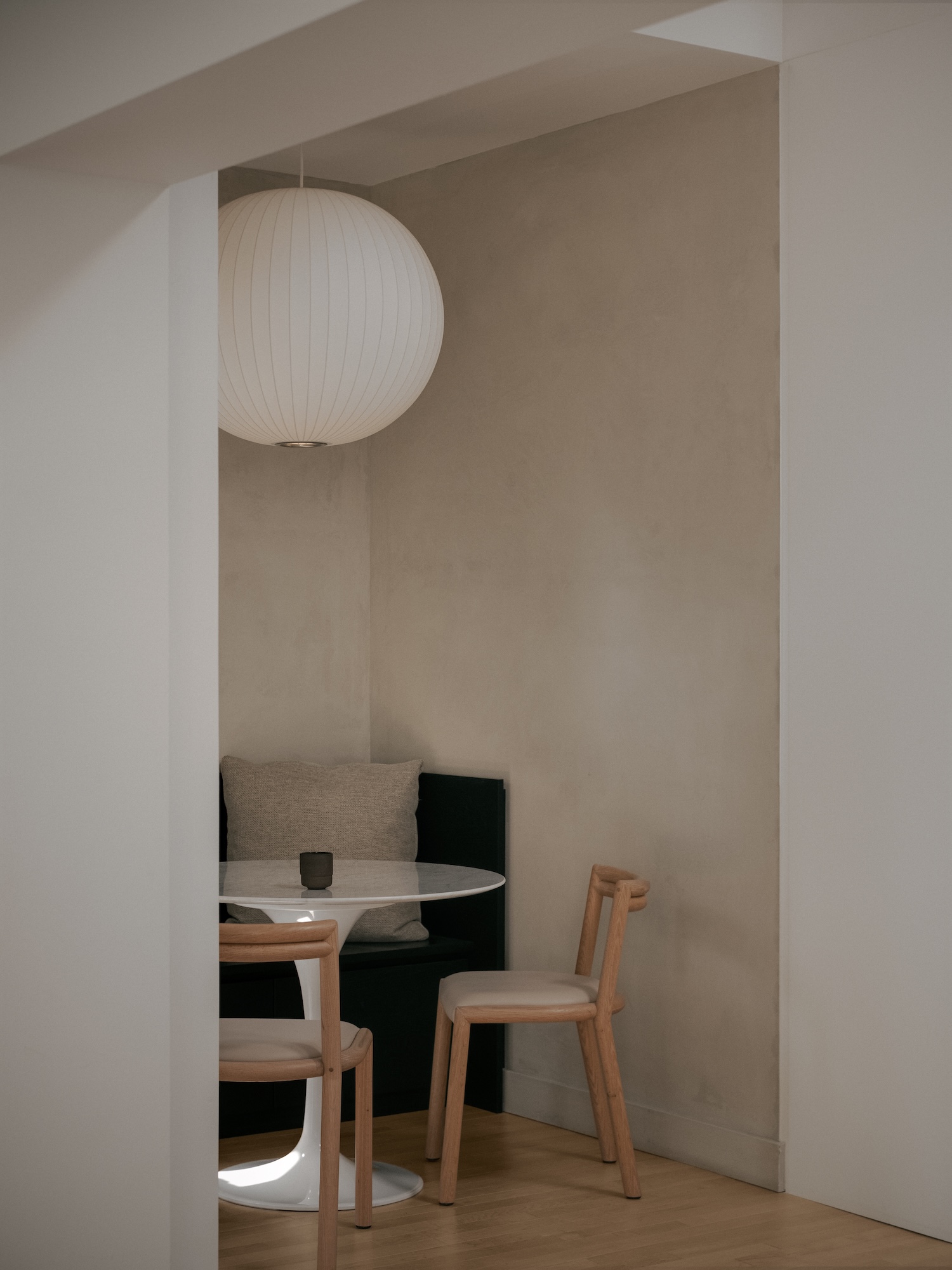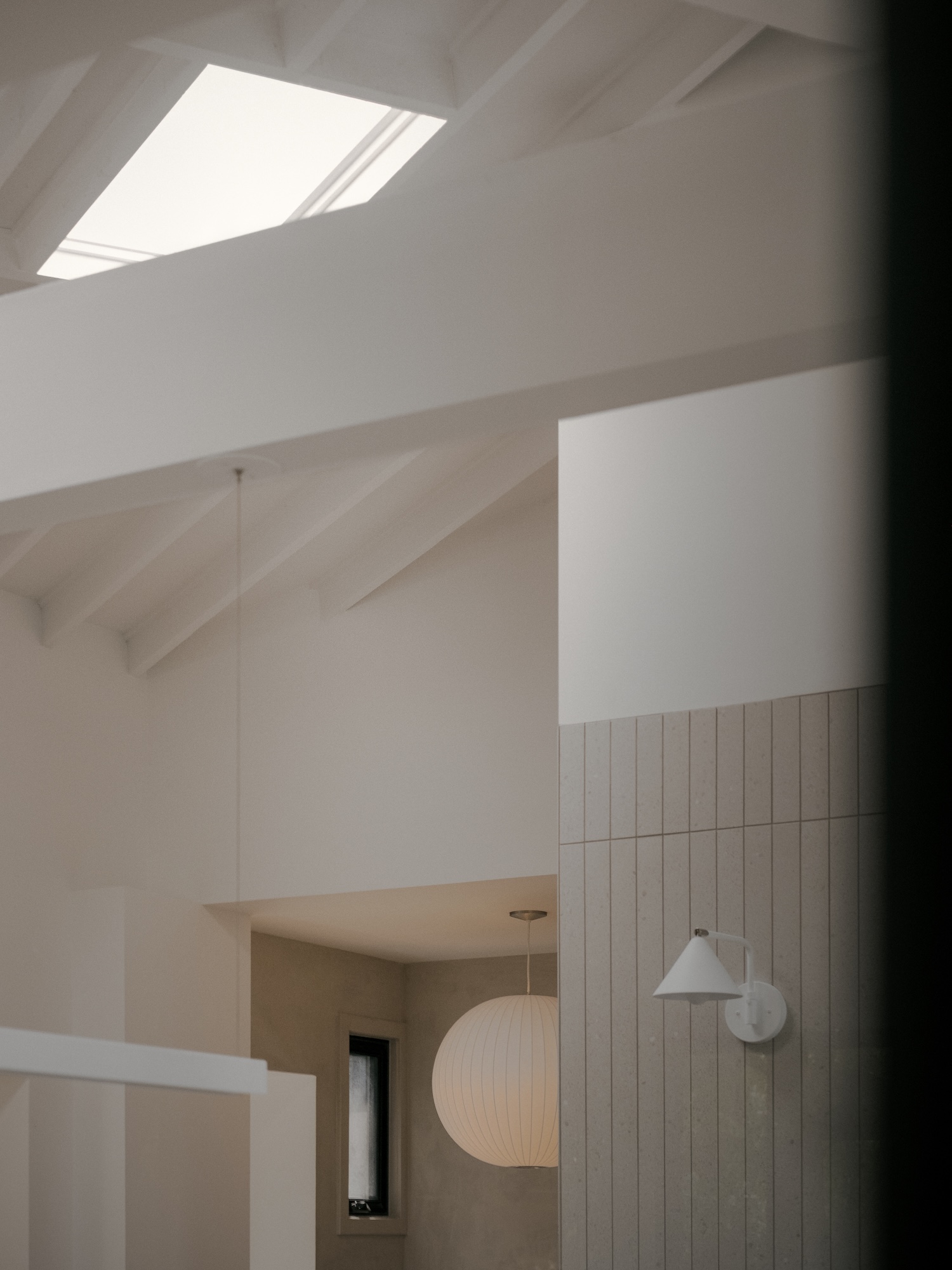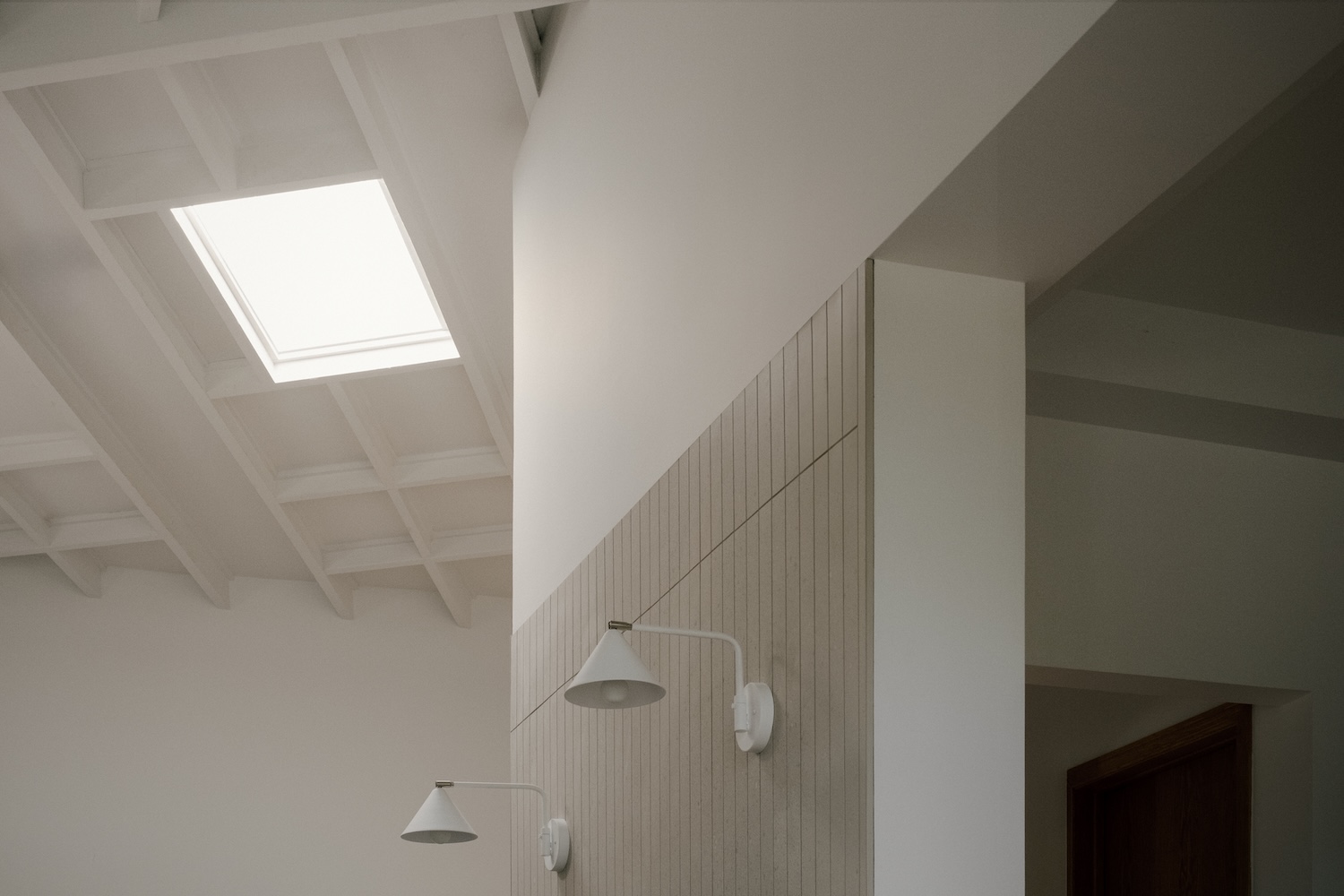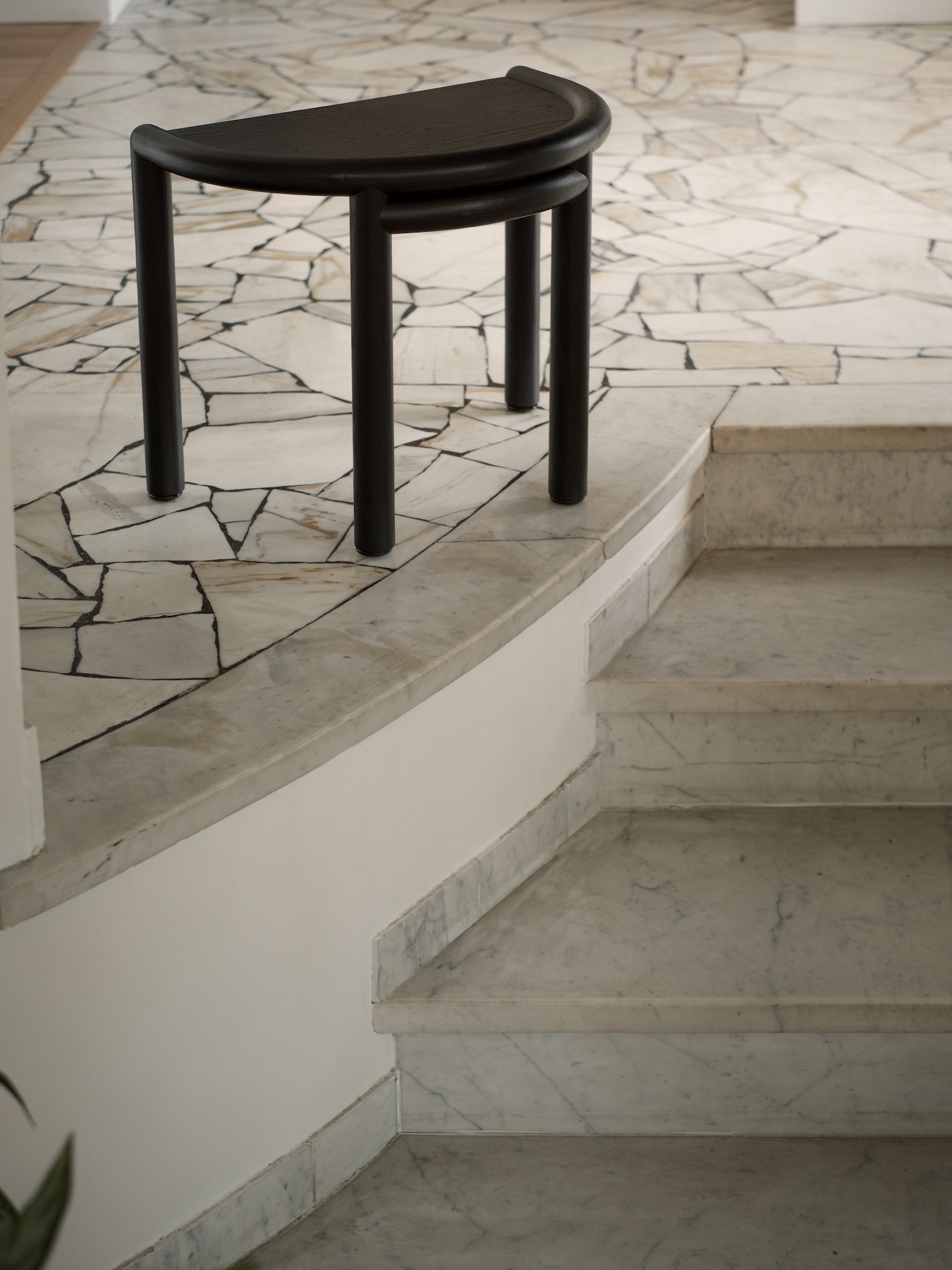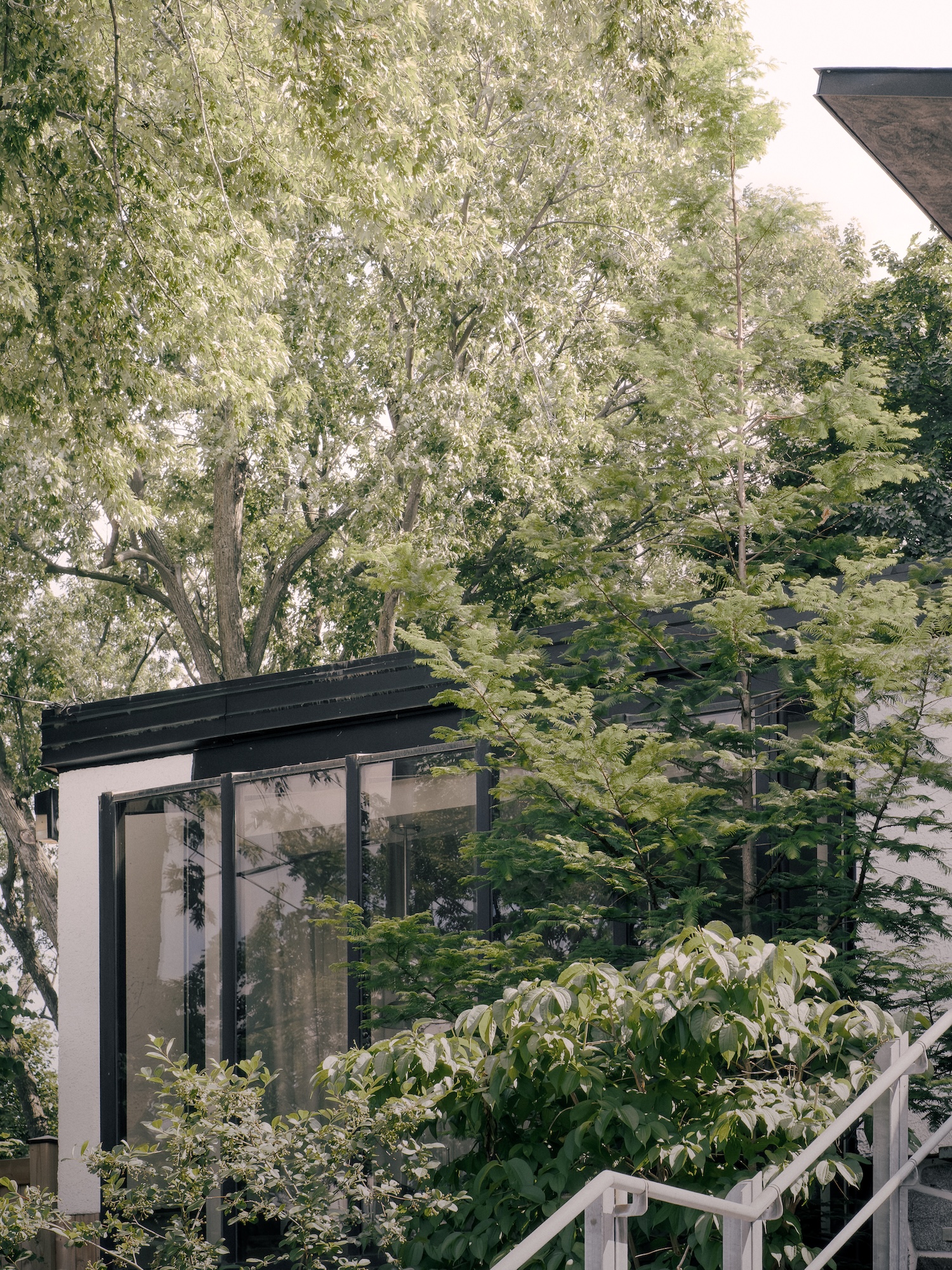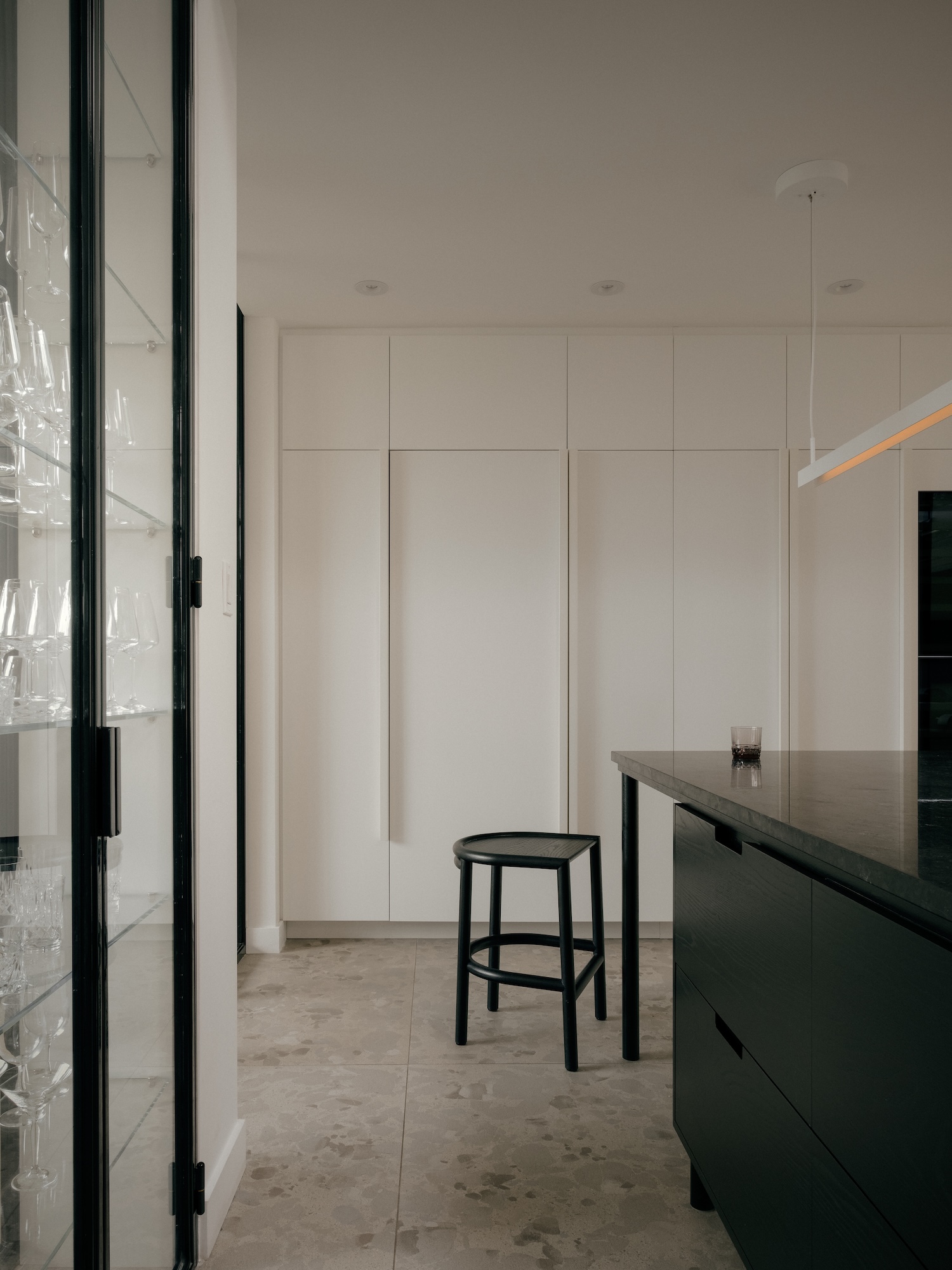
La Verrière is a minimalist home located in Longueuil, Canada, designed by Appareil Architecture. This 1960s residence in mature residential neighborhood demonstrates how kitchen-centered intervention can reimagine family living through glazed volume conception addressing structural constraints. Bound by four structural columns, these limitations became project’s conceptual catalyst extending perspective beyond immediate limits through design engaging quiet dialogue with existing structure revealing preservation strength while grounding whole in calm contemporary sensibility.
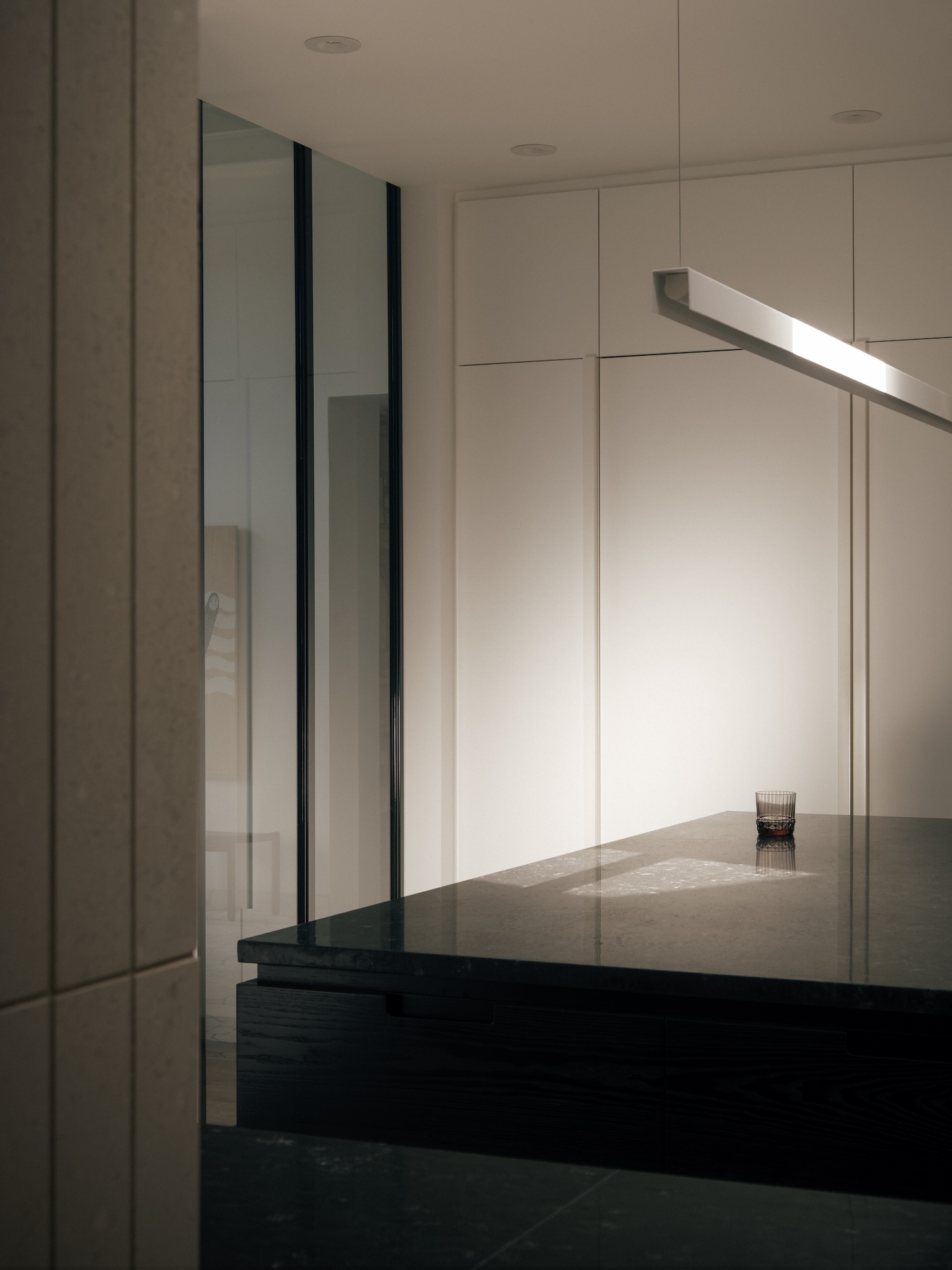
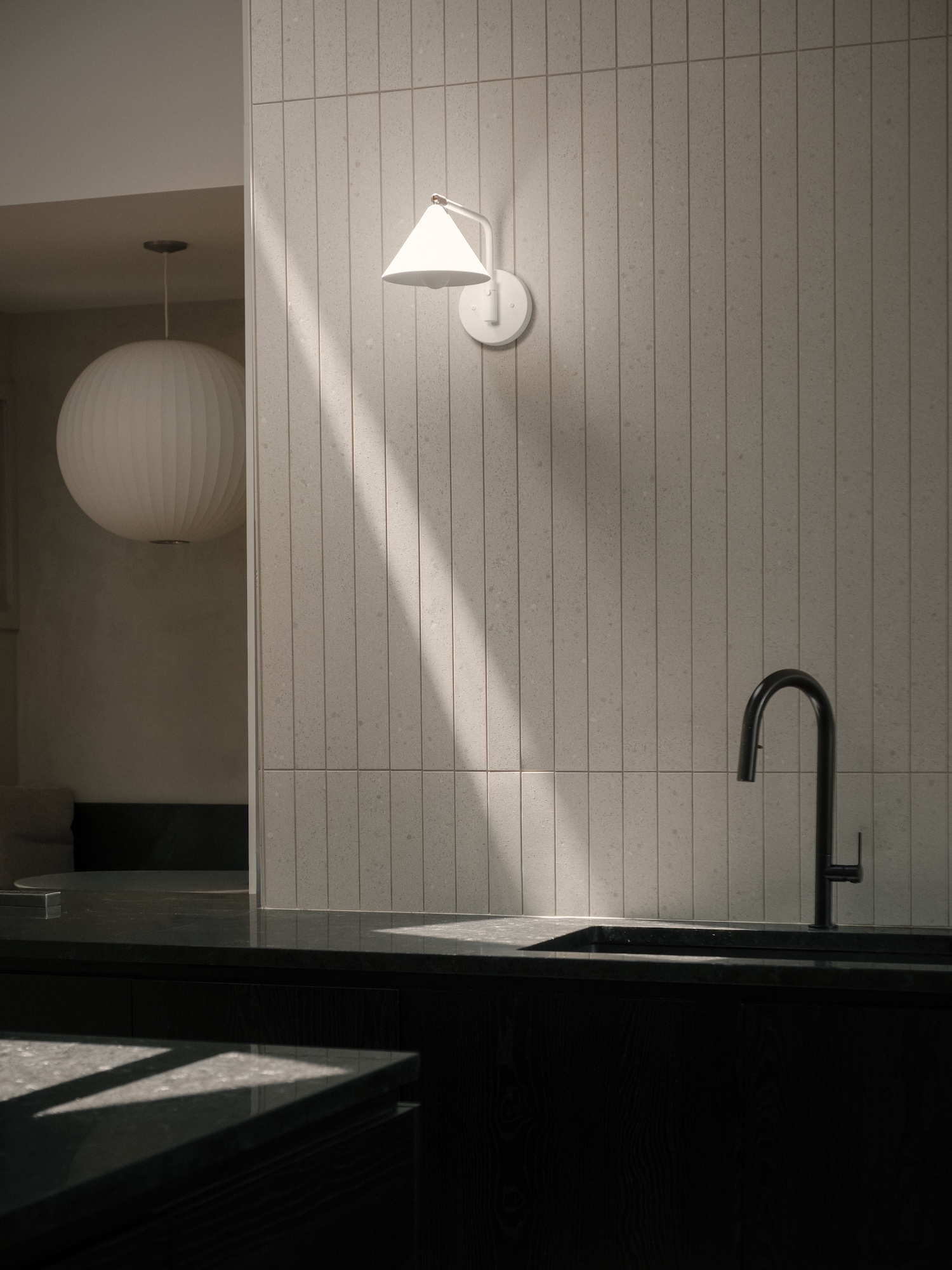
Senior Interior Designer Esther Leduc notes residence already had strong distinctive volume sense with kitchen designed as pivotal space conceived capturing and redistributing light. This strategic positioning demonstrates how single programmatic element can organize spatial relationships throughout dwelling while addressing natural illumination distribution challenges typical of mid-century residential plans where perimeter windows don’t always effectively penetrate deep floor plates requiring supplementary daylighting strategies.
Owner Louis-Philippe describes absolute thrill with space Esther and Appareil Architecture team created, positioning kitchen as home heart where everything happens – true headquarters. The family with four children wanted space feeling intimate for evenings with family and friends yet practical for busy life, with glass volume truly spectacular highlighting ceiling height and blending seamlessly with home’s architecture. This client testimony demonstrates successful balance between aspirational design ambition and functional family requirements where aesthetic qualities and practical utility coexist supporting varied domestic activities.
The glazed volume strategy transforms structural column constraints into design opportunities where transparent enclosure maintains visual connections across previously separated spaces while establishing distinct functional zone. This approach demonstrates how contemporary renovation can work within rather than against existing structural conditions, treating limitations as generative forces rather than problems requiring correction or concealment through additional construction.