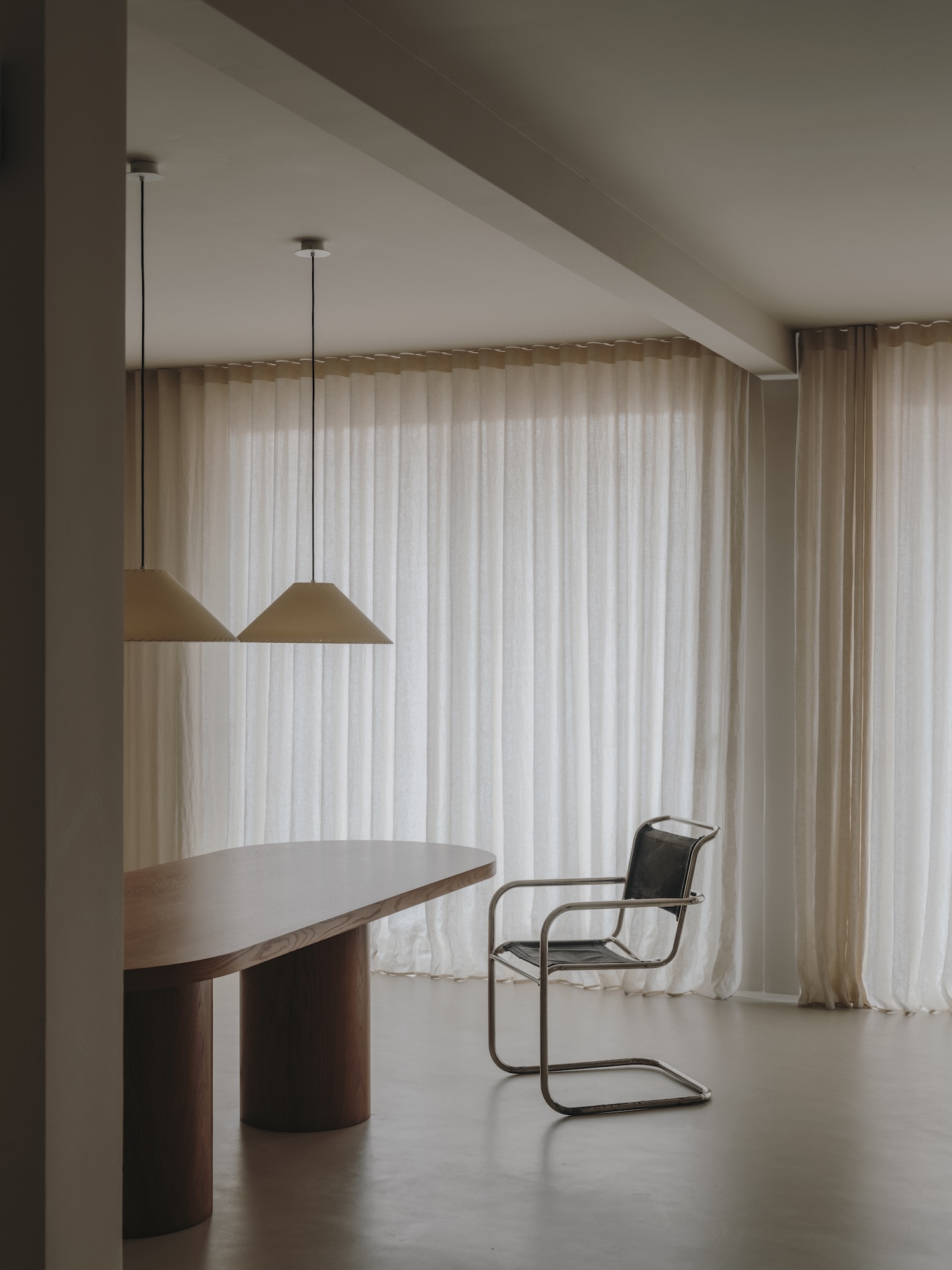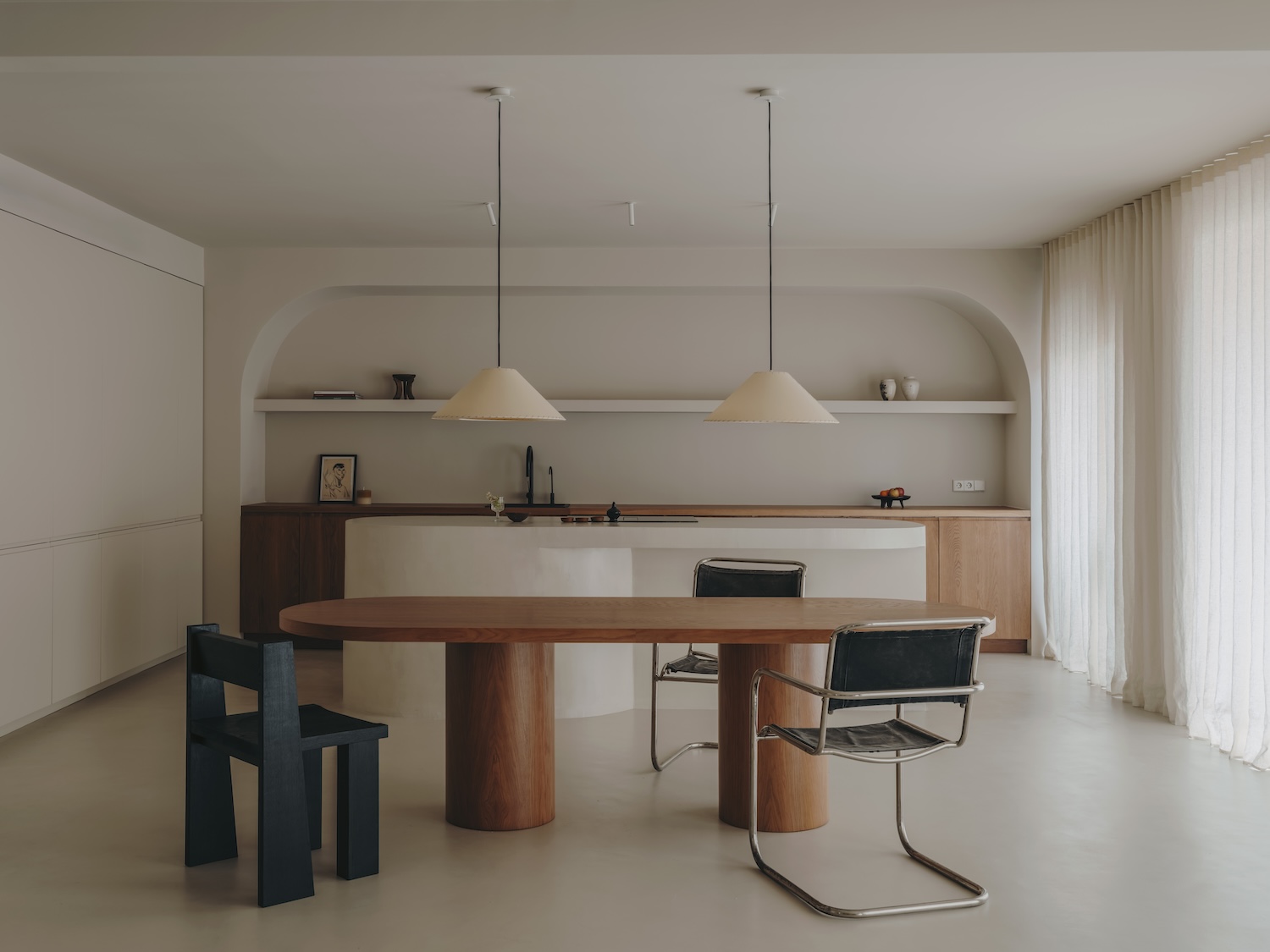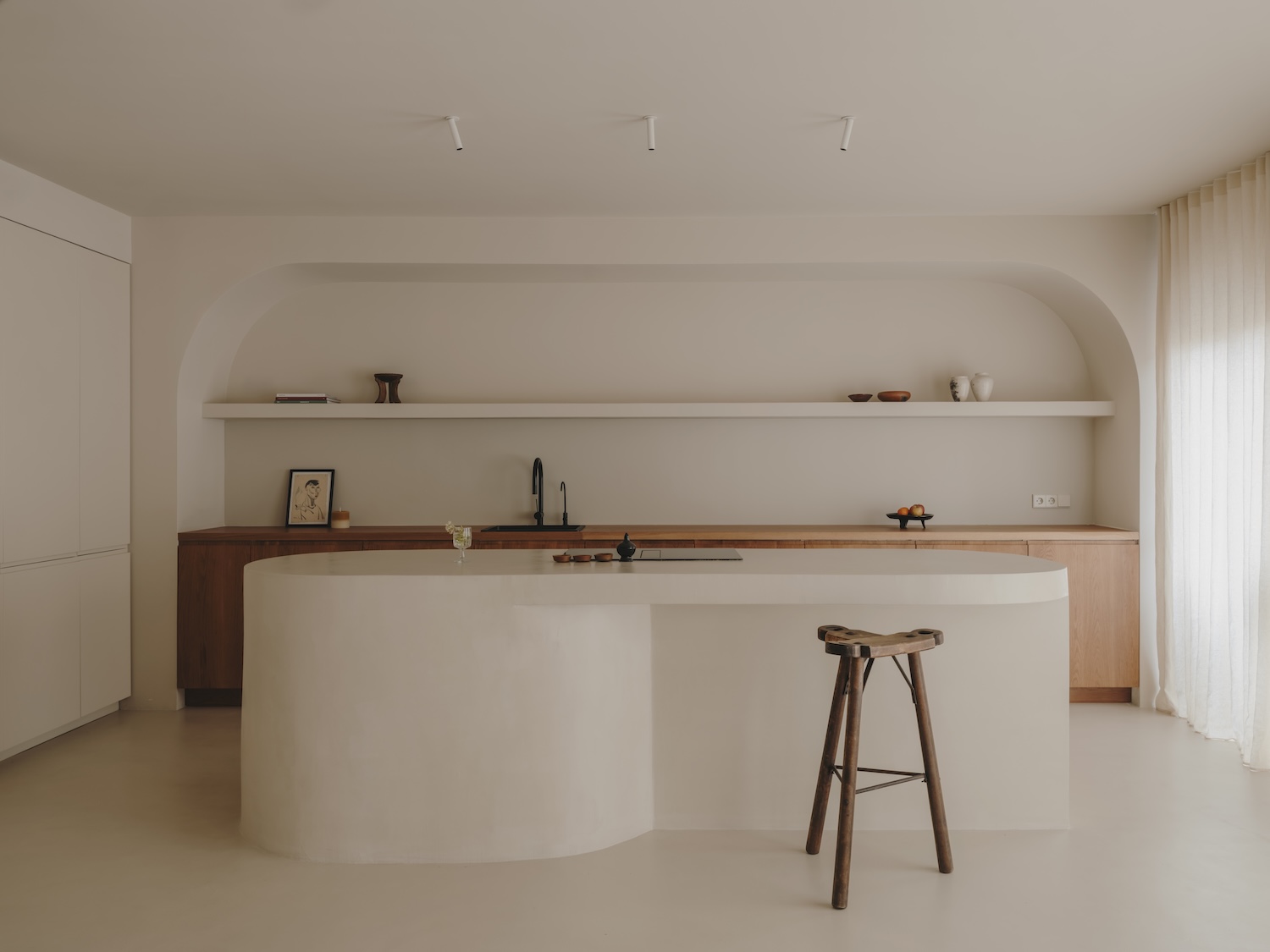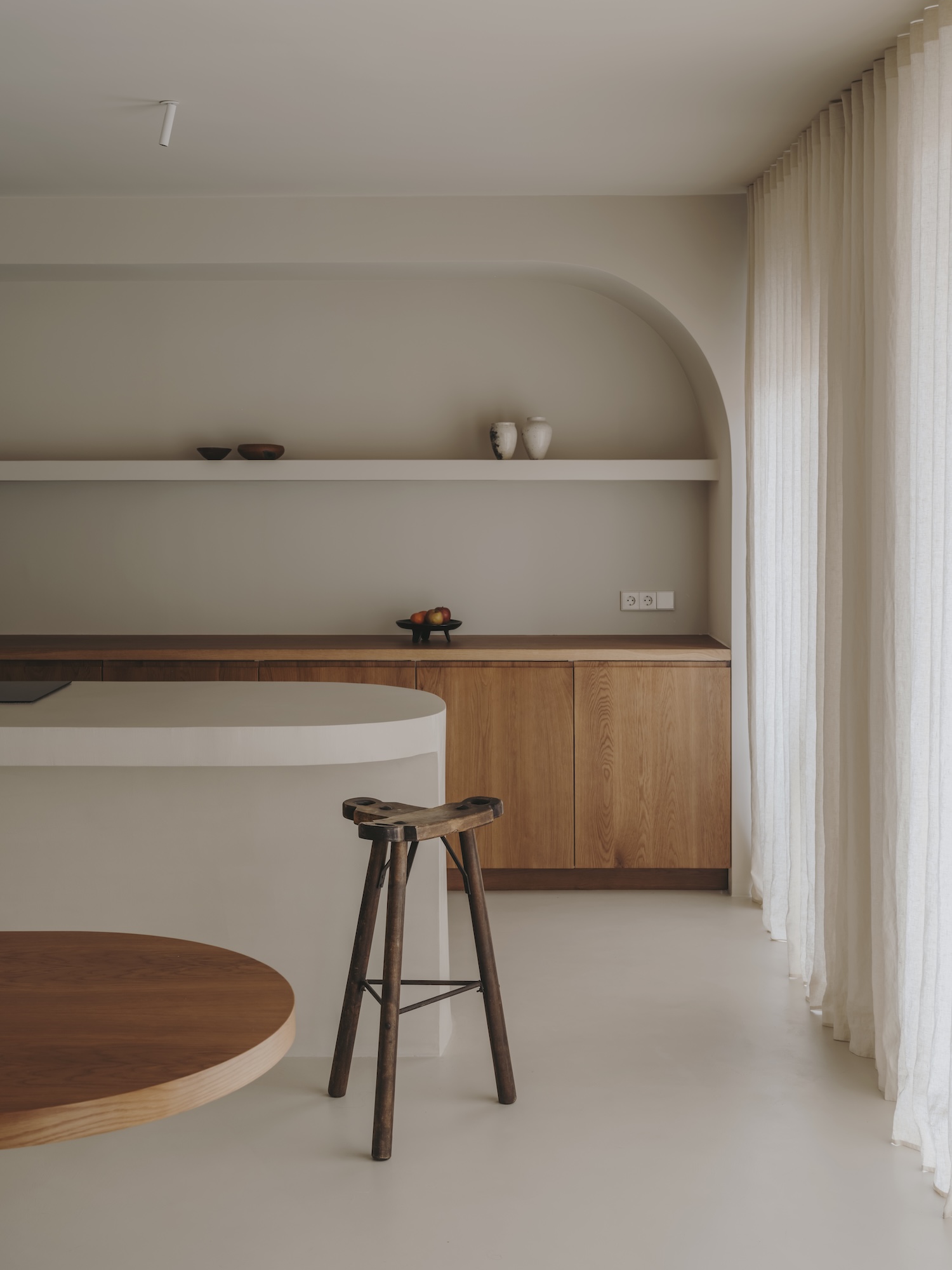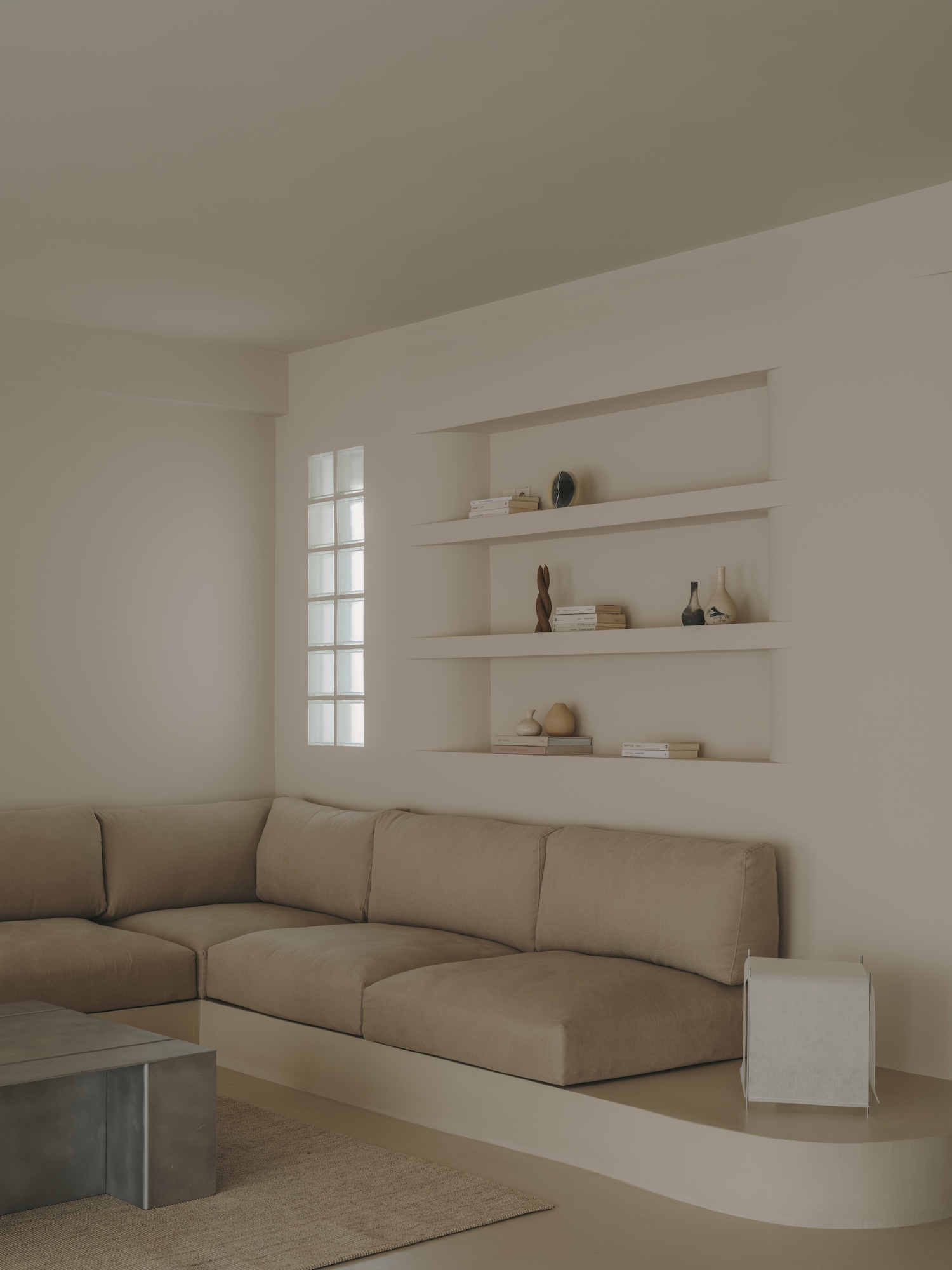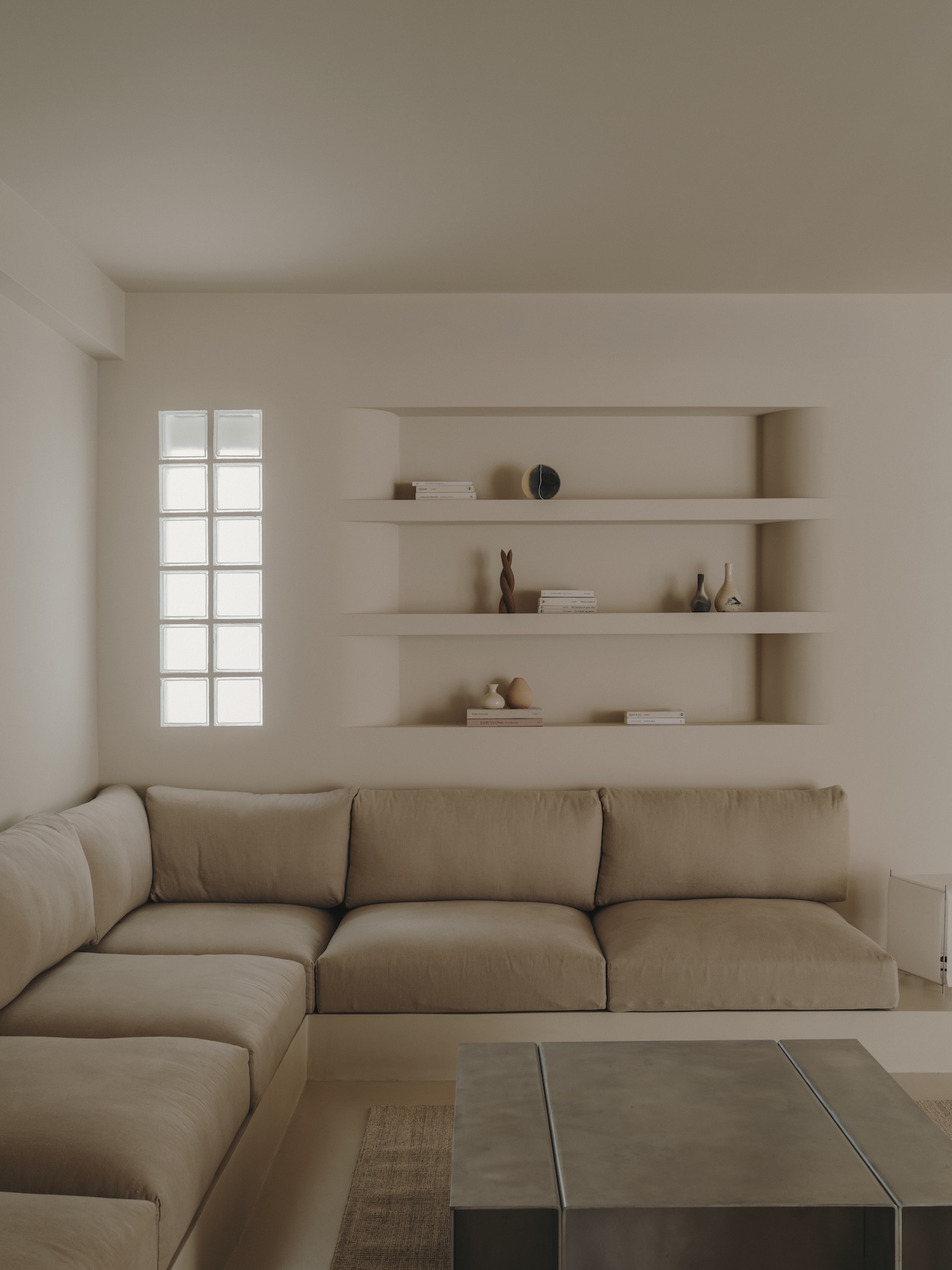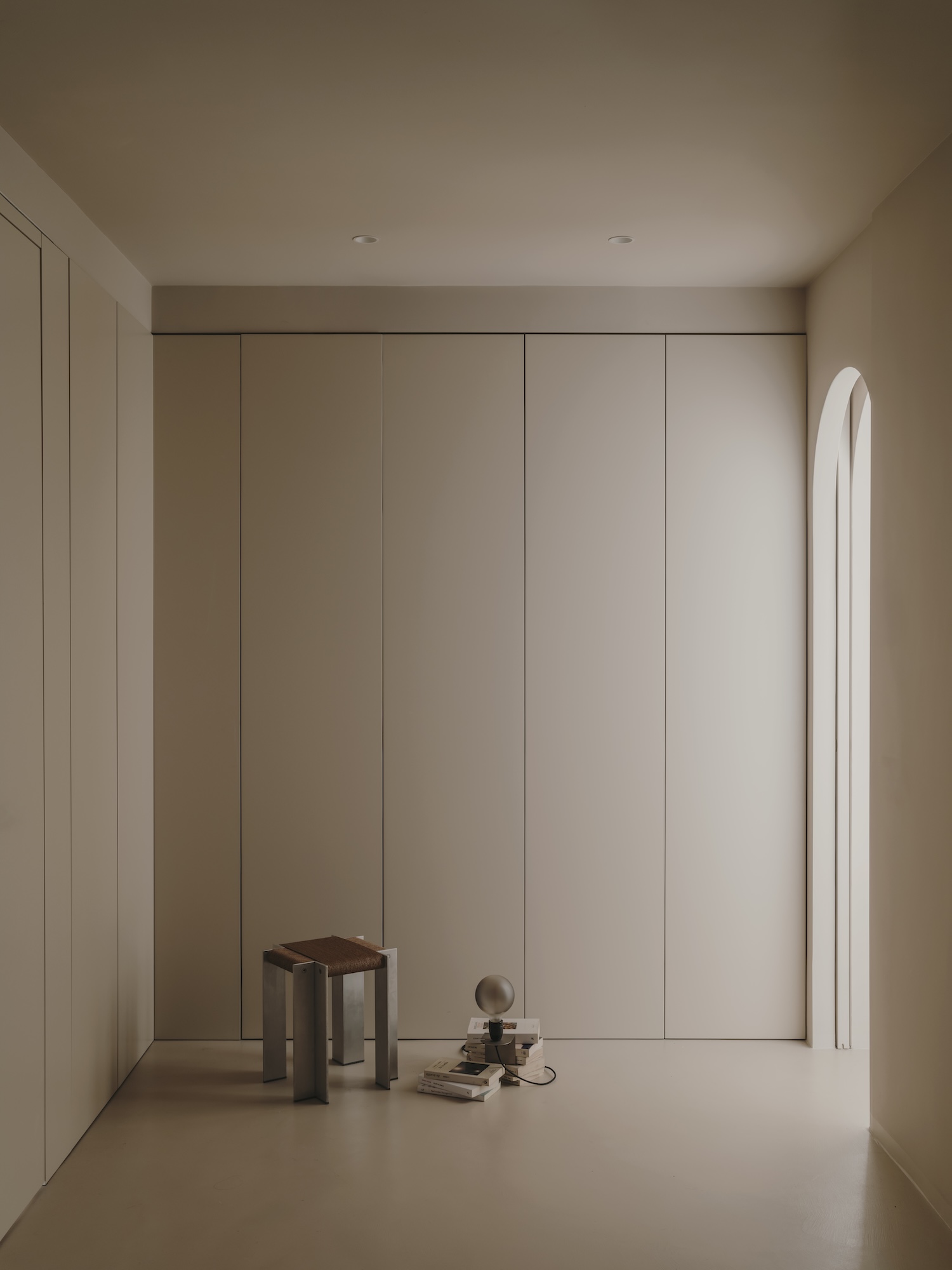
Piso Barceloneta is a minimal home located in Barcelona, Spain, designed by Isern Serra. What was once a compartmentalized space has been transformed through a decisive architectural intervention – the removal of dividing walls to create an open, light-filled environment that maintains a constant dialogue with the apartment’s full-façade balcony. The redistribution pushes private spaces to the entrance, allowing the living areas to fully embrace the vibrant maritime character of the neighborhood.
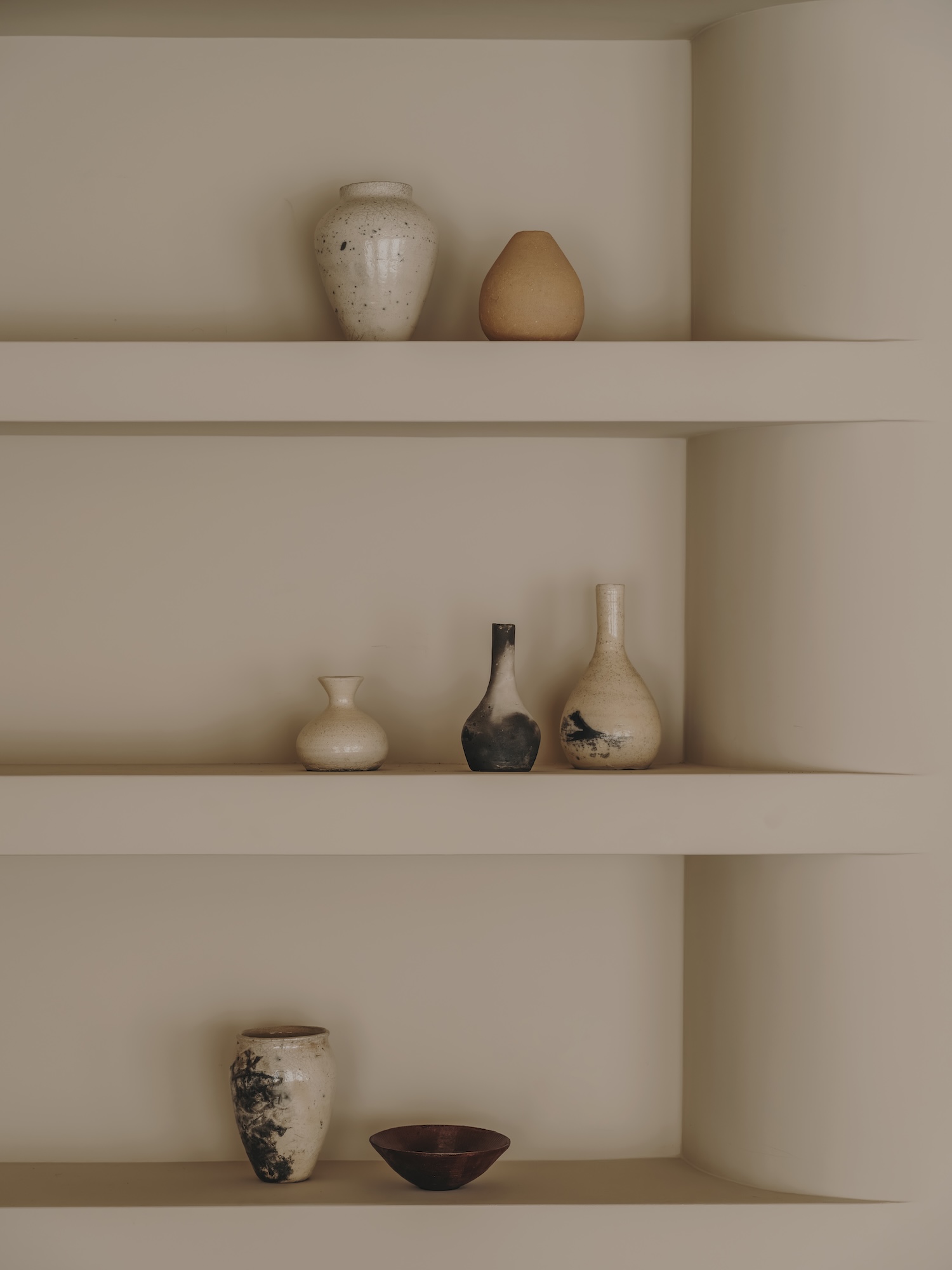
“We designed the interiors as a living gallery,” the designers explain, and their approach reflects a curatorial sensibility that transcends mere aesthetic arrangement. The space becomes a carefully orchestrated collection where stories unfold through a thoughtful integration of past and present. Contemporary pieces from Vasto Gallery establish a compelling conversation with vintage treasures from Fenix Originals and Polop Store, creating temporal layers that enrich the experience of the space.
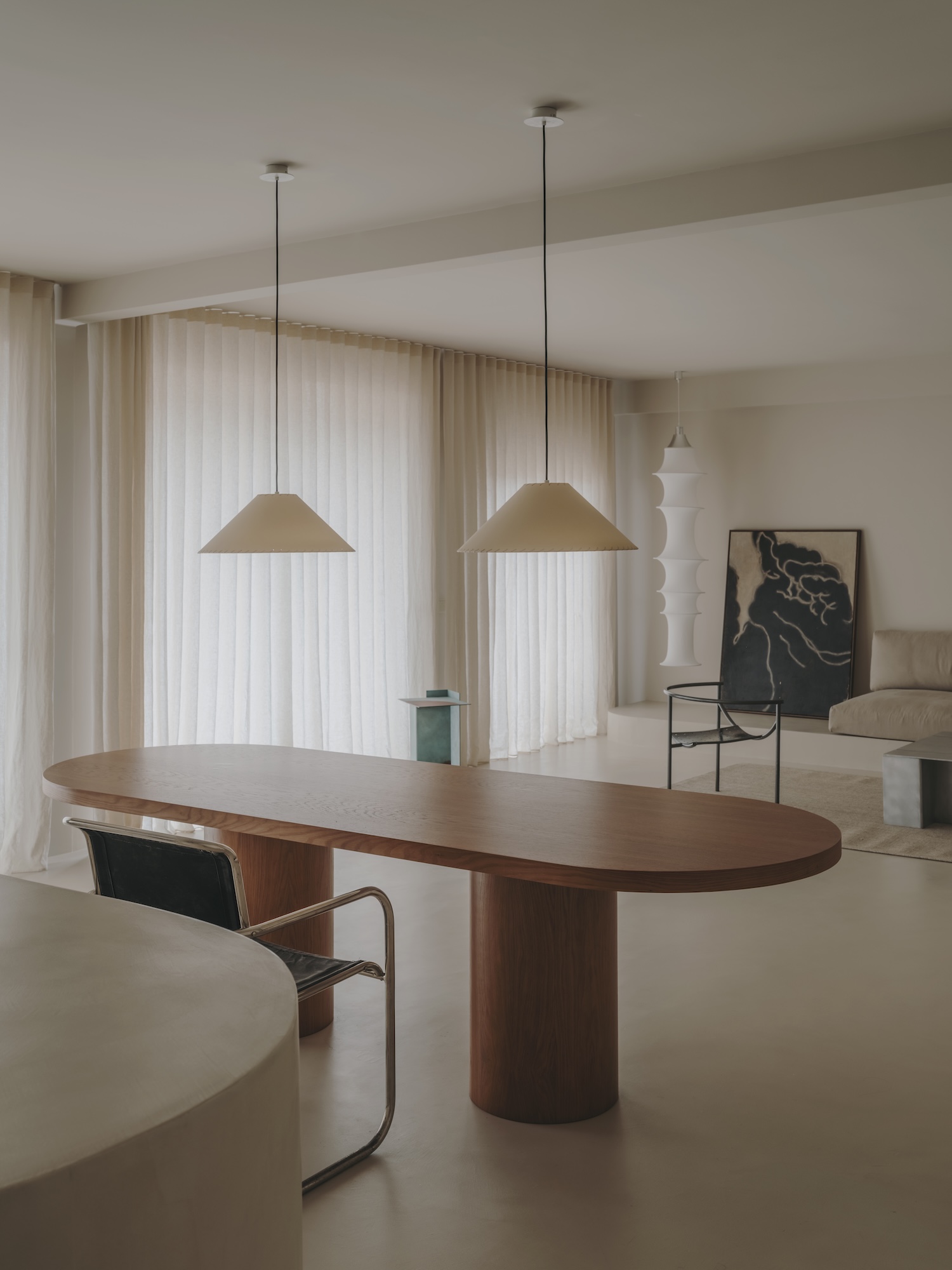
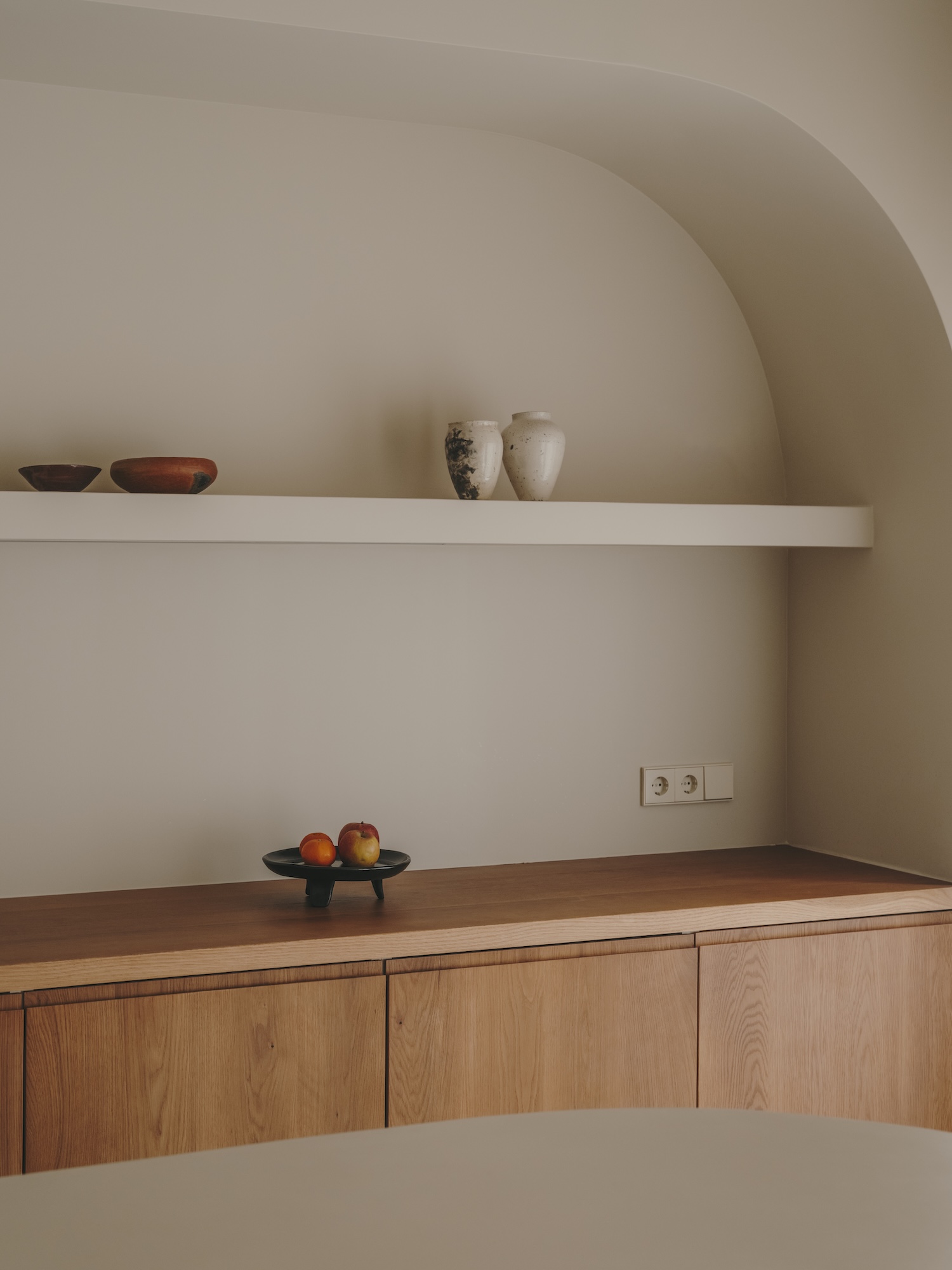
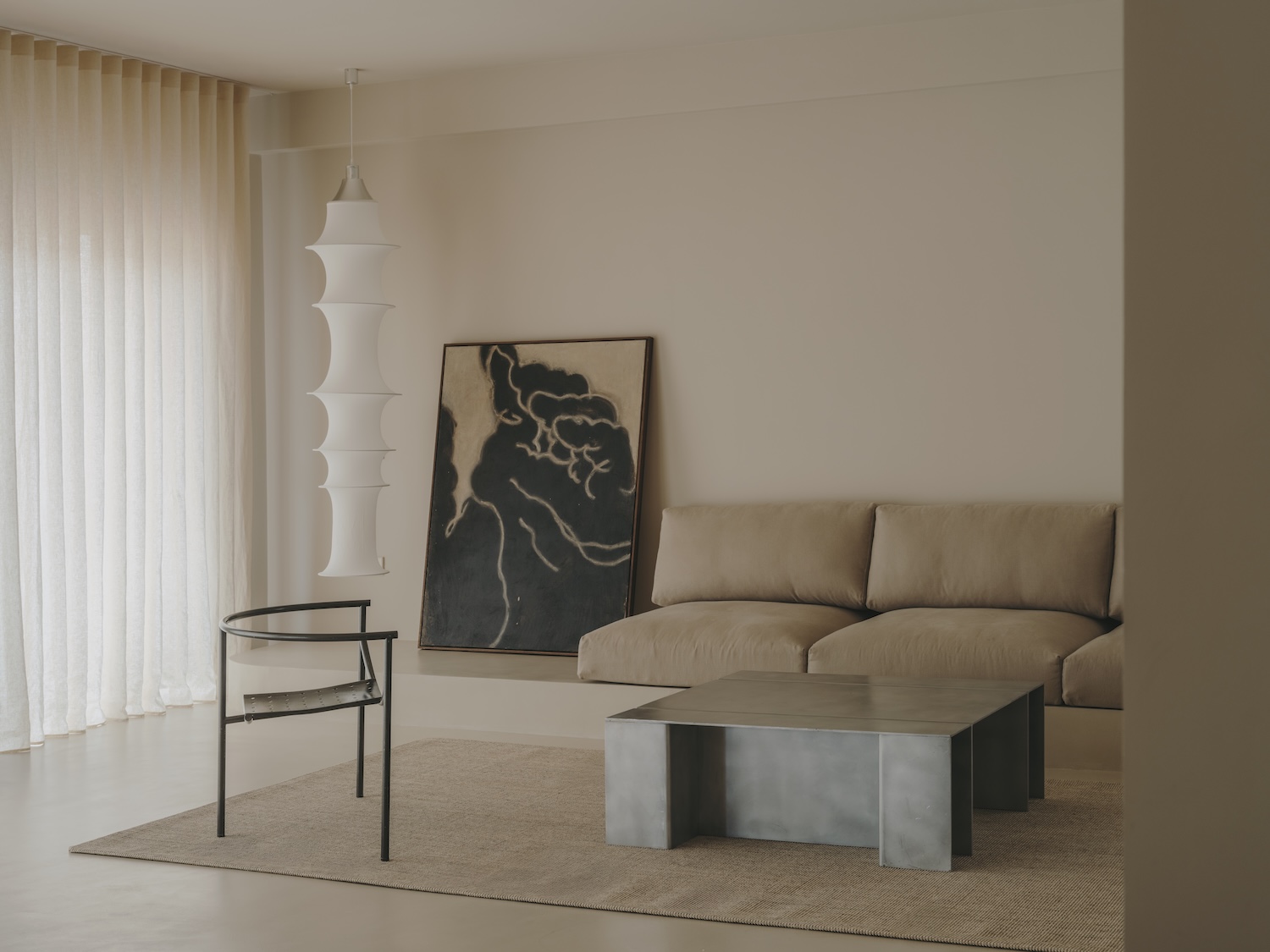
This dialogue extends to the materials themselves. Natural oak in the kitchen introduces organic warmth against the cool continuity of microcement surfaces. The visual language developed here connects to Mediterranean architectural traditions while speaking in decidedly contemporary accents. The built-in concrete sofa – simultaneously furniture and architecture – recalls the sculptural simplicity of vernacular Mediterranean building practices while serving as a foundation for the living area’s careful composition.
Light becomes a material presence in its own right, filtered through linen curtains to animate surfaces and highlight textural nuances throughout the day. This manipulation of natural illumination reflects deep regional wisdom about creating comfortable interiors in sun-drenched environments.
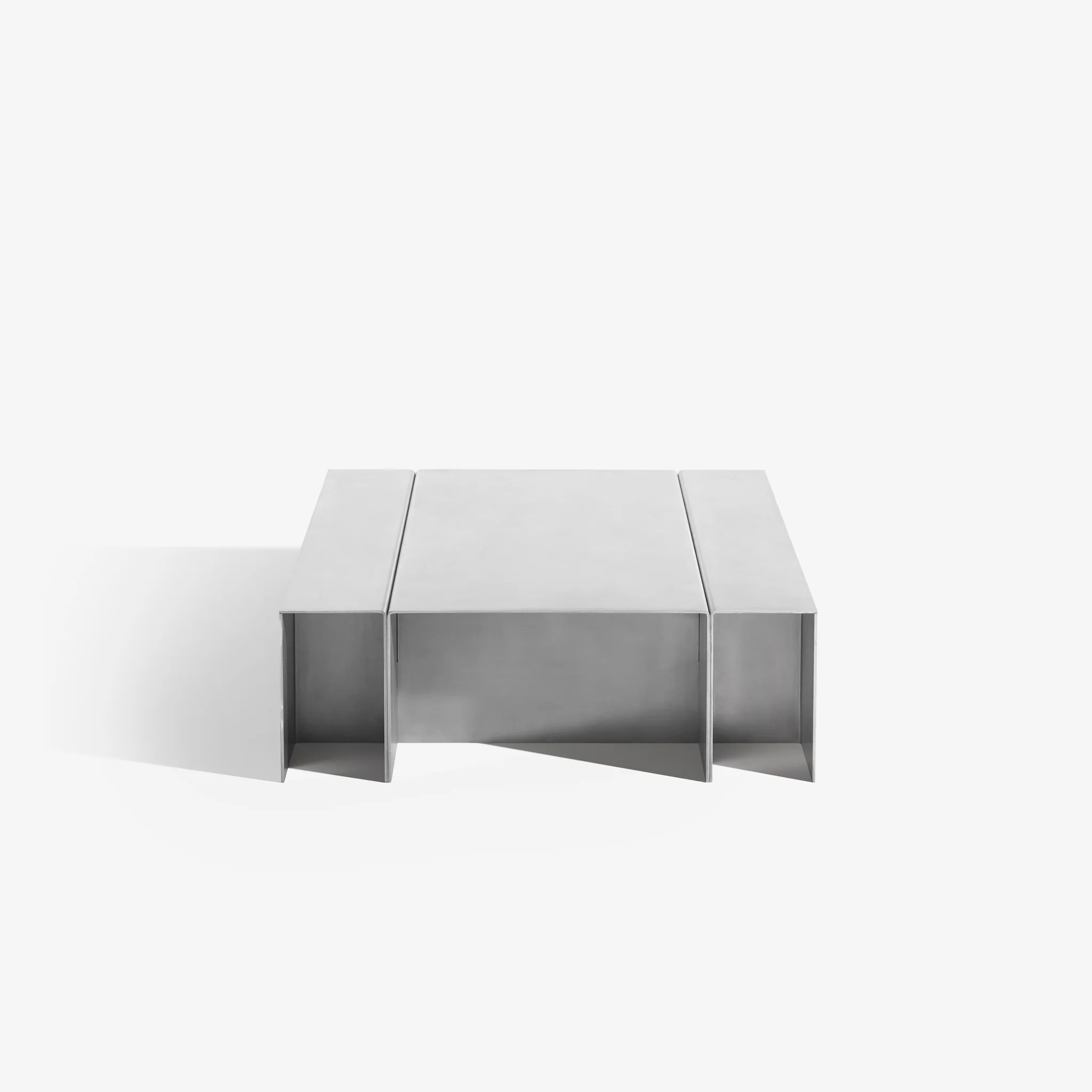
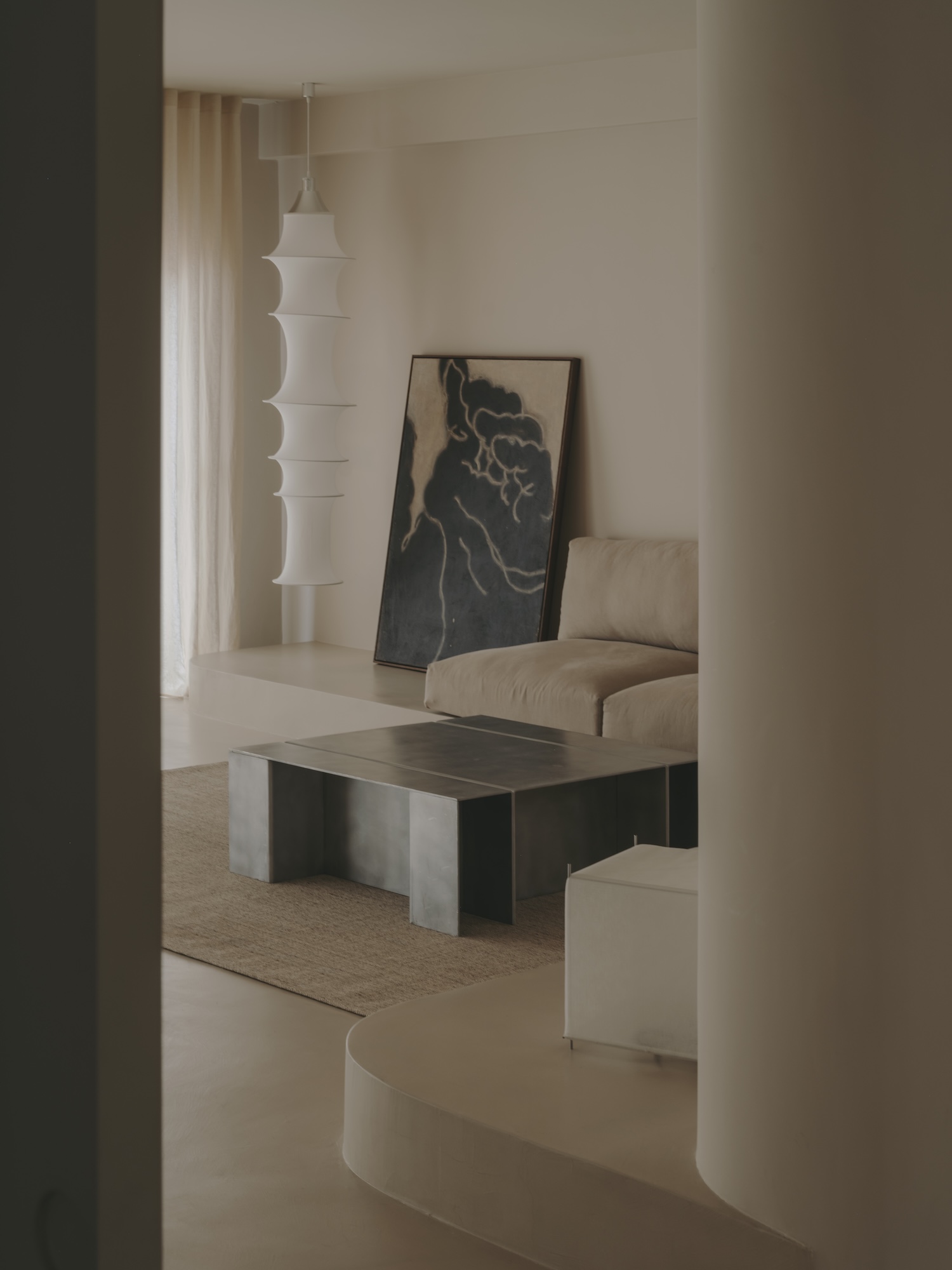
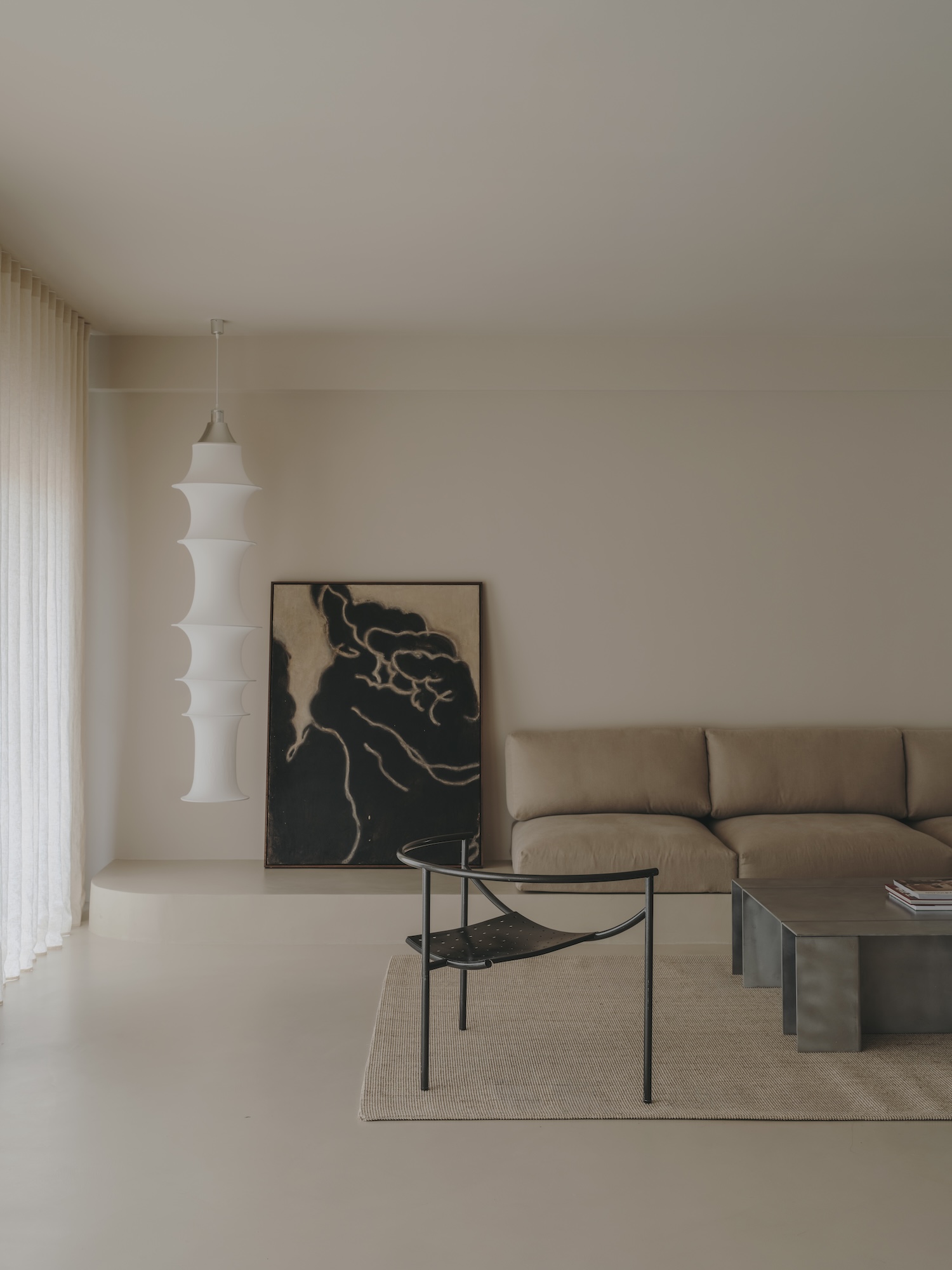
The fusion of collectible design with daily living achieves particular resonance in key moments throughout the apartment. A waxed aluminum coffee table by Paul Coenen (2023) sits in conversation with Philippe Starck’s vintage Dr. Sonderbar Chair, their formal and material differences bridged by a shared sculptural quality. Lighting elements – from Artemide’s Falkland Lamp to the Visa Vis by Davide Groppi – function simultaneously as practical illumination and artistic statement.
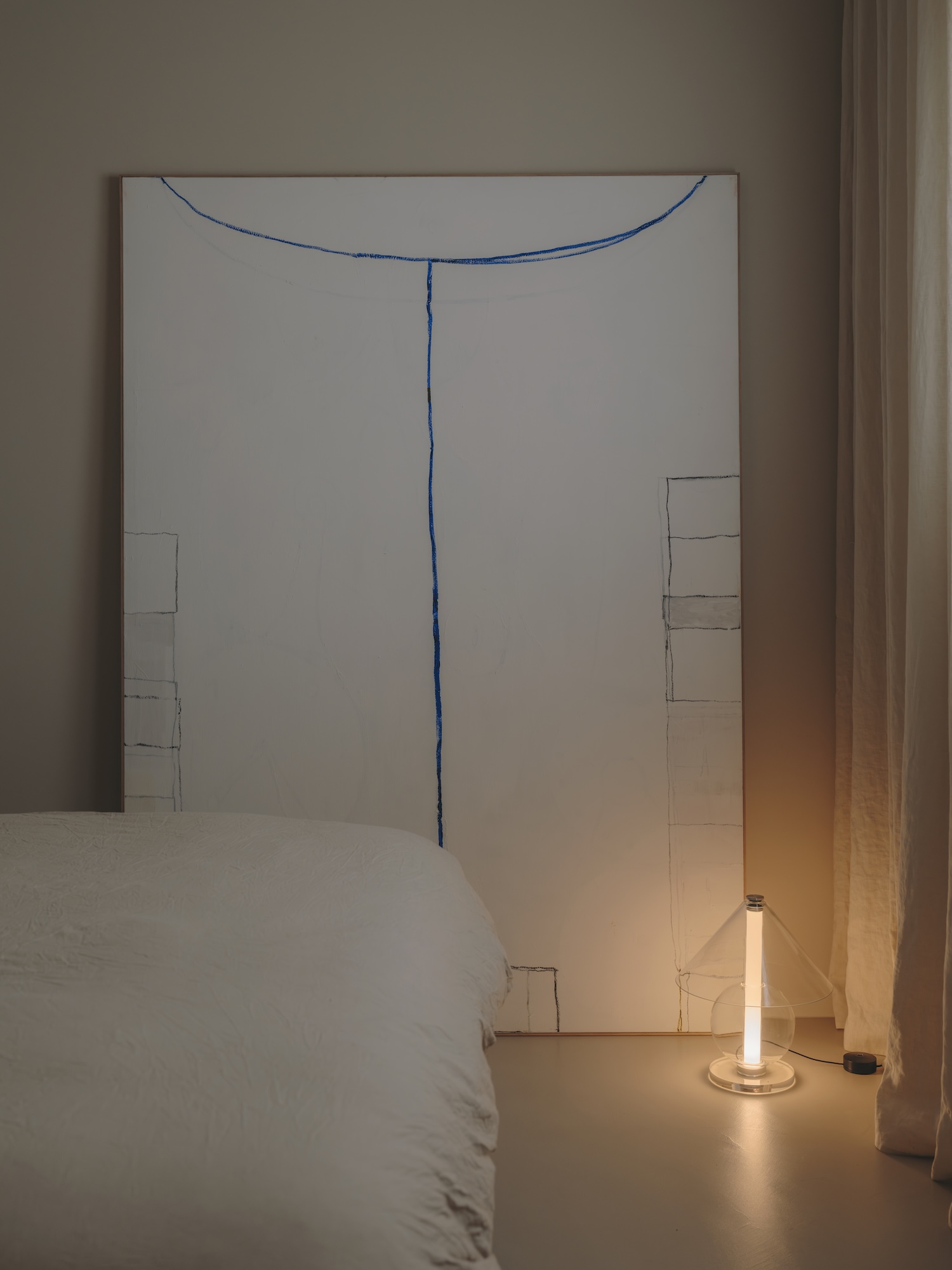
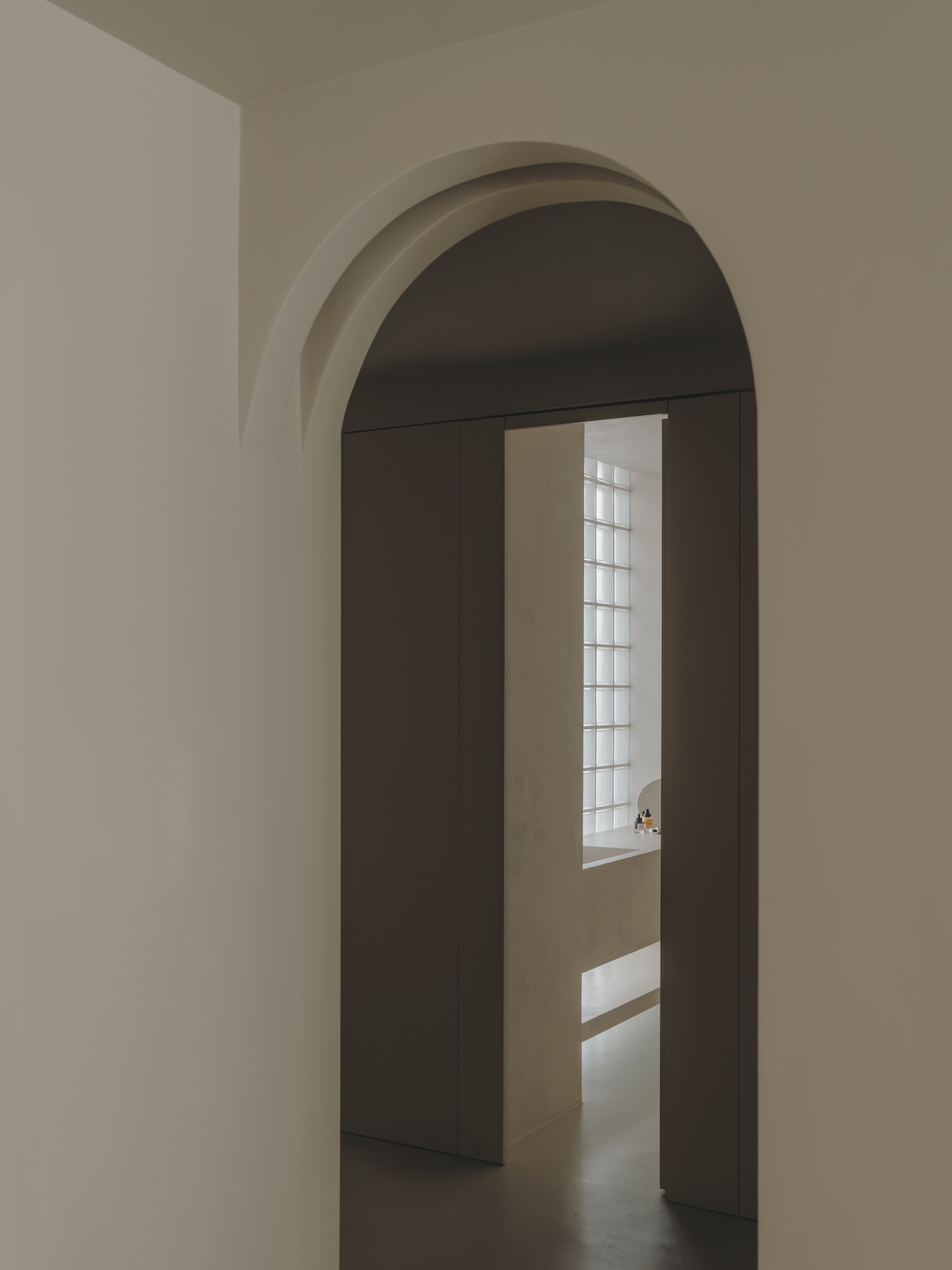
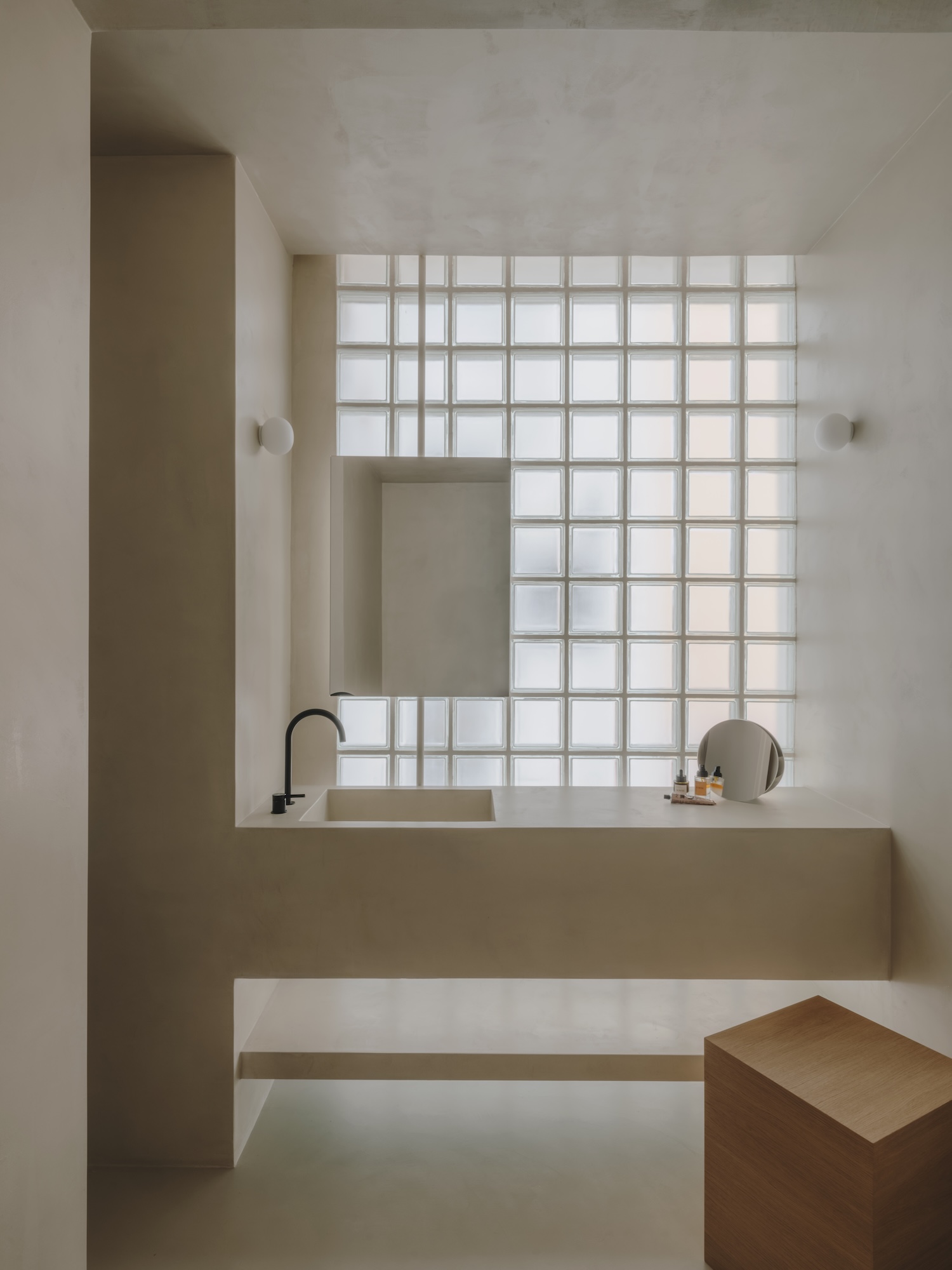
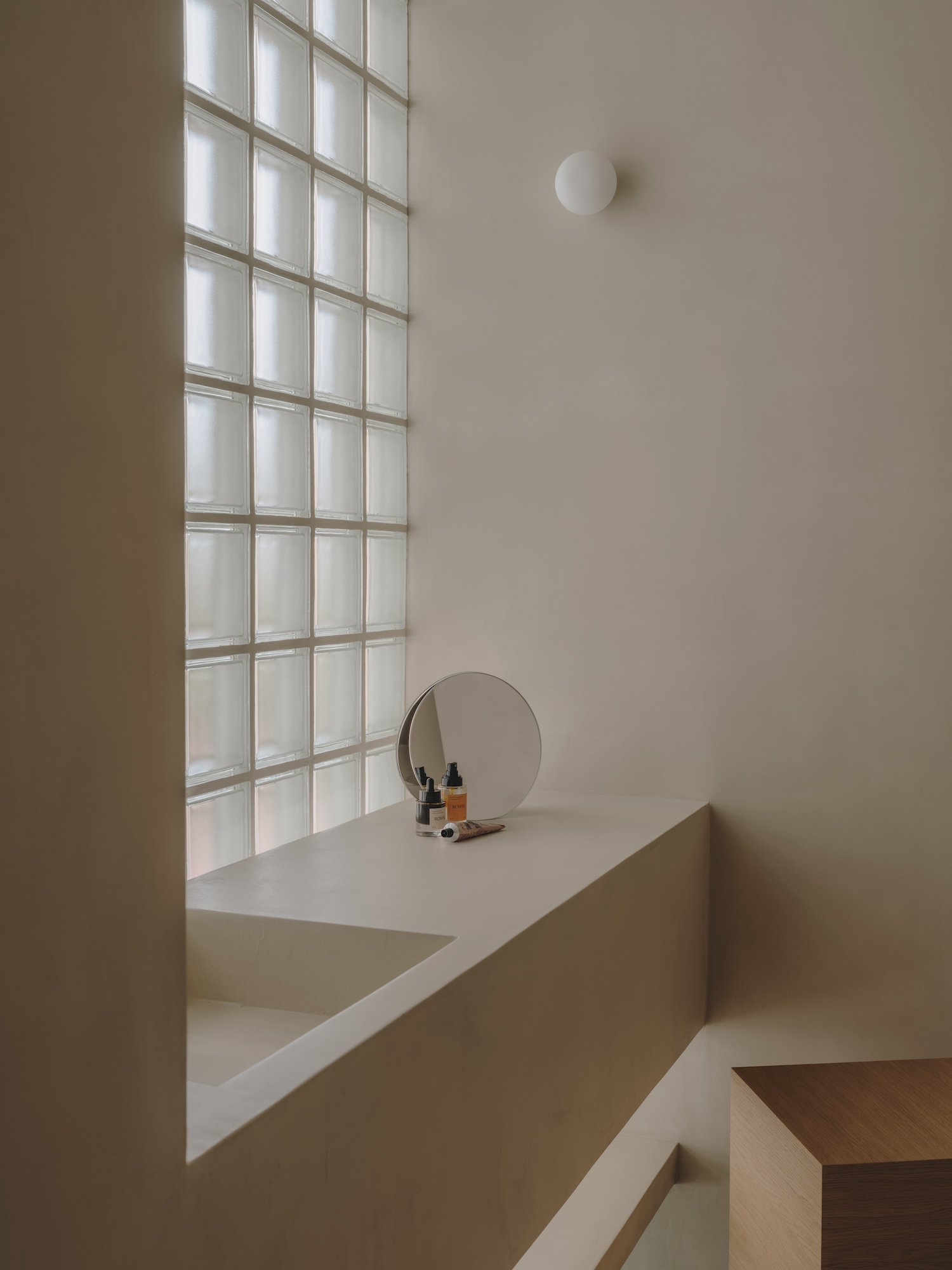
The private spaces maintain this curatorial approach. The bedroom features Mark Bohle’s artwork “pushing things forwards” alongside emerging designers like Cambier Studio, whose L4 Stool blurs boundaries between furniture typologies. The bathroom’s translucent glass brick wall transforms functionality into poetry, allowing diffused light to penetrate while maintaining privacy – a thoughtful reinterpretation of traditional Mediterranean light management techniques.