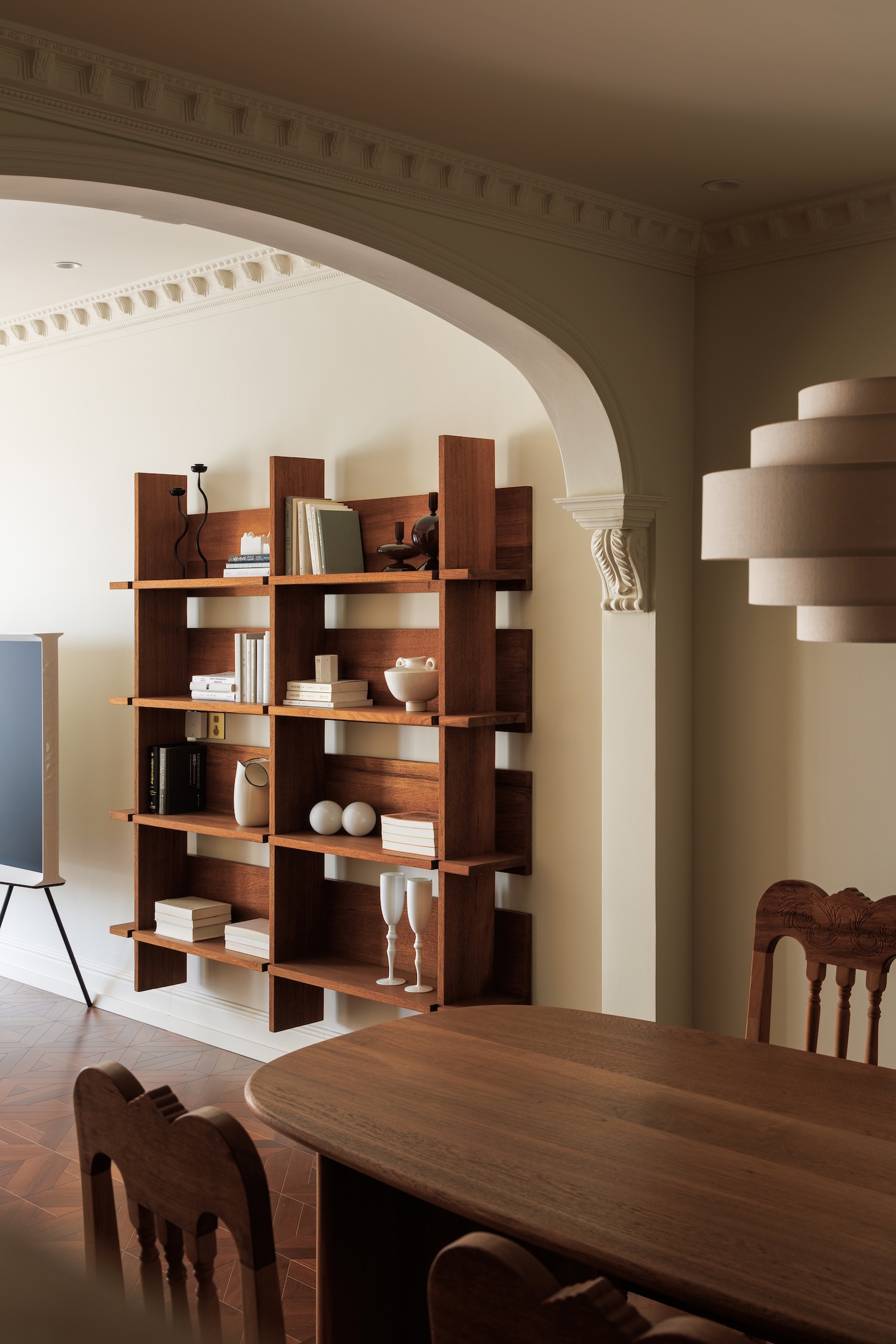
Poly Hyde Residence is a minimal home located in Zhengzhou, China, designed by ANG 3 STUDIO. In an era where domestic spaces often chase the ephemeral nature of trends, this young couple’s home stands as a quiet rebellion against the contemporary rush toward the next big thing. At its heart, a glass and reclaimed wood coffee table serves as both functional object and metaphor – its transparency allowing light to create ever-changing shadows while its weathered surface speaks to the dignity of age. This single piece encapsulates the home’s broader philosophy: that genuine domestic spaces are not instantaneously created but thoughtfully cultivated over time.
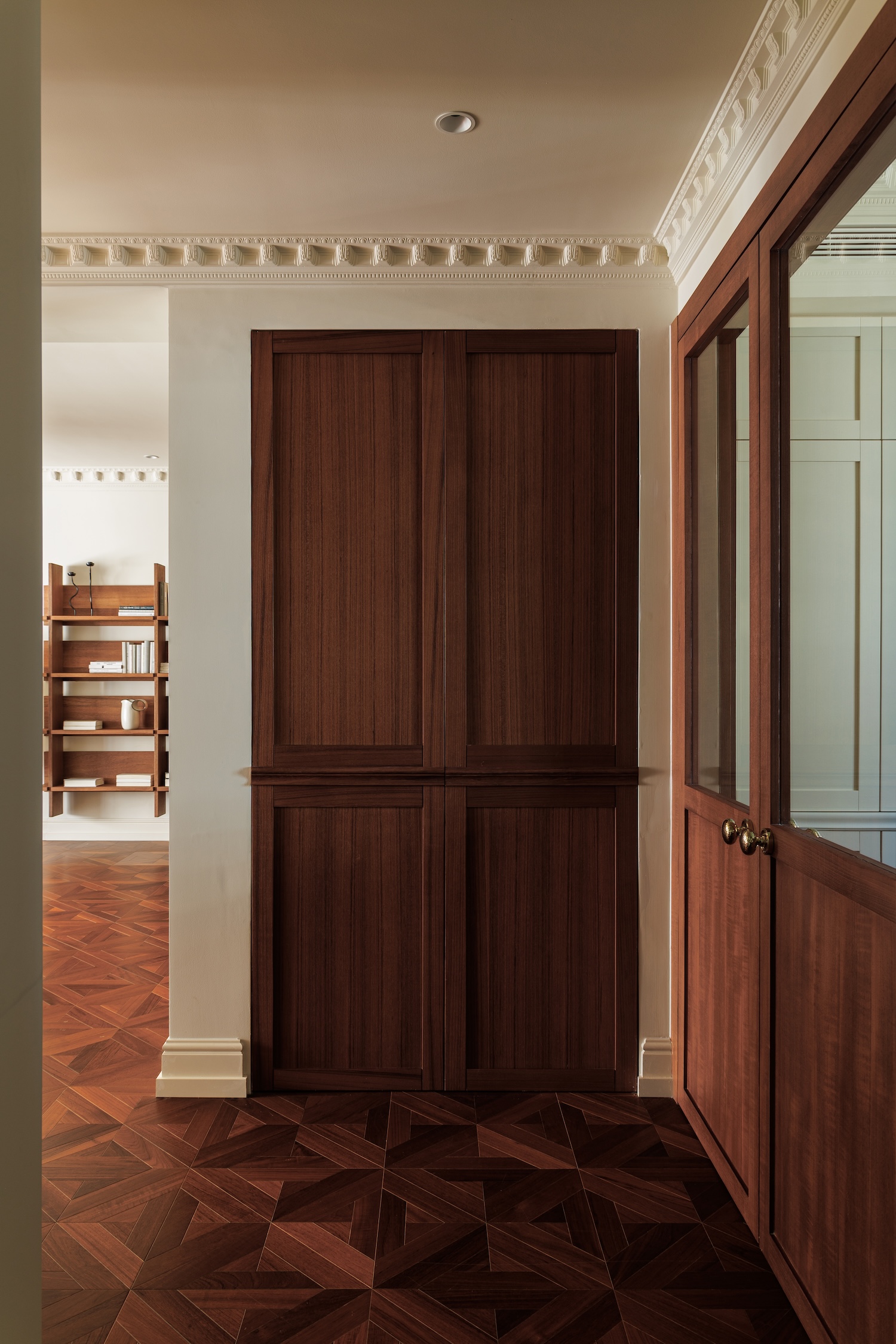
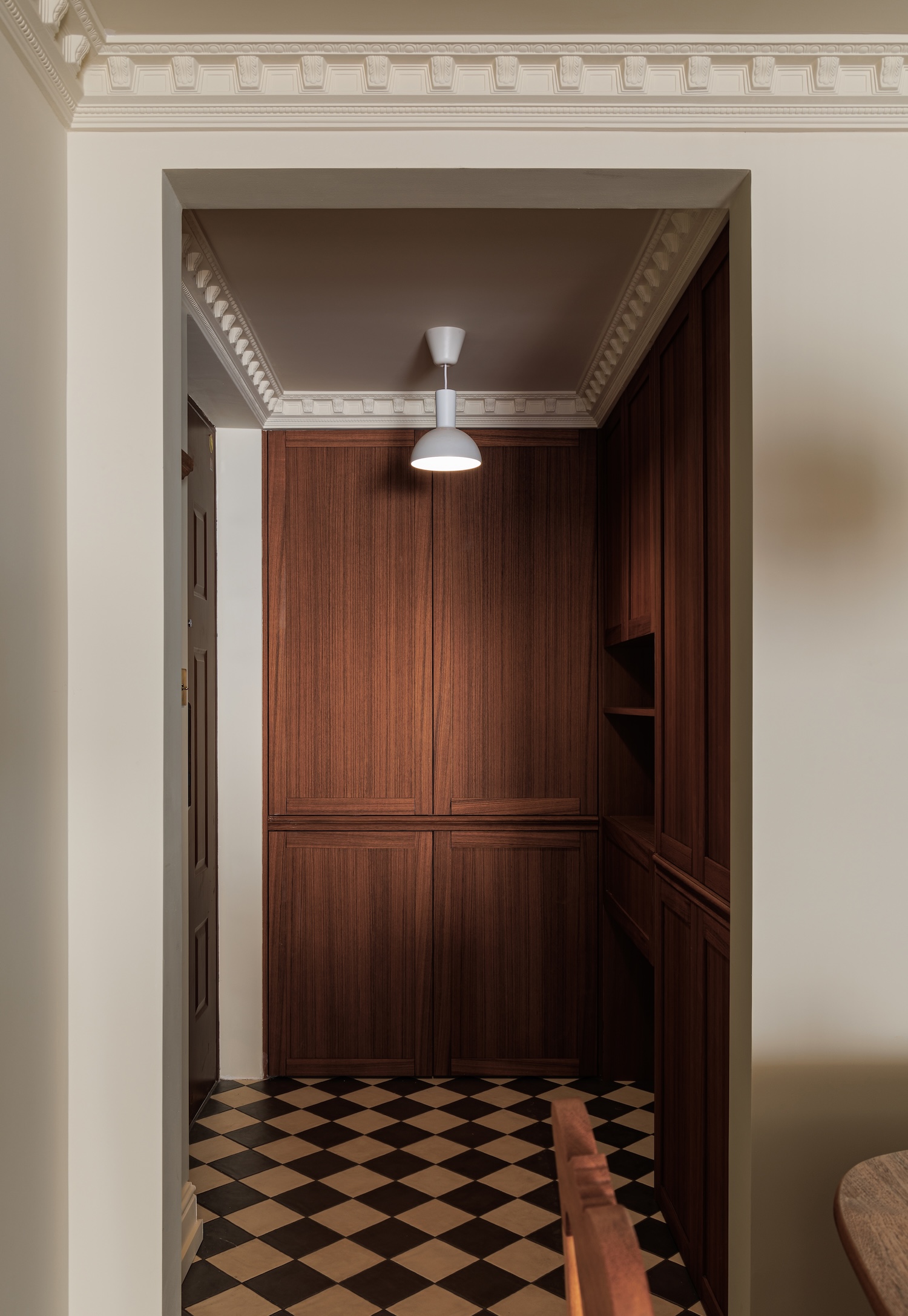
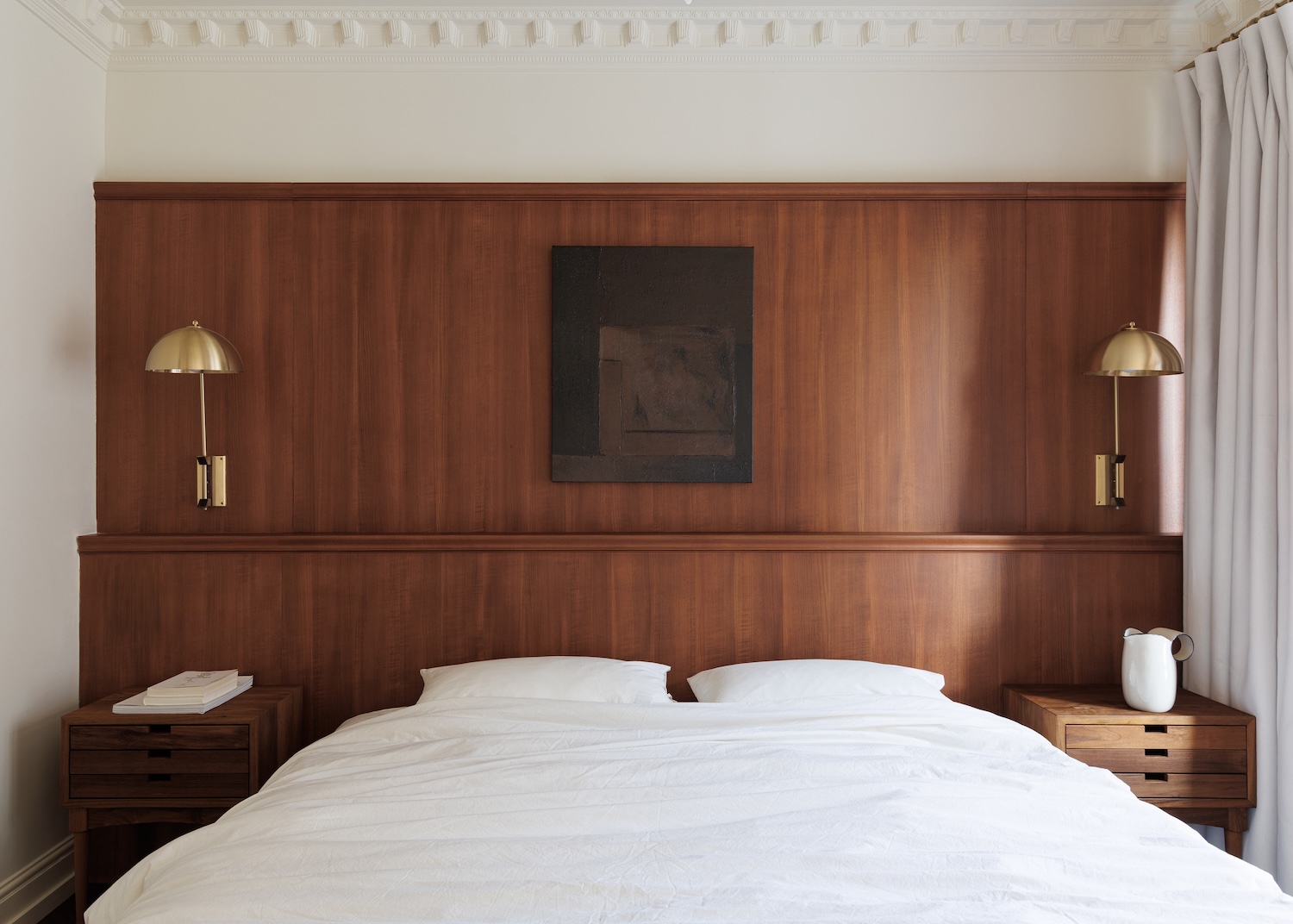
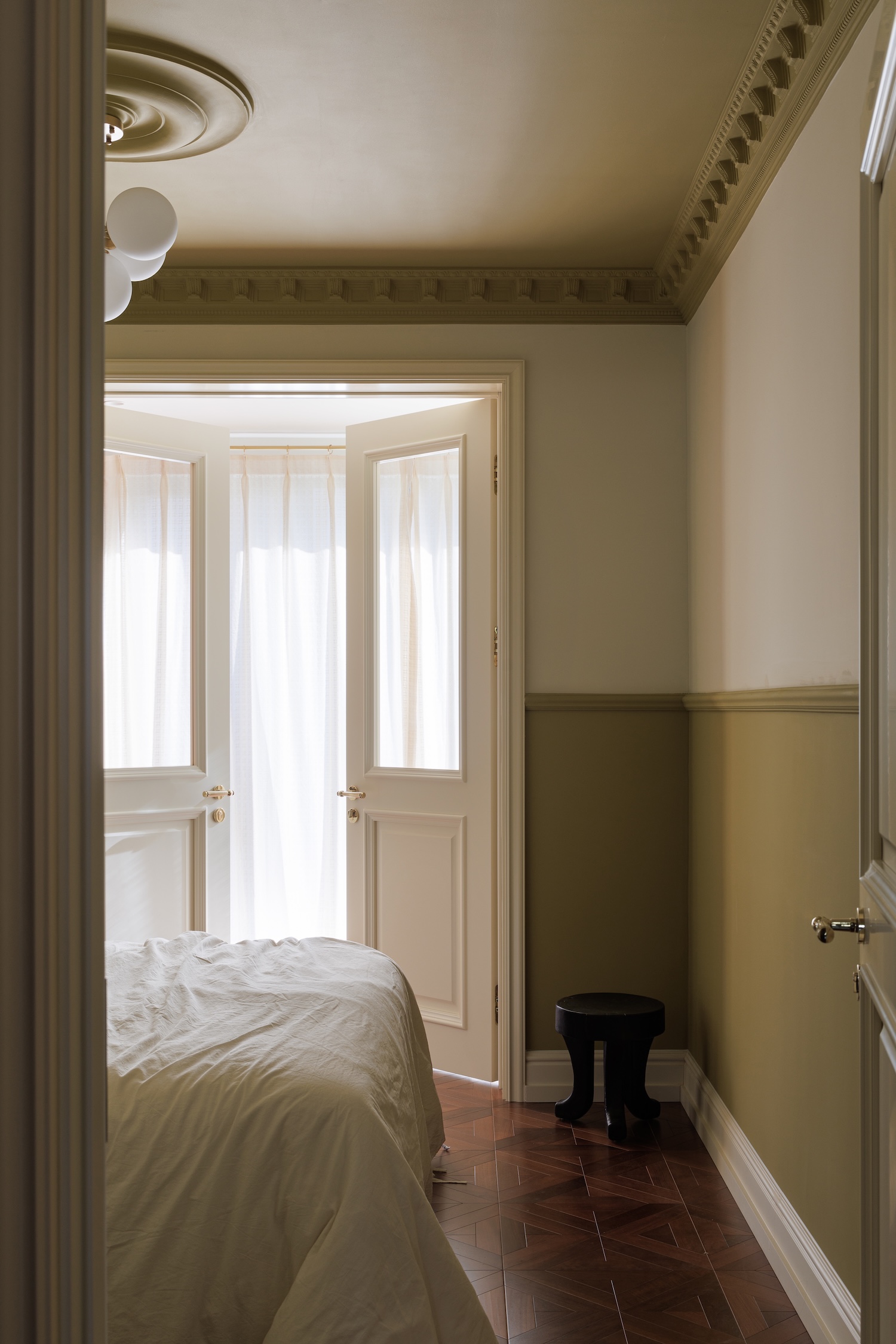
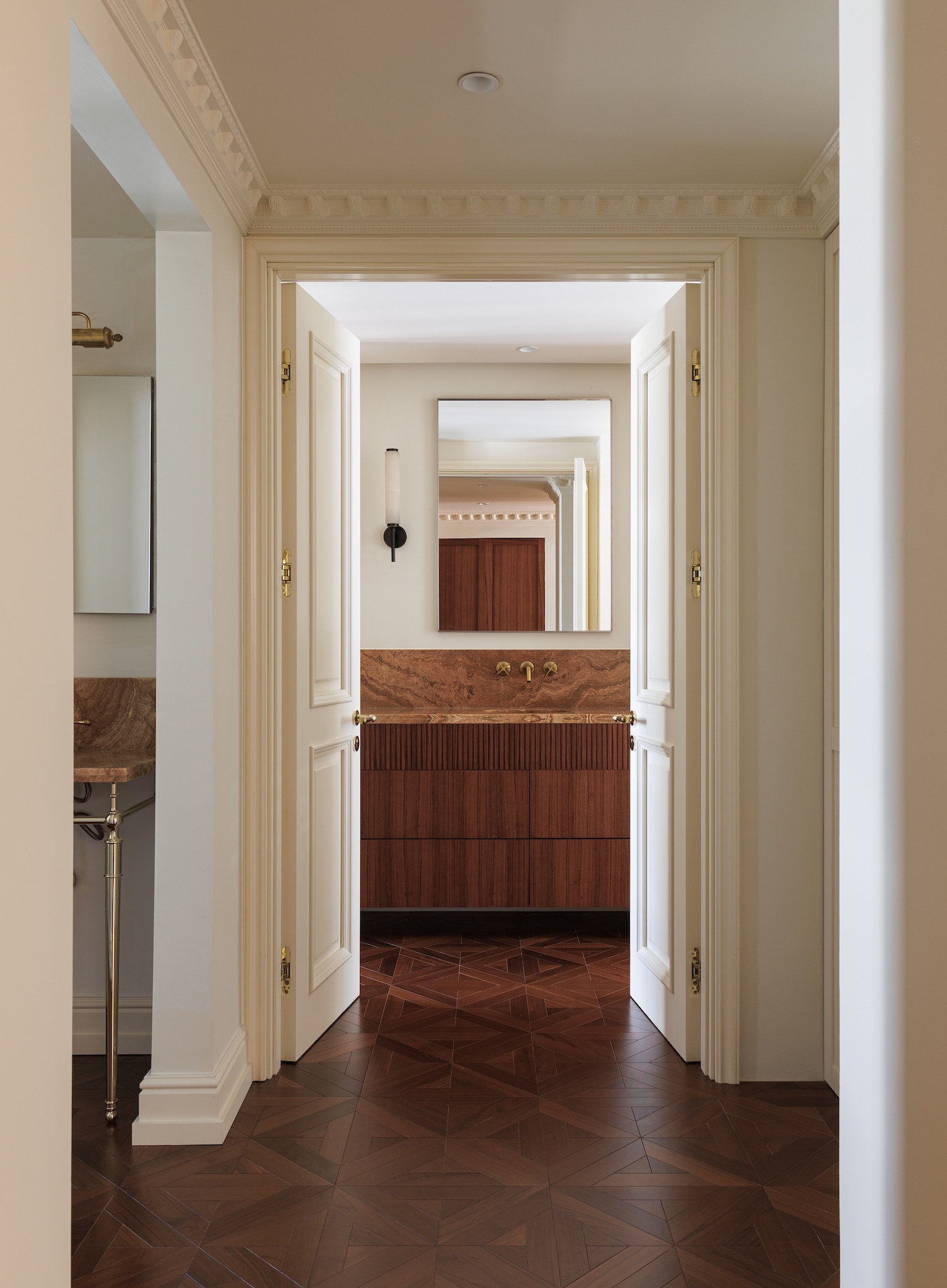
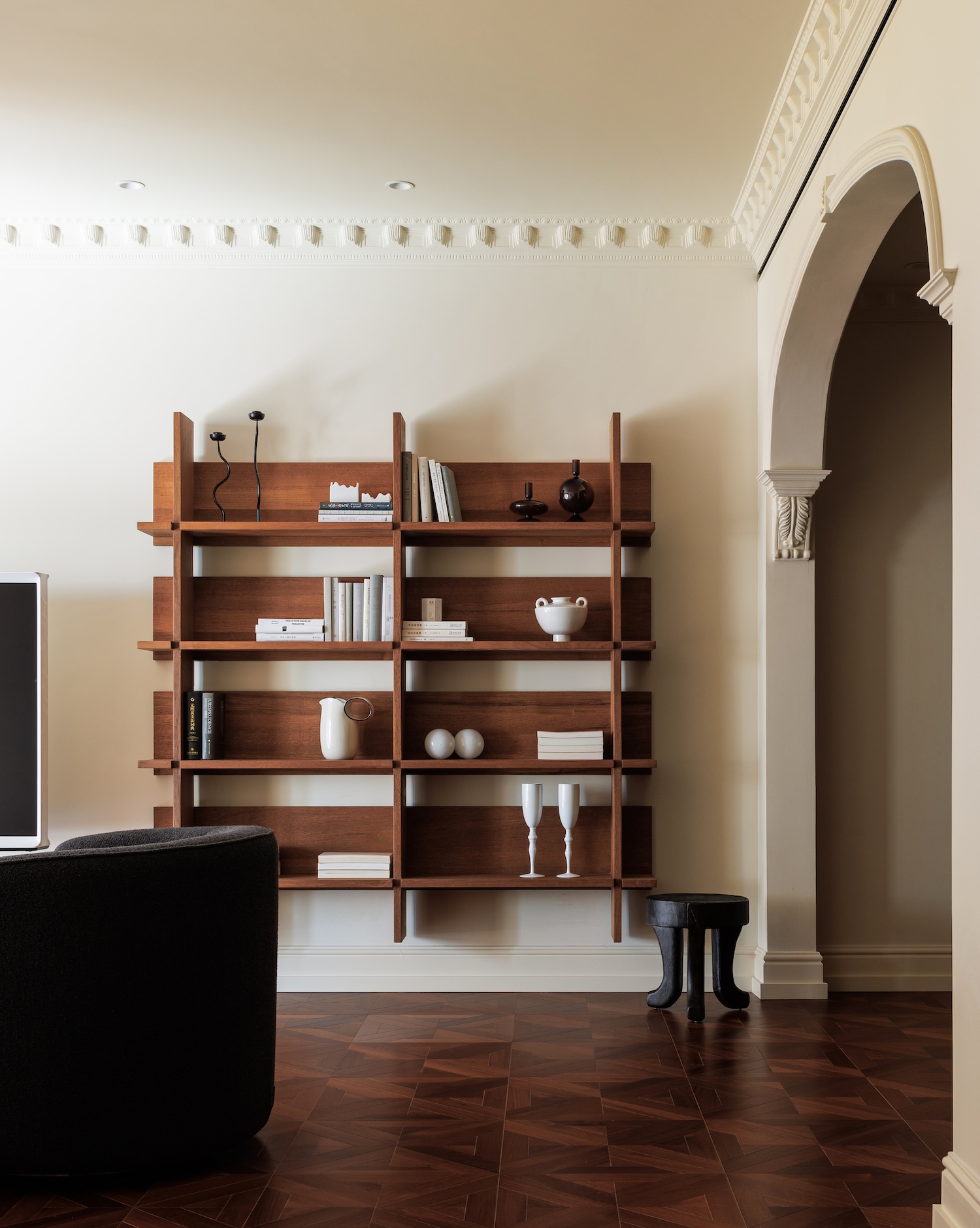
The design’s material vocabulary centers on teak wood, a choice that transcends mere aesthetics. This material appears throughout the home’s key spaces, from the geometrical wood flooring to the carefully crafted cabinetry, creating what might be called a temporal continuity. The wood’s rich grain patterns and warm tones echo mid-century modernism’s material honesty while speaking to contemporary desires for sustainability and permanence in an increasingly disposable world.
The living room exemplifies this dialogue between past and present. Here, a fabric sofa anchors the space with its inviting presence, while a handmade glass pendant light suspended above creates what the designers describe as “a silent timeline” – its layered form capturing and refracting natural light throughout the day. These choices reflect a sophisticated understanding of how materials can mark time’s passage while remaining functionally relevant.
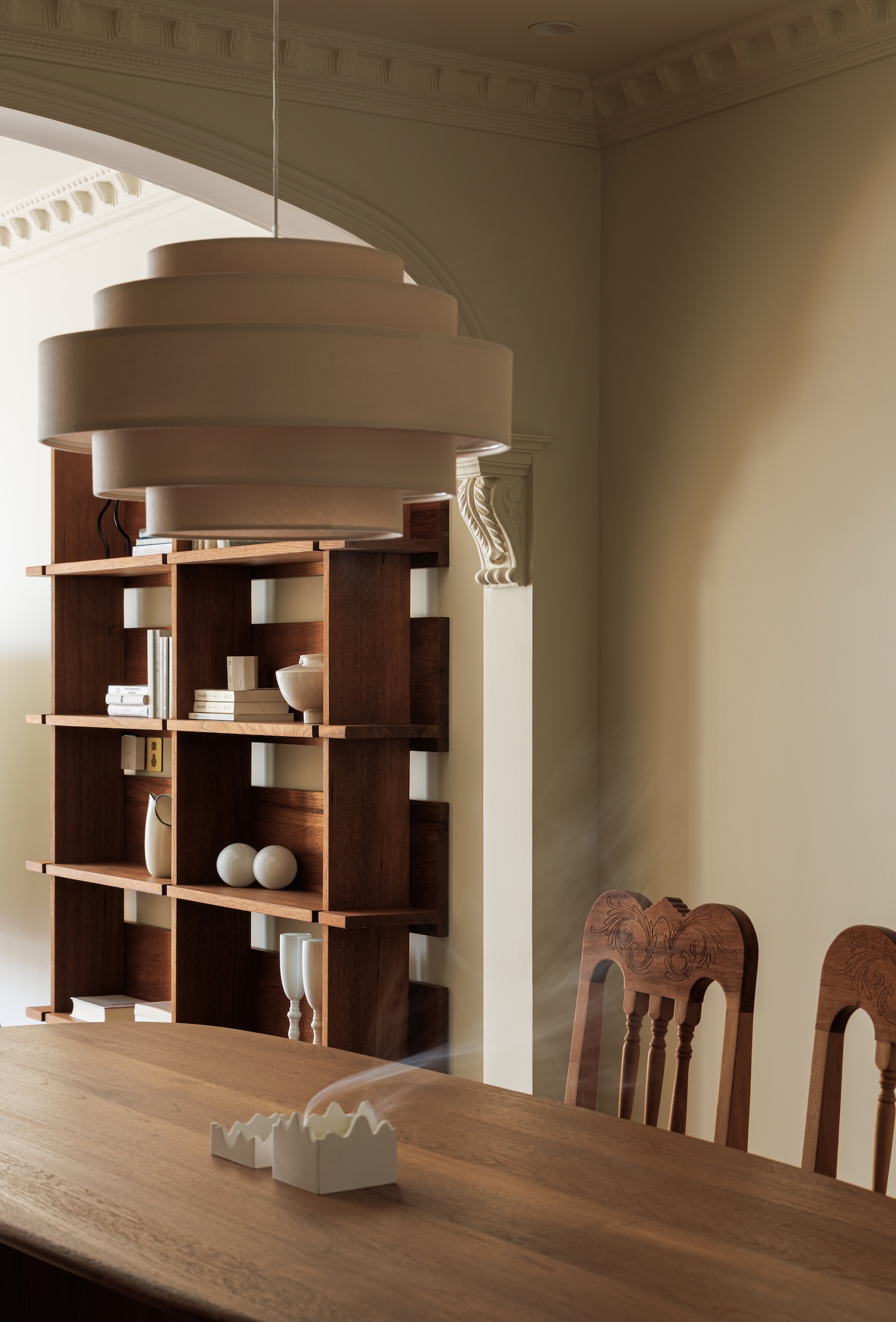
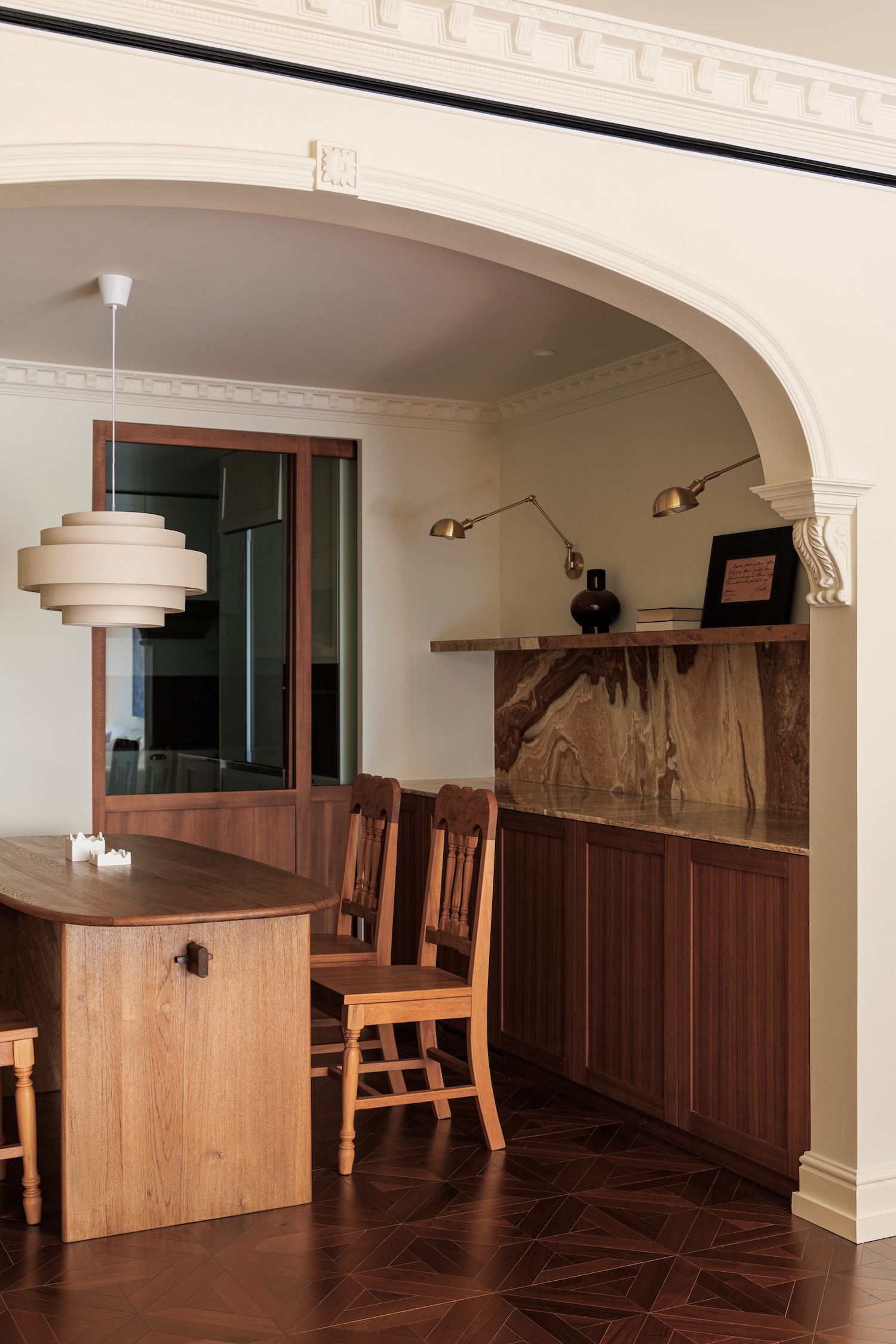
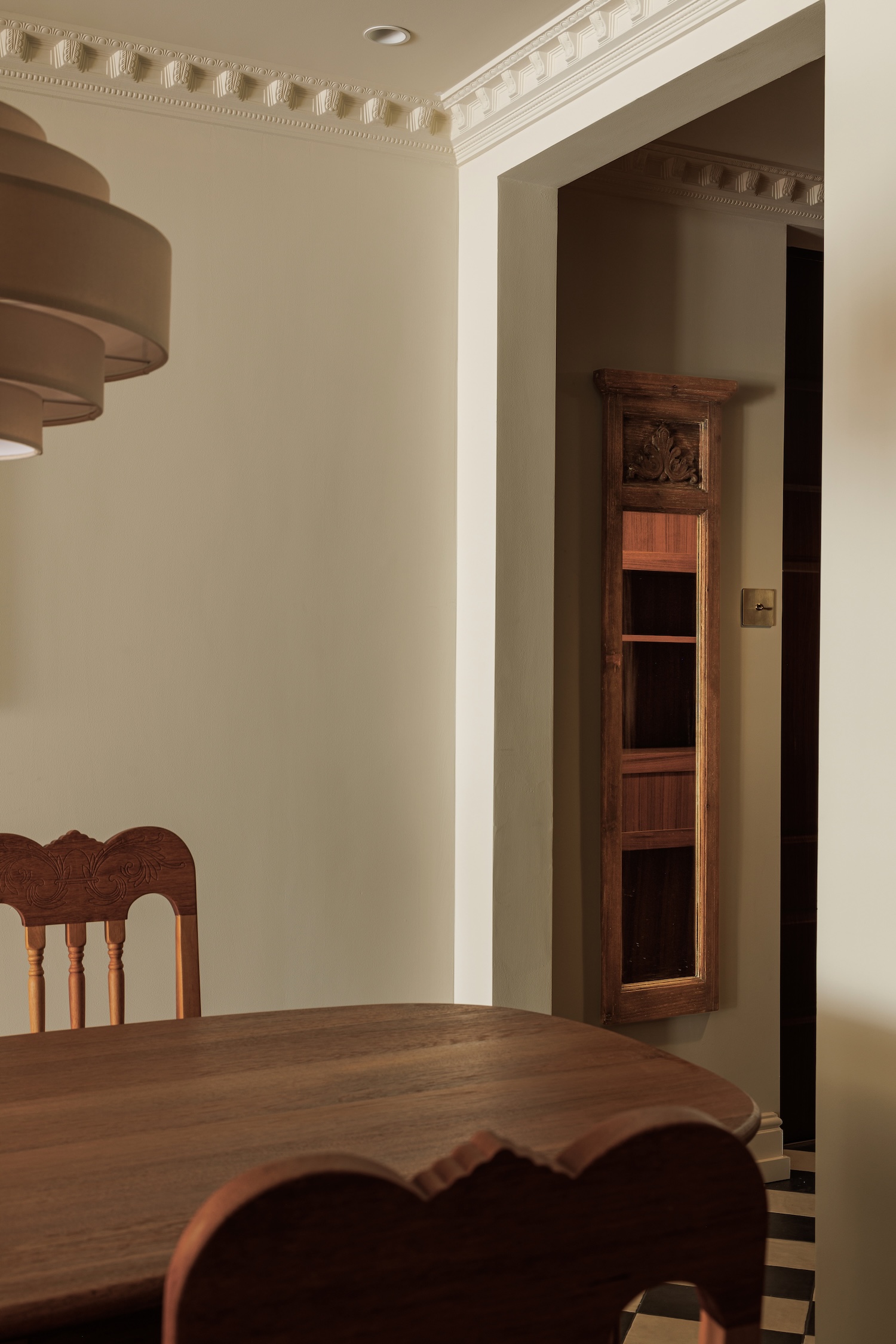
In the dining area, the marriage of materials reaches a crescendo. A substantial wooden dining table, accompanied by intricately carved chairs, creates what the designers term “the heart of the space.” Above, a chandelier introduces an element of lightness, its form softening the robust geometries below. Brass wall sconces add further layers of illumination, their warm glow complementing the teak’s natural warmth.
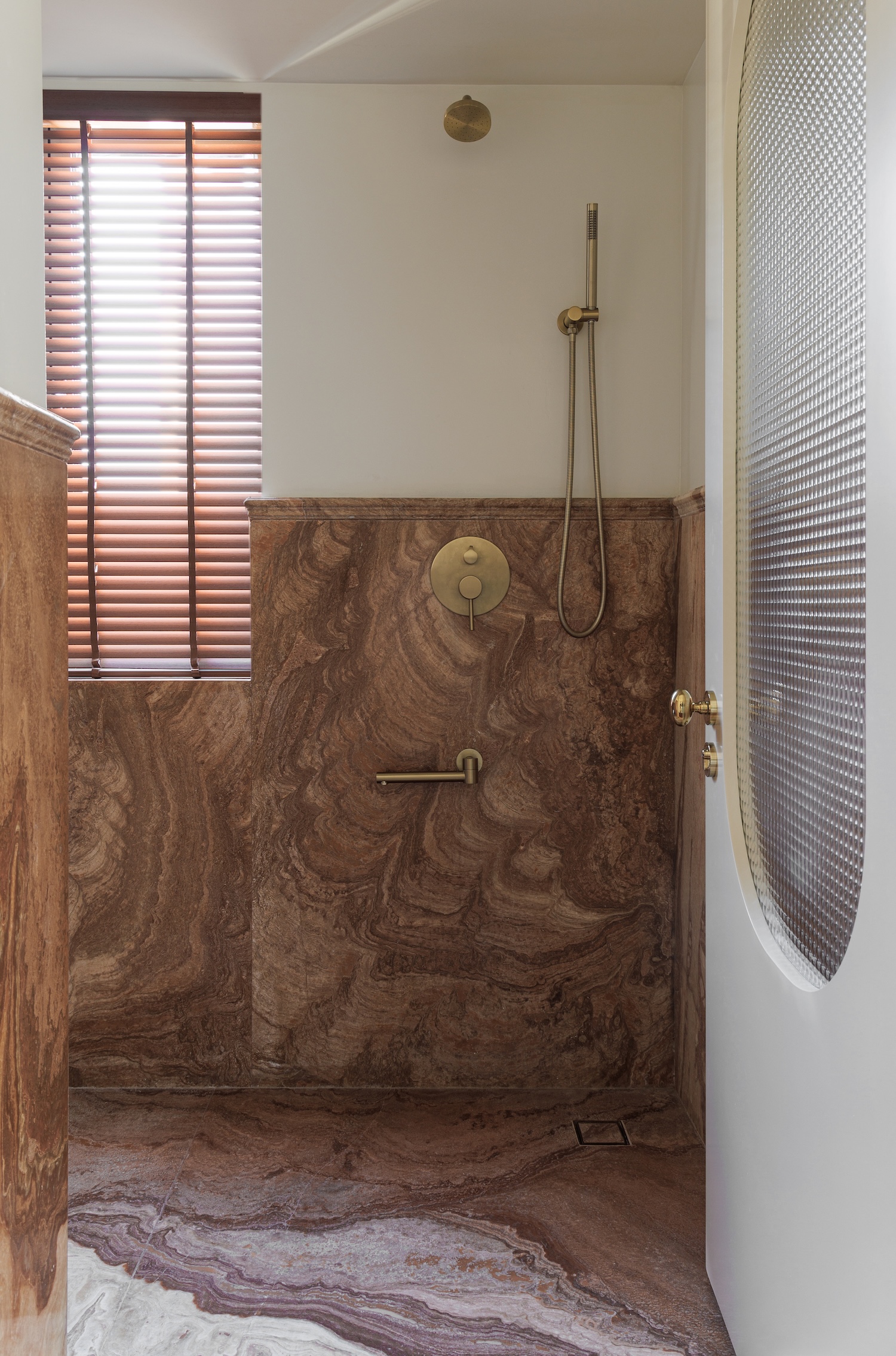
The material narrative continues into private spaces, where marble – particularly in the master bathroom – introduces nature’s own temporal patterns. Its veined surface serves as a reminder of geological time, creating an interesting counterpoint to the more immediate human history evident in the wooden elements. This juxtaposition of materials at different temporal scales demonstrates a sophisticated understanding of how materials can create emotional resonance.
What makes this project particularly noteworthy is its resistance to what might be called “designed obsolescence” – the tendency in contemporary interiors to prioritize immediate visual impact over lasting significance. Instead, every material choice, from the brass fixtures to the cotton-linen textiles, seems selected for its ability to age gracefully, to accumulate what the Japanese call “sabi” – the patina of use and time.