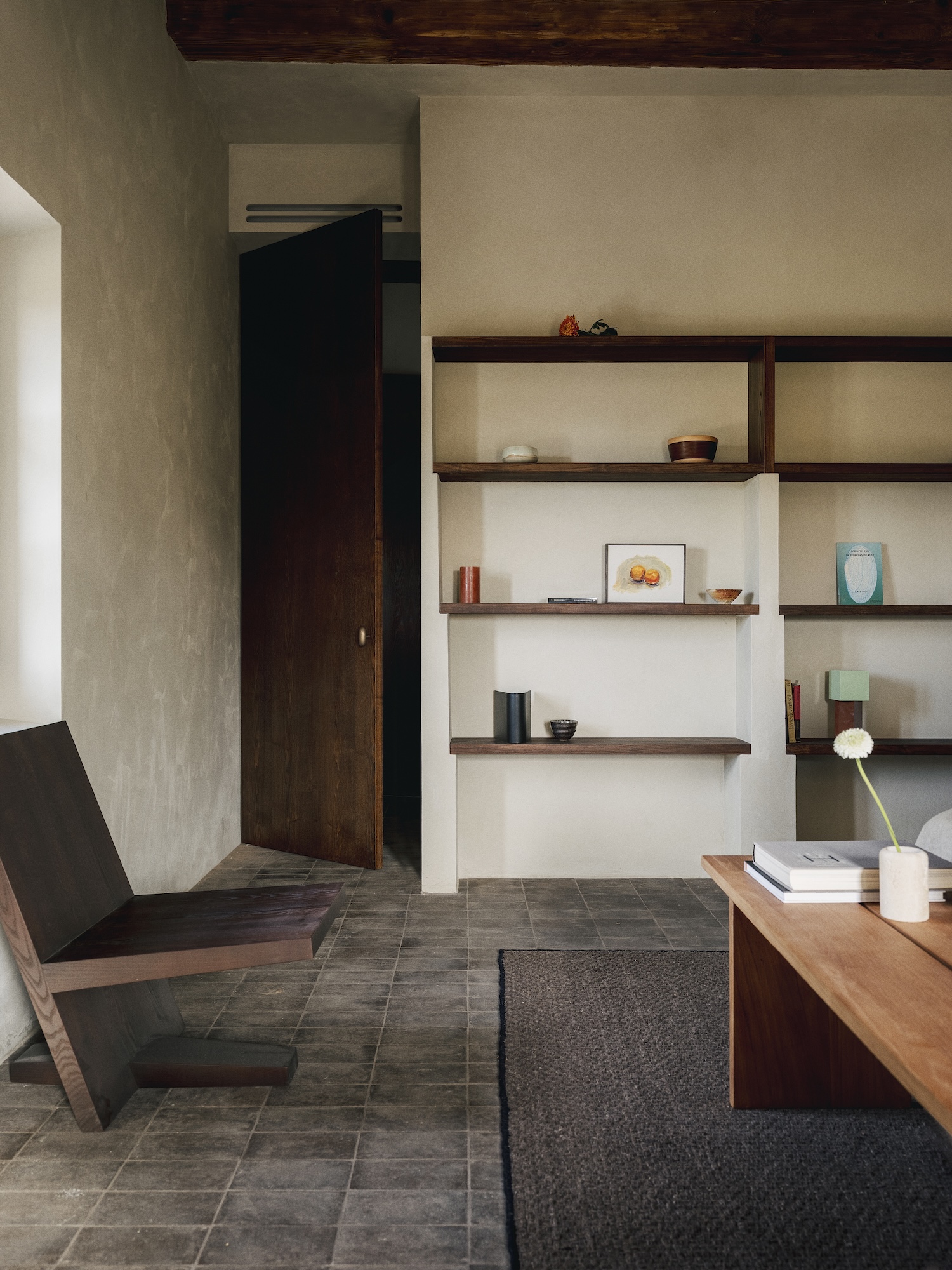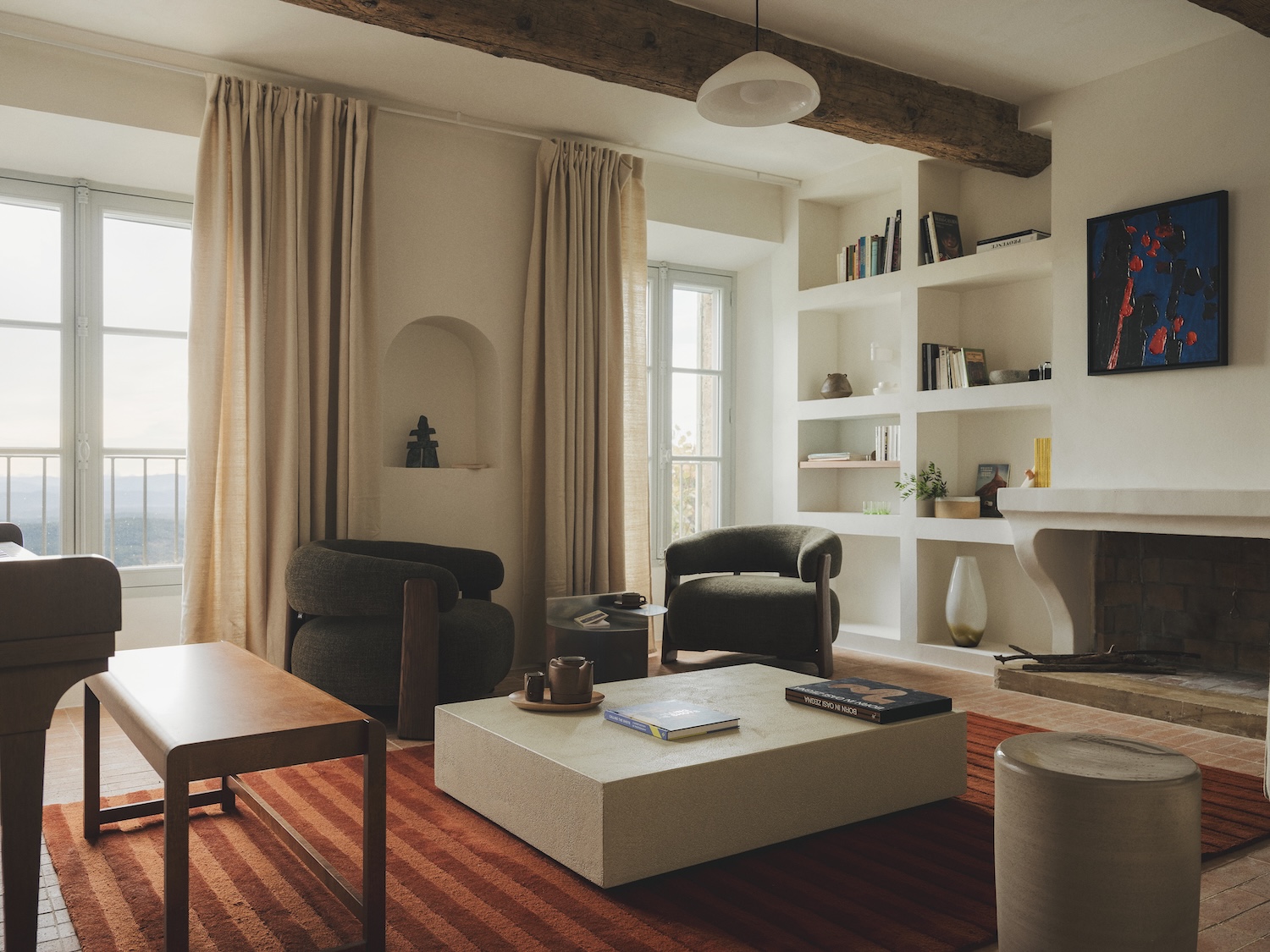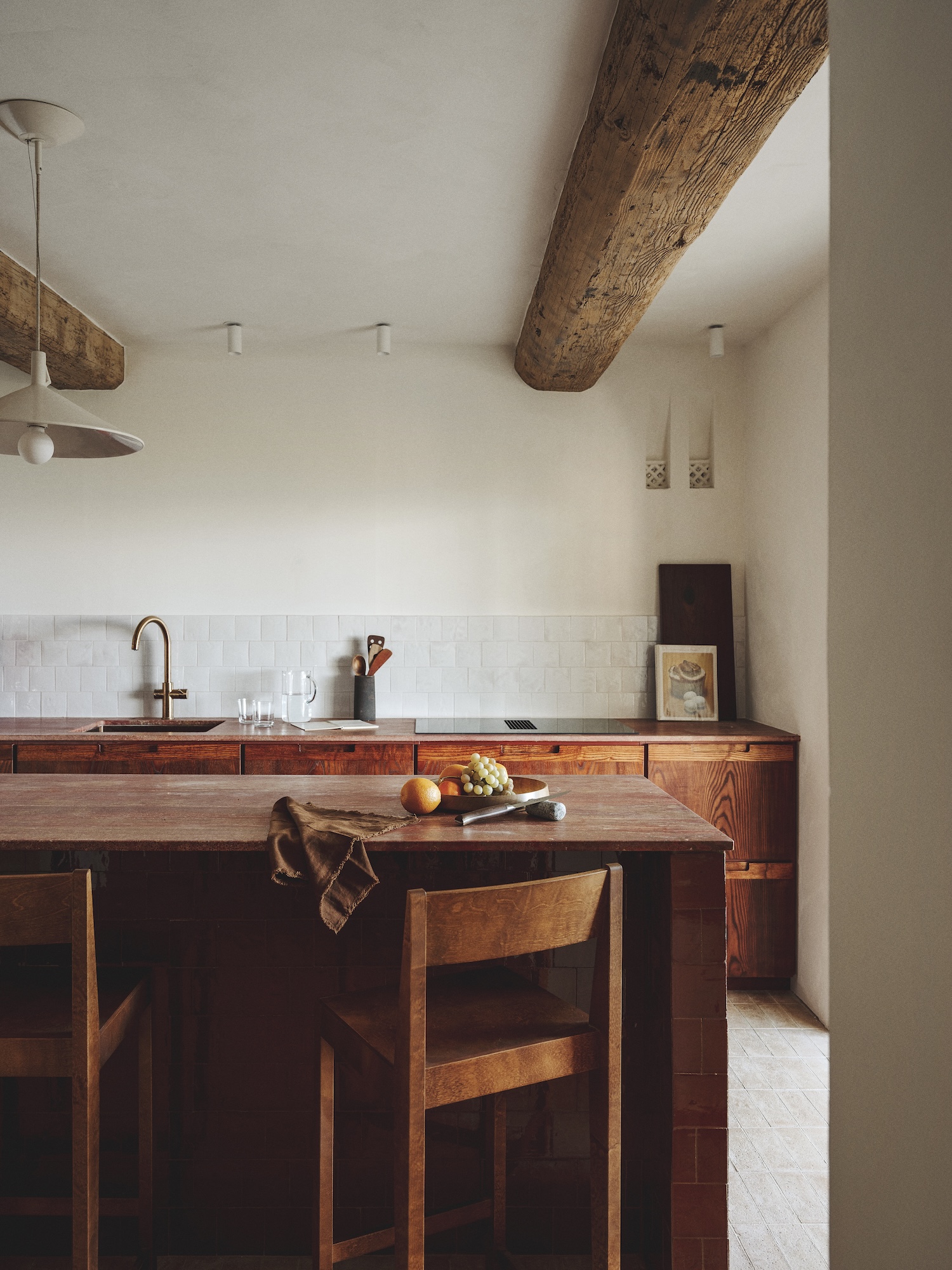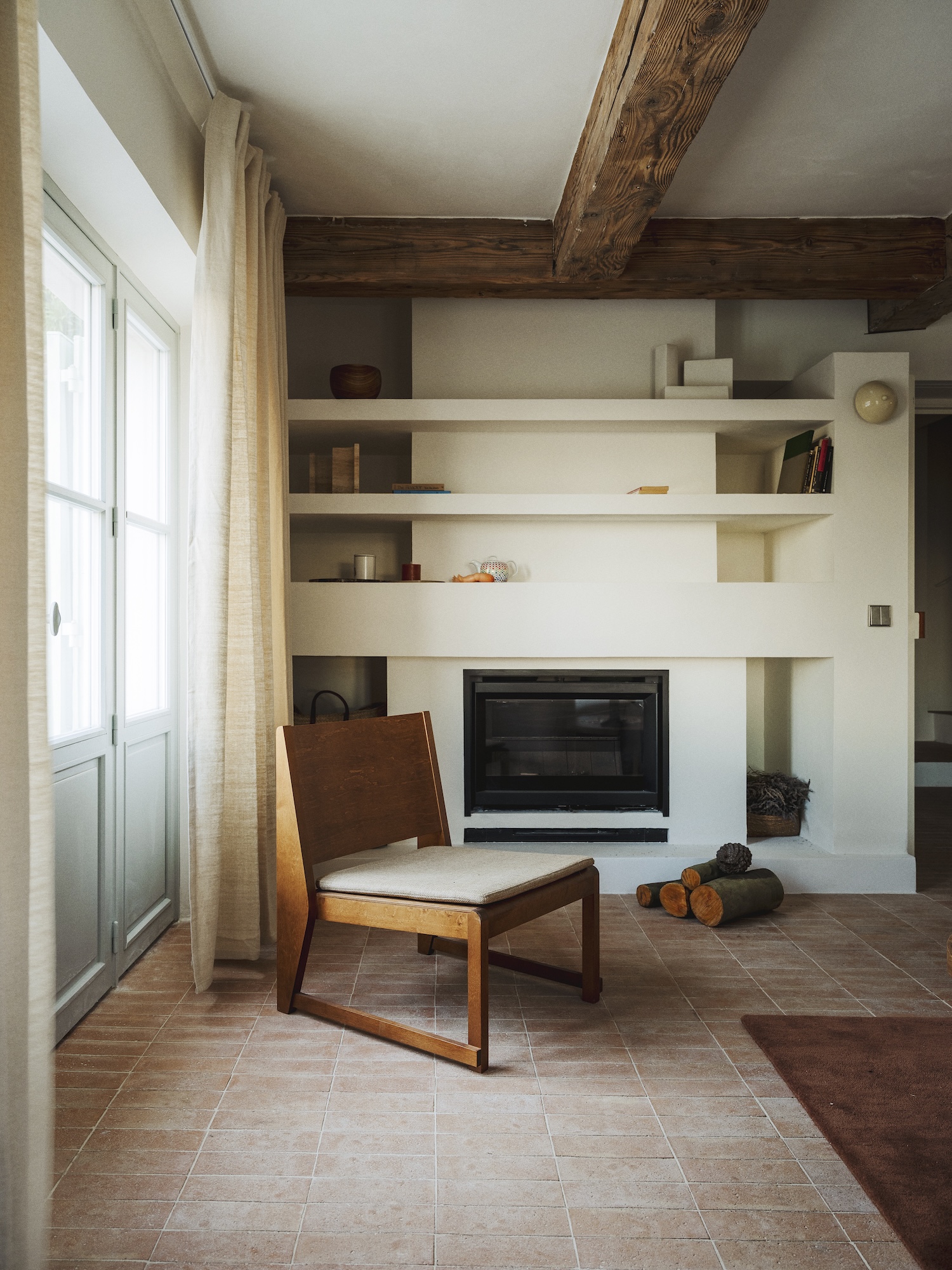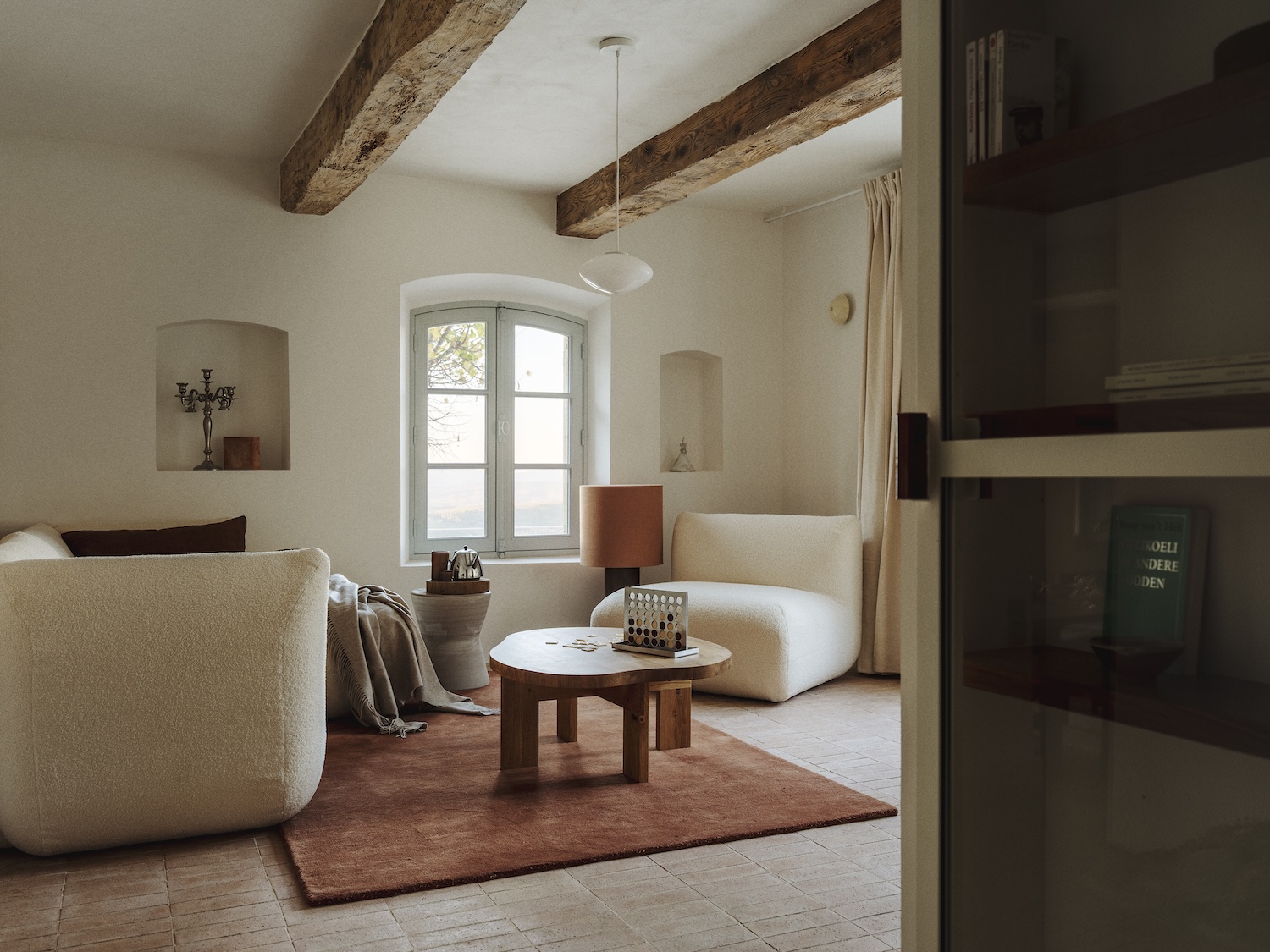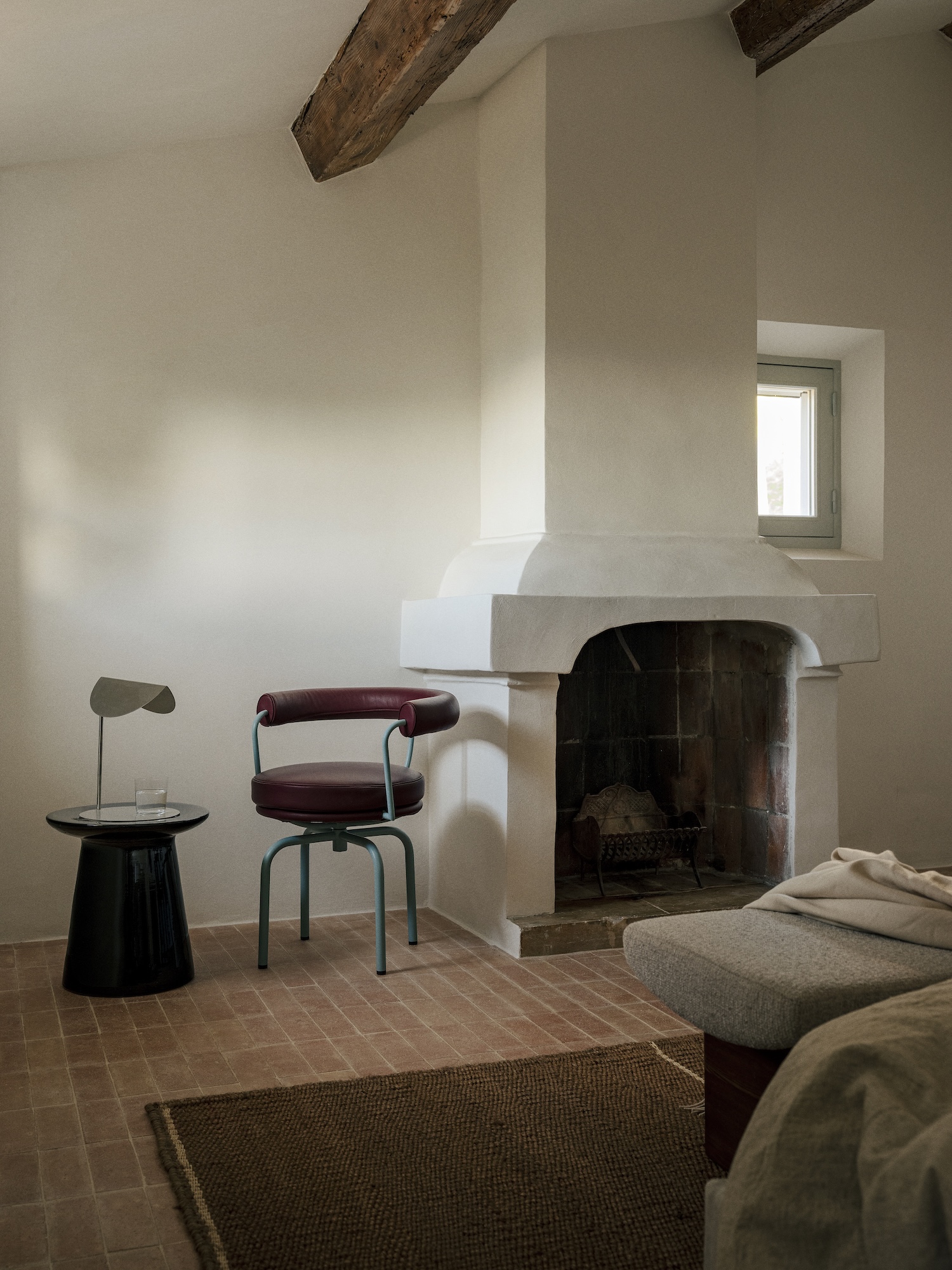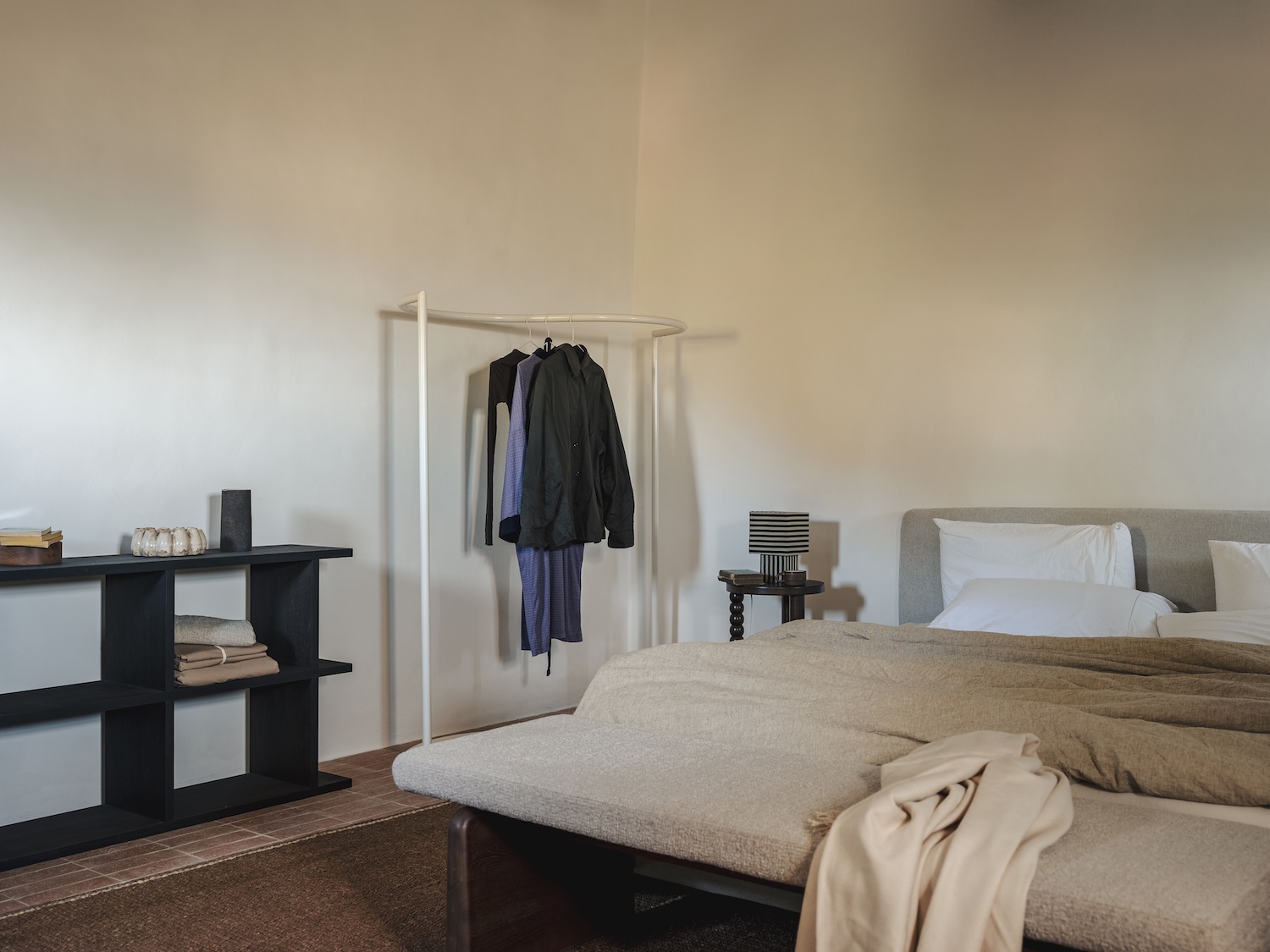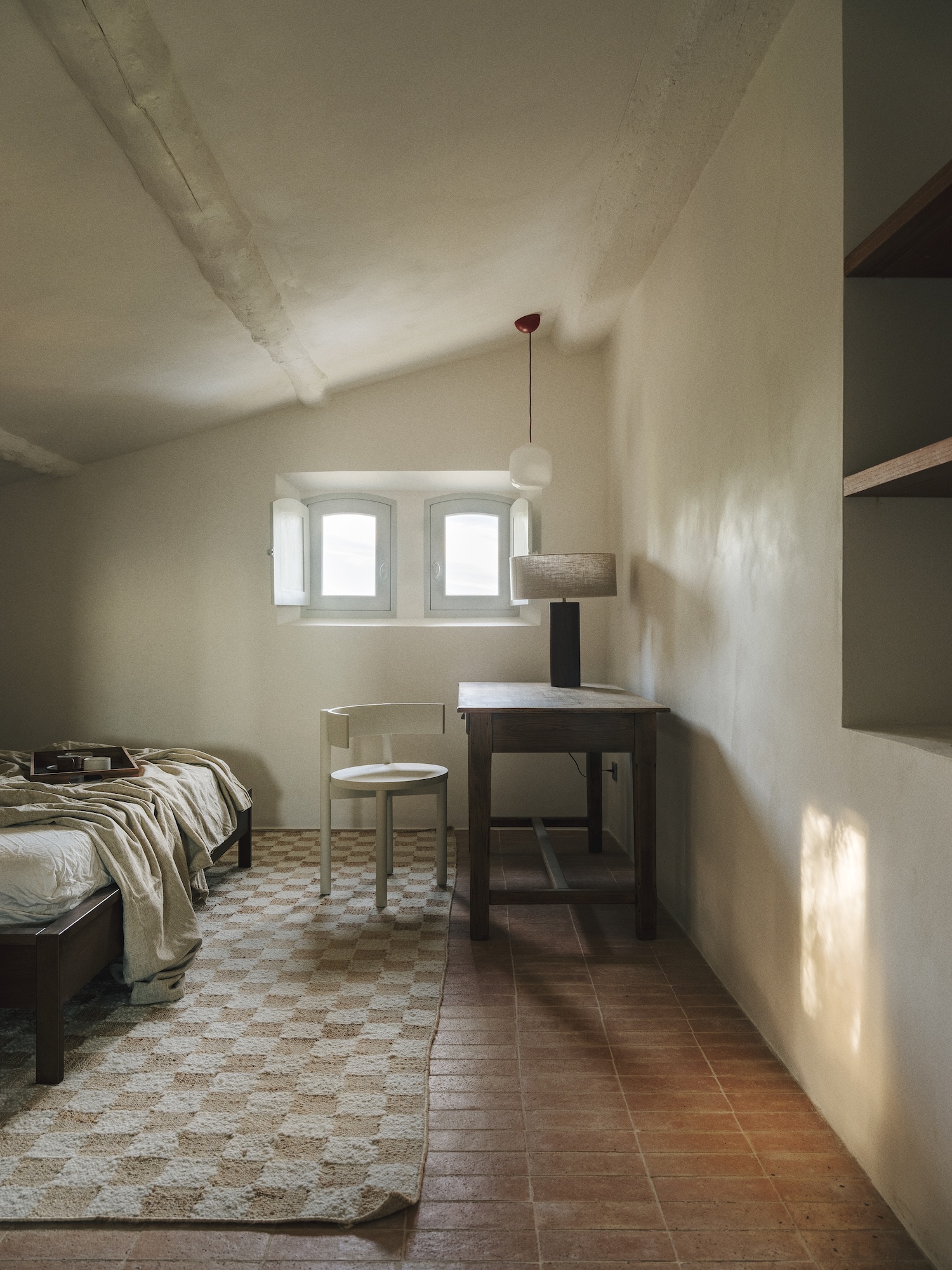
TOURTOUR is a minimalist residence located in Tourtour, France, designed by Pareil in collaboration with Studio Nolet. Perched in the hilltop village of Tourtour – sometimes called the village in the sky of Provence – this 320-square-meter renovation confronts one of the more demanding briefs in contemporary residential architecture: how to intervene in a historic Provençal mas without either freezing it in nostalgic amber or erasing the accumulated character of its stone walls and sun-bleached volumes. Pareil, working alongside Studio Nolet and landscape designer Sigmap, answers that question through a discipline of restraint that lets the existing fabric breathe while introducing a contemporary sensibility that feels entirely at home in the garrigue landscape.
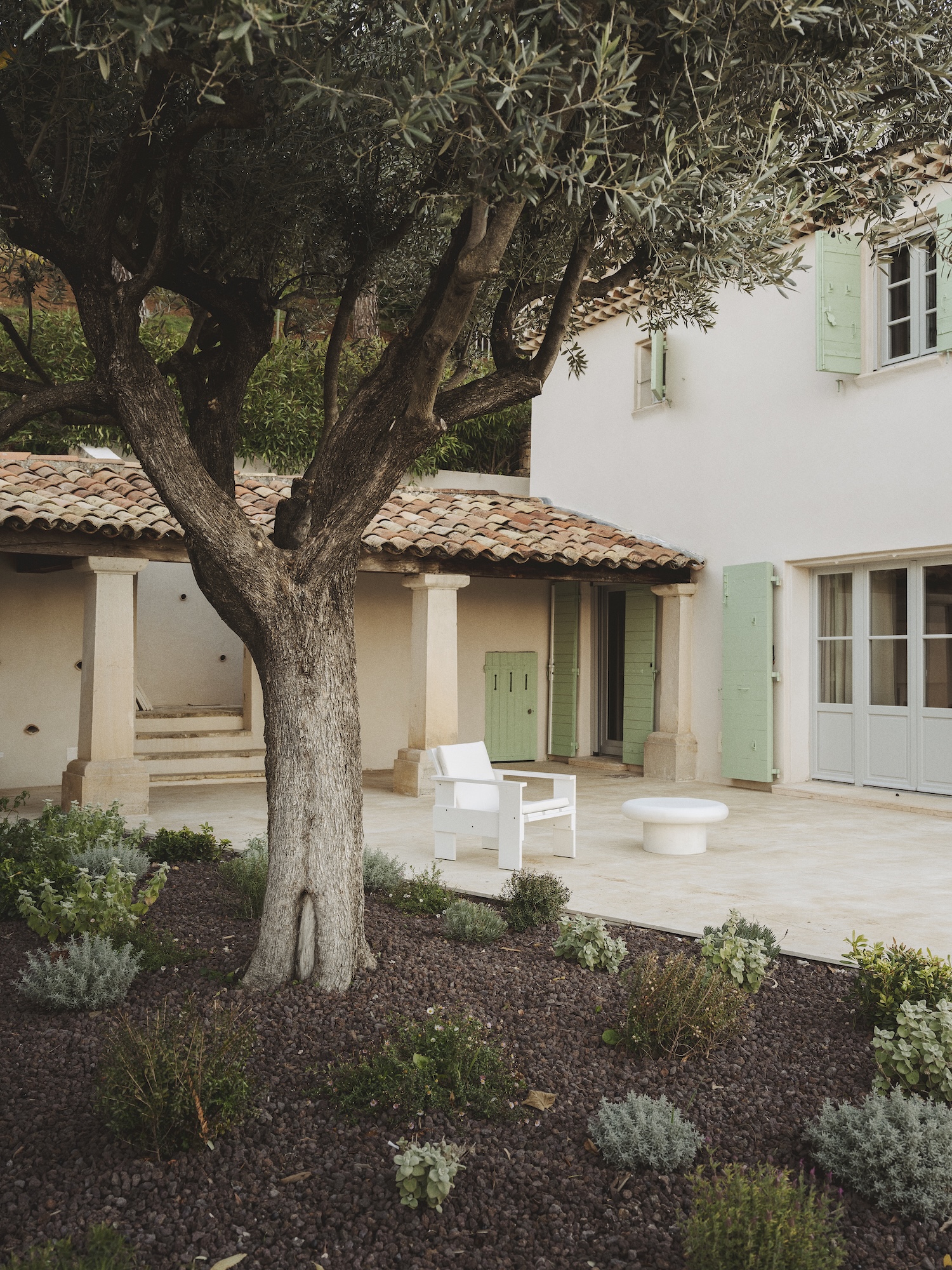
The exterior remodeling respects the massing logic of traditional Provençal construction – thick load-bearing walls, deeply recessed openings, a profile that reads as grown rather than designed – while stripping away the accretions that had softened the building’s structural honesty. The material palette draws directly from the site’s geological context. BTP Prestige handled the masonry and stonework, and that choice of specialist contractor matters: dry-stone and rubble-stone construction in this region carries centuries of tacit knowledge about how local limestone weathers, how mortar joints should read against dressed stone, and how walls negotiate the extreme thermal cycles of a Mediterranean climate.
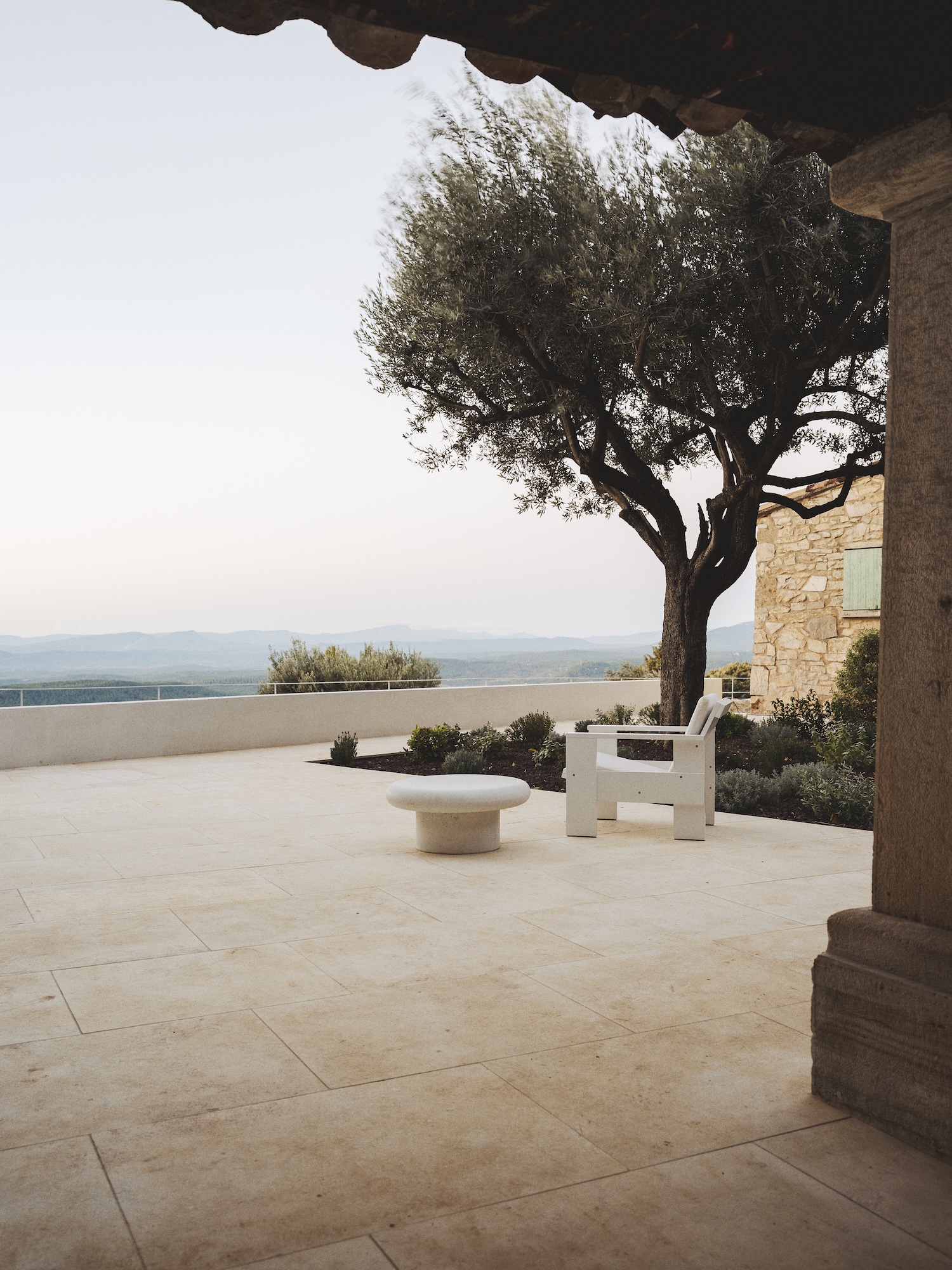
The landscaping across 4,130 square meters of land – designed by Sigmap and executed by Auffray Paysage – extends this material logic outward. Provençal landscape design at its most rigorous resists the temptation of horticultural abundance, instead working with the existing olive groves, lavender, and indigenous scrub in a way that reads as tended rather than planted. The boundary between architecture and landscape dissolves in the way it does in the best work coming out of southern France, where the ground plane, the terrace wall, and the building plinth operate as a continuous system rather than a sequence of separate interventions.
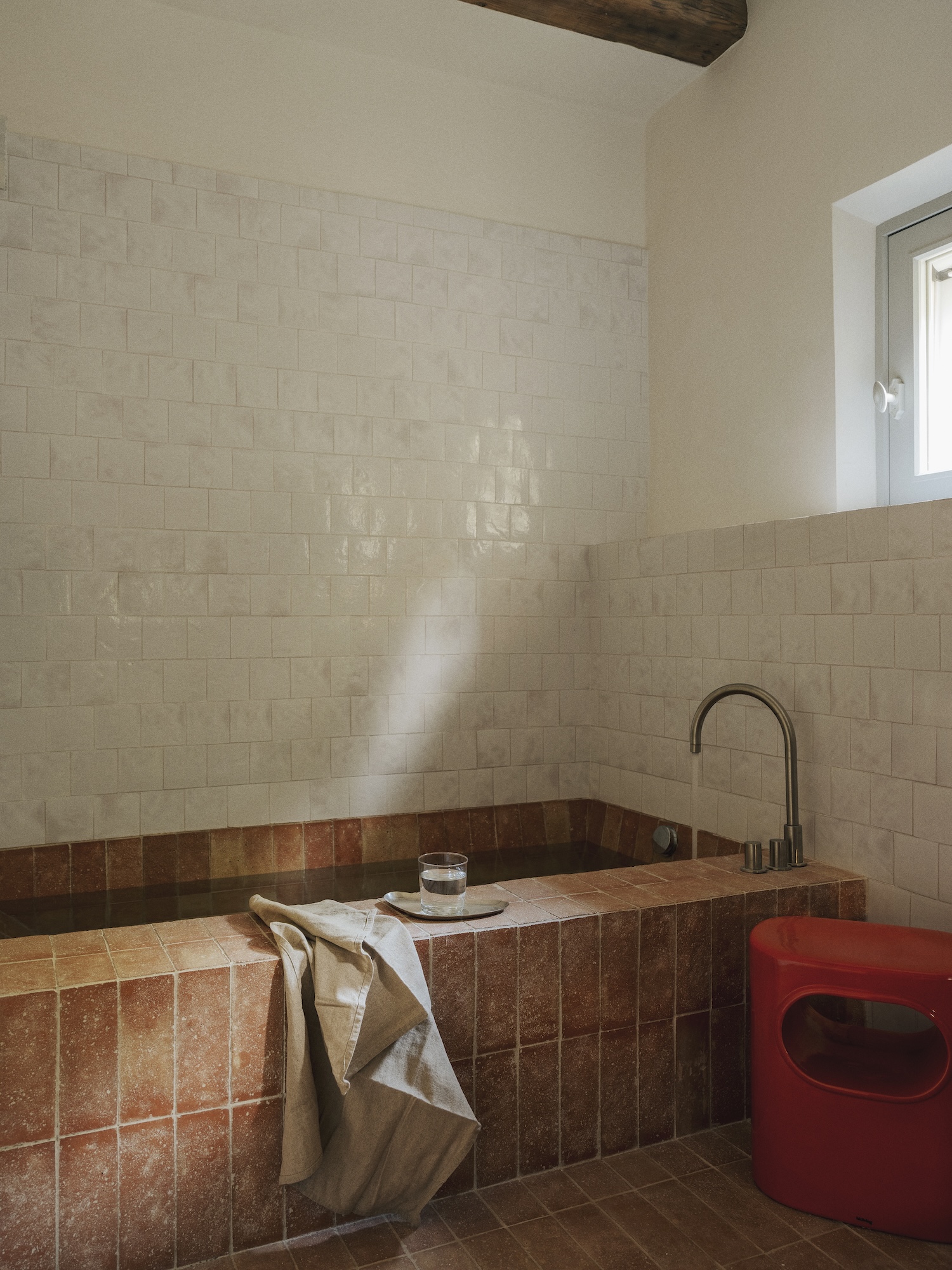
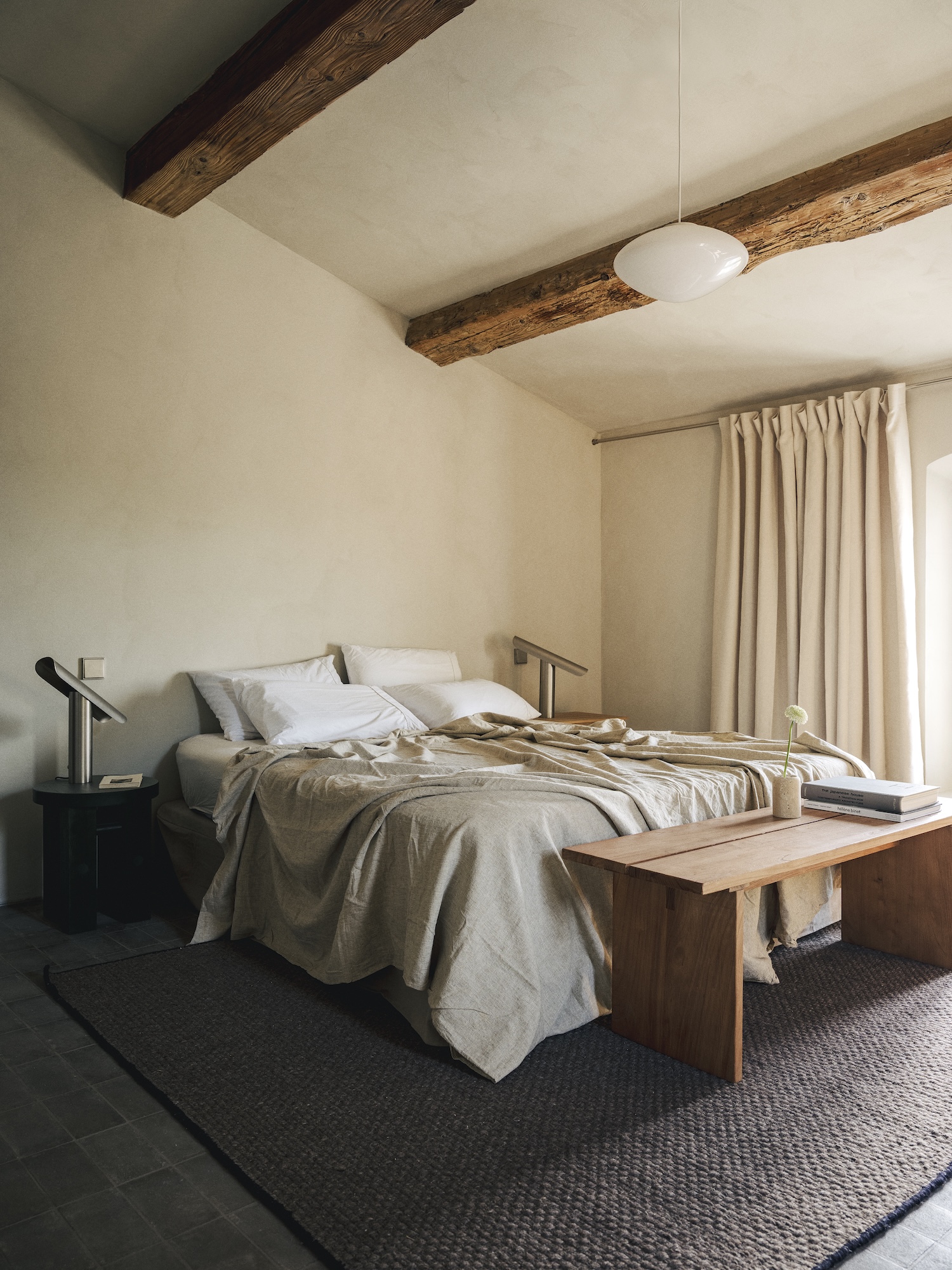
Inside, the collaboration between Fred Fabric on interior joinery, Marbrerie Pisicchio on marble work, and upholstery by Marie Halard suggests an interior that balances the thermal weight of stone with warmer domestic materials. This kind of craft-led approach to interior specification – sourcing each element from regional specialists rather than assembling a single contractor’s catalogue – is characteristic of a certain strand of French residential practice that values heterogeneity of making over decorative consistency. The exterior joinery by Woodwork and locksmithing by Soudure Duret carry the same logic: each element resolved by a maker with specific material expertise.