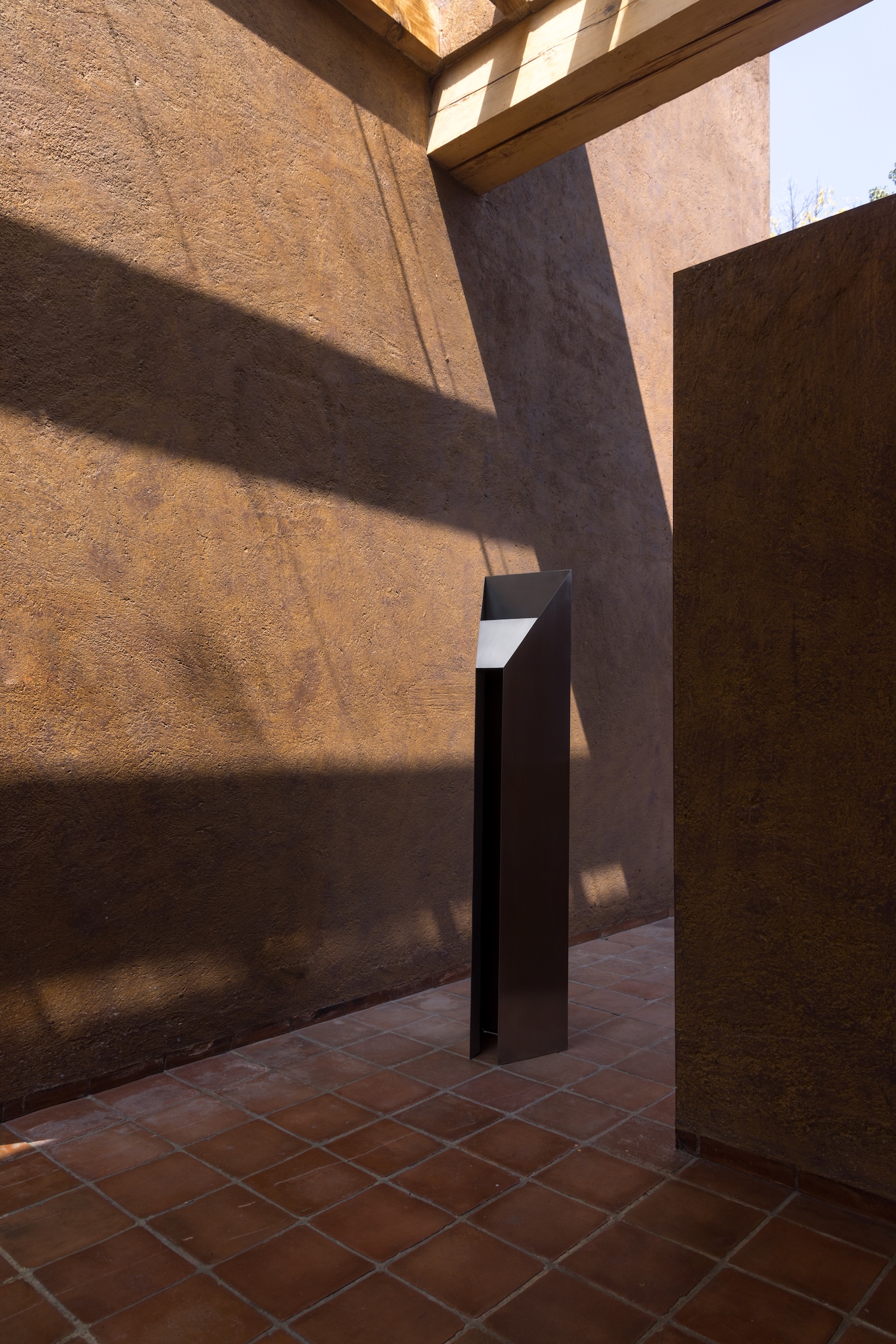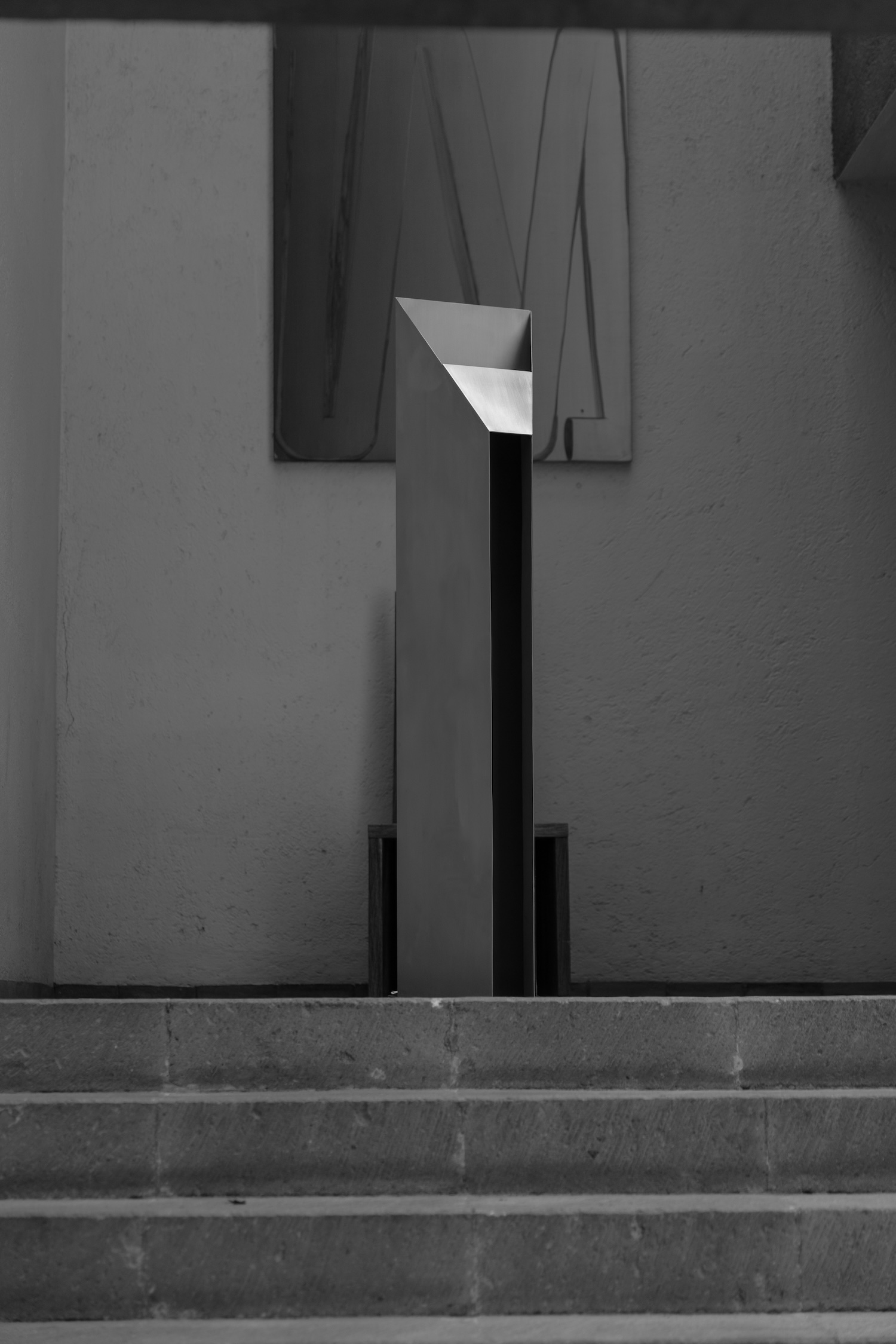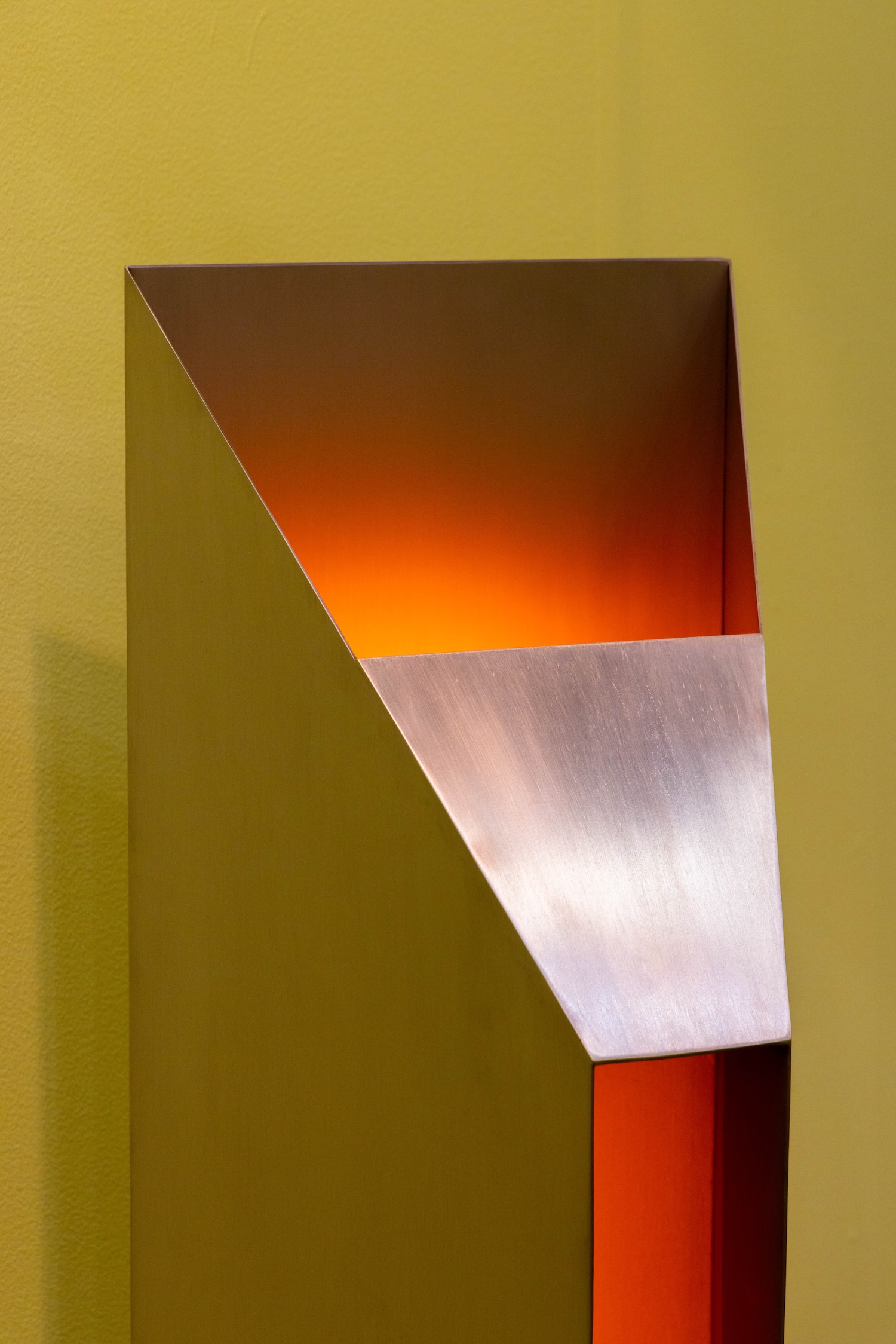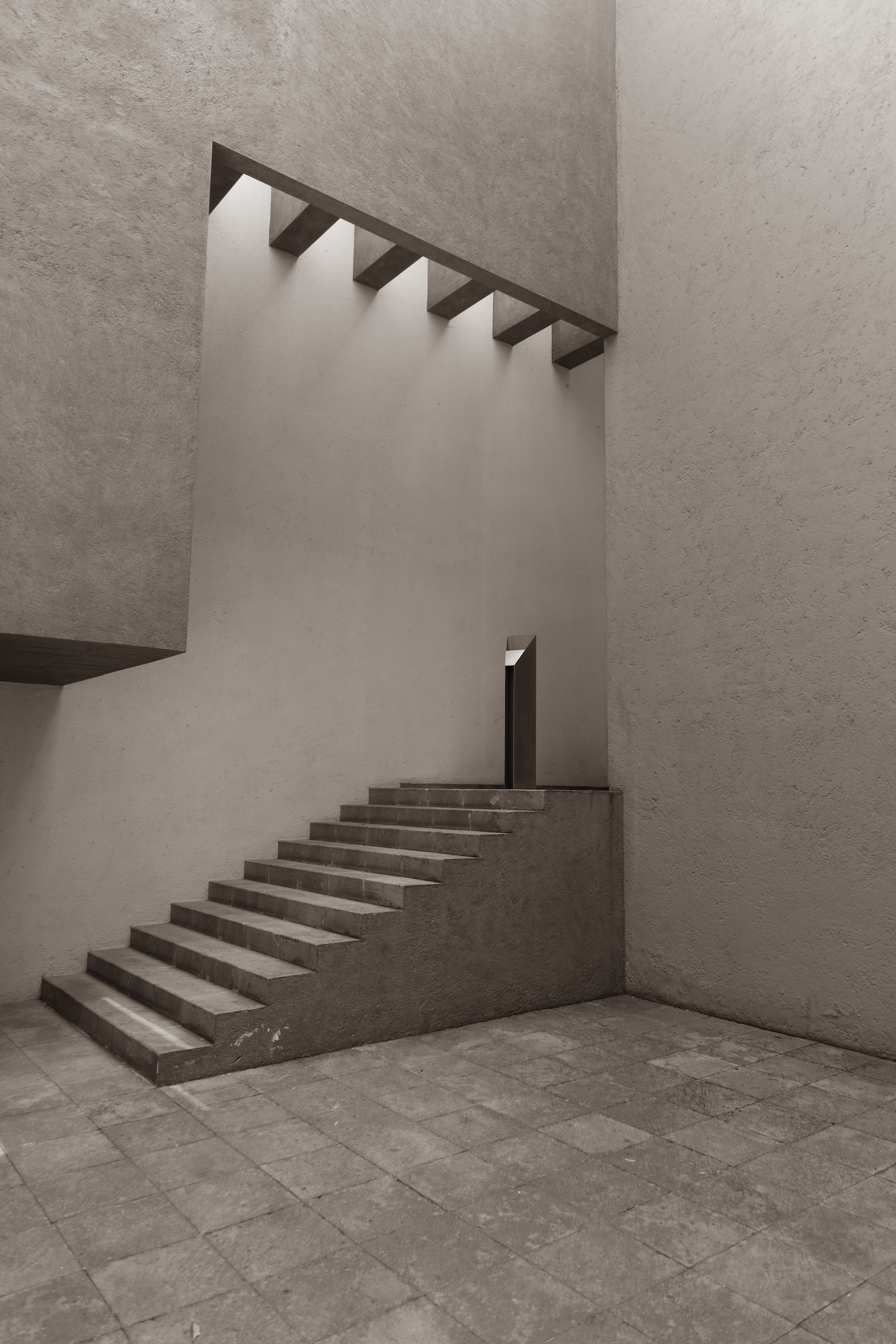
Fragua Lamp is a minimalist light designed by Mexico City-based studio Siete Studio. In the depths of a metalworker’s forge, where raw steel meets transformative flame, lies the genesis of the Fragua lamp – a meditation on material metamorphosis that transcends mere functionality. Like the ancient forges that gave birth to civilization’s earliest tools, this sculptural lighting piece honors the elemental dance between fire and metal while speaking a distinctly contemporary design language.
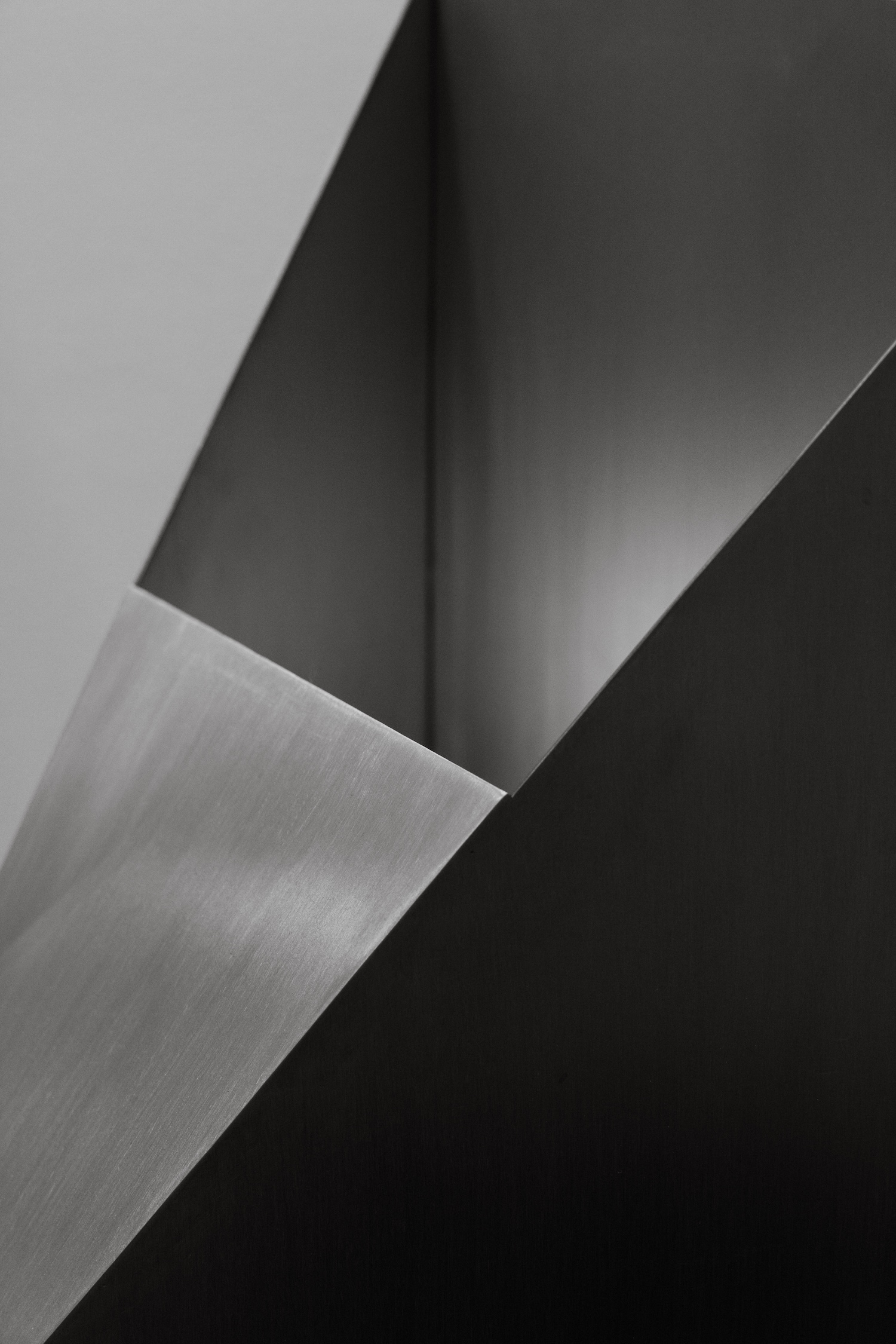
The lamp’s brutal geometry belies the delicate mastery required in its crafting. Each stainless steel plane is precisely cut and welded to create a monolithic form that appears both weightless and immovable. This duality captures the essence of metalworking itself – the transformation of an industrial material into something that approaches the ethereal.
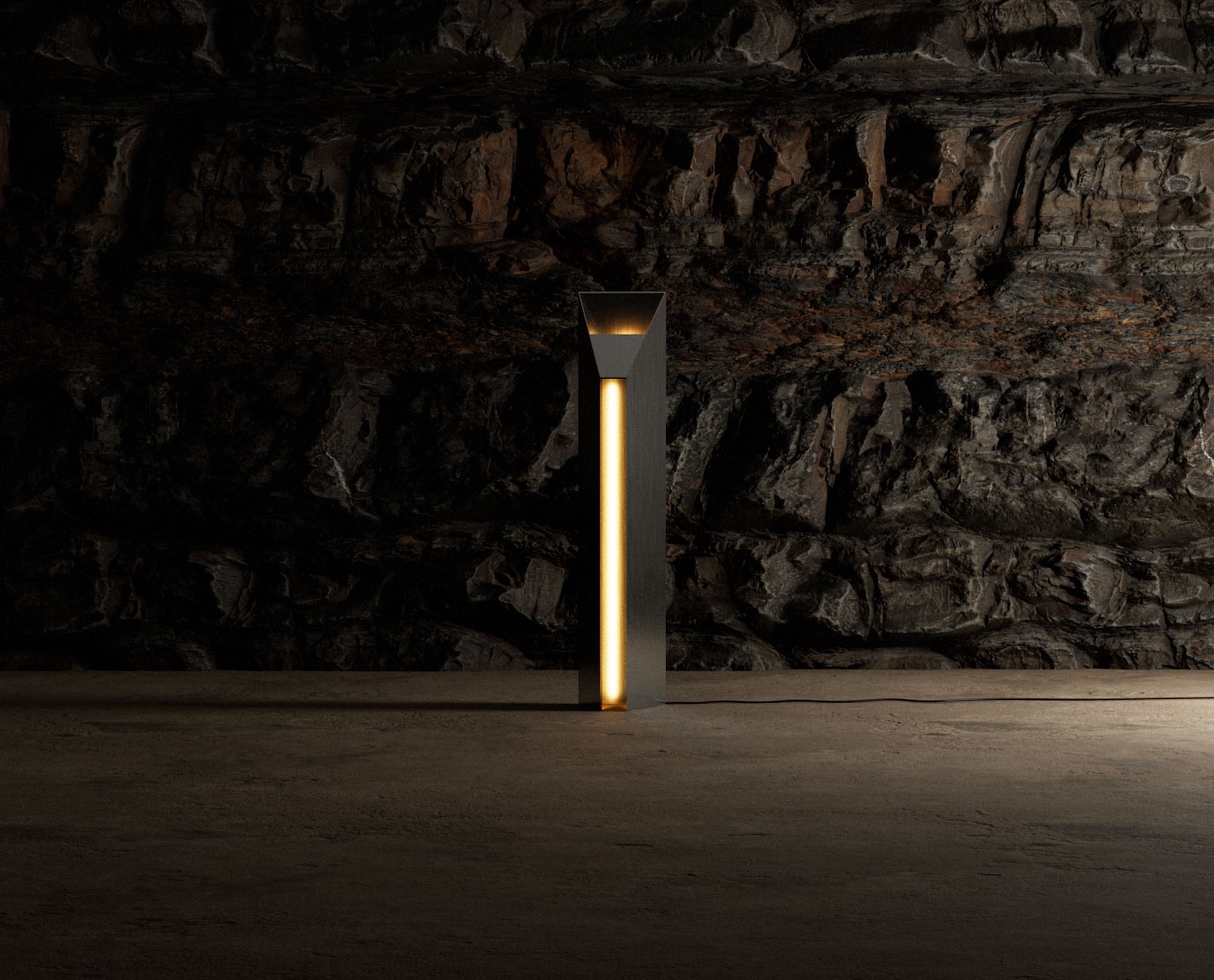
The name “Fragua,” Spanish for forge, grounds the piece in metallurgical heritage while pointing toward new possibilities in lighting design. Its warm interior LED illumination creates an almost alchemical effect, as if the forge’s fire still burns within, transforming the cold steel exterior into a beacon of ambient light. This interplay between industrial materials and gentle illumination exemplifies how contemporary designers are reinterpreting brutalist principles through a more nuanced, livable lens.
What distinguishes the Fragua lamp is its ability to exist simultaneously as functional object and sculptural presence. Its geometric composition recalls the angular forms of mid-century brutalist architecture, yet its careful attention to scale and proportion makes it an intimate presence in residential spaces. The designers’ “observational study on the relationship between earth and fire” manifests in every facet of the piece – from its grounded stance to its illuminated core.
The handcrafted nature of each lamp speaks to a broader movement in contemporary design that values artisanal processes while embracing modern technologies. The LED integration demonstrates how traditional craftsmanship can be enhanced rather than replaced by technological innovation. This synthesis of old and new techniques creates an object that feels both timeless and decidedly modern.