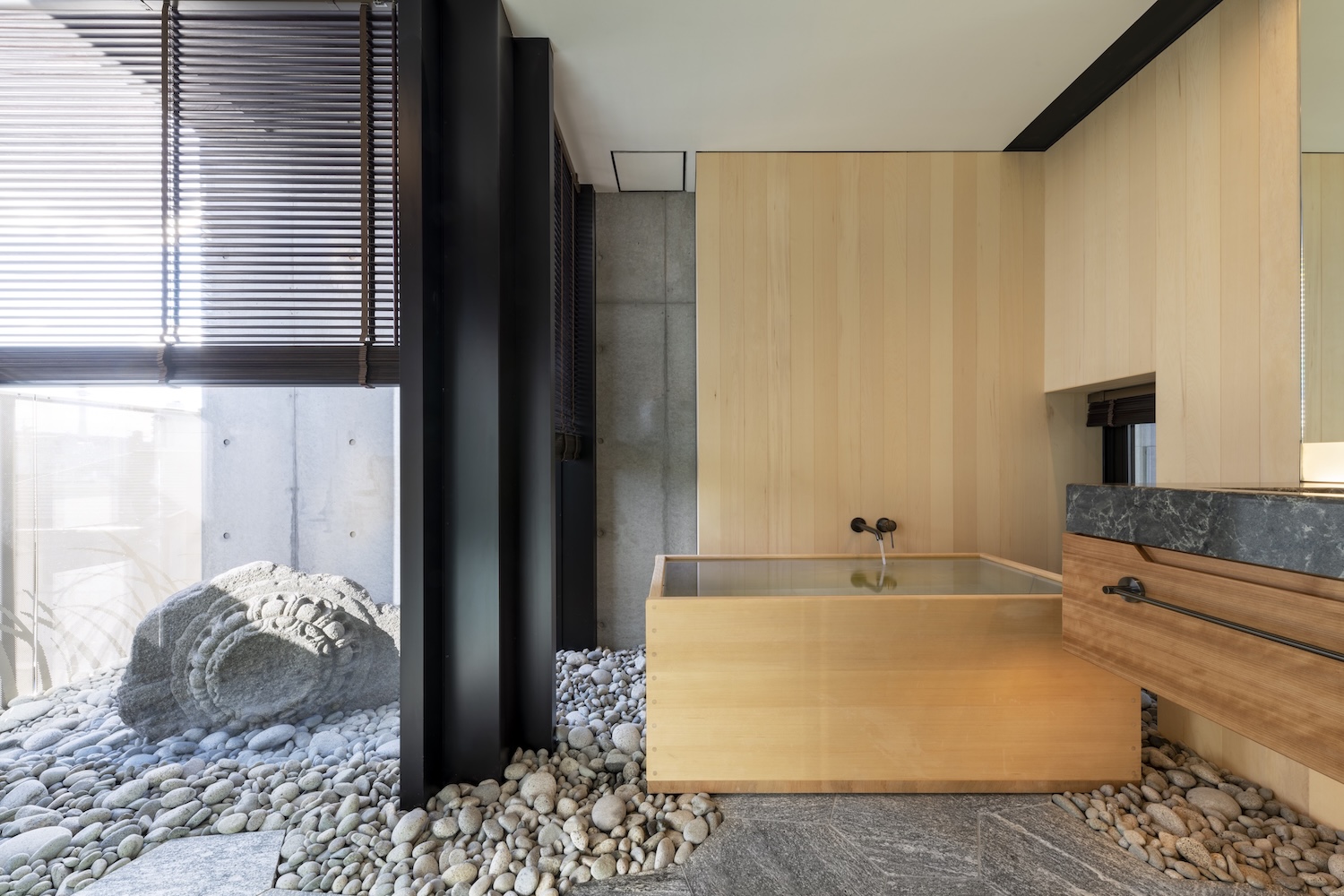
Genji Kyoto is a luxury boutique hotel located in Kyoto, Japan, designed by architect Geoffrey P. Moussas. In the quiet corner of a riverside Kyoto neighborhood, concrete bears the ghostly imprint of cedar—warm, textured surfaces that whisper contradictions. This material alchemy forms the foundation of Genji Kyoto, a boutique hotel where ancient literary heritage manifests in contemporary architectural language. Like the eleventh-century novel that inspired its name, the hotel reveals itself gradually, creating a narrative experience that unfolds through space rather than pages.
“The architectural concept of the Genji Kyoto can best be described as one that is striving for a true Japanese experience through materiality and spatial techniques,” explains Geoffrey P. Moussas, the New York-born, Kyoto-based architect who has masterfully orchestrated this dialogue between past and present. His approach honors the machiya townhouse typology without resorting to historicist mimicry, instead capturing the essence of Heian-period architecture through spatial philosophy rather than superficial aesthetics.
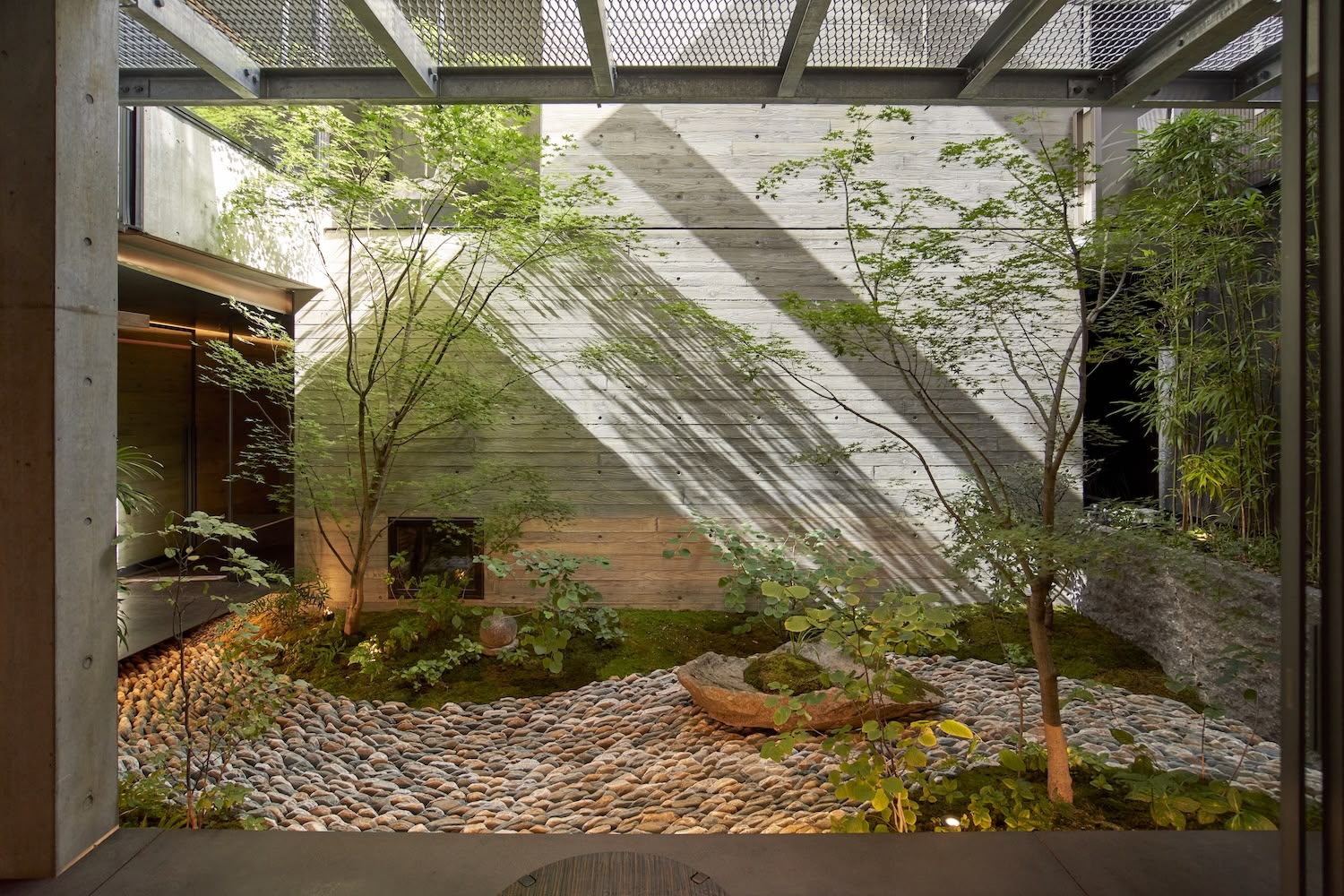
The hotel’s organization—two wings connected by a bridge spanning a Zen garden—echoes the footprint of four traditional machiya that once occupied the site. This architectural gesture acknowledges the urban palimpsest while establishing a new presence that rises five stories to culminate in a rooftop garden with panoramic views. The vertical progression represents a radical departure from traditional machiya forms, yet the integration of pocket gardens throughout maintains the essential Japanese principle of interpenetrating interior and exterior realms.
What distinguishes Genji Kyoto is its layered approach to sustainability. Beyond material choices, the project demonstrates a commitment to cultural sustainability through its collaborations with local craftspeople. The washi windows designed by Eriko Horiki exemplify this philosophy. Horiki, who has single-handedly revitalized traditional washi paper craft for contemporary applications, creates dramatic lighting effects that transform the hotel’s lobby into a space of ethereal beauty. Her work demonstrates how traditional crafts can evolve without losing their essential character.
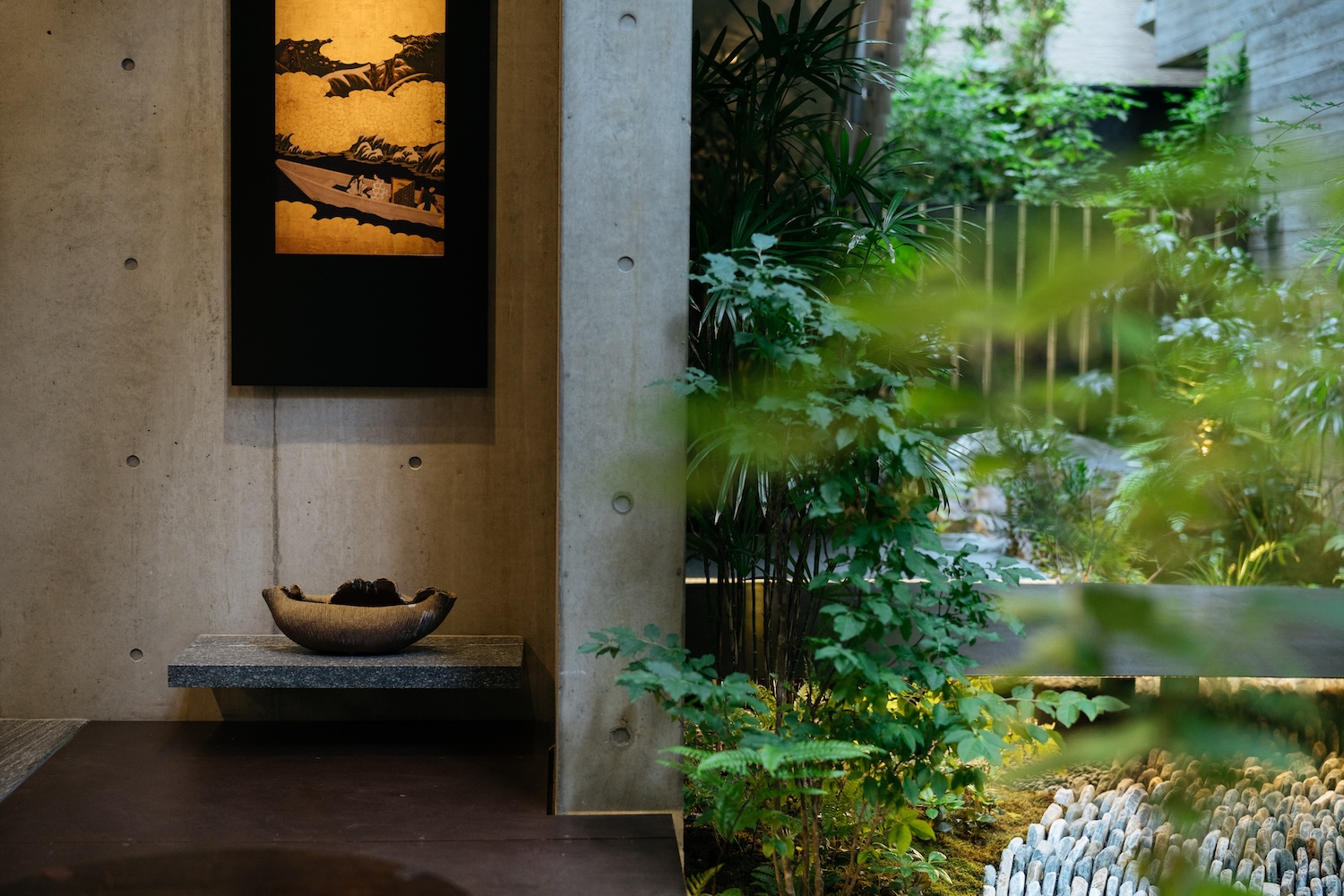
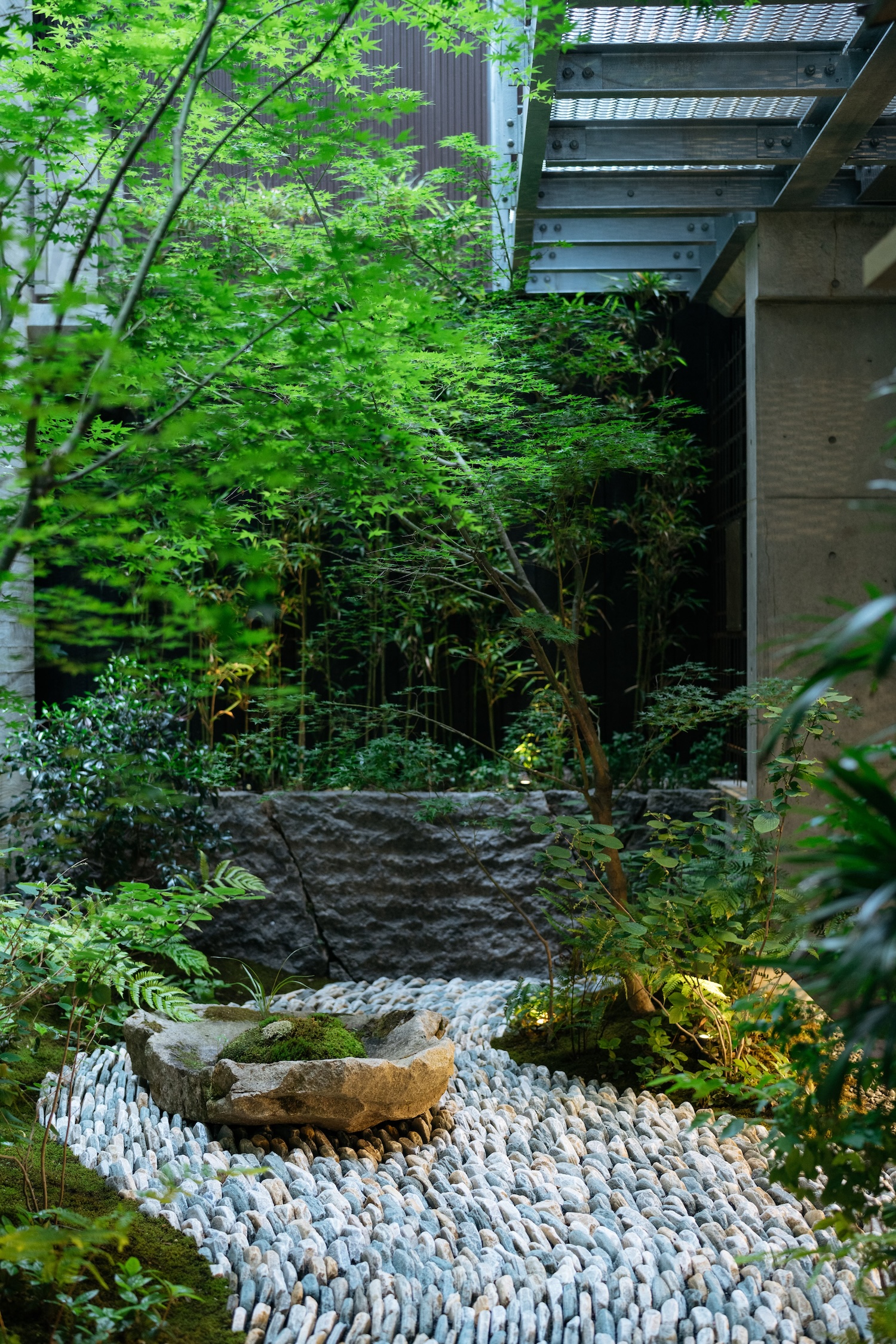
The hotel’s approach to gardens, designed by Marc Peter Keane, likewise reflects this integration of tradition and innovation. Gardens were central to the aesthetic experience described in The Tale of Genji, serving as settings for encounters and emblems of emotional states. At Genji Kyoto, gardens function similarly as narrative devices, guiding visitors through changing scenes while introducing the vital concept of ki—the life force that animates Japanese spatial design. The salvaged water basin and shrine discovered during construction have been thoughtfully incorporated, becoming focal points that anchor the new construction to the site’s history.
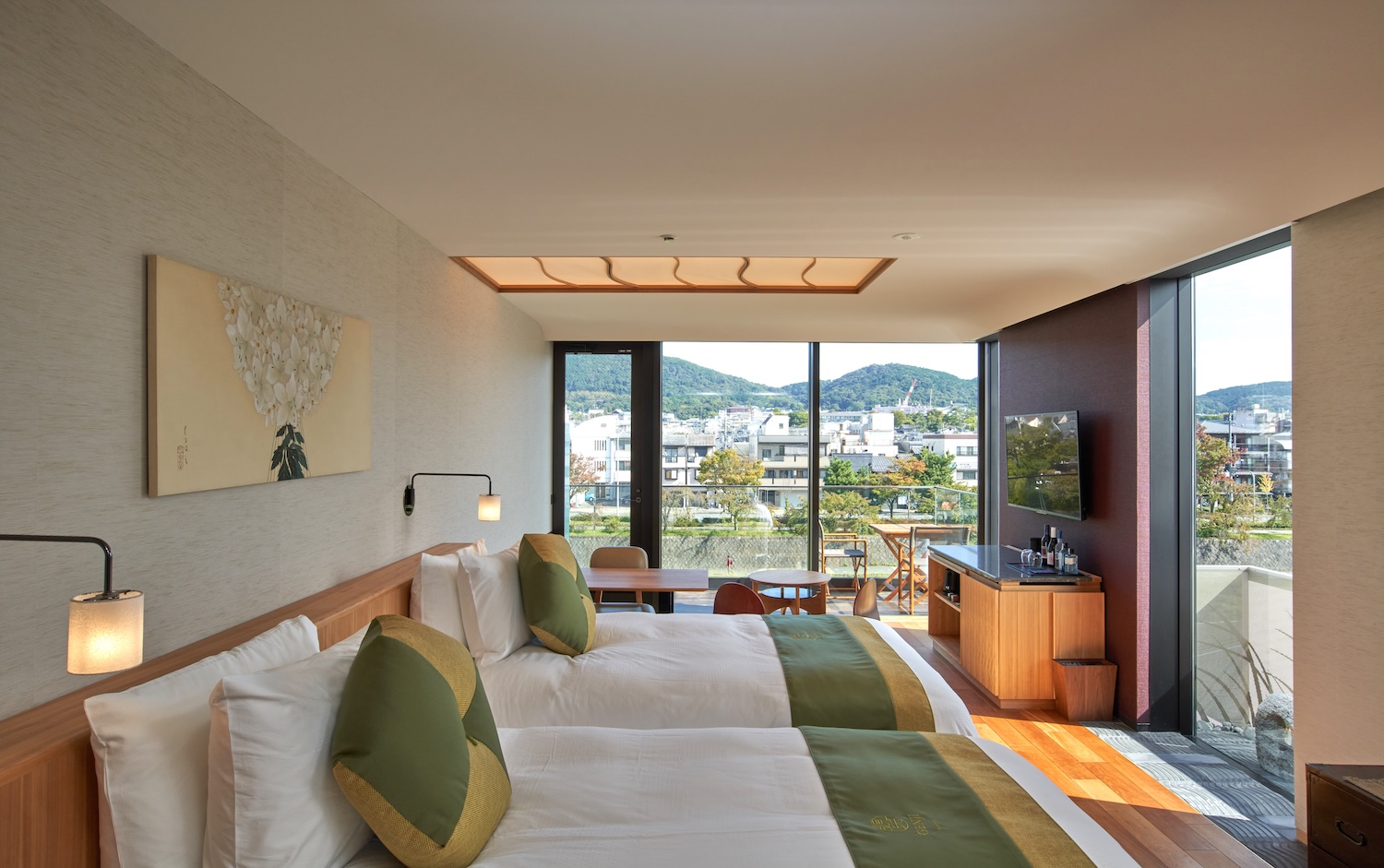
The hotel’s furniture, all handmade by Kyoto craftsmen, was custom designed by Jun Tomita, who took motifs from the Tale of Genji for inspiration.
Photography by Y. Yamazaki, Kin Ho, Ben Richards and C.C. Mak