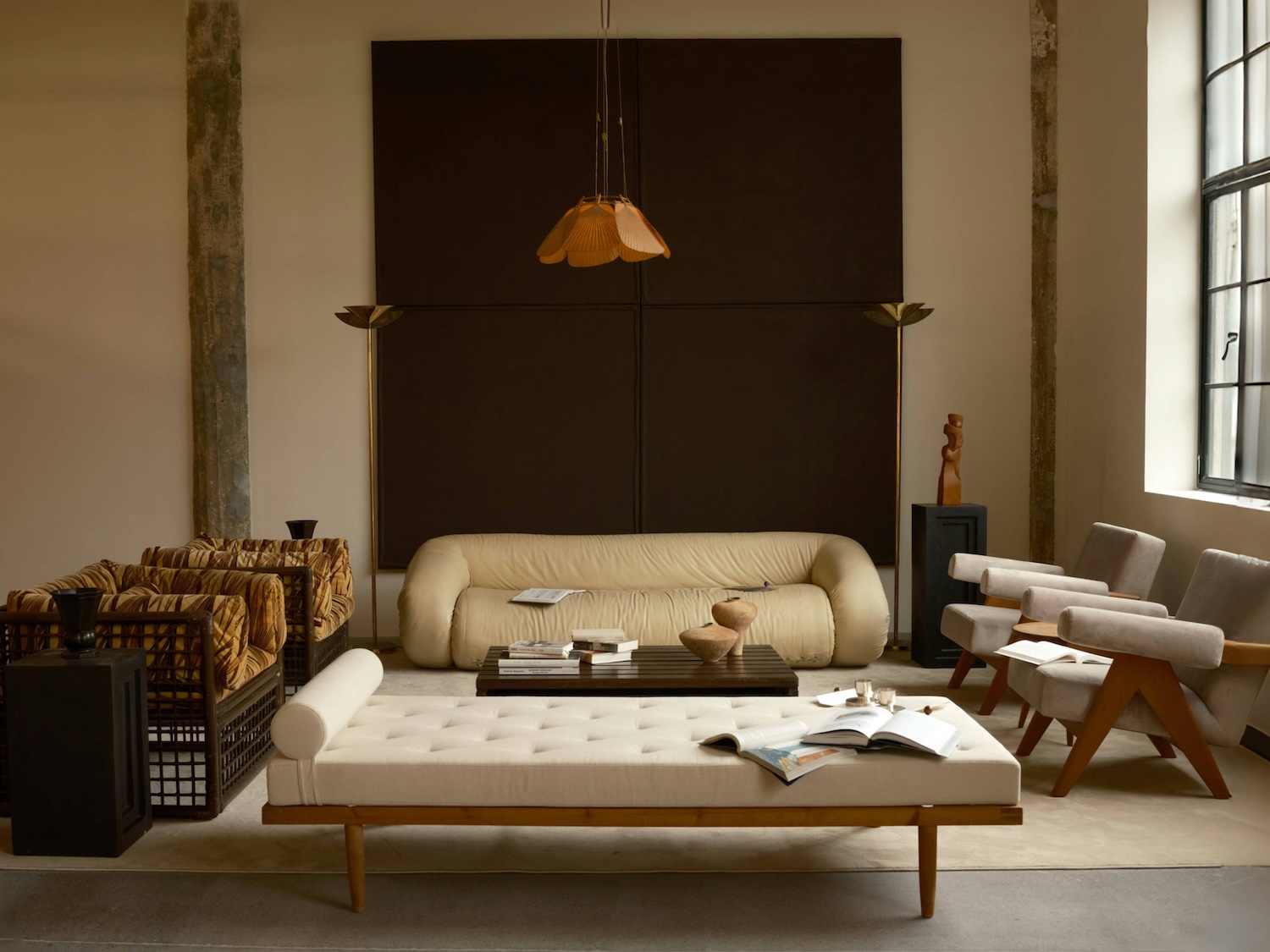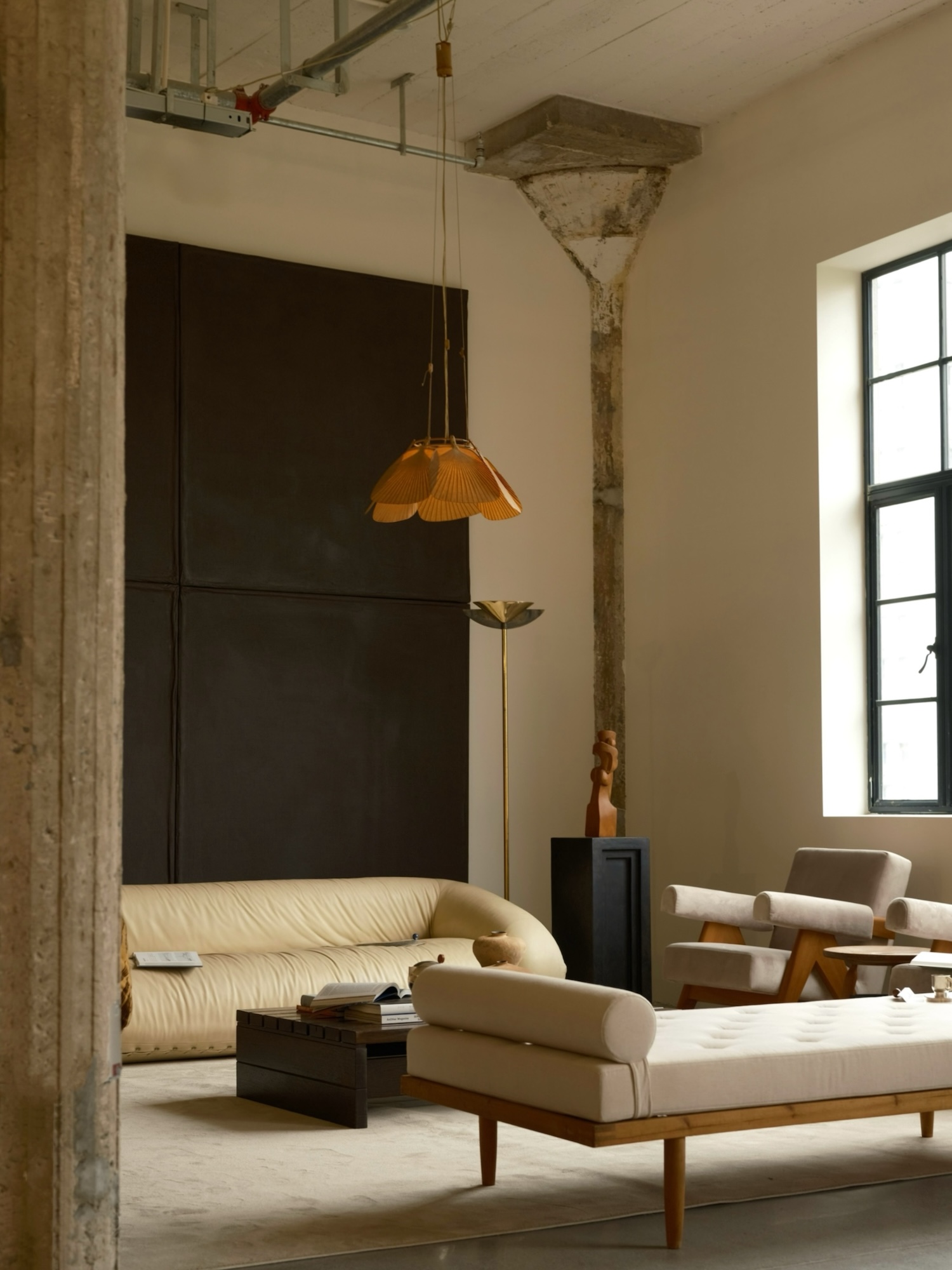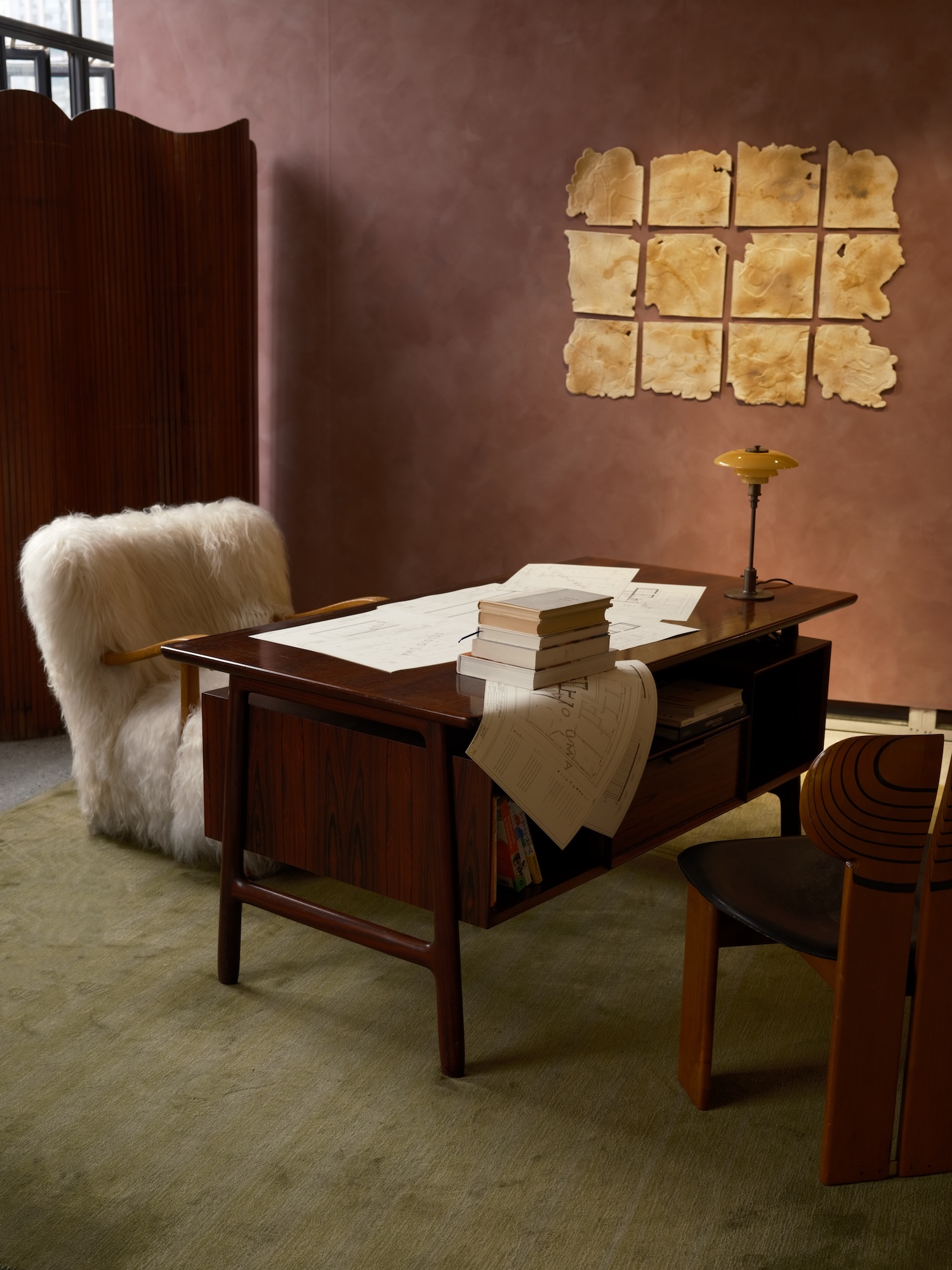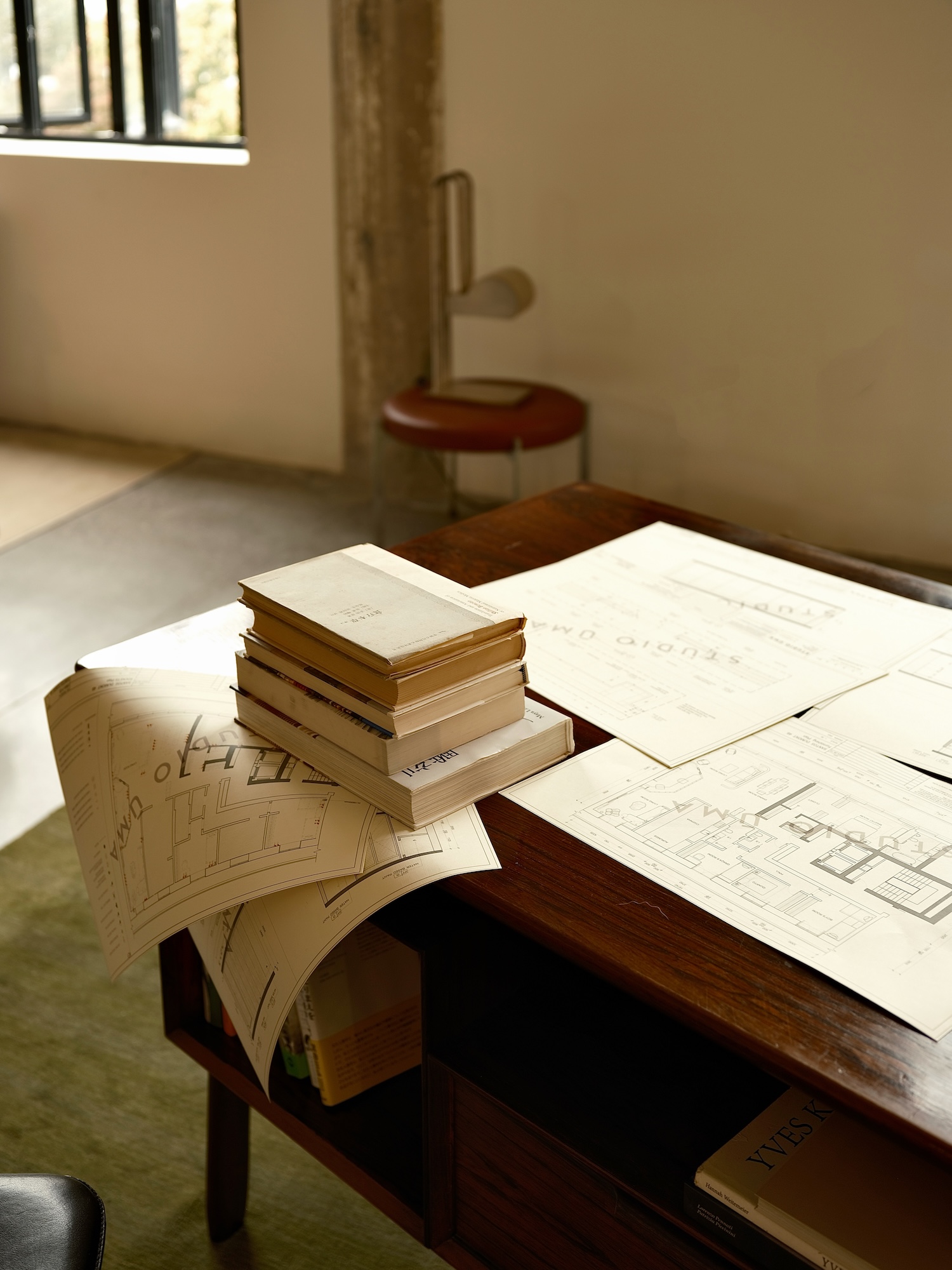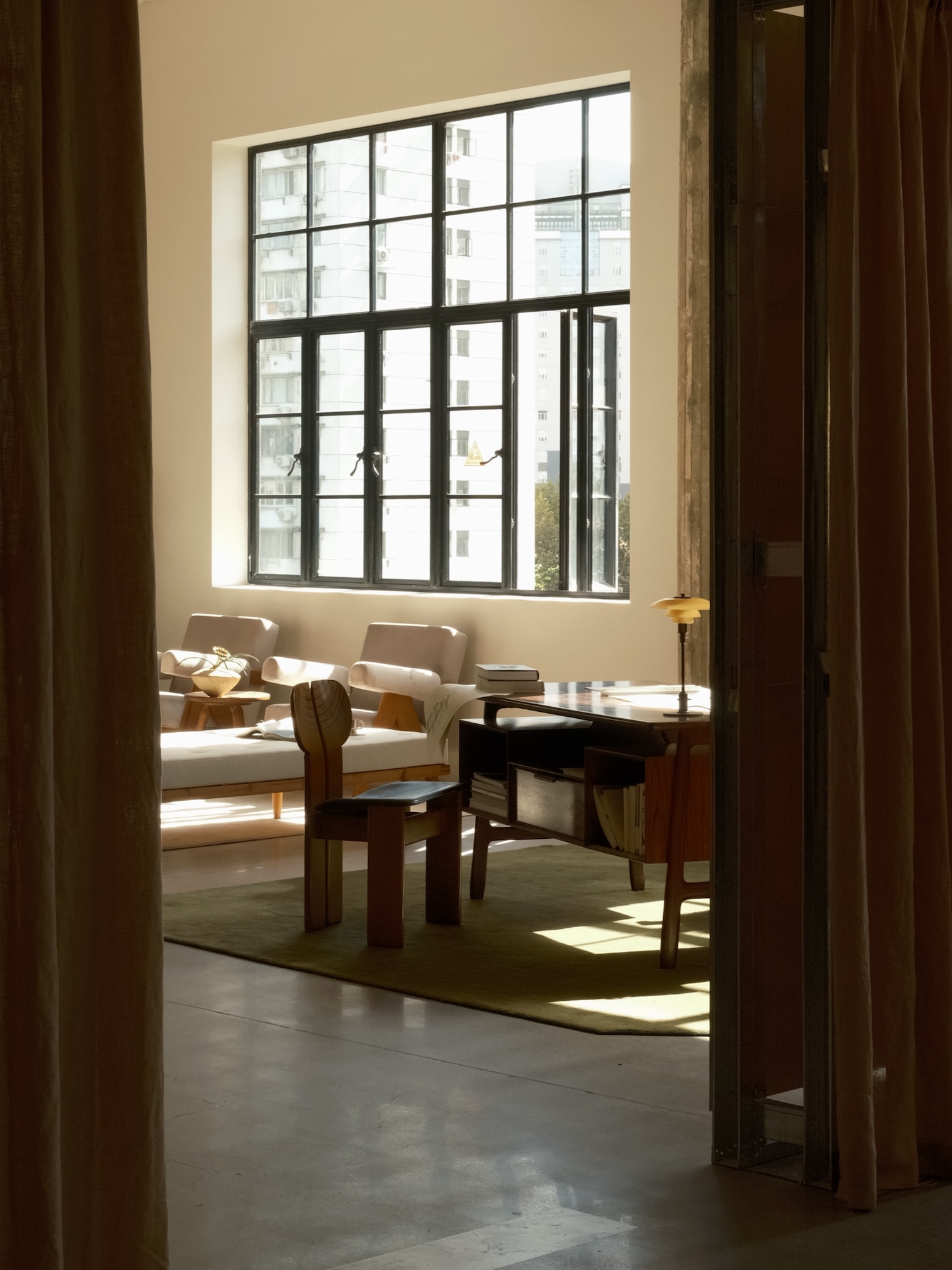
Her Room Breathes is a minimalist exhibition located in Shanghai, China, curated by Studio ŪMA co-founders Michelle Song and Amber Pan. This installation within landmark Guang’er Warehouse, an industrial relic with nearly century-long history on Suzhou Creek, forms part of LARRY’S LIST CHRONICLES celebrating art, design, interiors, and architecture coinciding with Shanghai Art Week. The exhibition quietly explores unique temperament and expression of “her” through living environment where every object participates resonating with body and responding to light and presence rhythm.
The curatorial question “what makes this room hers?” positions the space not as showroom but shared skin between human and environment where every curve, surface, and silence retains touch warmth and thought pauses. This philosophical framing treats residential design as embodied experience rather than visual composition, demonstrating how exhibition contexts can explore spatial phenomenology through carefully arranged furniture and artwork creating atmospheric rather than purely aesthetic installations.
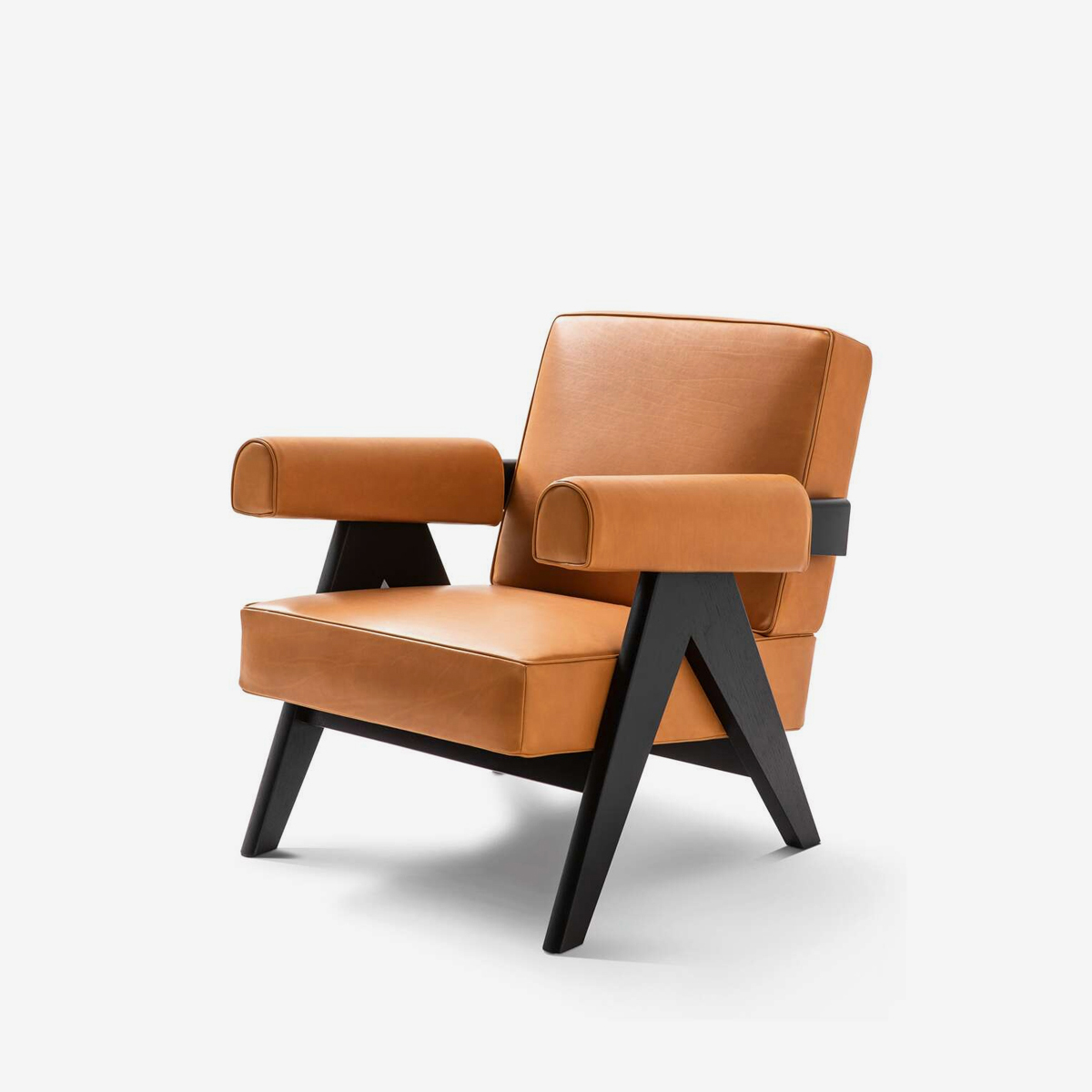
Song and Pan weave Tobia Scarpa’s geometric precision with Alessandro Becchi’s yielding softness allowing Pierre Jeanneret chairs settling into quiet human posture dialogue while Ingo Maurer lights flicker like half-formed sentences. The result described as neither Western functionalism nor Eastern minimalism but third language – spatial syntax where sofa edge recalls robe fold, shadows pool like ink, and air hums with unspoken narratives. This hybrid aesthetic positioning demonstrates how contemporary Chinese design discourse can transcend binary East-West frameworks proposing alternative spatial languages.
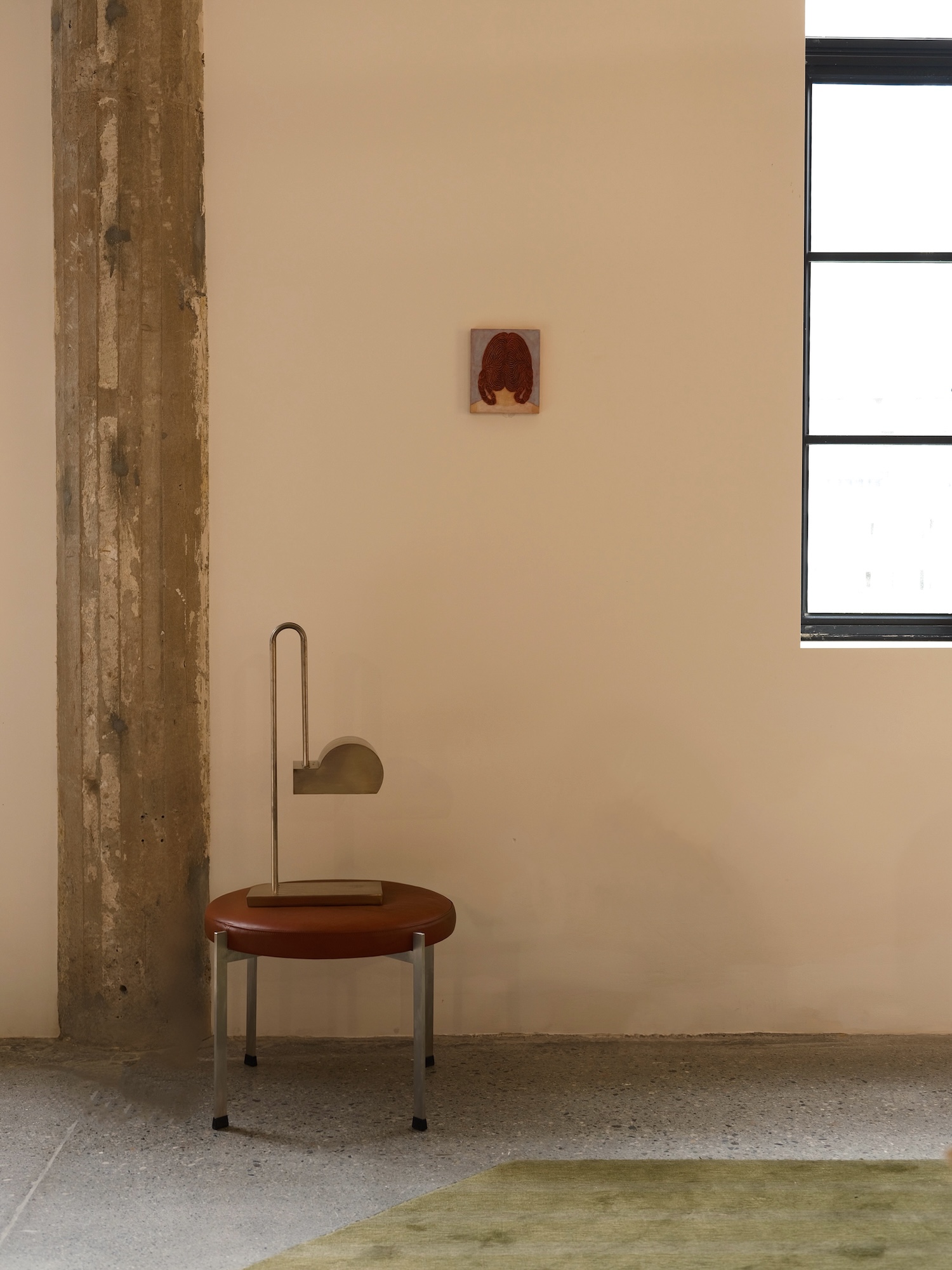
Design pieces stage thoughtfully in dialogue with contemporary artists Dylan Doyle, Jess Allen, Ni Zhiqi, Camila Gianotti, and Qian Ningyue whose works evoke unfolding human presence at showcase center. Jess’s nonexistent figures, Dylan’s fabric hanging on bones, Camila’s girls’ backs, Qian’s food aroma memories, and Ni Zhiqi’s emotional linen canvas expressions together create “her” belonging to this room idea. This art-design integration demonstrates how exhibition formats can blur disciplinary boundaries treating furniture and artwork as equivalent contributors to spatial atmosphere.