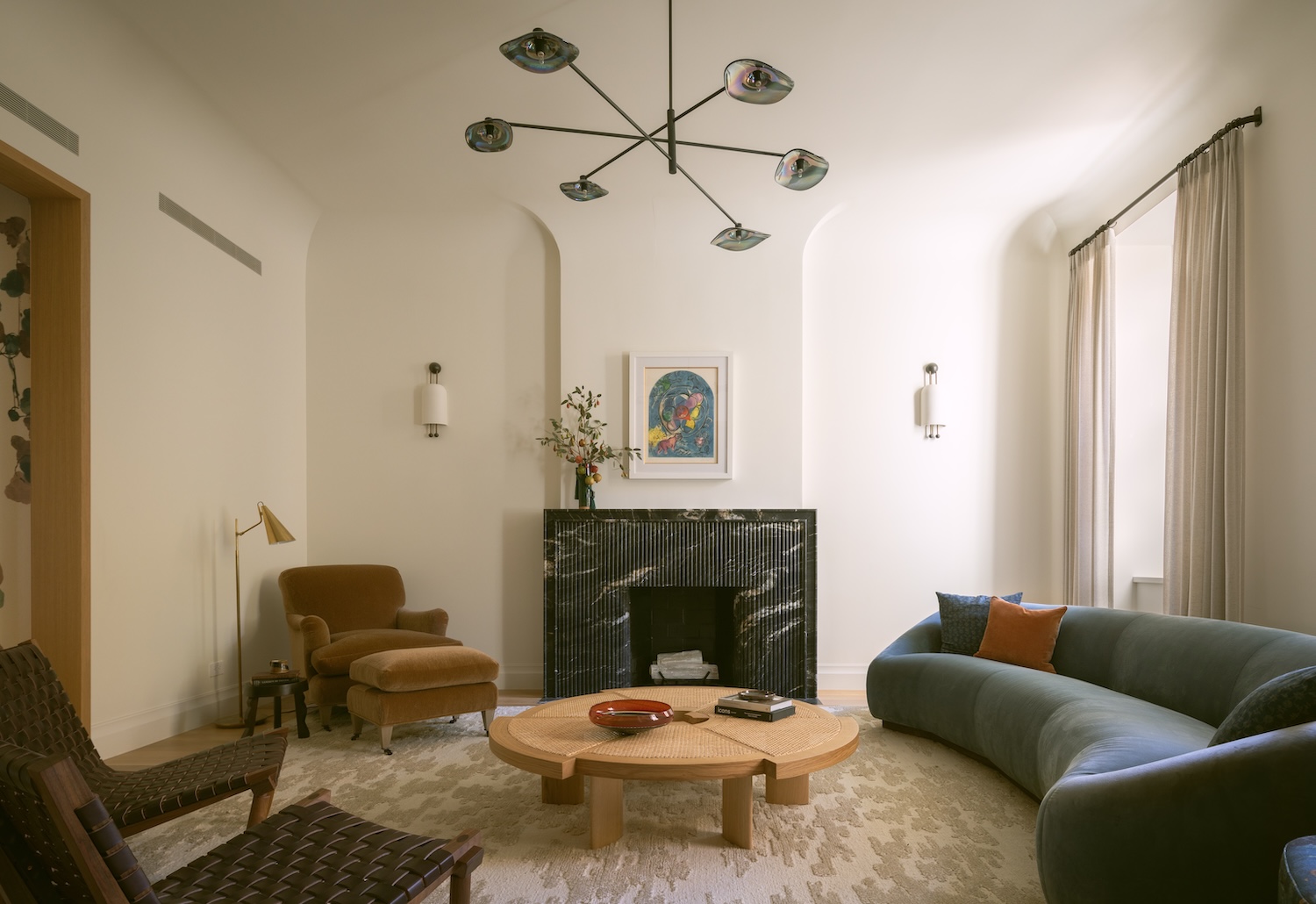
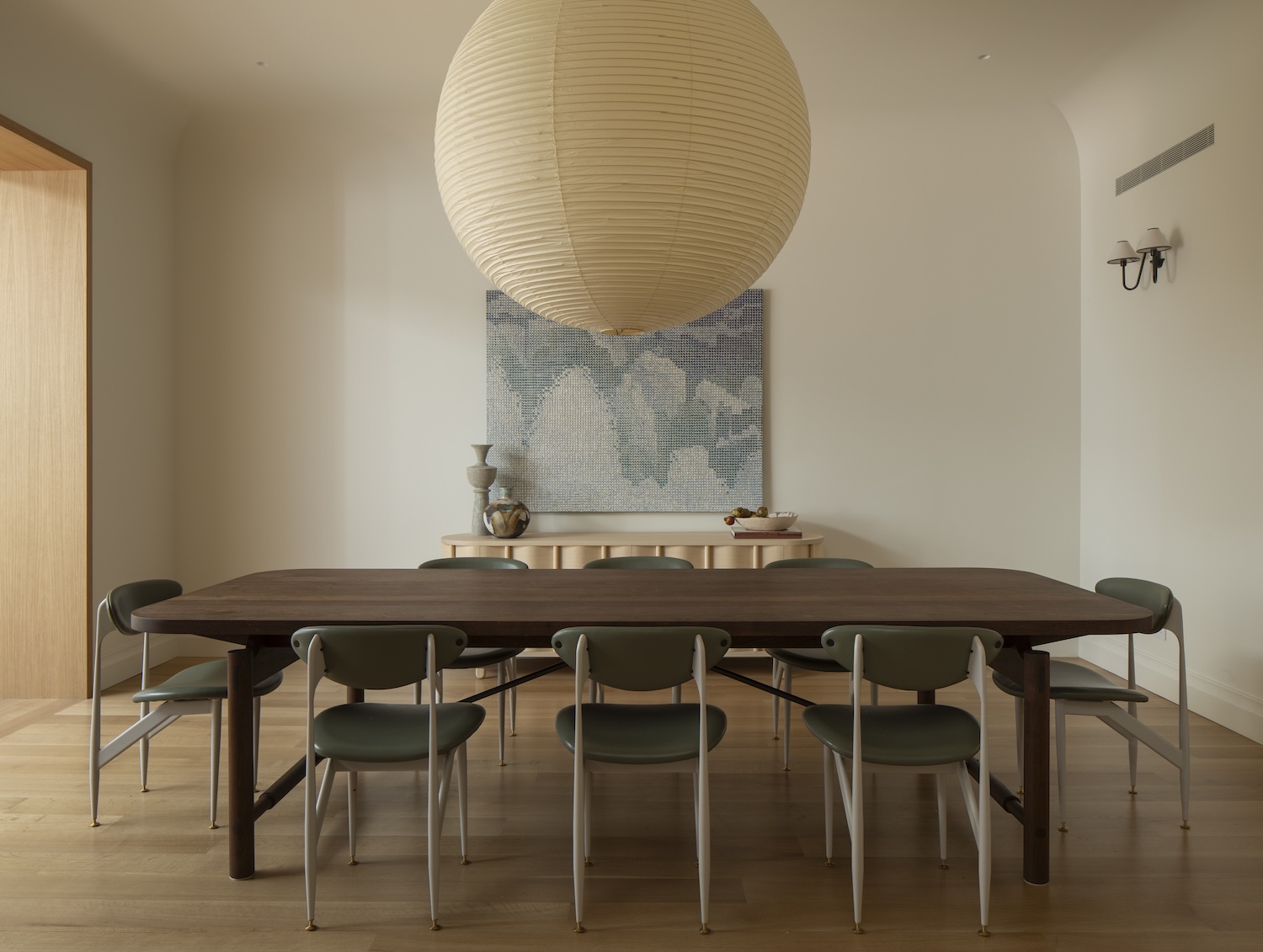
Tompkins Place Townhouse is a minimalist residence located in Brooklyn, New York, designed by Overhead Architecture and JFD Creative. This Cobble Hill townhouse incrementally renovated over years to extent that no original details remained – including second floor featuring wrestling ring room and rear yard small building extension clad in bright yellow siding – demonstrates how comprehensive renovation can restore sense of place and history through simple architectural element palette rather than literal historical reproduction.
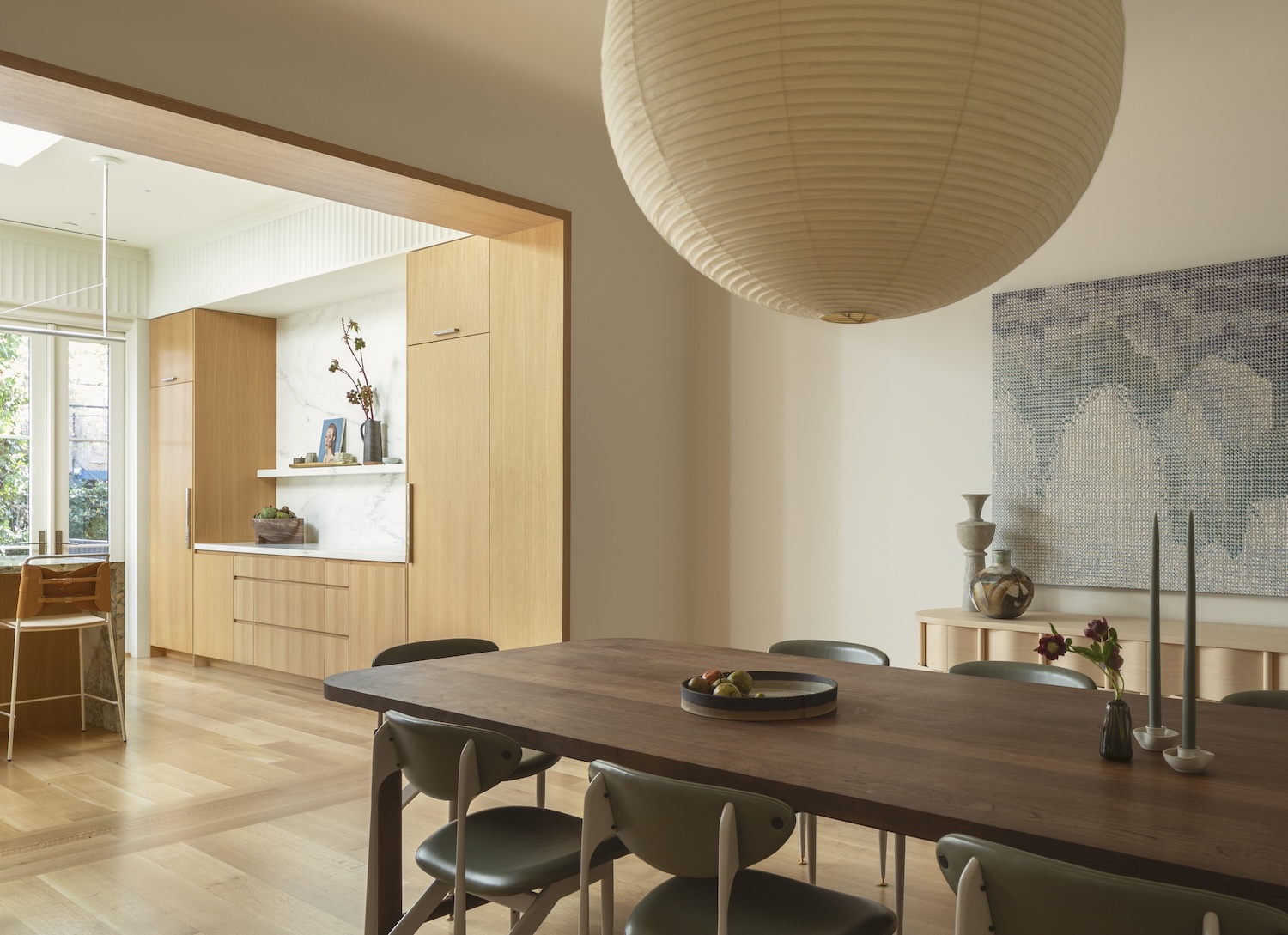
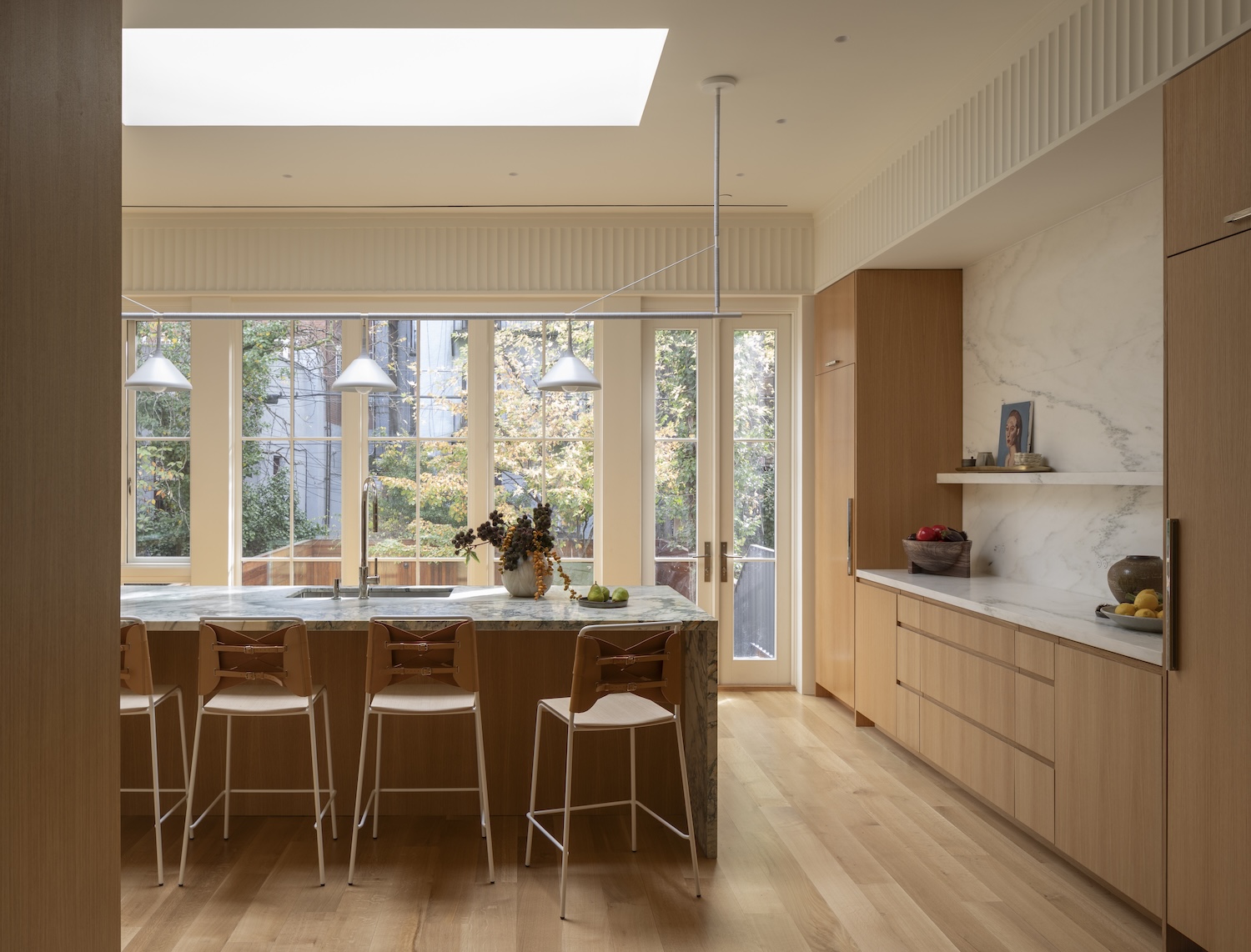
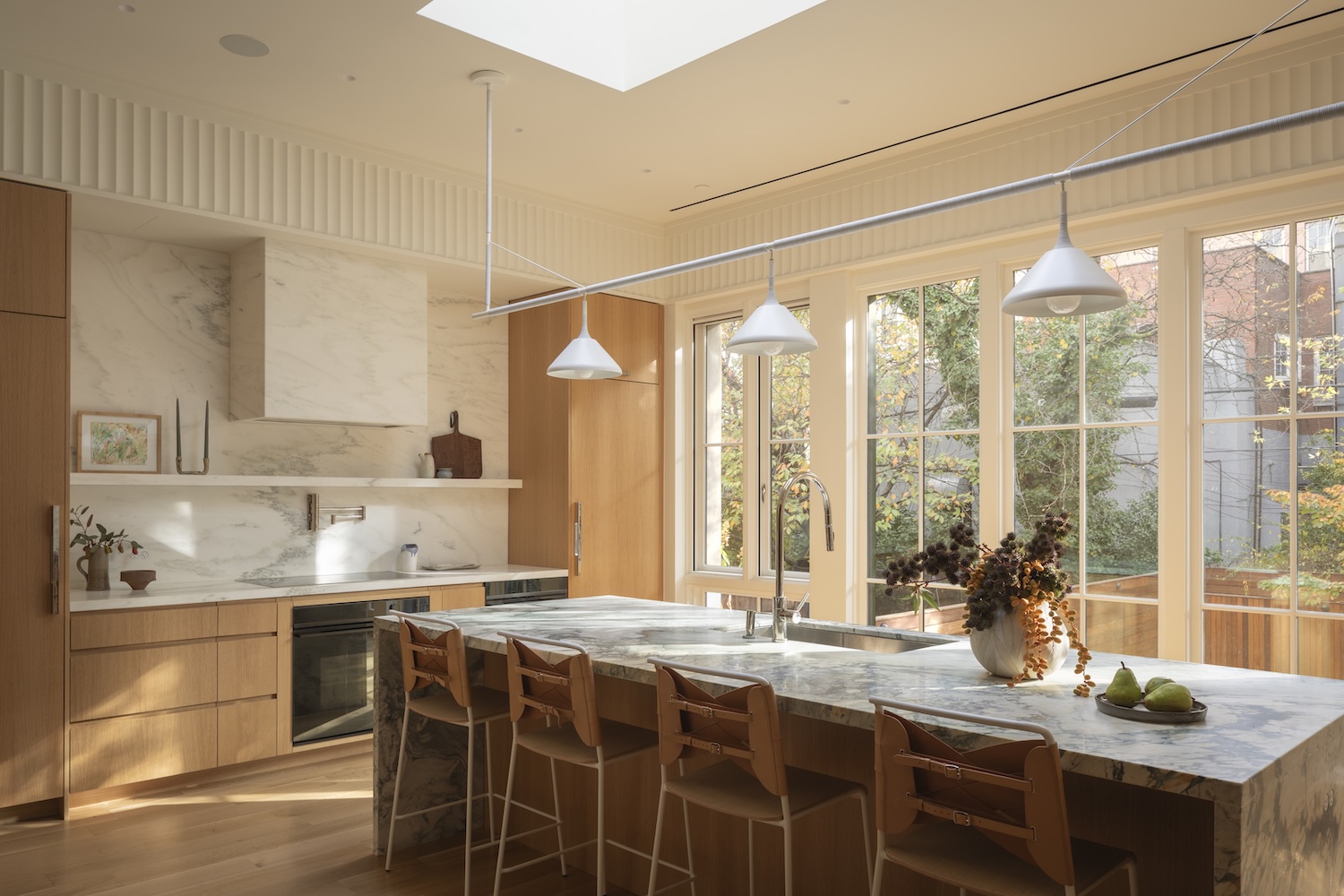
Custom plaster frieze above kitchen pays homage to original Néo-Grec details that would have originally been found in home, demonstrating how contemporary detailing can reference historical precedent through proportional relationships and material choices rather than exact replication. This approach allows renovated spaces acknowledging building heritage while maintaining clearly contemporary character preventing confusion about what constitutes original versus new construction, important consideration within Landmarks Preservation Commission review contexts.
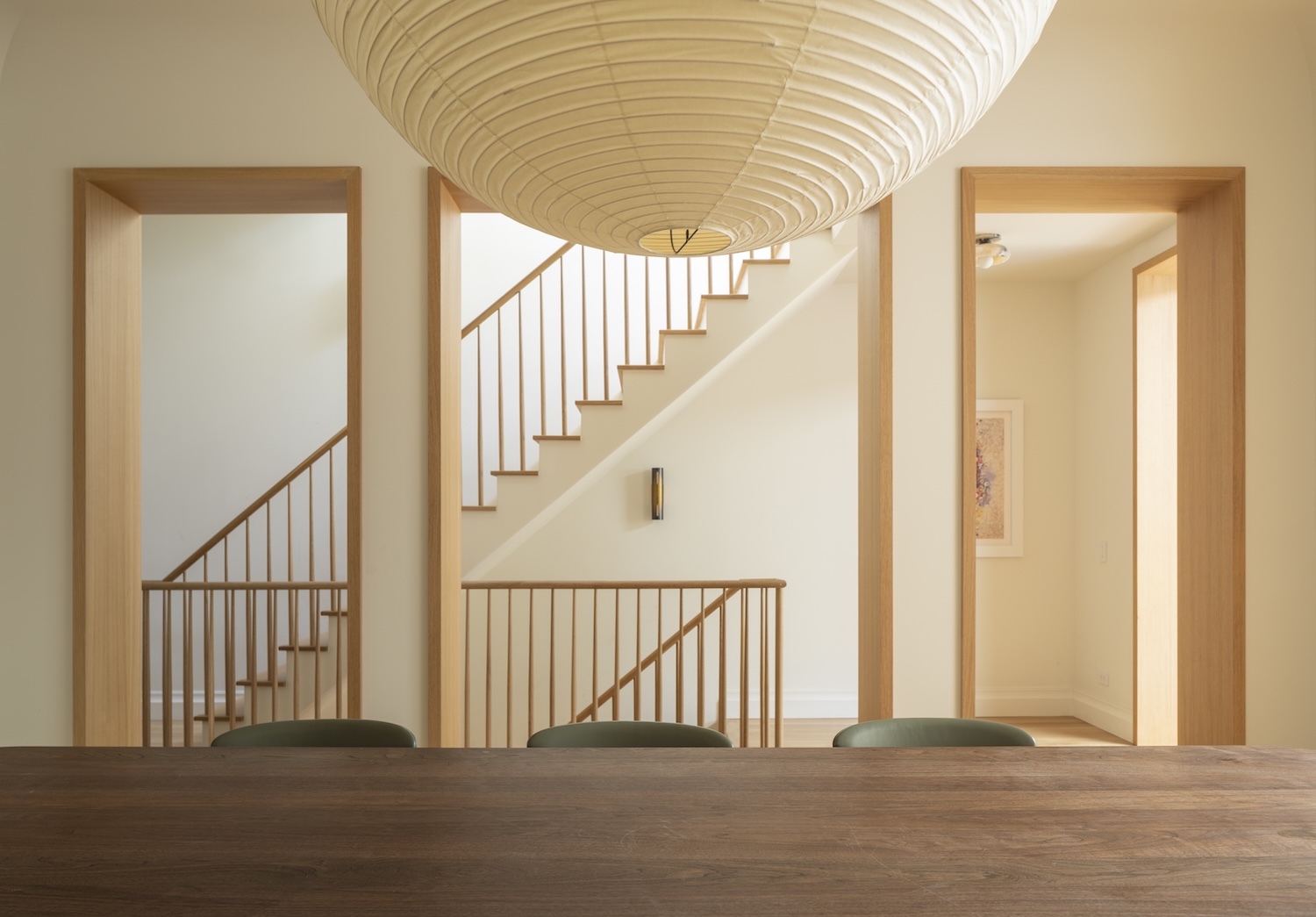
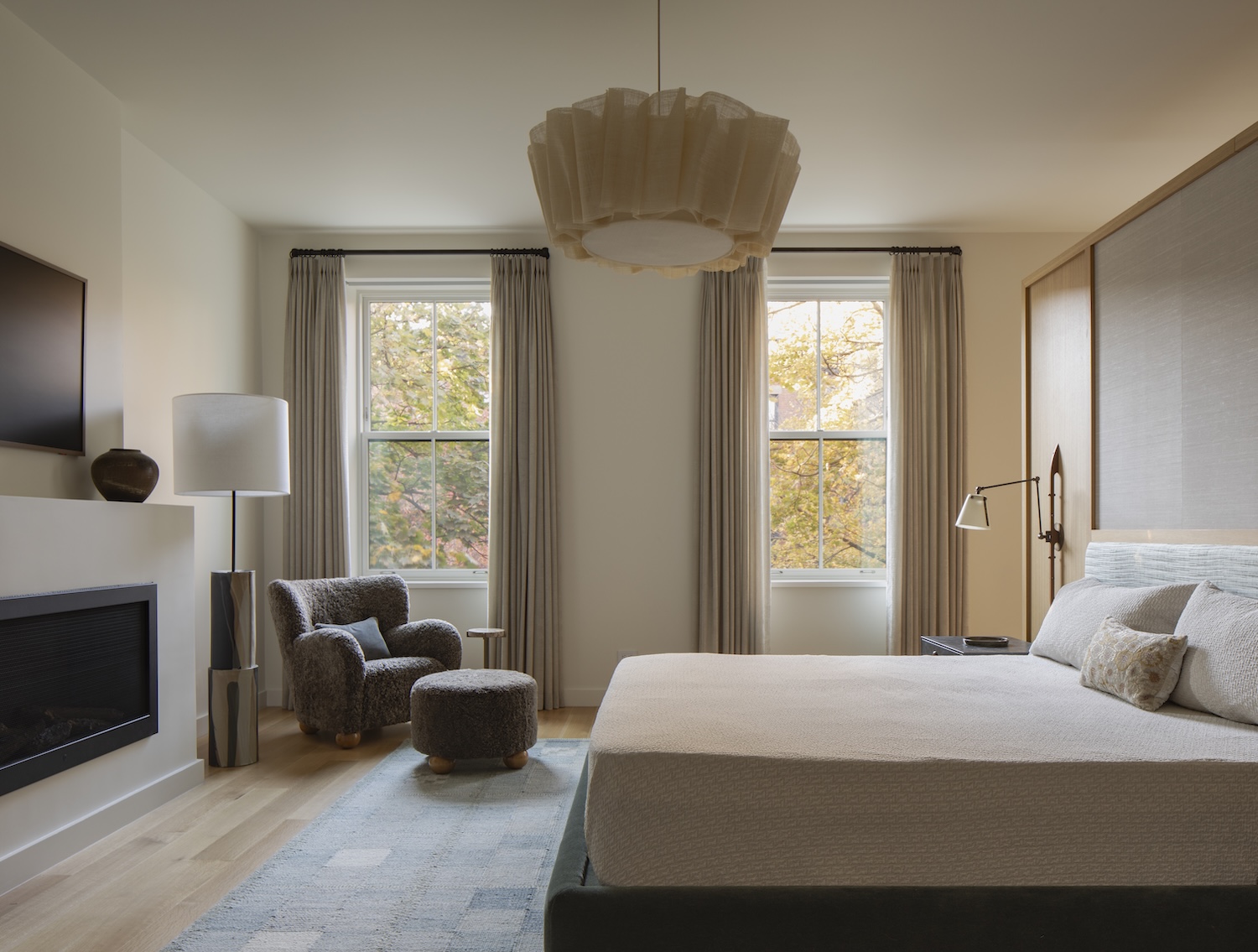
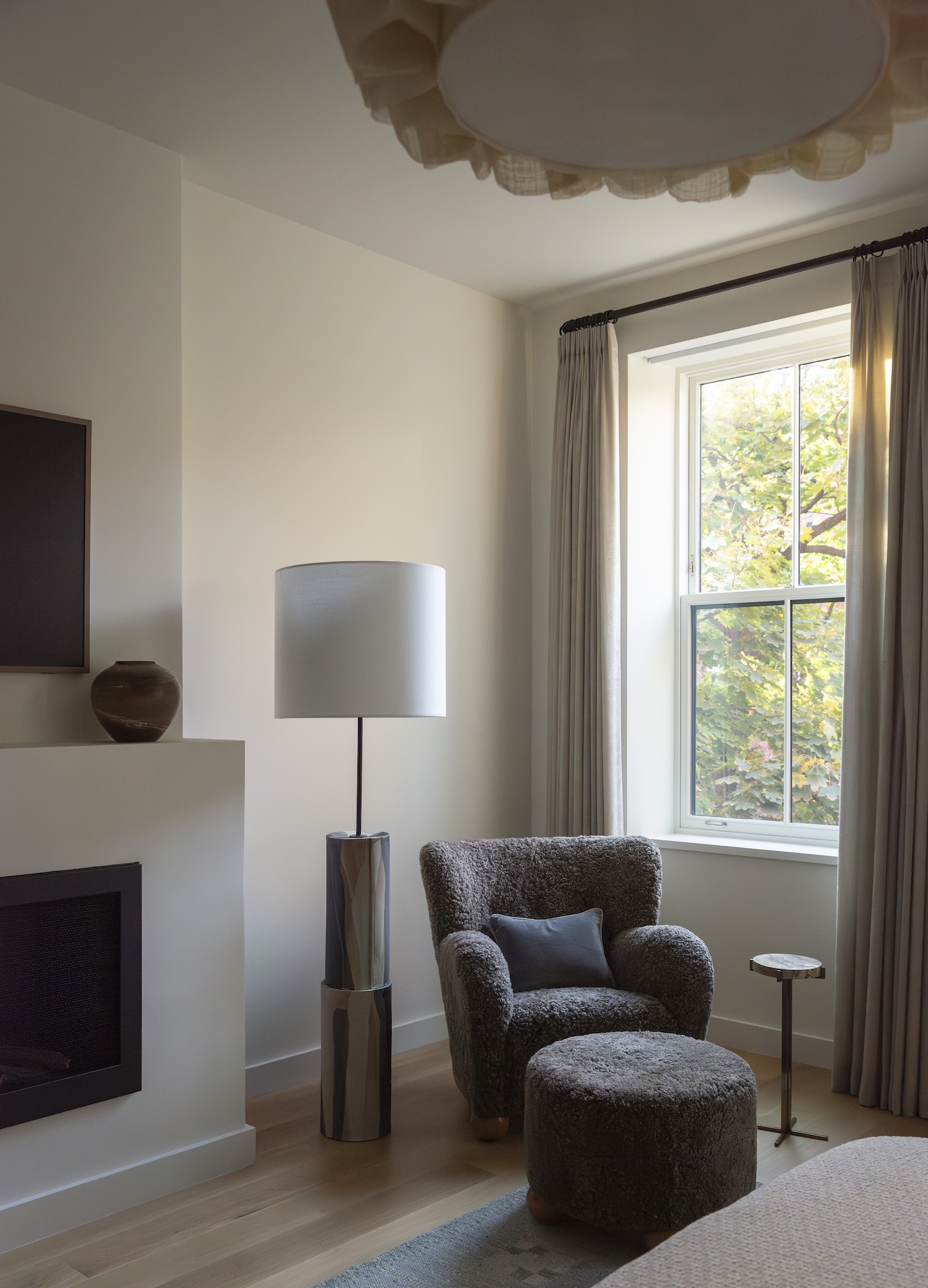
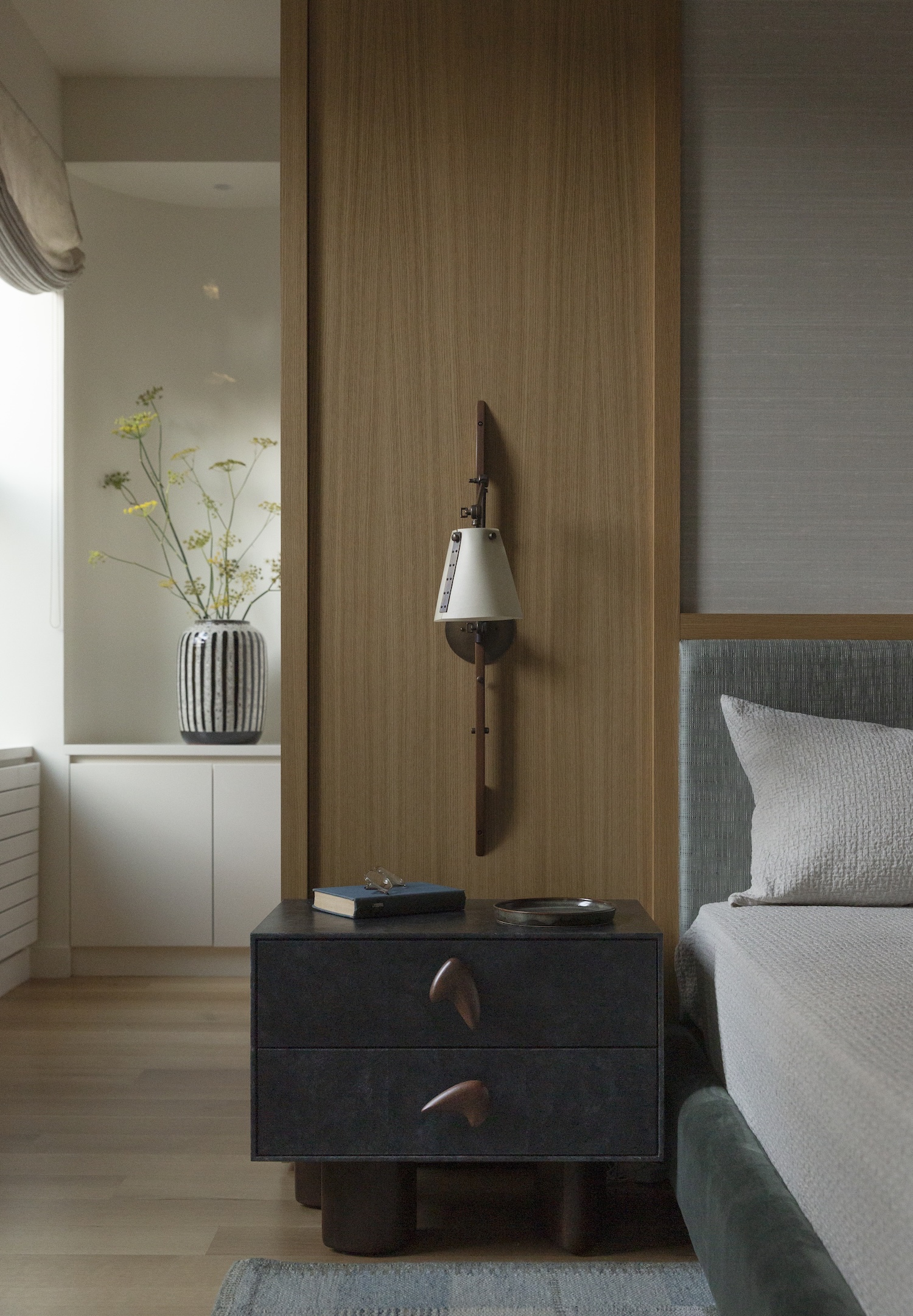
New custom rift-sawn white oak millwork punctuates spaces throughout house providing warmth sense and continuity across five residential floors. This consistent material application creates visual coherence preventing spatial fragmentation that might result from varied finish treatments across multiple levels, while rift-sawn specification ensures consistent grain pattern and color tonality across large millwork quantities. Fixtures and furnishings add further warmth bringing levity sense to generously proportioned rooms, demonstrating how renovation can balance architectural restraint with more expressive decorative elements.
The building features new two-story 25-foot-wide extension into rear yard, large rooftop monitor, new elevator, and skylights wherever possible including notably 4×9-foot kitchen skylight bringing daylight into home core. These interventions required complicated structural and mechanical coordination and convincing Landmarks Preservation Commission pitch, demonstrating technical and regulatory challenges inherent in historic district townhouse renovations where exterior modifications receive scrutiny ensuring neighborhood character preservation.
The vertical circulation addition through elevator installation addresses accessibility concerns increasingly important for multi-story townhouses where aging occupants or mobility-impaired family members require alternatives to stair-only access. This functional enhancement reflects contemporary understanding that historic building renovation should accommodate modern living requirements including universal design principles even when such additions weren’t part of original construction.