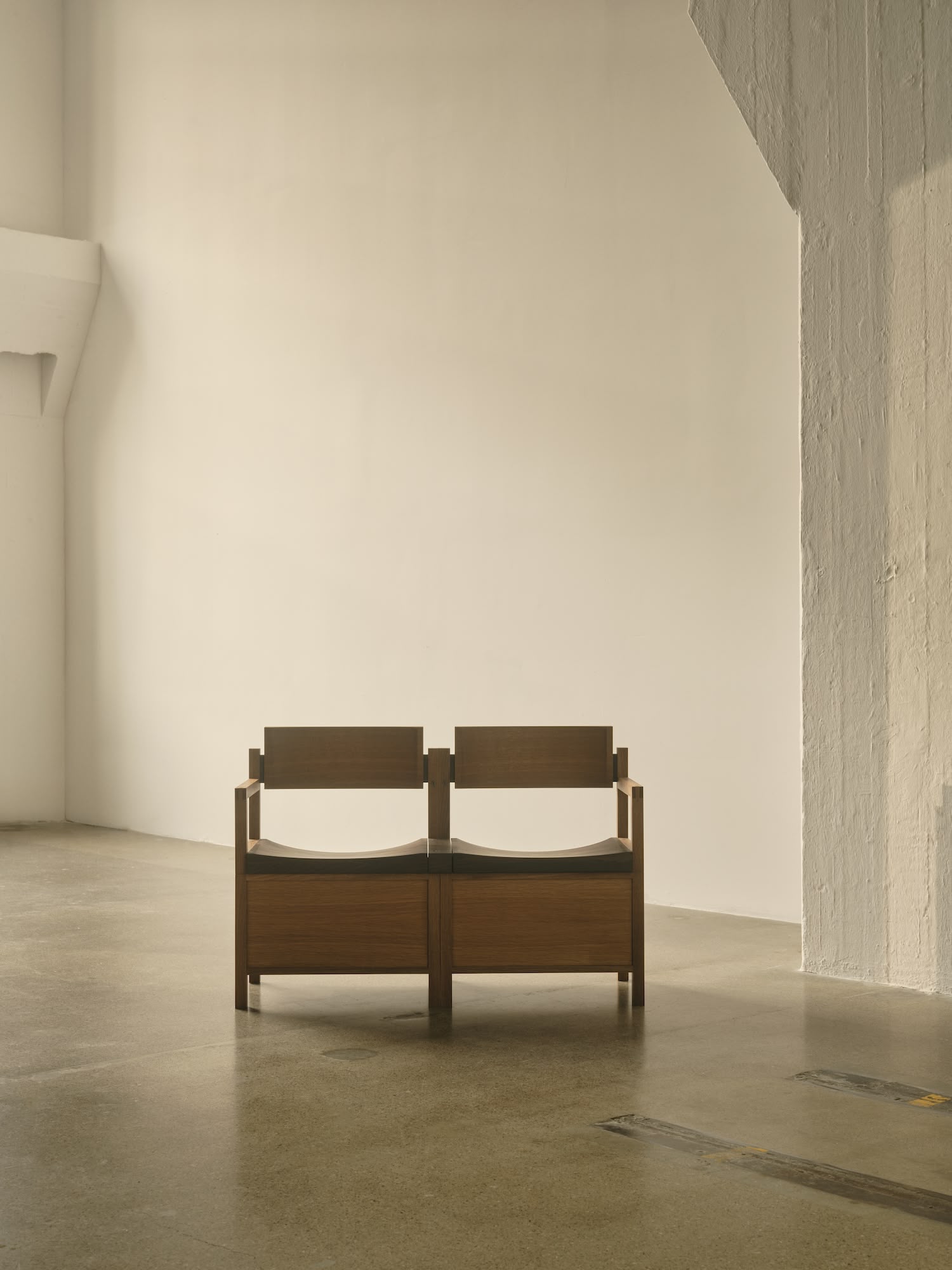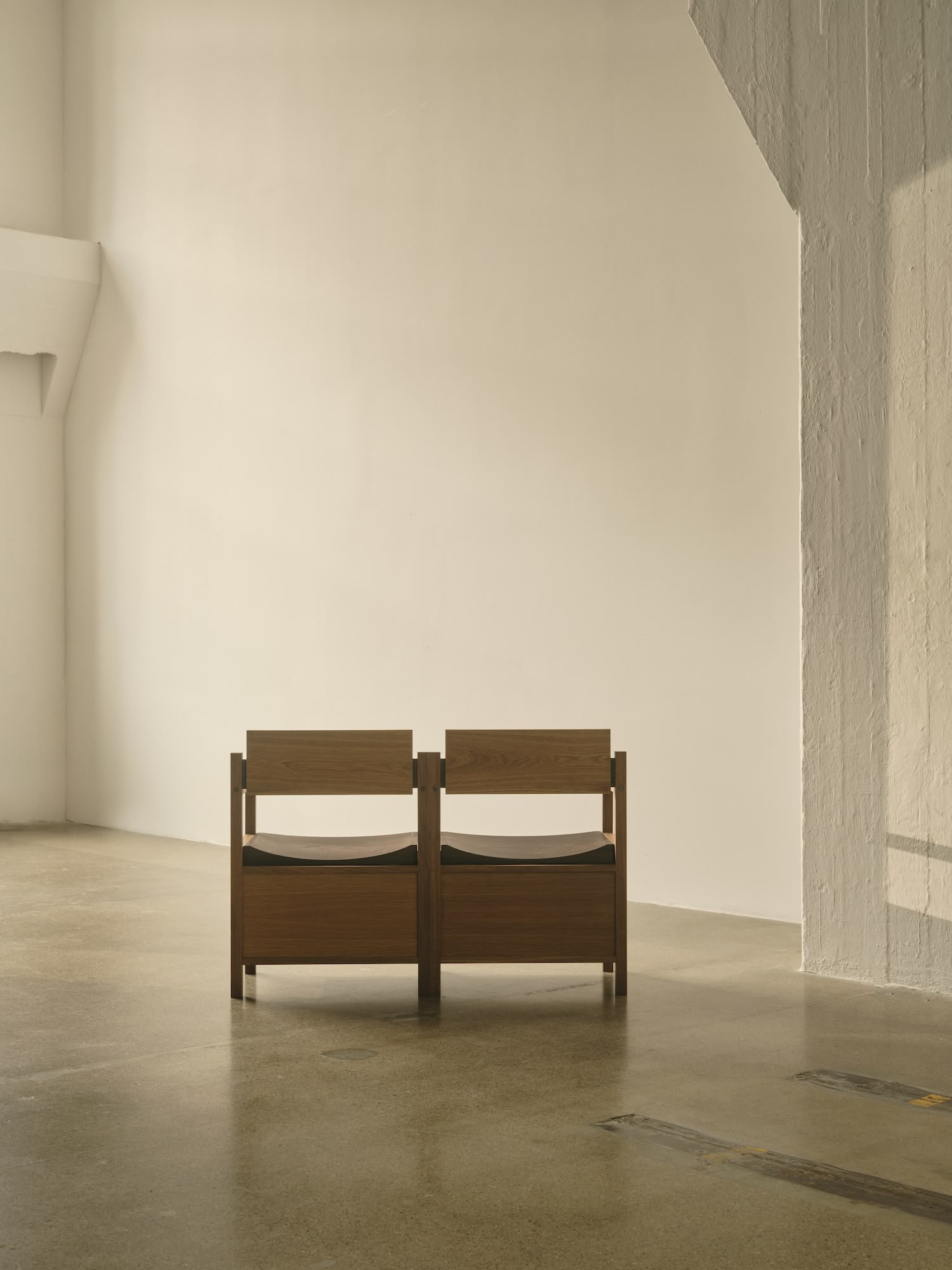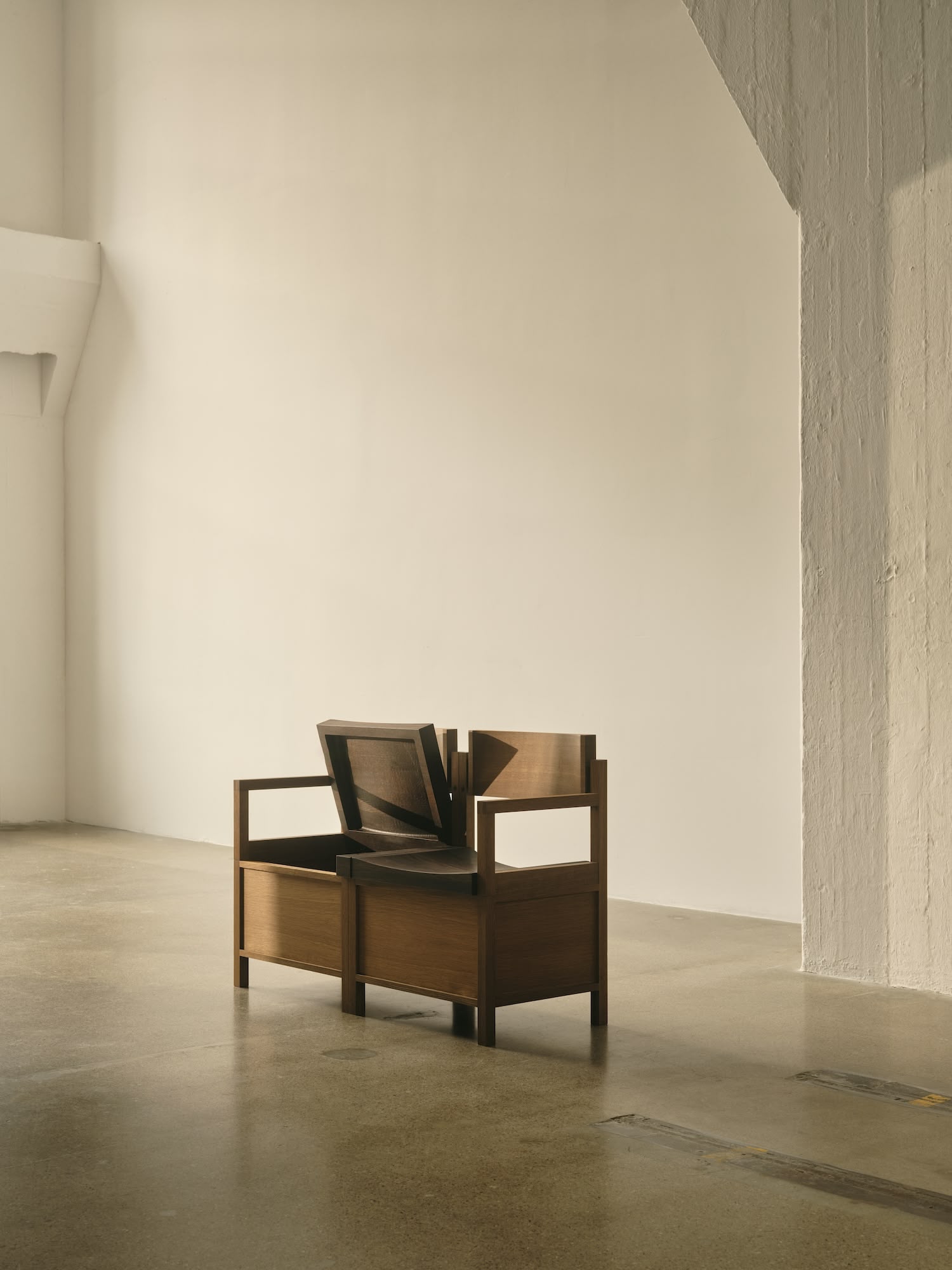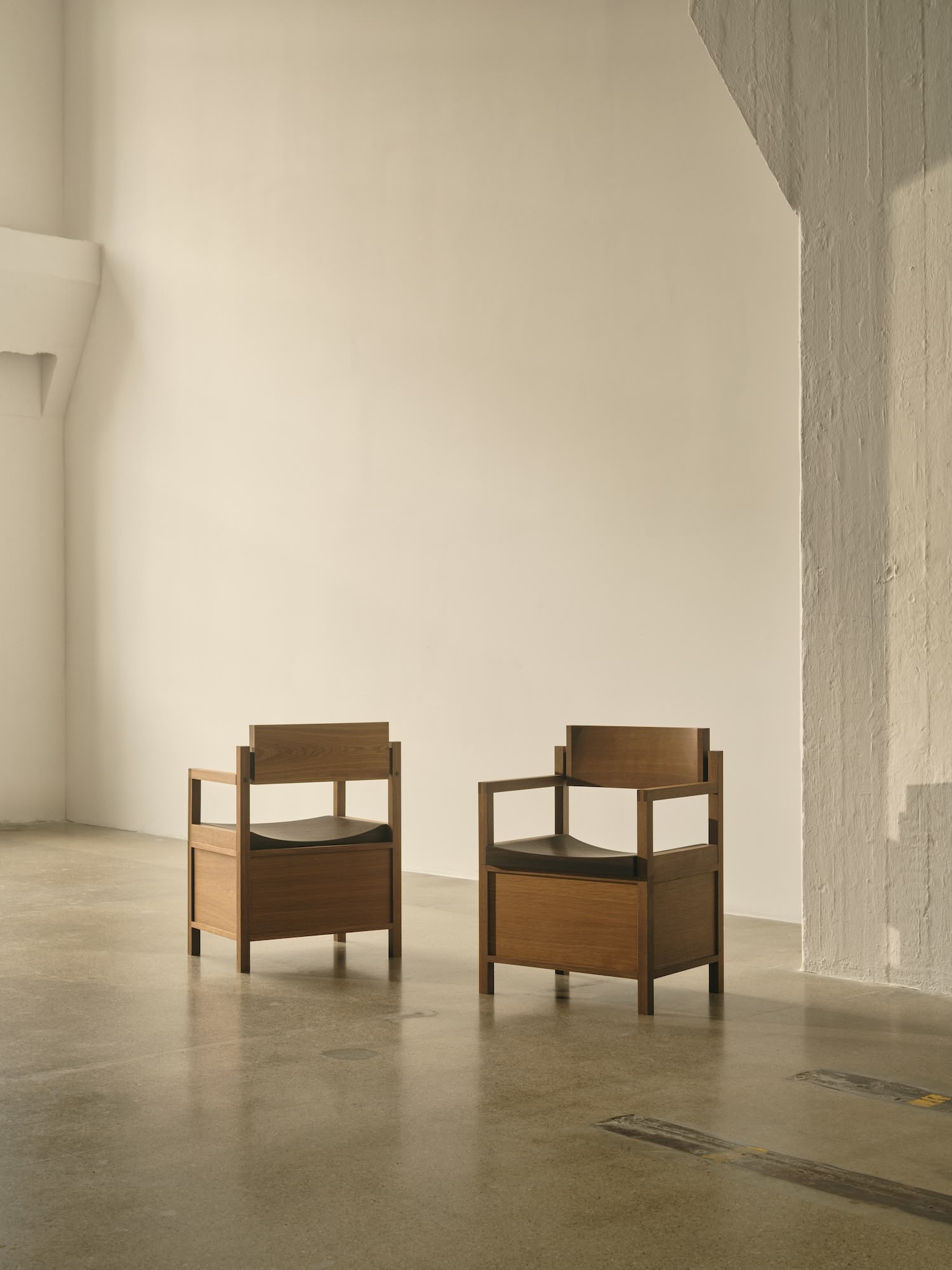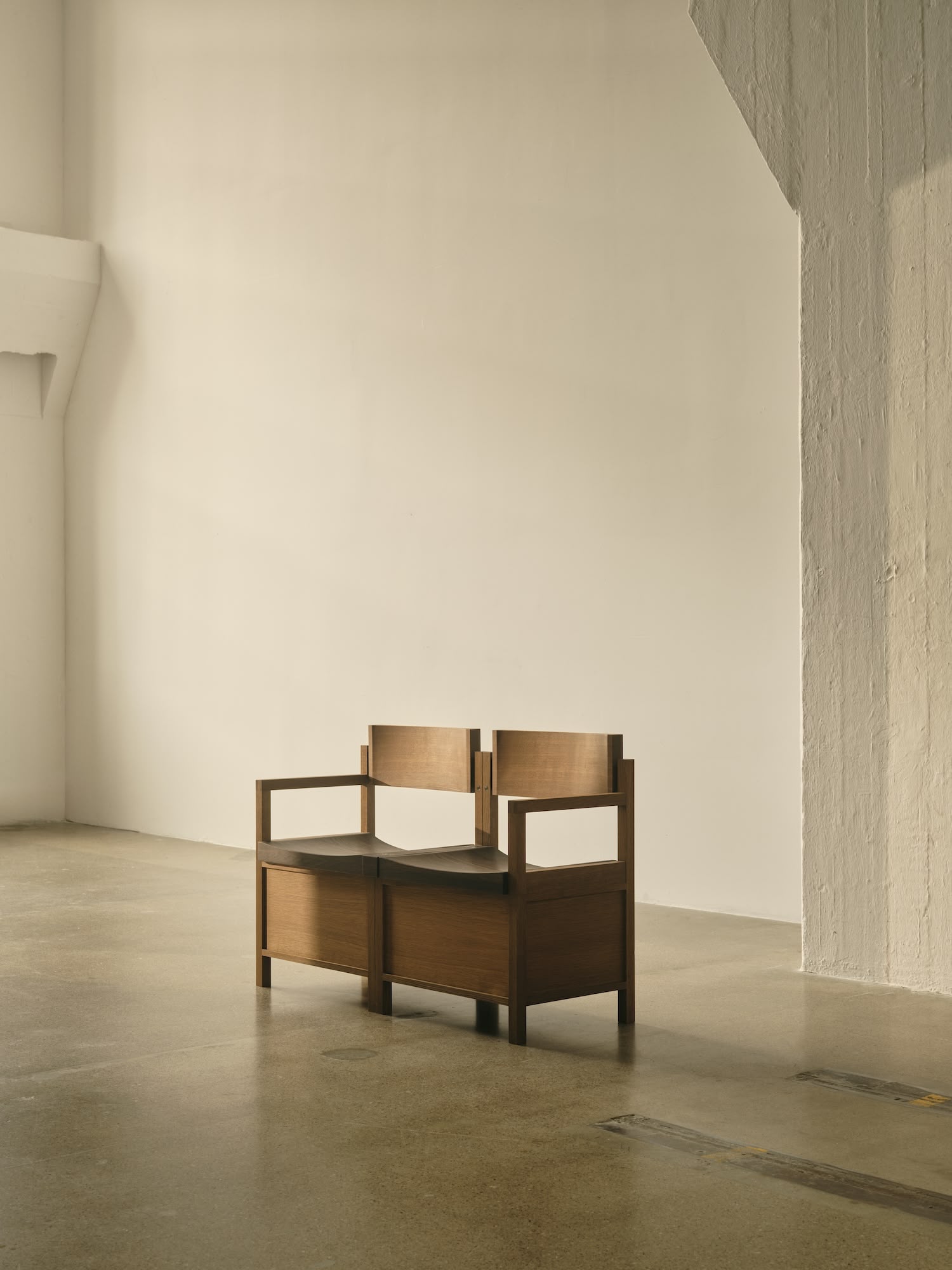
Slagbænk is a minimalist bench created by Denmark-based designer Amanda Lilholt. The first thing you notice about this Slagbænk is how it resolves contradictions—it’s both ancient and new, both functional and beautiful, both rooted and nomadic. The traditional Danish bench-chest has been reimagined here not merely as a revival but as a response to contemporary living patterns, where space constraints and life transitions demand furniture that adapts rather than dictates.
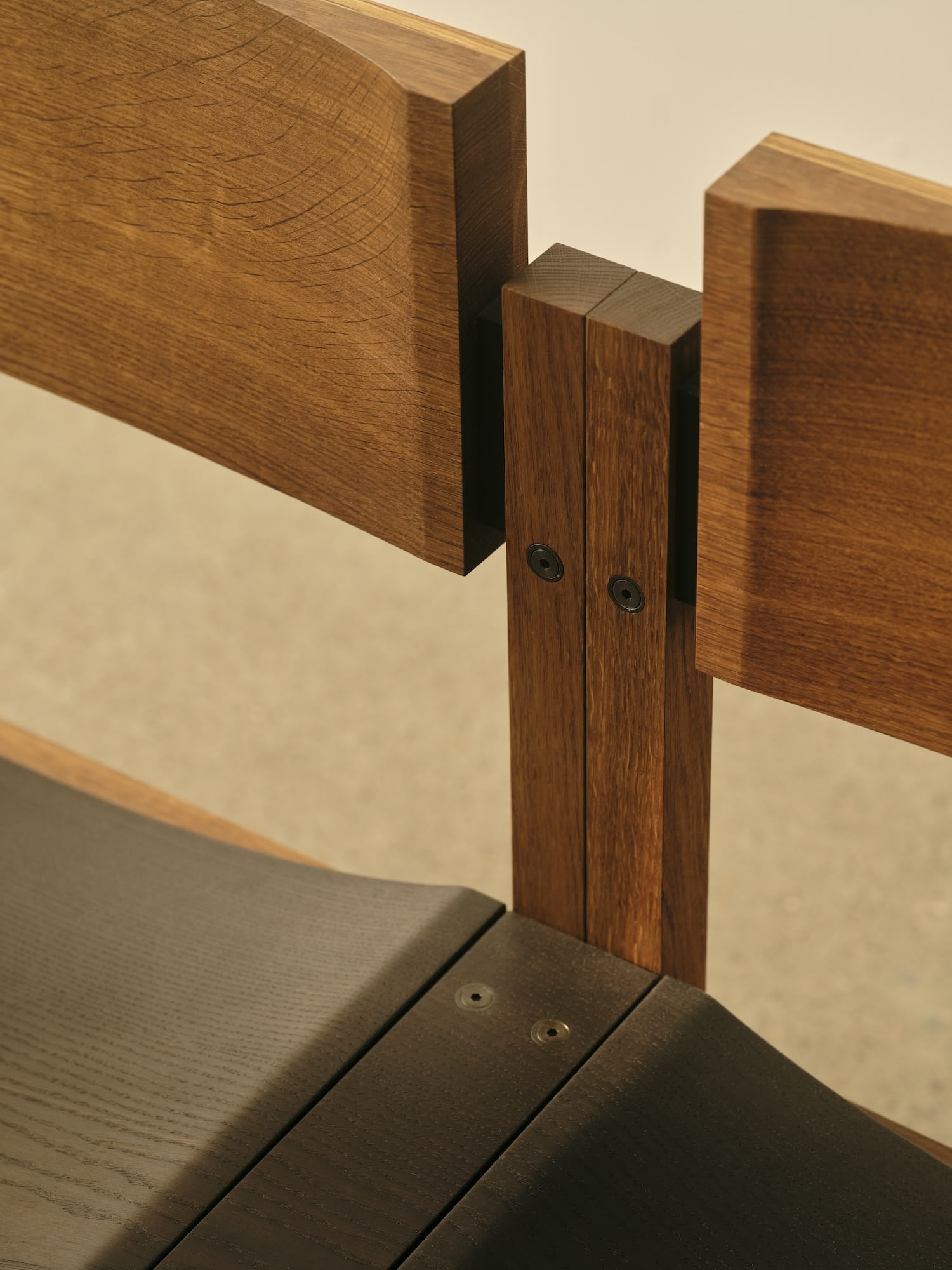
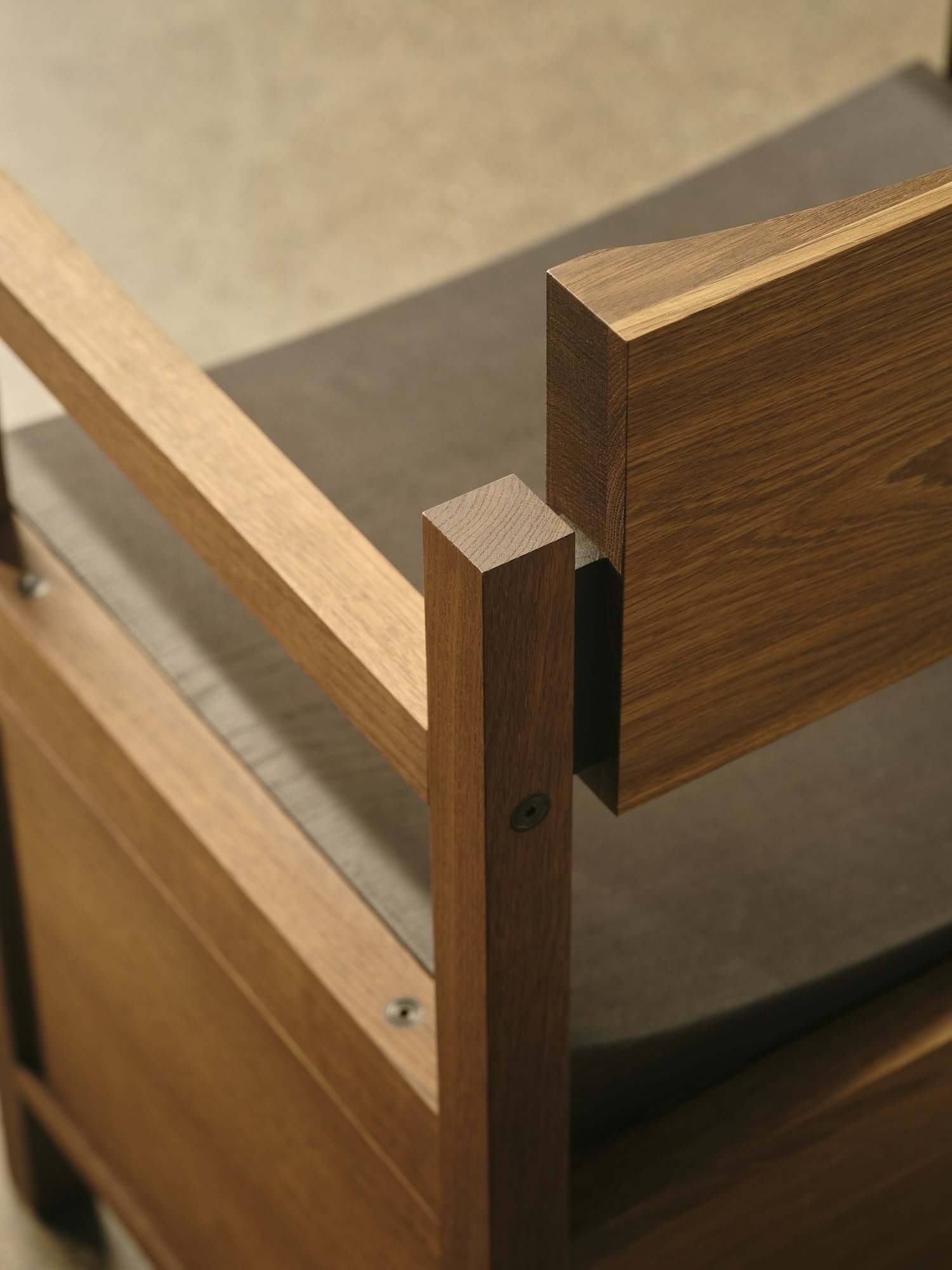
Materially, the choice of smoked oak connects to Scandinavian design traditions while the oil finish ensures the piece will age with dignity, developing a patina that records its journey through time and space. The handmade brass screws create subtle points of warm reflection against the rich darkness of the wood—small moments of craft consciousness that signal human involvement in the making process.
What’s particularly compelling is how the designer has navigated the intersection of traditional craftsmanship and contemporary fabrication. The mention of combining hand techniques with CNC technology speaks to a pragmatic approach that honors tradition without fetishizing it. This is not craft nostalgia but rather craft evolution—recognizing that new tools can extend rather than replace the maker’s hand.
The piece sits within a broader contemporary design movement that prioritizes adaptability and longevity as responses to both environmental concerns and shifting living patterns. The designer explicitly mentions sustainability, not as a marketing gesture but as intrinsic to the object’s conceptual foundation—a piece designed to last generations naturally reduces consumption.
In this context, the Slagbænk represents more than functional furniture; it becomes a quiet manifesto for thoughtful materialism. By creating an object that can “bevæge sig med behovet”—move with changing needs—the designer challenges the disposability that characterizes so much contemporary production and consumption.