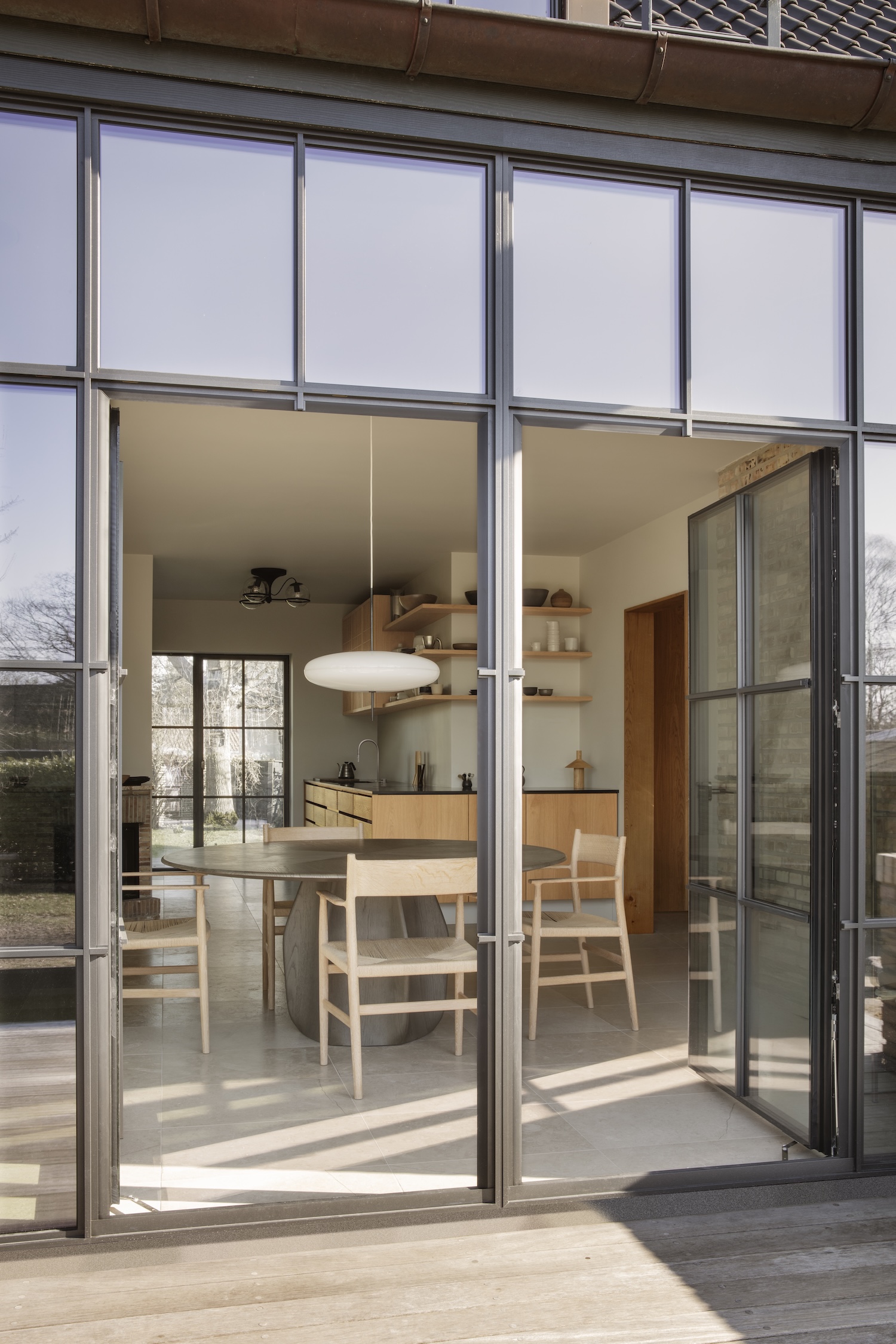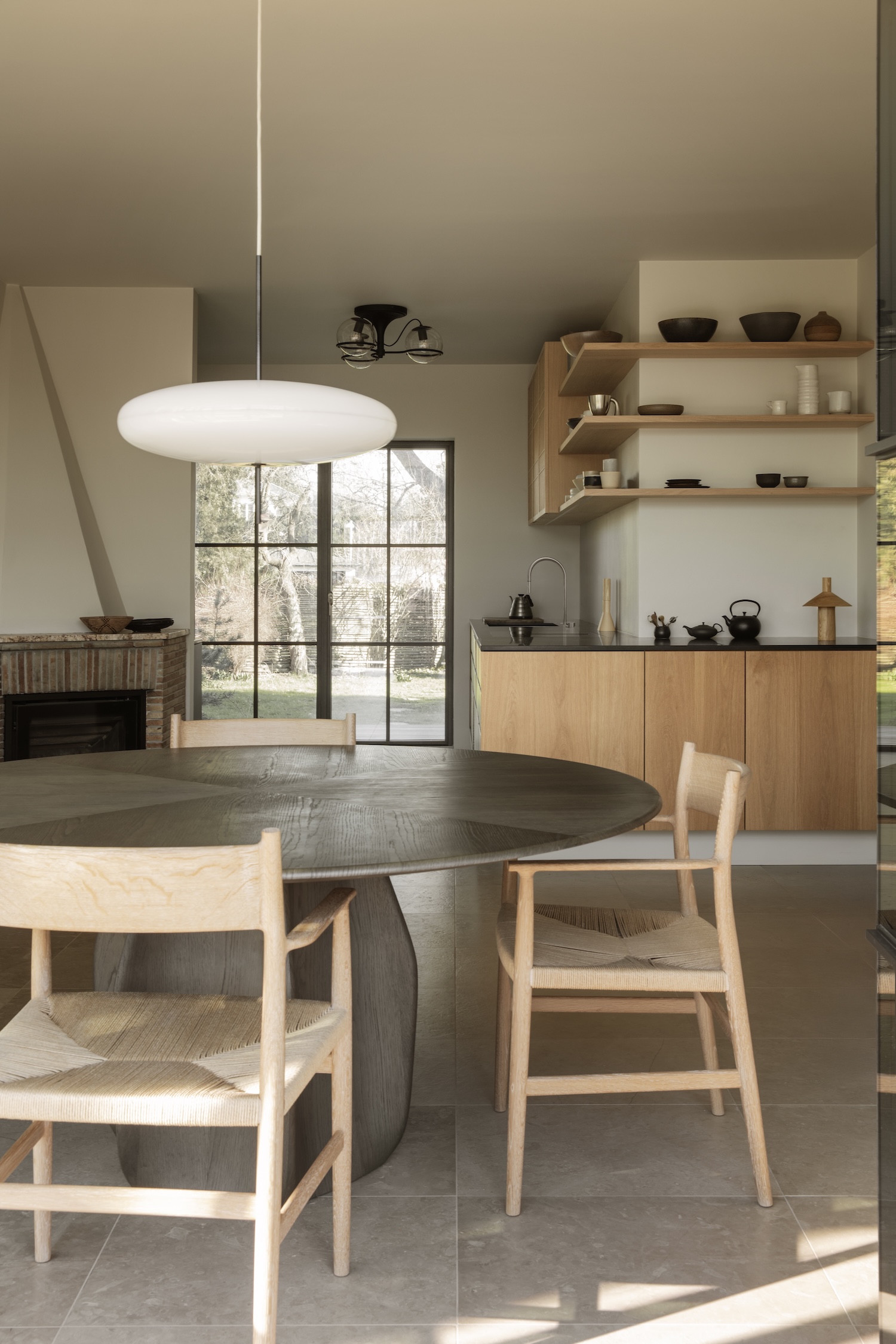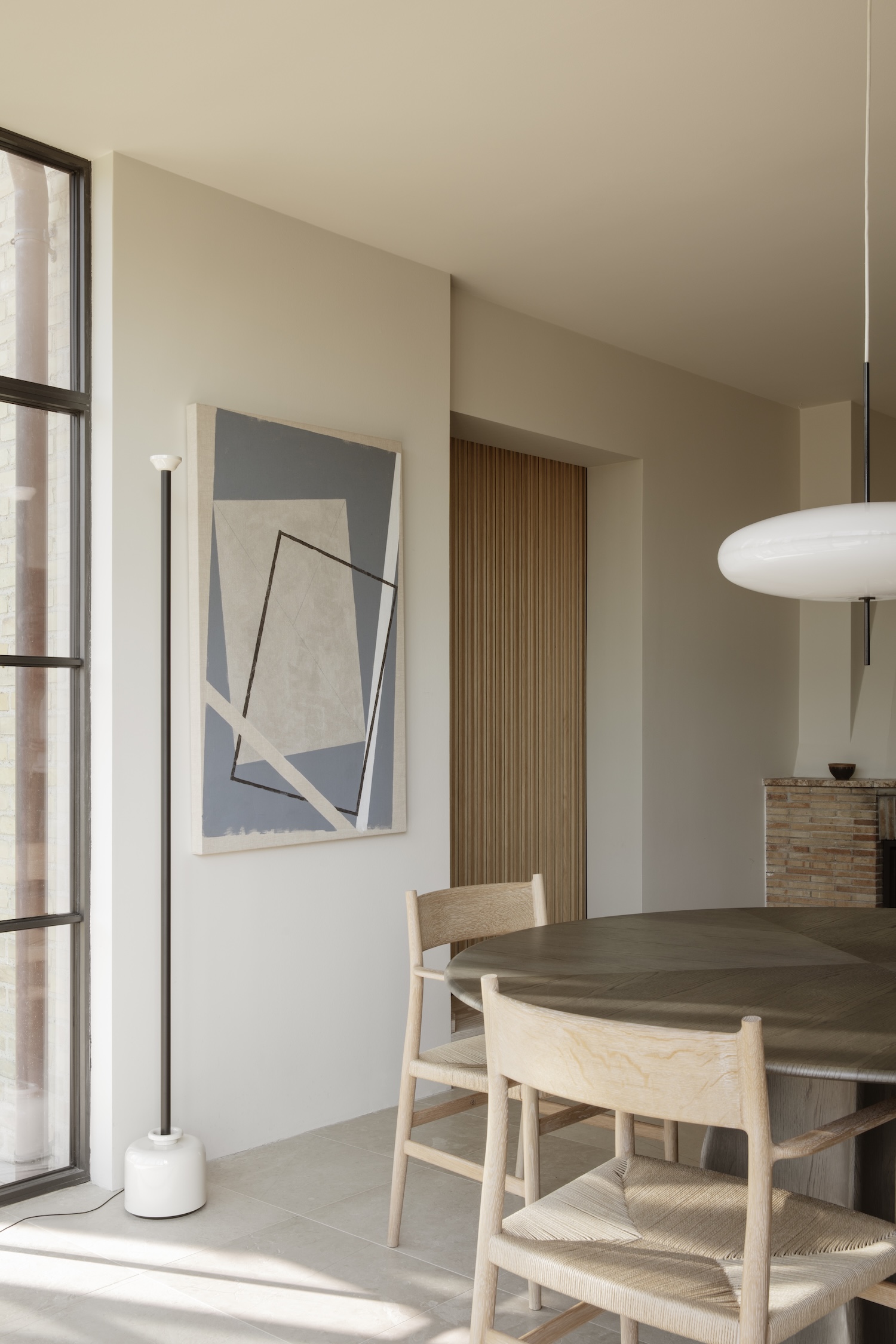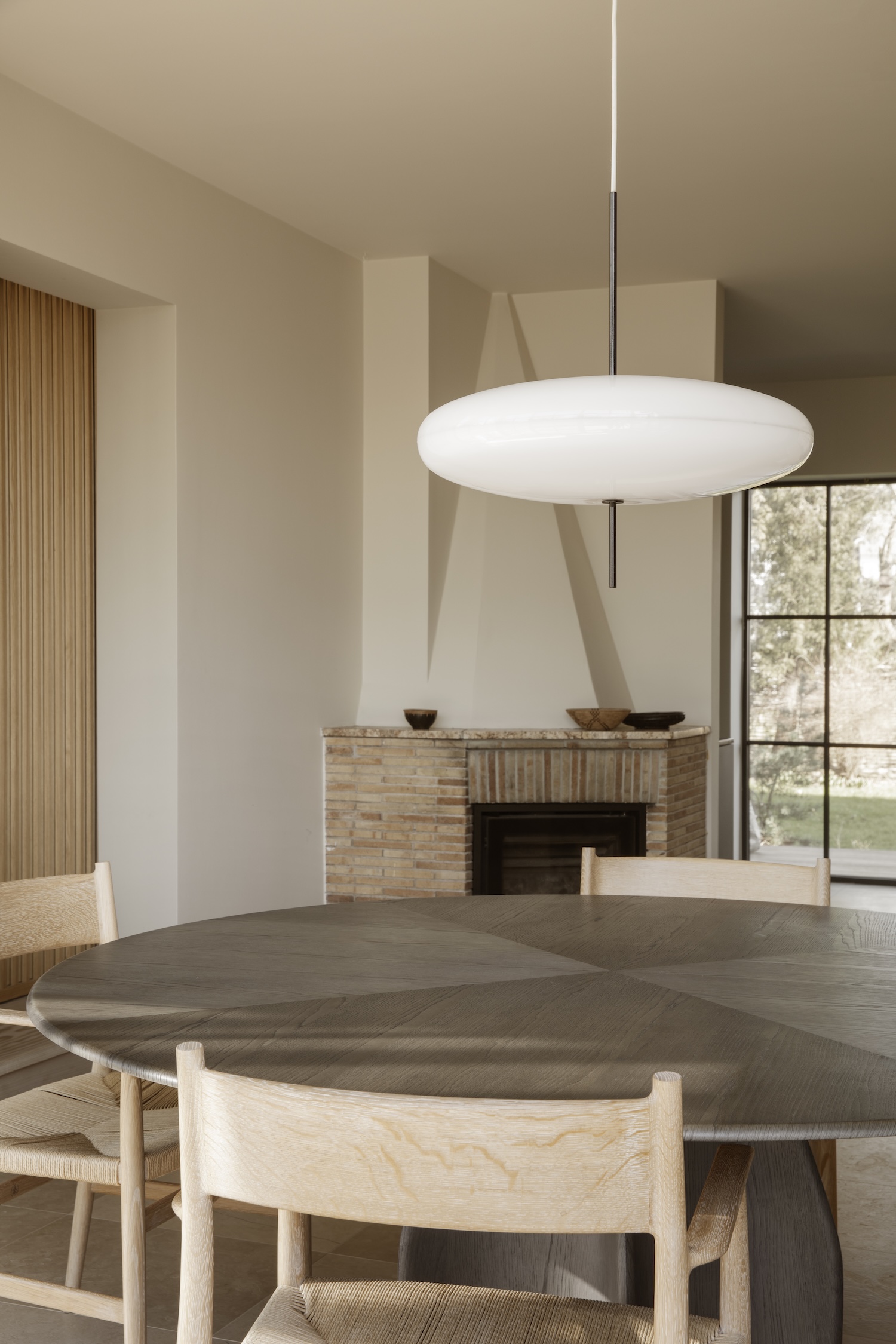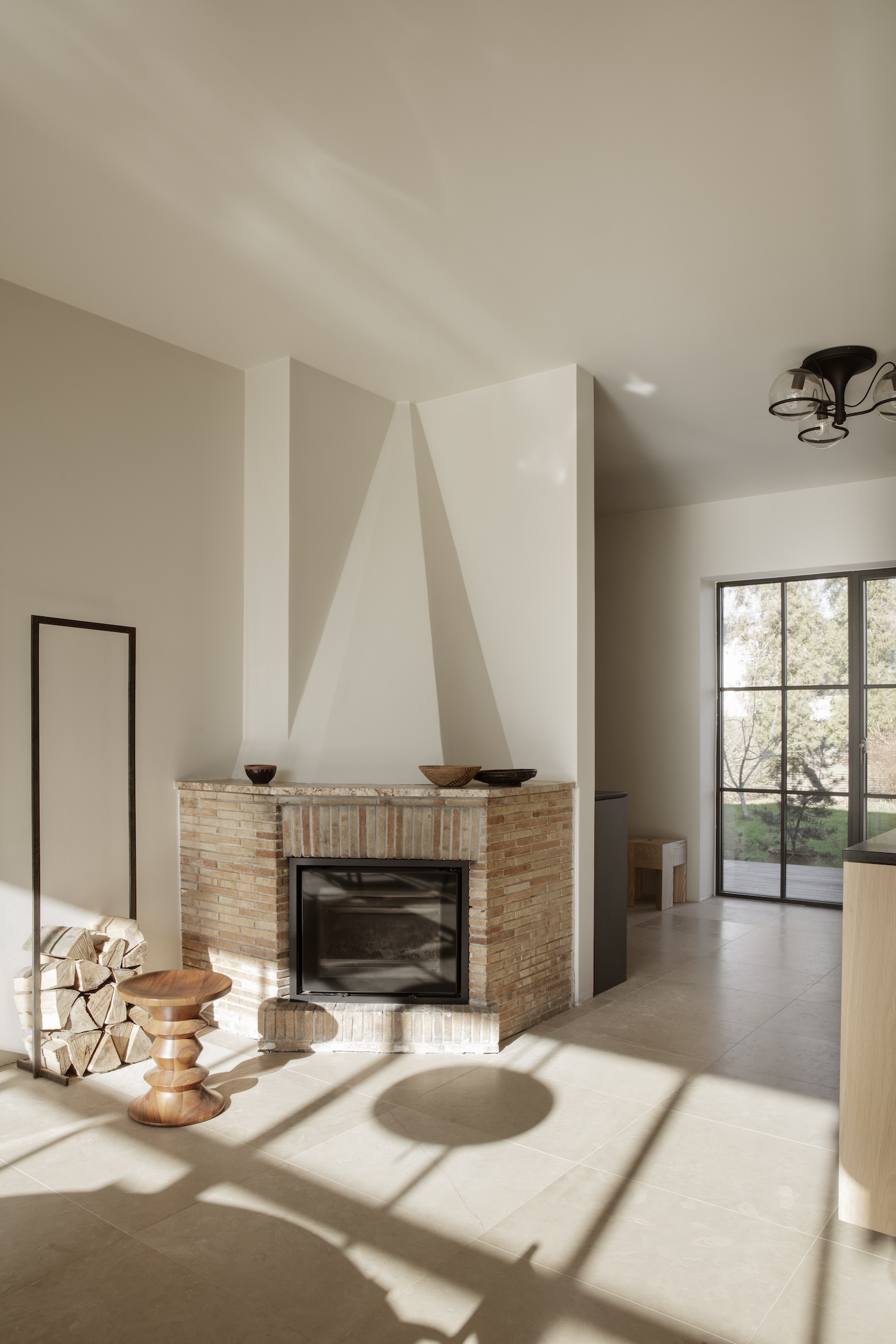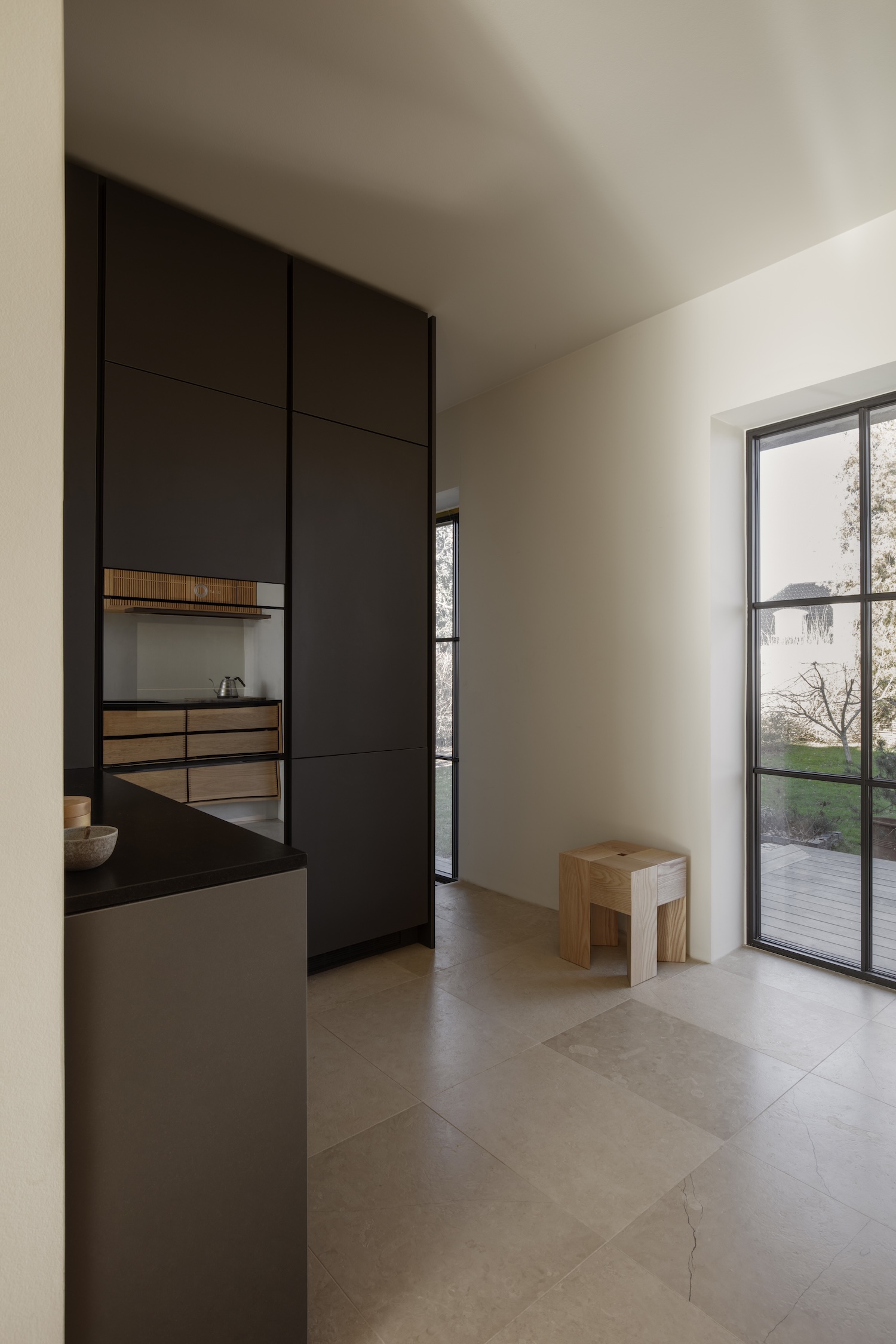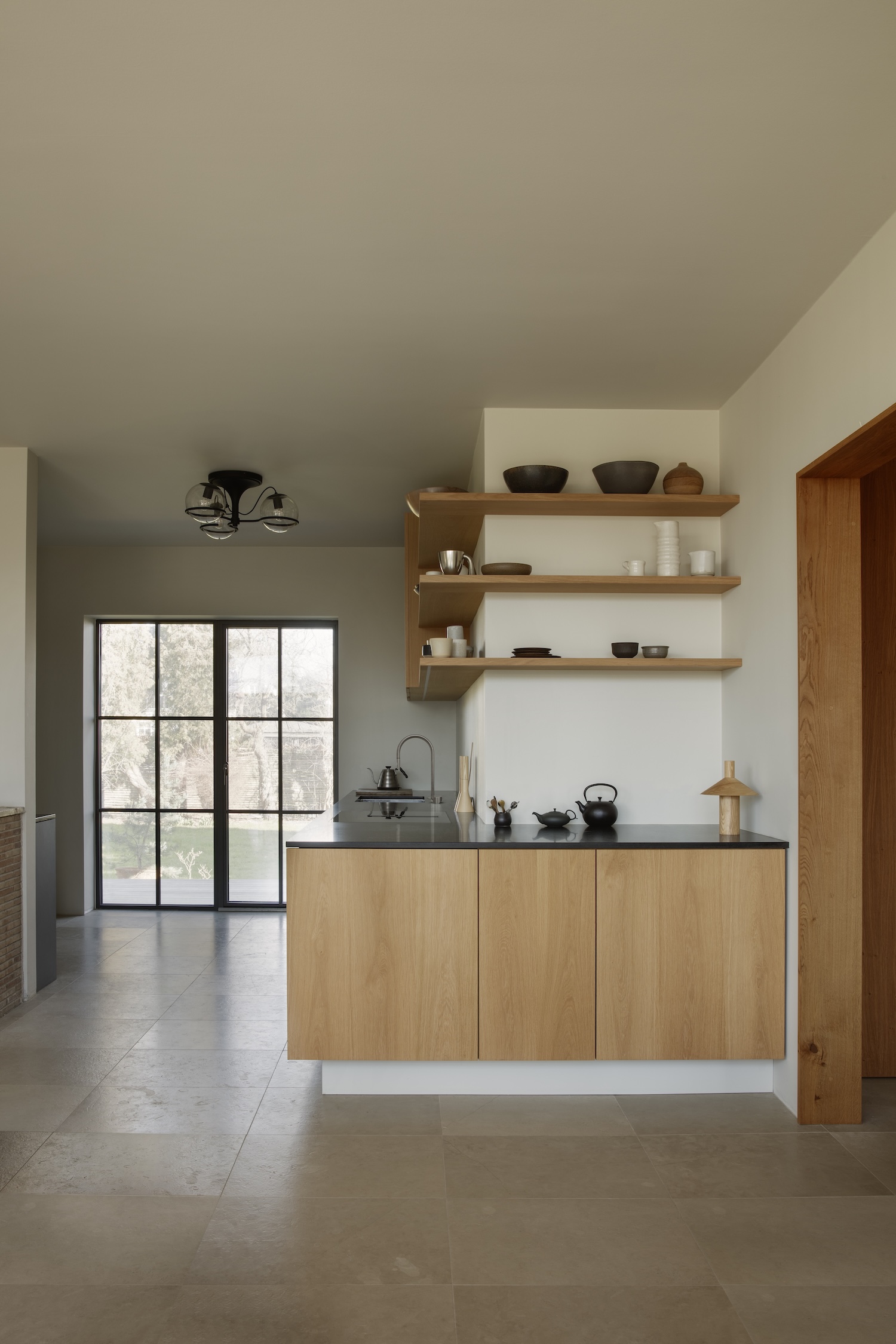
Humlebæk Home is a minimalist residence located in Humlebæk, Denmark, designed by Yasmin Edgecombe of Yoye in collaboration with Garde Hvalsøe. This coastal town project on Copenhagen’s outskirts overlooking the Øresund demonstrates how spatial reorganization and bespoke kitchen design can transform challenging layouts into functional family environments. The location near Louisiana Museum of Modern Art, attracting 70,000 annual visitors, brings sensitivity to aesthetics, materiality, and nature enriching the surrounding area characterized by architecture ranging from grand villas to intimate summer houses.
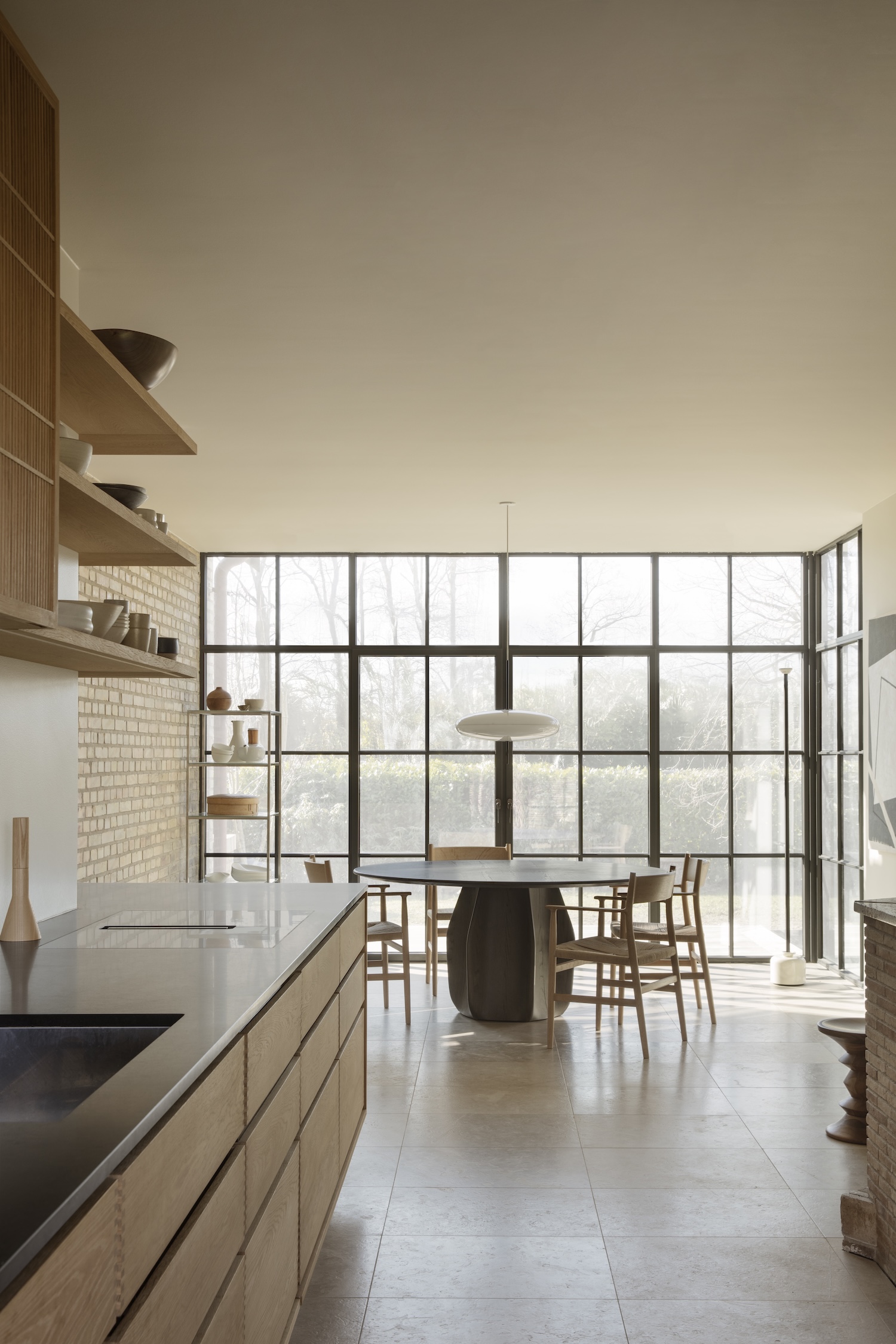
Edgecombe initially drawn to location and atmosphere found the home’s layout challenging upon entry, immediately sketching until the layout made sense with spatial designer skills allowing space opening. Removing restrictive layers and walls transformed the proposal into functional space working for her blended family, with the room initially feeling impossible becoming focal point – the kitchen. This renovation approach demonstrates how professional spatial design expertise can recognize potential within problematic existing conditions through strategic demolition and reconfiguration.
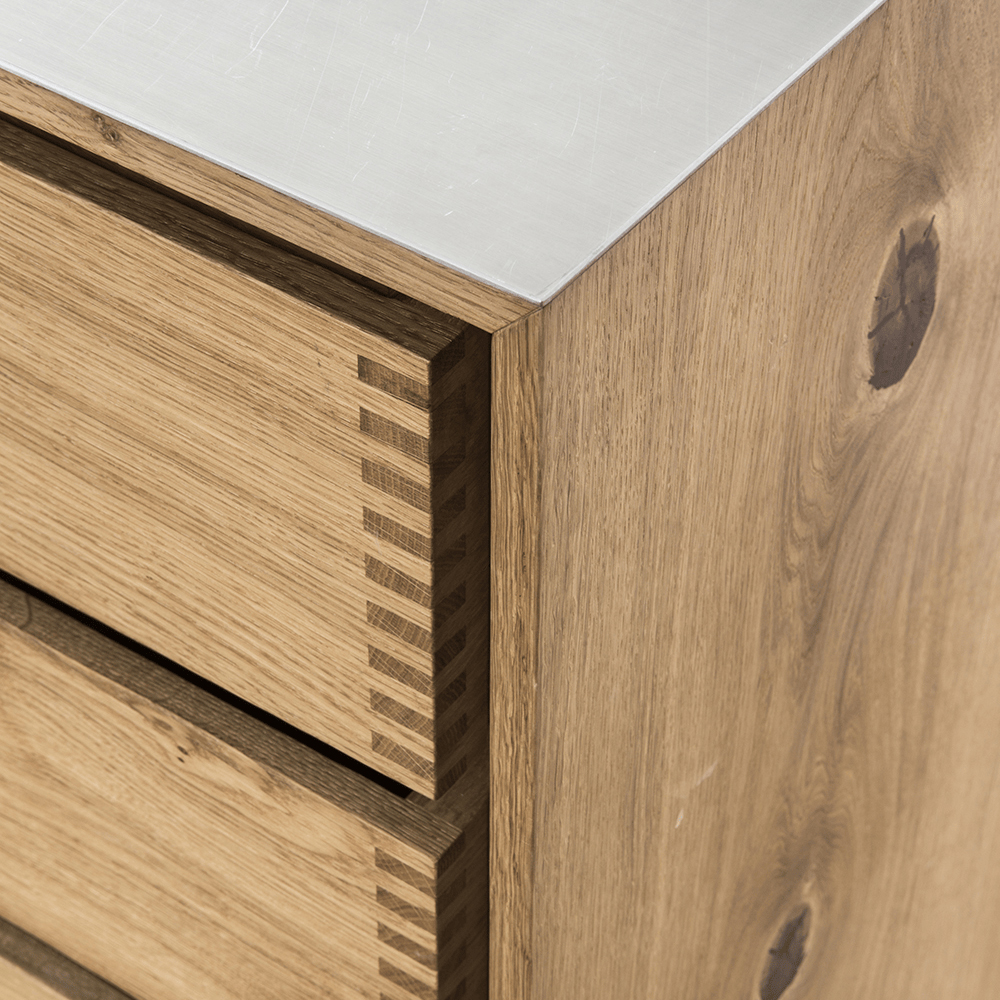
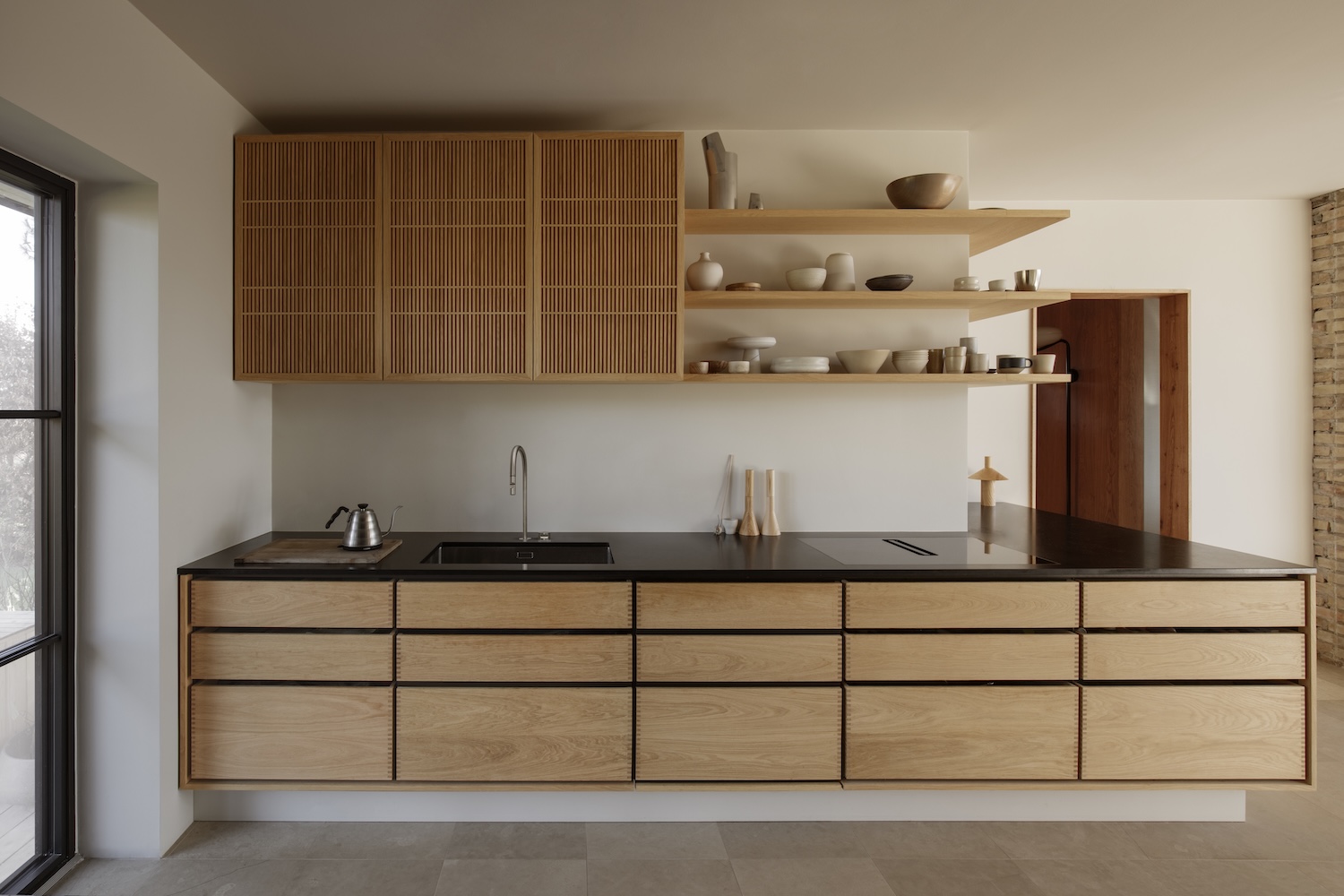
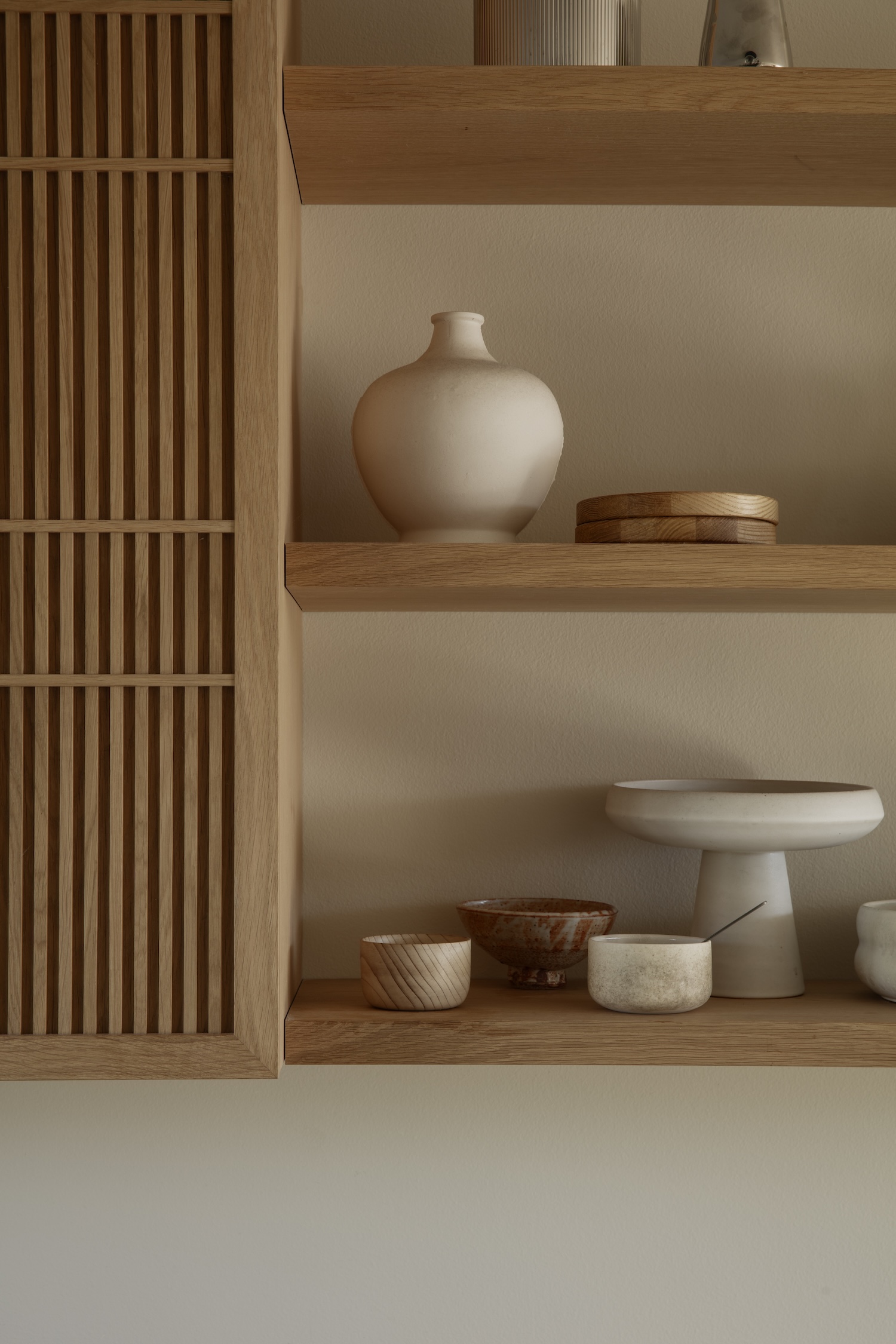
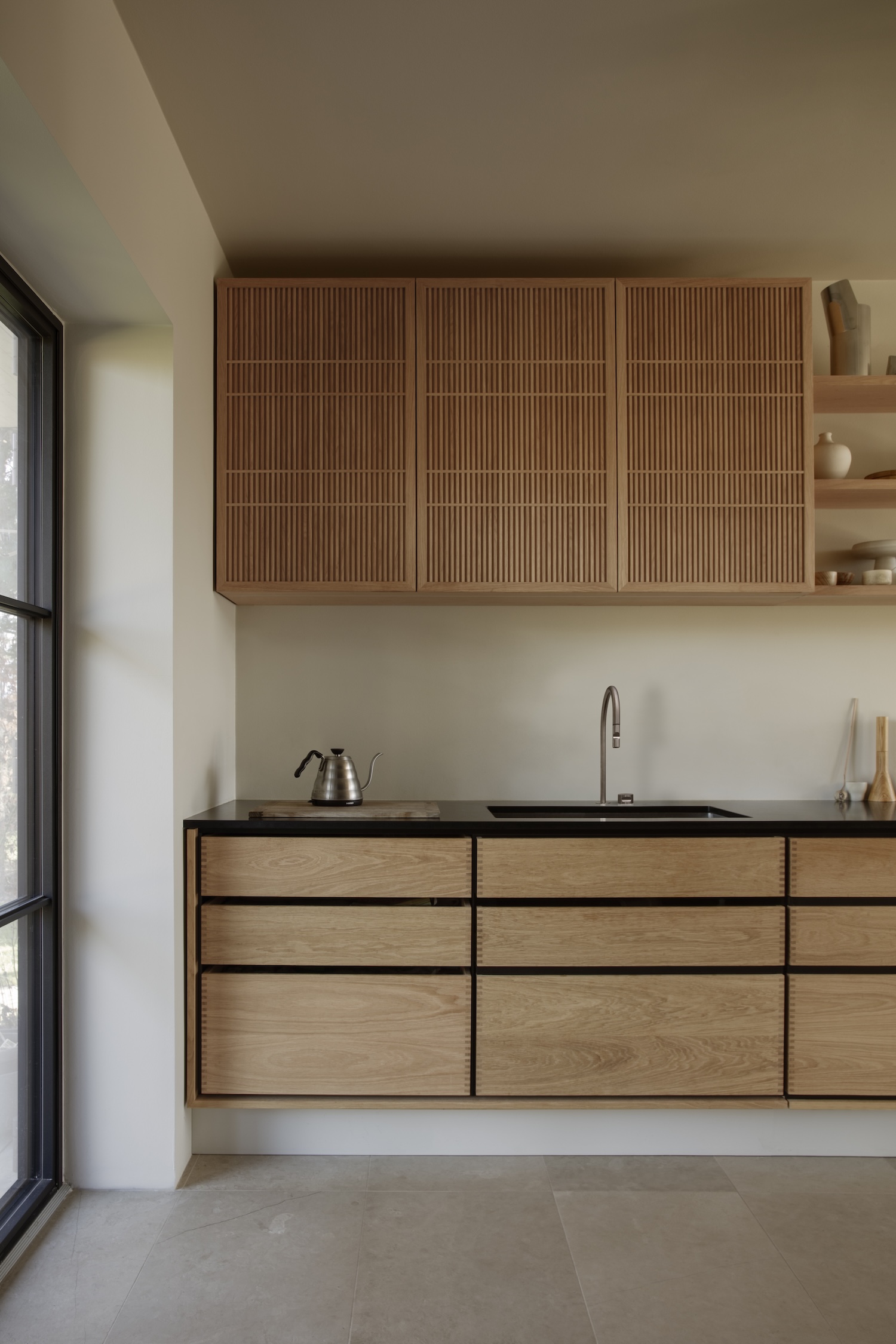
The kitchen design formed the home’s core with Edgecombe knowing from beginning that wood was fundamental as living material aging beautifully bringing warmth and presence into space. Garde Hvalsøe collaboration felt right and reassuring addressing contemporary concerns about material sourcing and production provenance with local sourcing making difference. This emphasis on material transparency and regional fabrication reflects growing consumer interest in understanding product origins and supporting local craft economies.
Patina importance equally shared between Garde Hvalsøe and Edgecombe emphasizes best high-quality materials aging with dignity through wood and stone employment as key materials developing patinas over time gaining character. Edgecombe’s broader design philosophy grounds in passion for details, materials, colors, textures, light, and beauty questioning how floor feels underfoot and how surfaces change over time, believing when design works it is felt in body and has energy. This sensory approach positions residential design as embodied experience rather than purely visual composition.