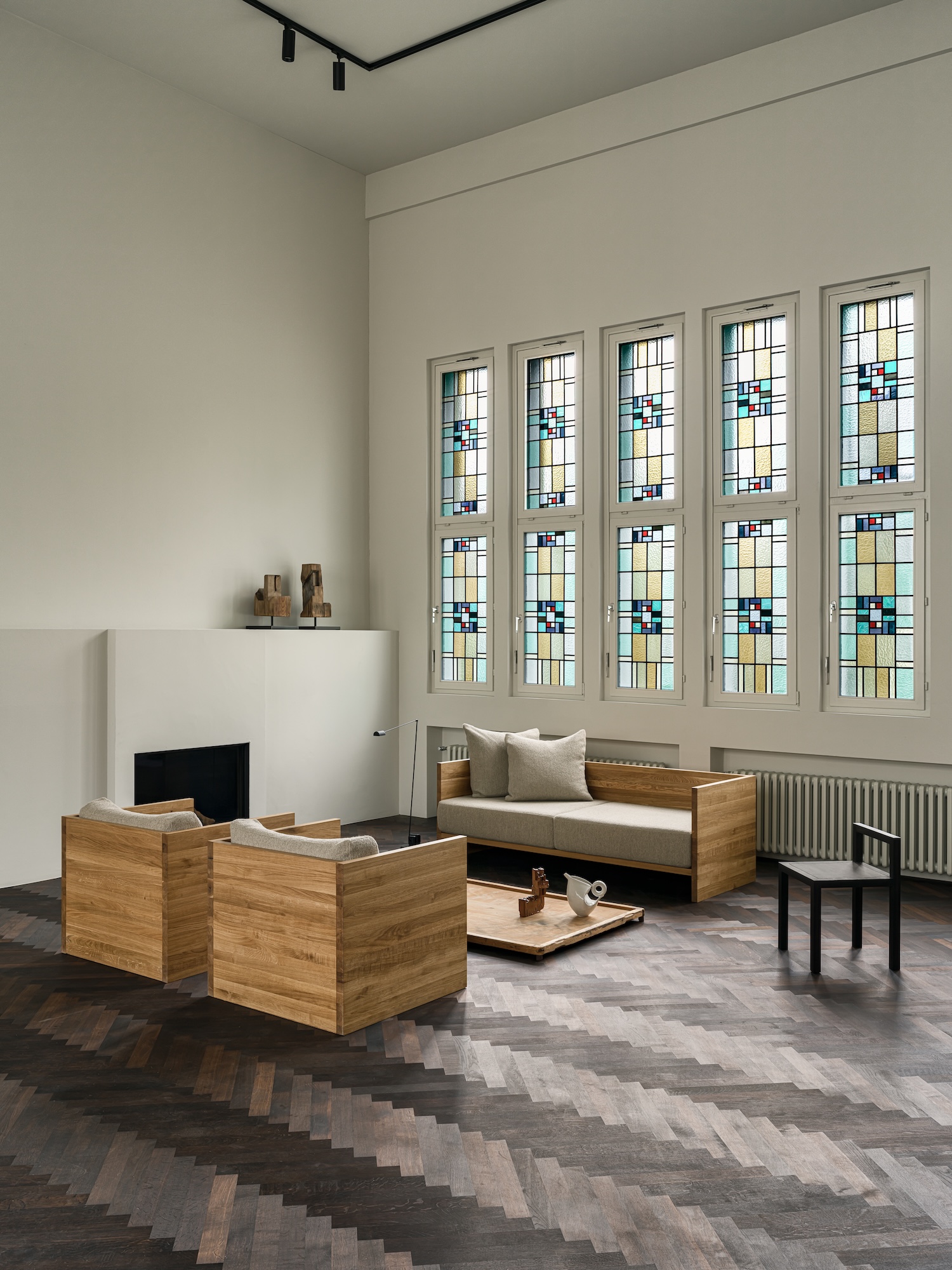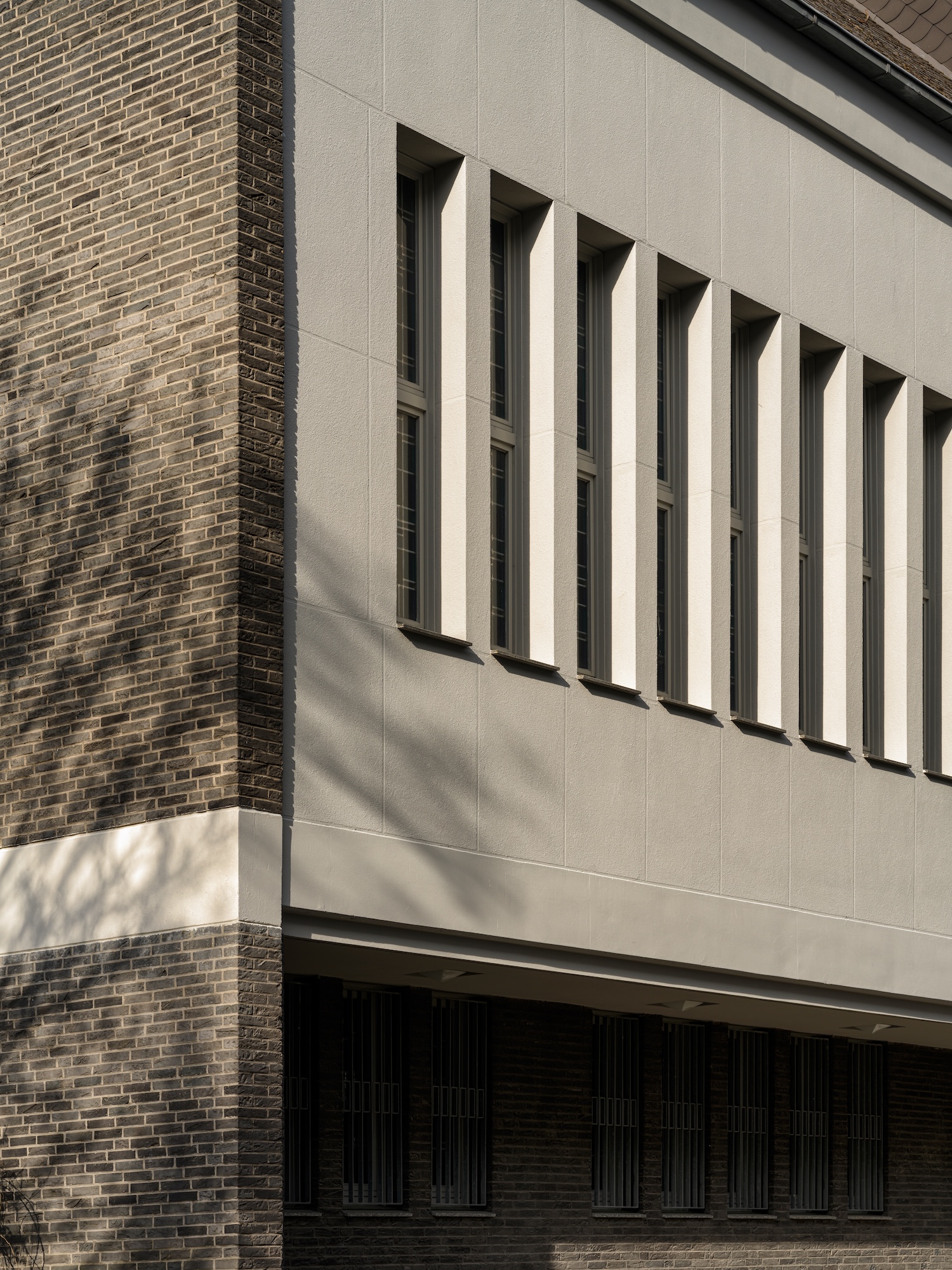
Otto Church is a minimalist residence located in Düsseldorf, Germany, designed by Nidus. This 1977 Herrmann Rauch-designed church in Gerresheim district demonstrates how ecclesiastical architecture can transition to residential use through restrained transformation continuing rather than rupturing building’s story. The post-war church architecture defining figure created spaces of understated dignity – reduced in form, deliberate in light, and powerful in presence – establishing intrinsic qualities including soaring ceilings, colored glass light play, and confident material clarity setting transformation tone.
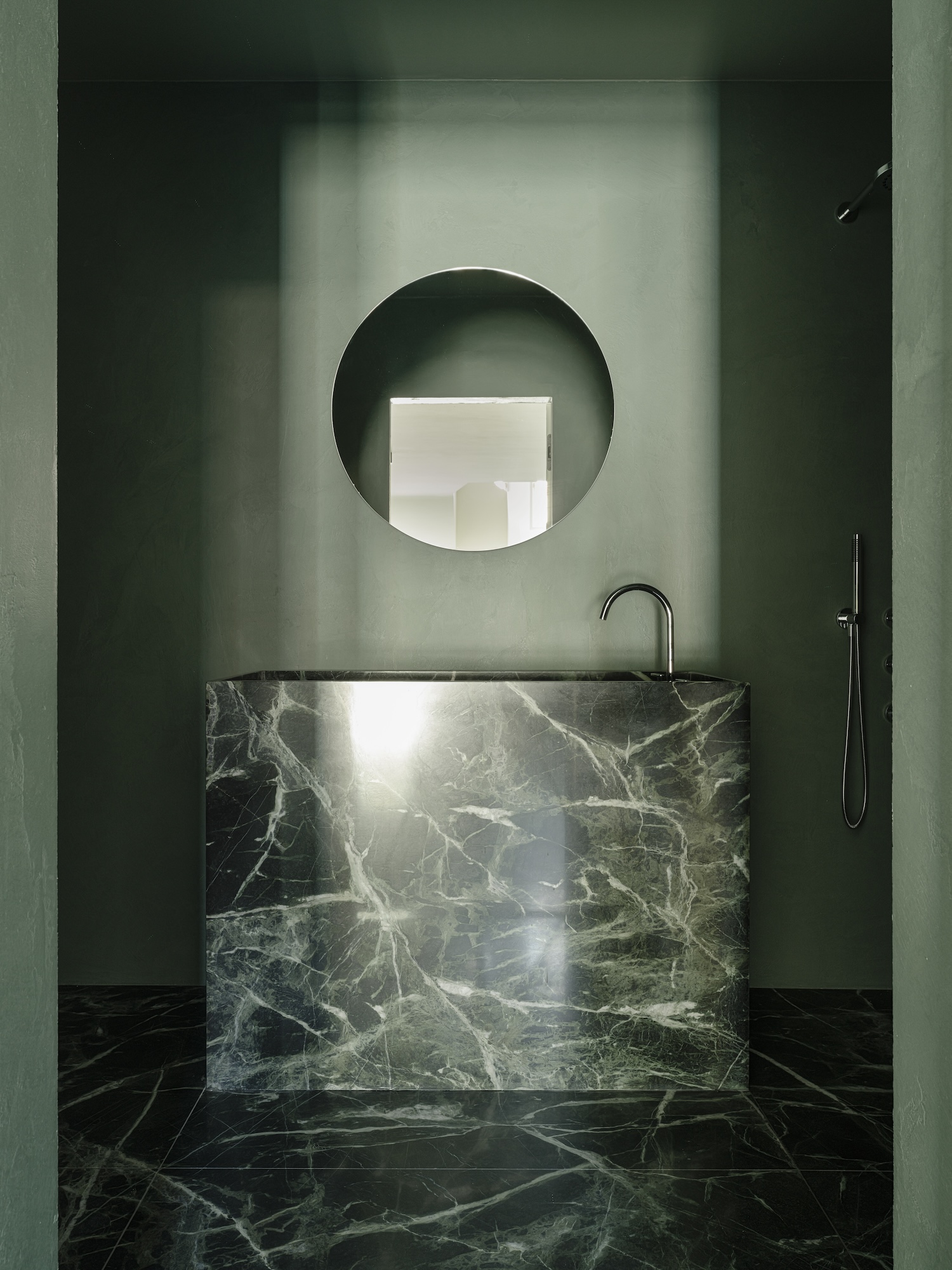
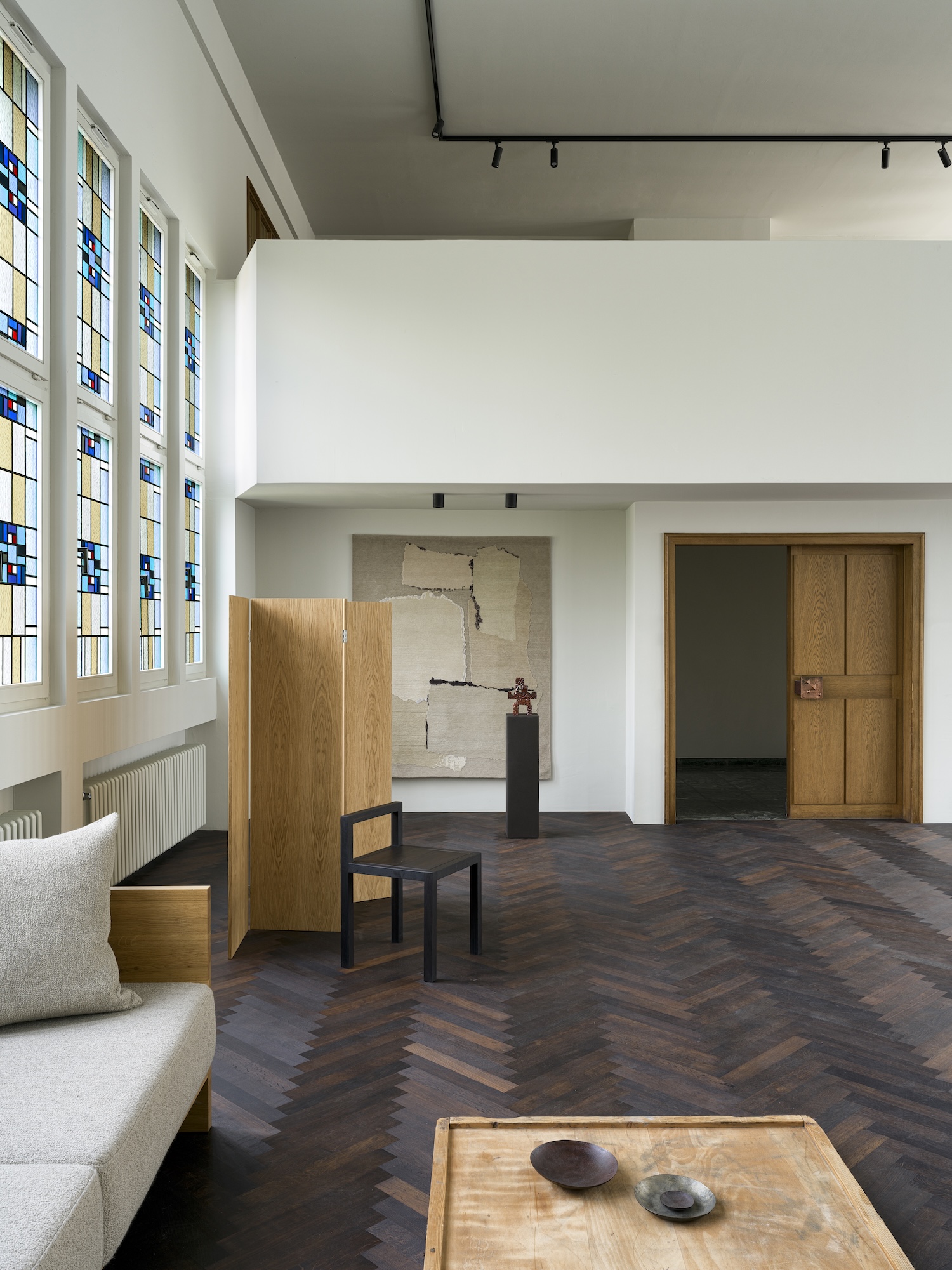
The utmost restraint transformation employs green marble floor from former stairwell as bathroom surface reference with materials and colors echoing existing palette. Smoked oak parquet adds depth and warmth while original details like oak door leading into former church hall preserve and subtly integrate into new design – quiet continuation in spirit of what already existed. This preservation approach demonstrates how renovation can honor architectural character through material continuity rather than comprehensive updating that might erase historical identity.
The space inauguration through curated concept store rather than traditional topping-out ceremony created temporary setting bringing craft, art, and architecture into dialogue. The exhibition curated with Berlin design gallery Maj van der Linden featured Japanese label Suzusan and Sansui wood and textile works, Maison Rhizomes rugs, Berlin artist Jeremy Bellina sculptures, Analog Glass pieces, and Nidus collection furniture including new Otto Stool design created especially for the church – simple, powerful, precise object distilling entire project spirit.
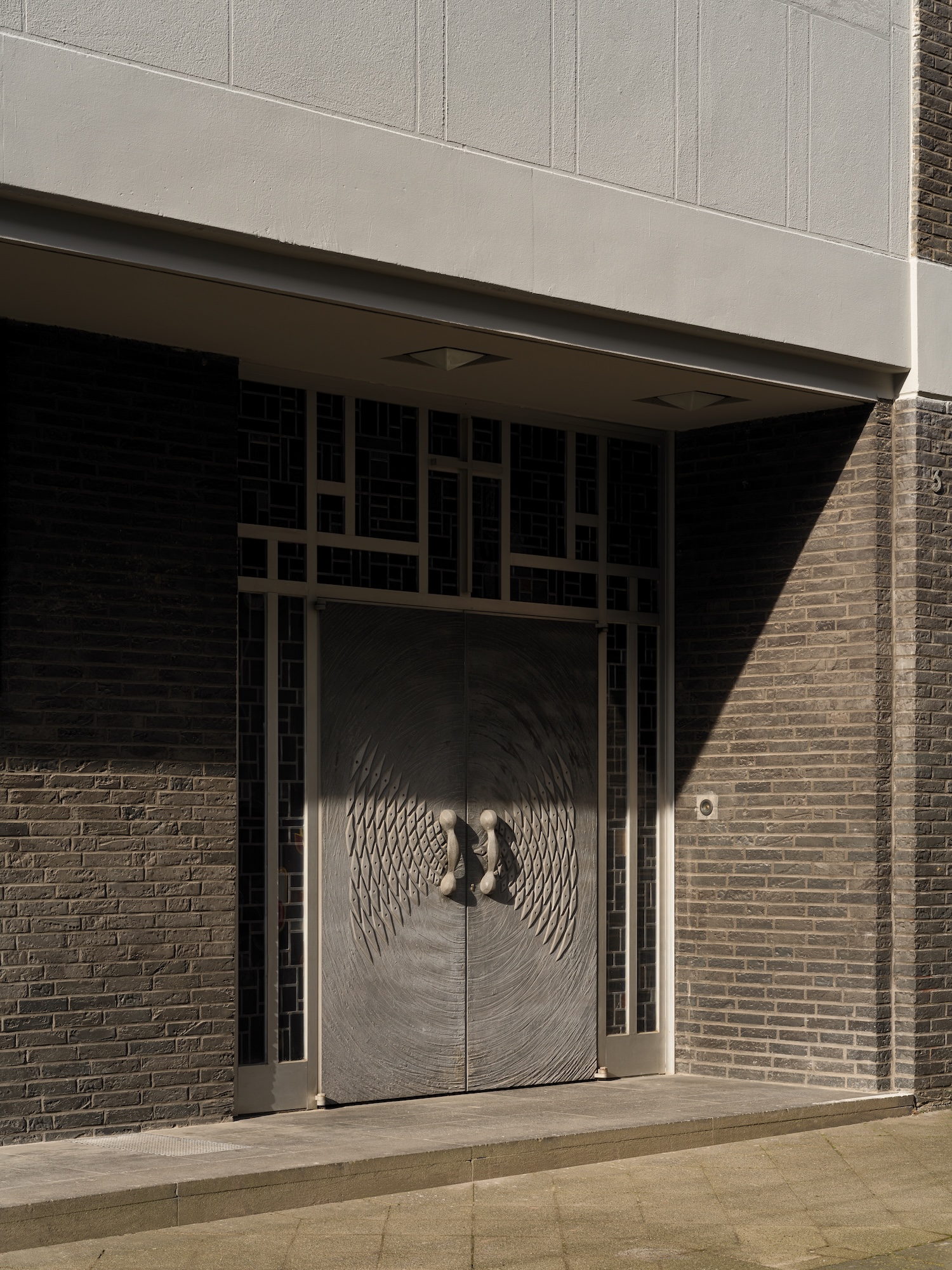
The original sculptural worked aluminum church door preserved marking Otto Church entrance establishes distinctive character through concentric surface structure honoring past while signaling transformed home character. Generous staircase unfolds with original stained-glass windows casting vivid light and color play while preserved door handles reveal sculptural handcrafted design full of depth and rhythm etched directly into metal, defining arrival experience as calm, expressive, and atmosphere-rich.
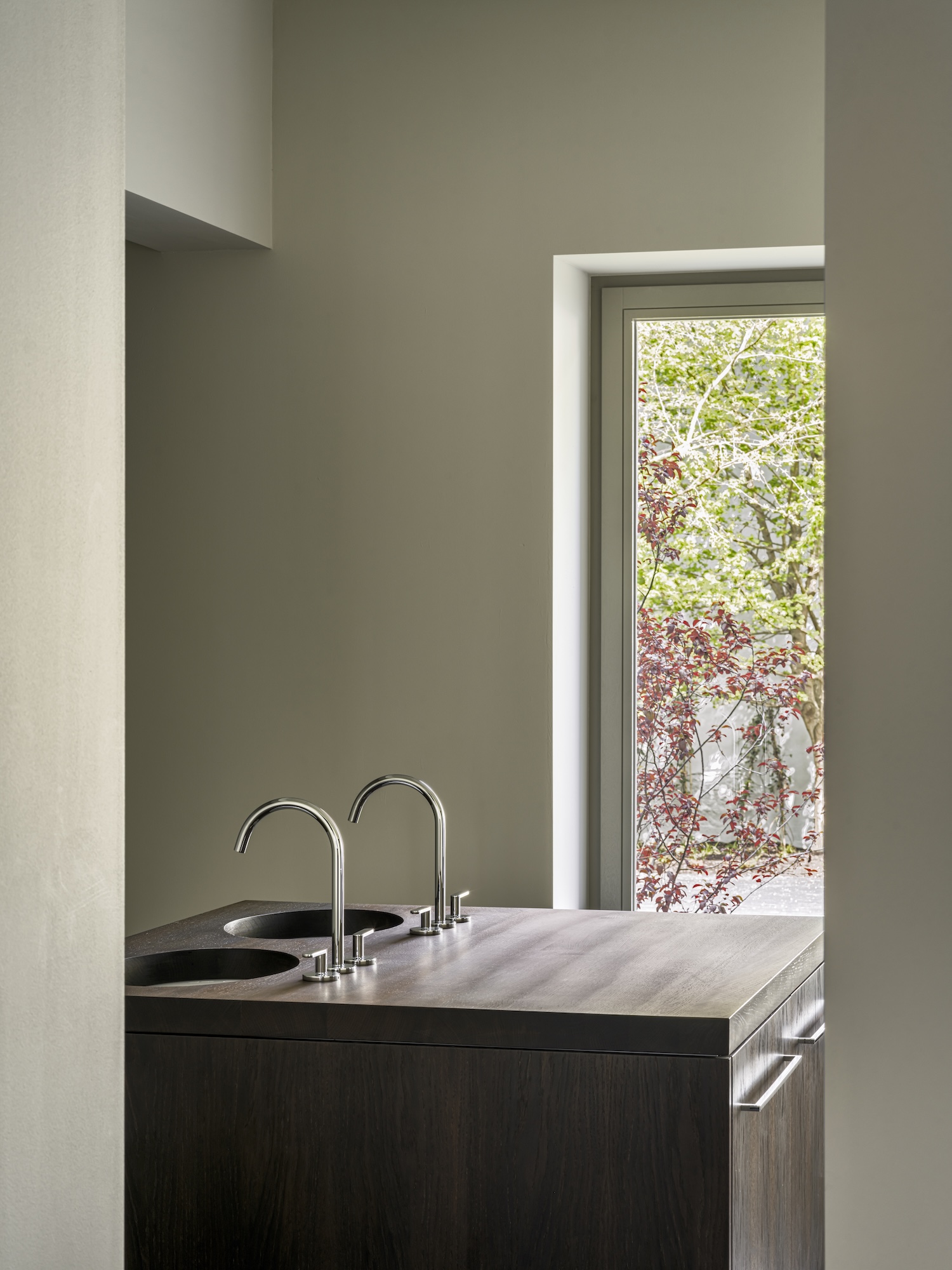
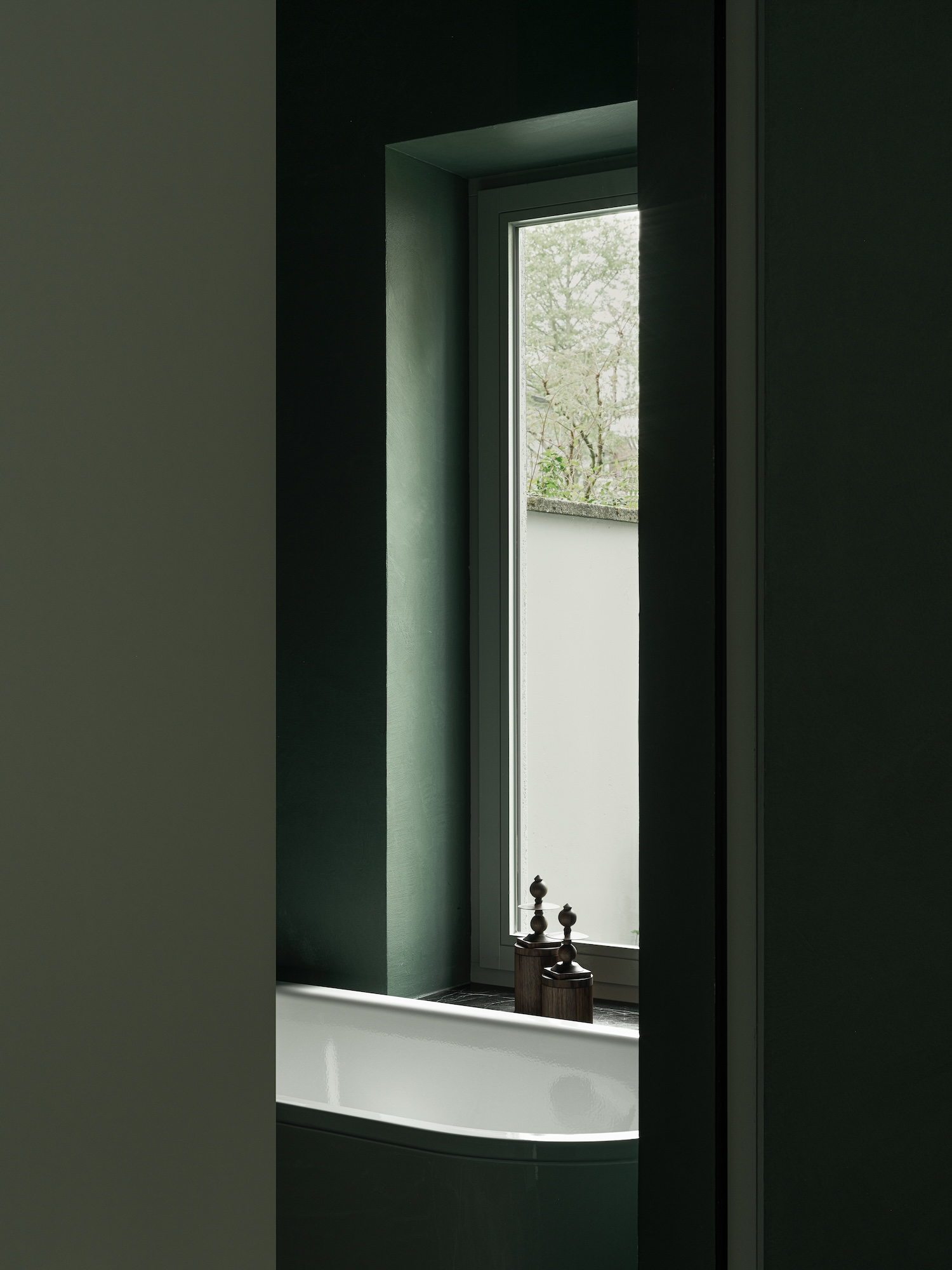
Former ground-floor congregation rooms now host private living areas with new Listral textured glass double door subtly marking transition. Bright garden-facing space features freestanding washbasin block turning bathroom into calm open daily life extension divided into two zones – shower and tub tucked in separate room while smoked oak block forms open garden-oriented center. Dark green marble and mineral plaster wall echo staircase existing marble tones subtly weaving space into house’s overall material language.