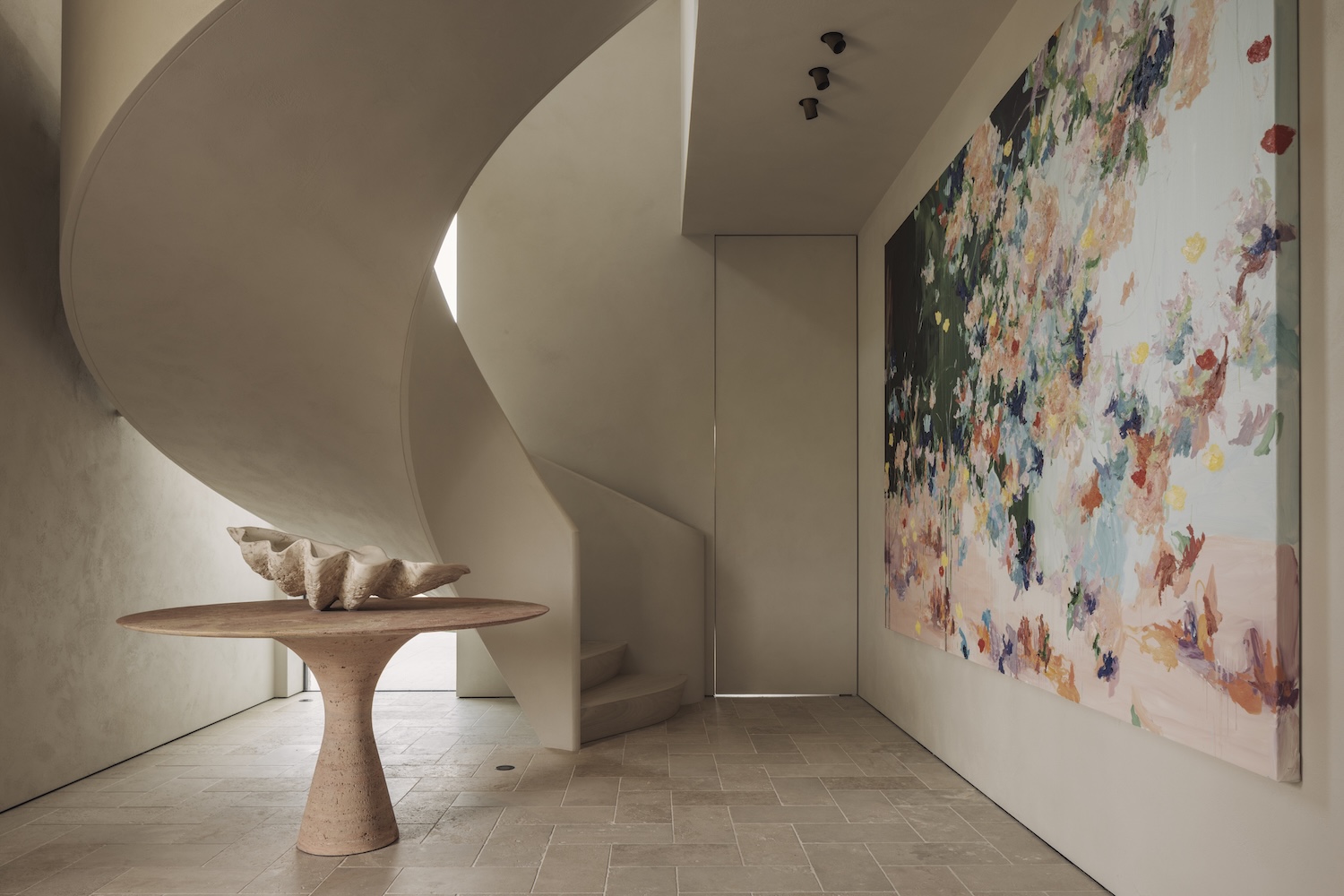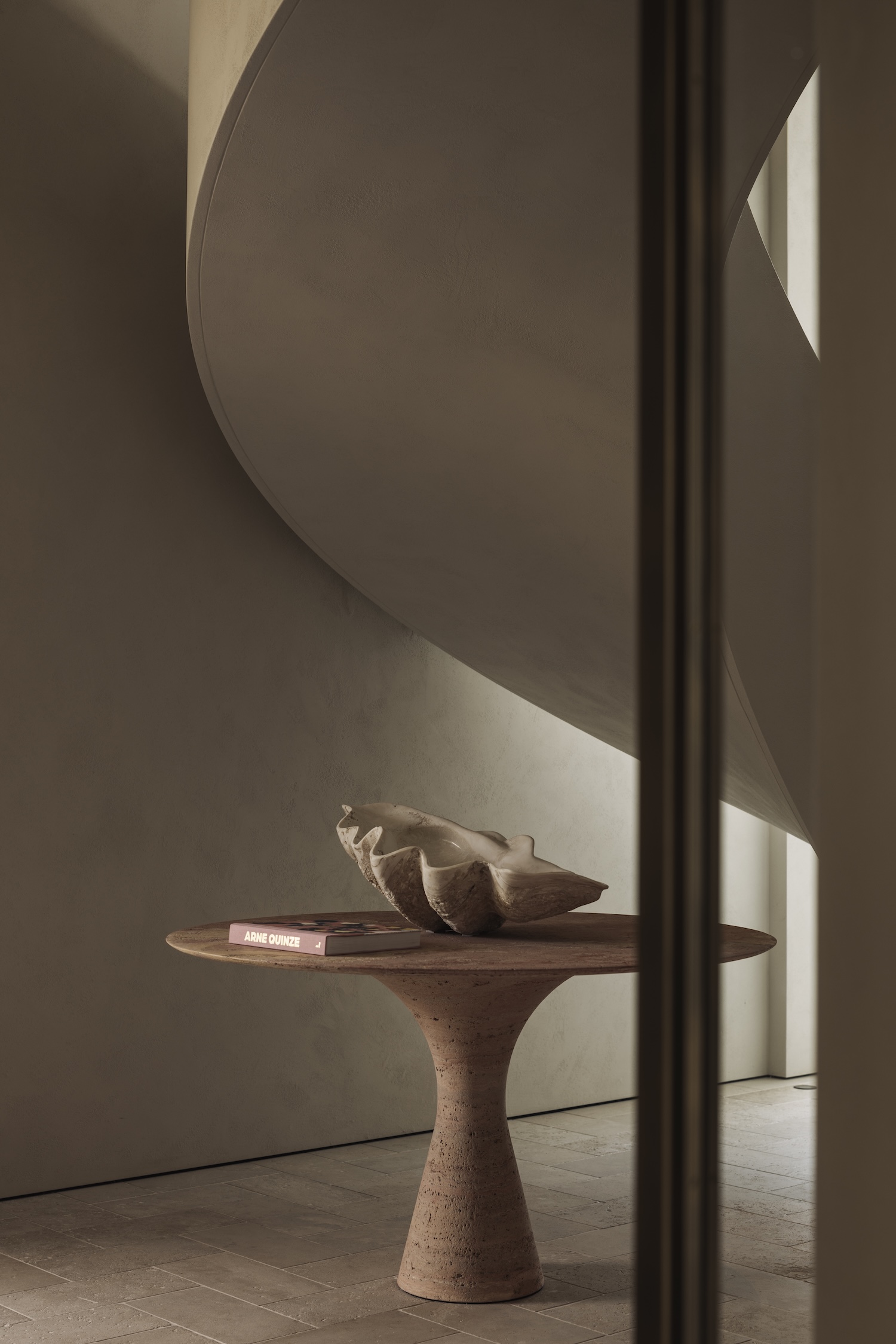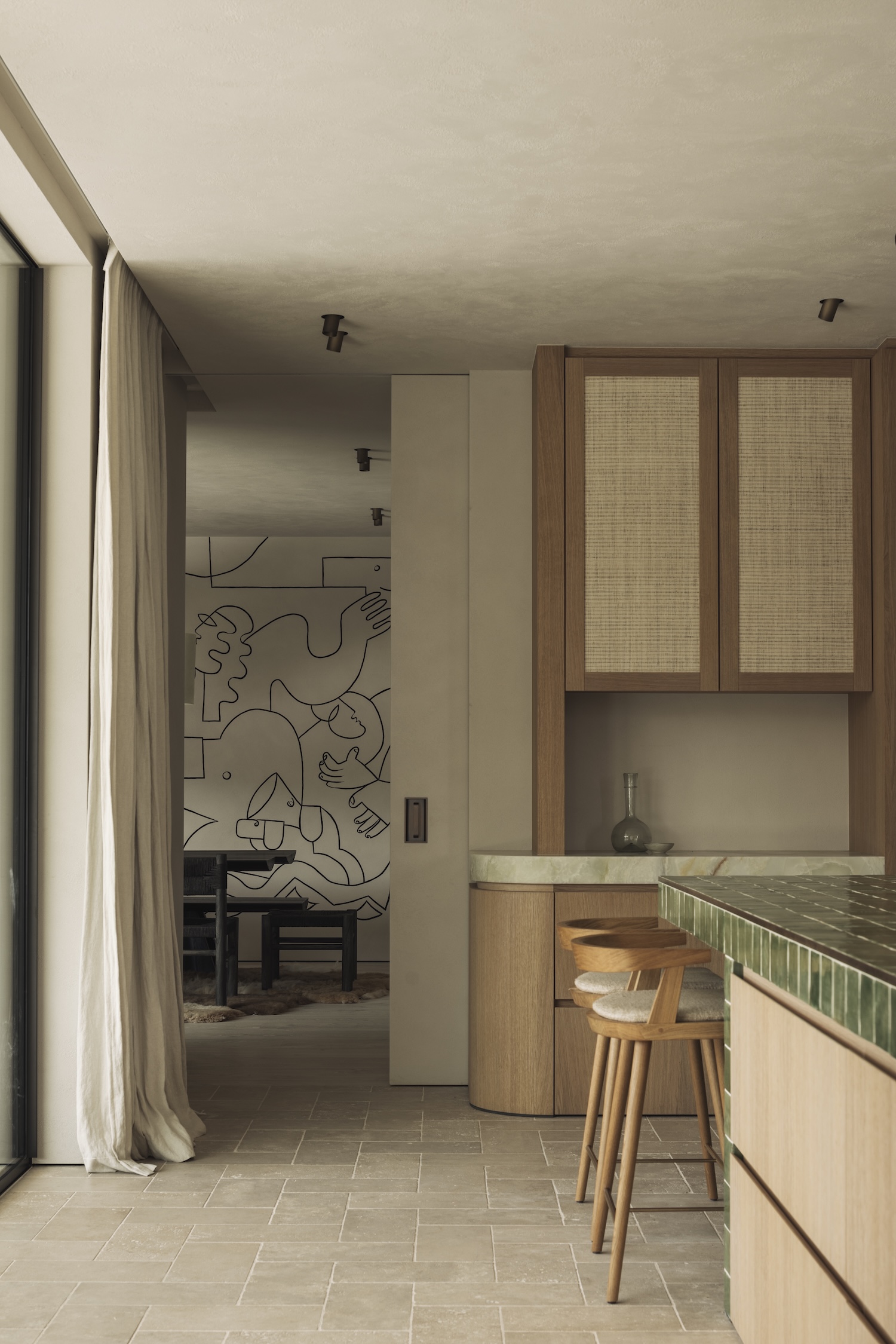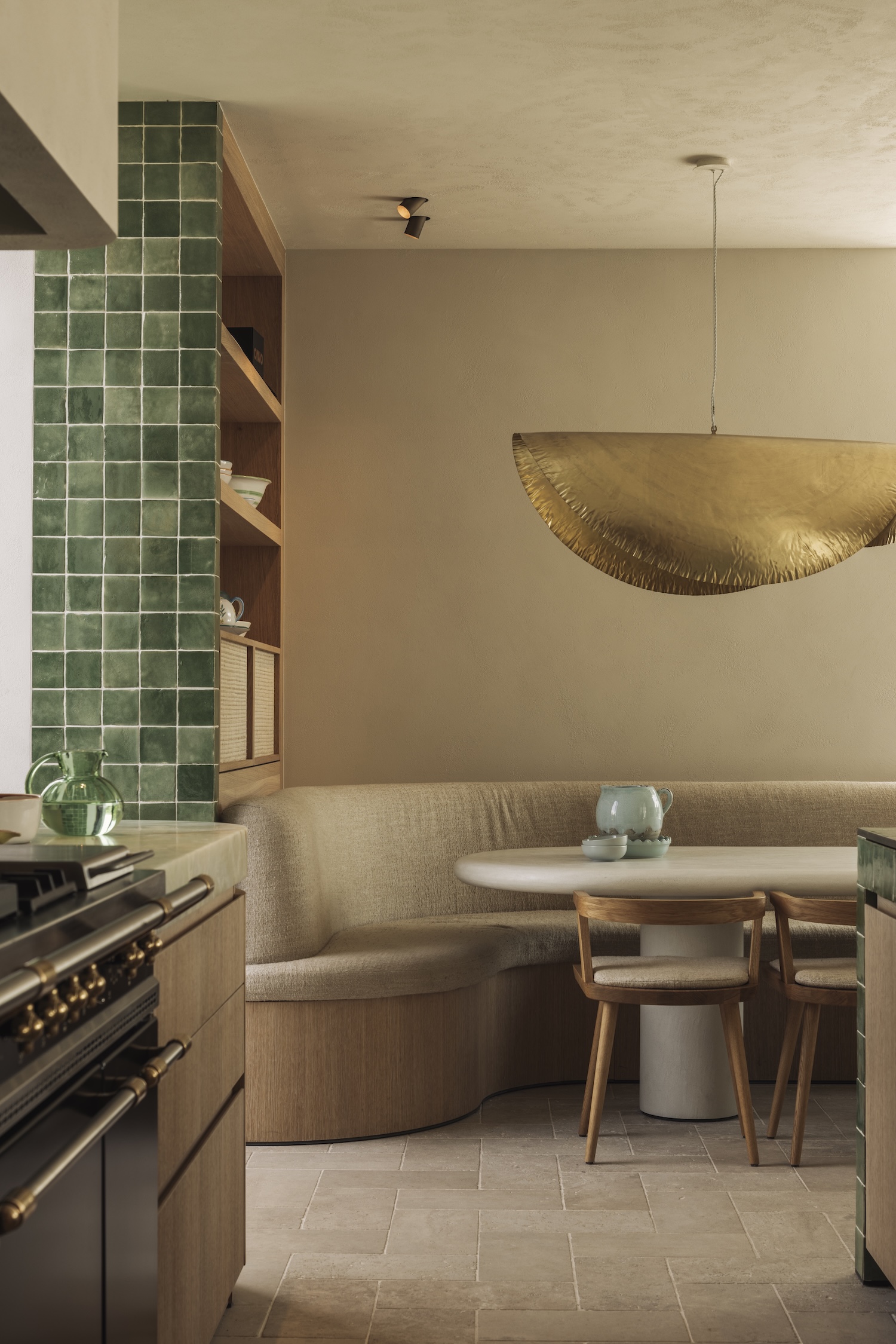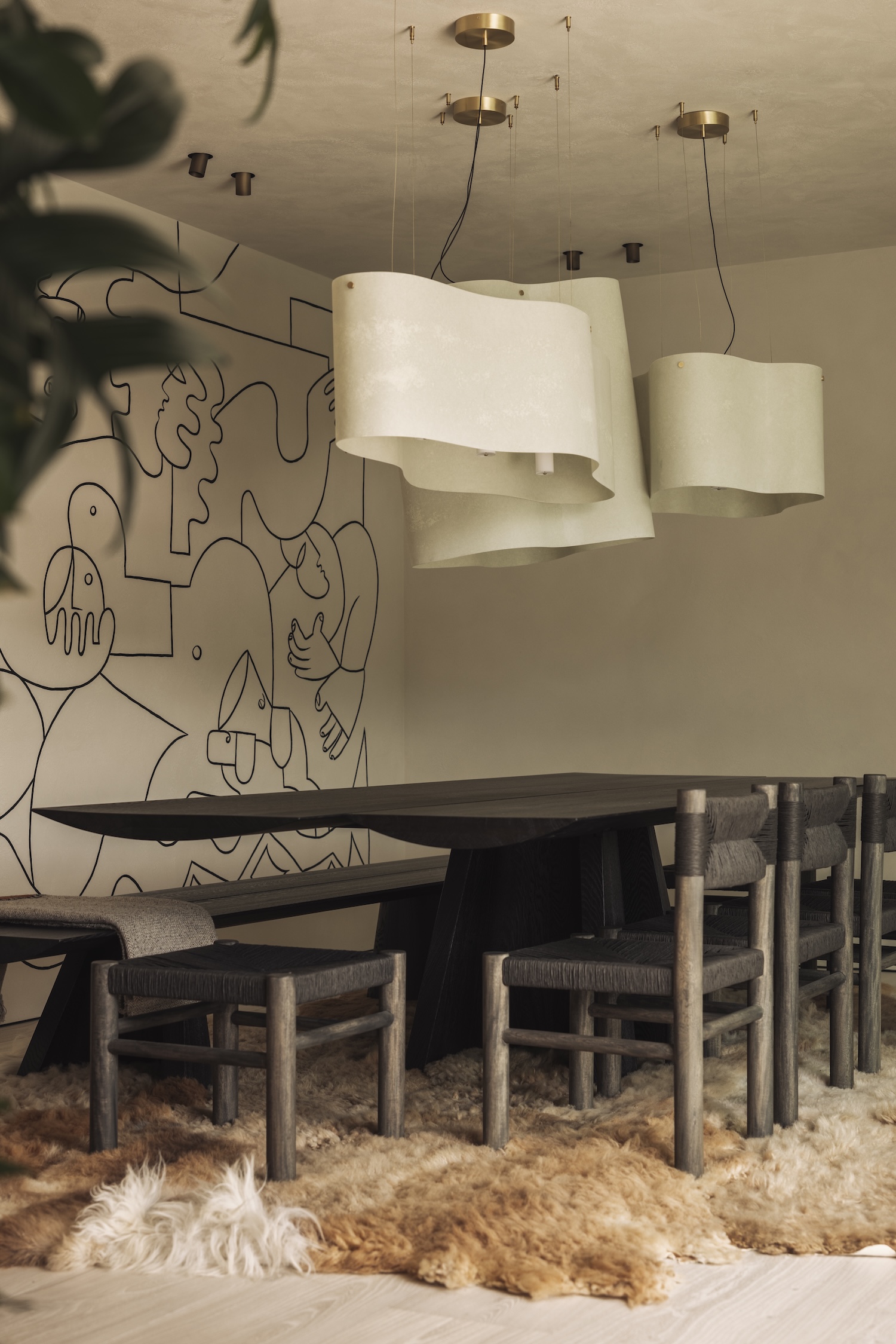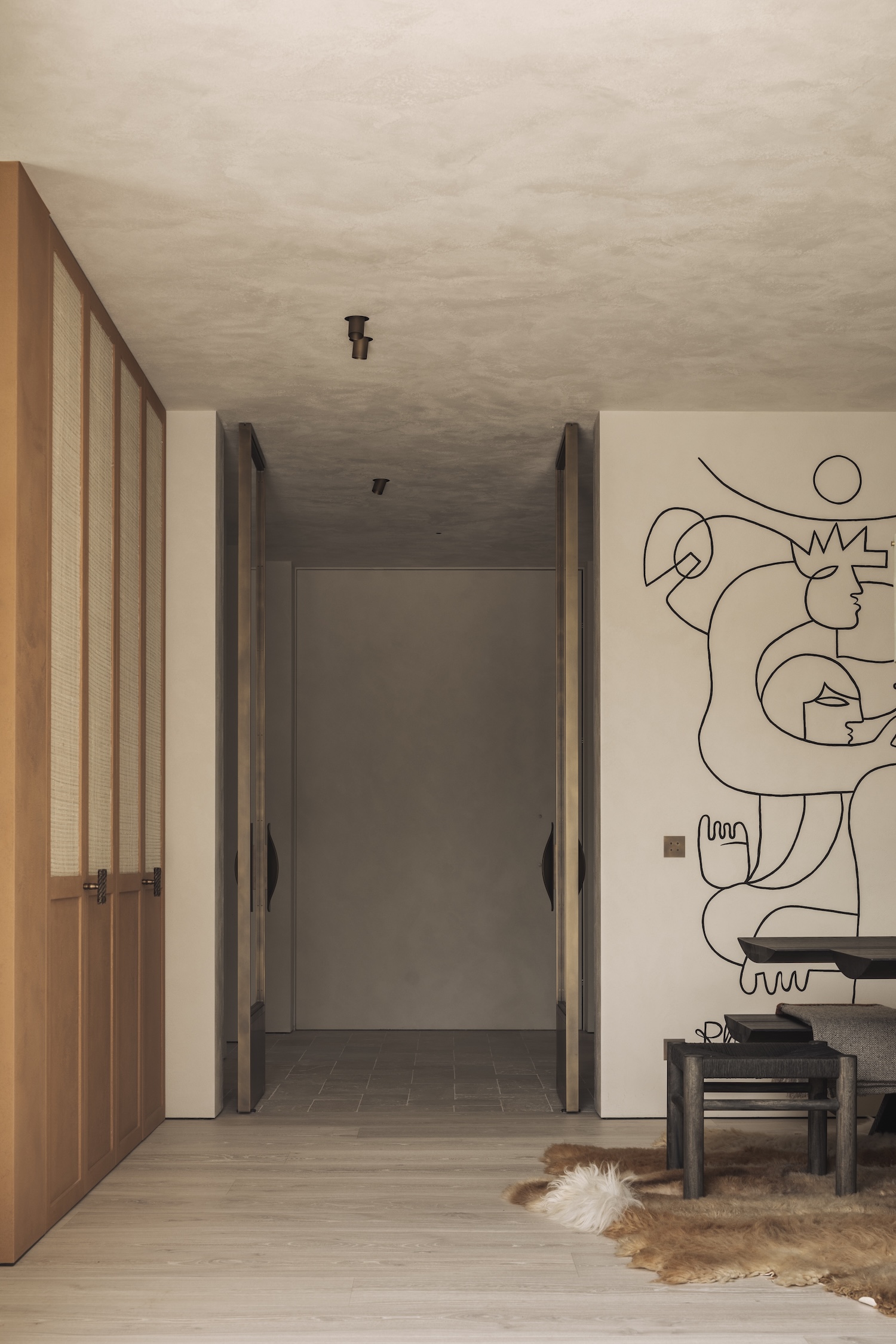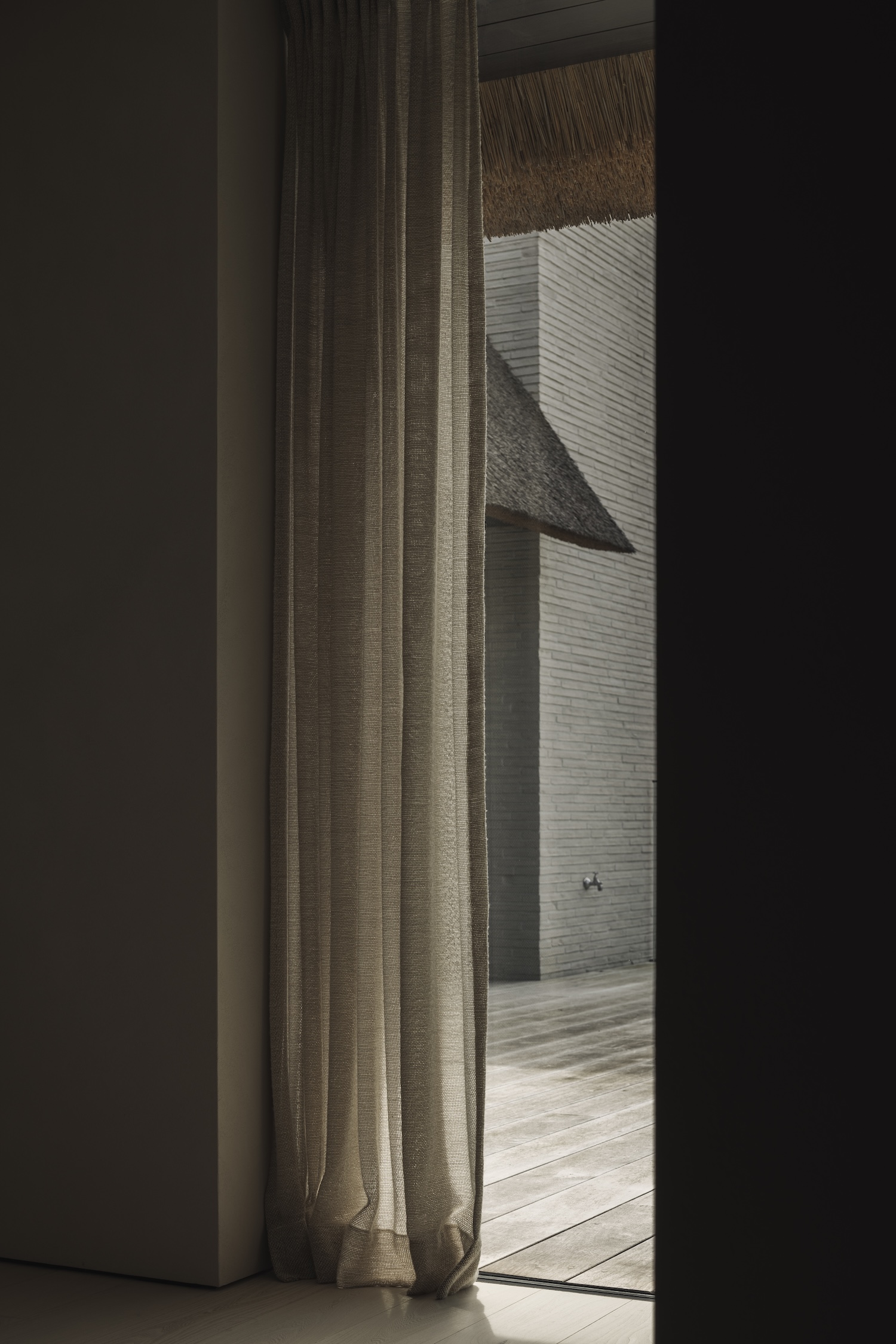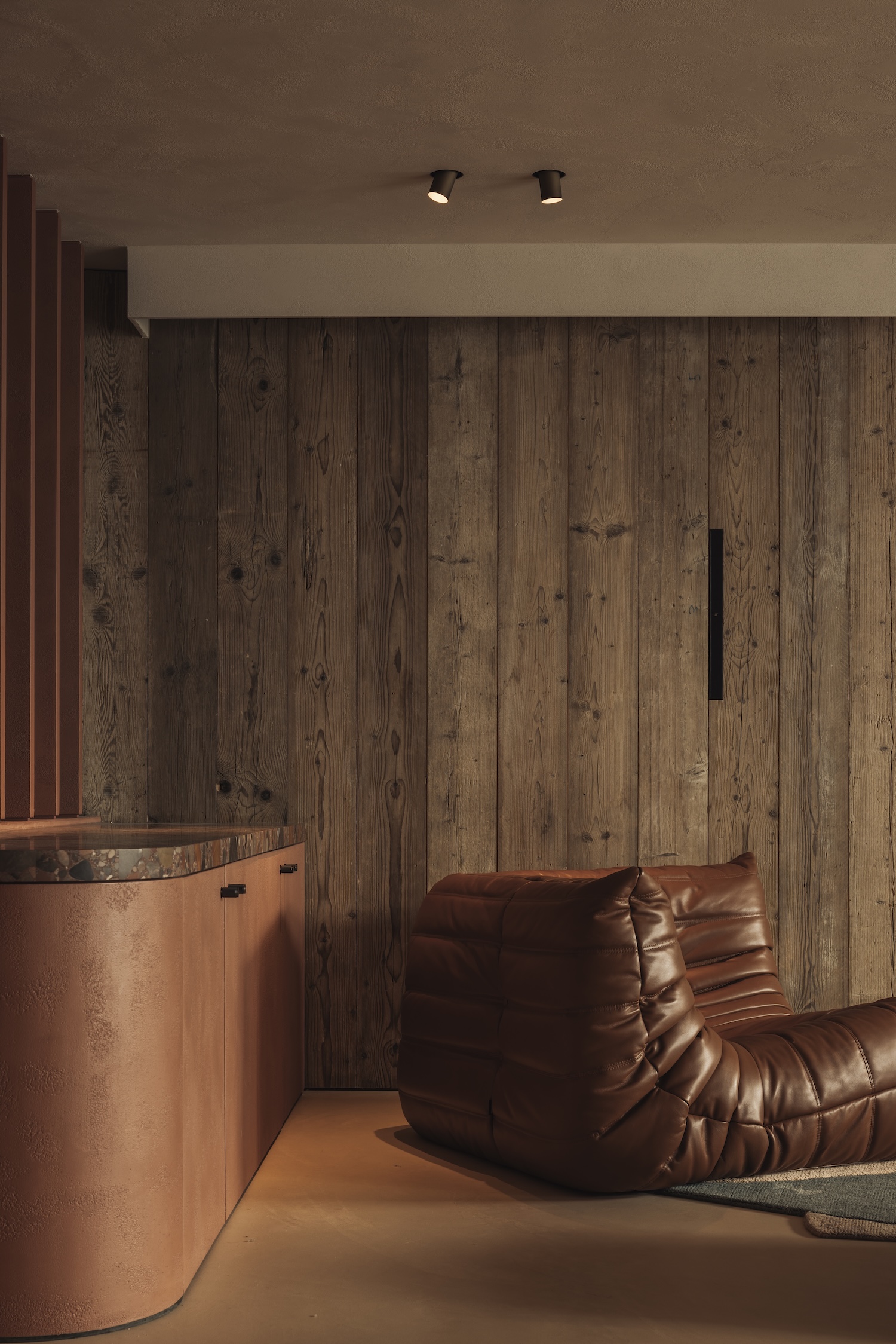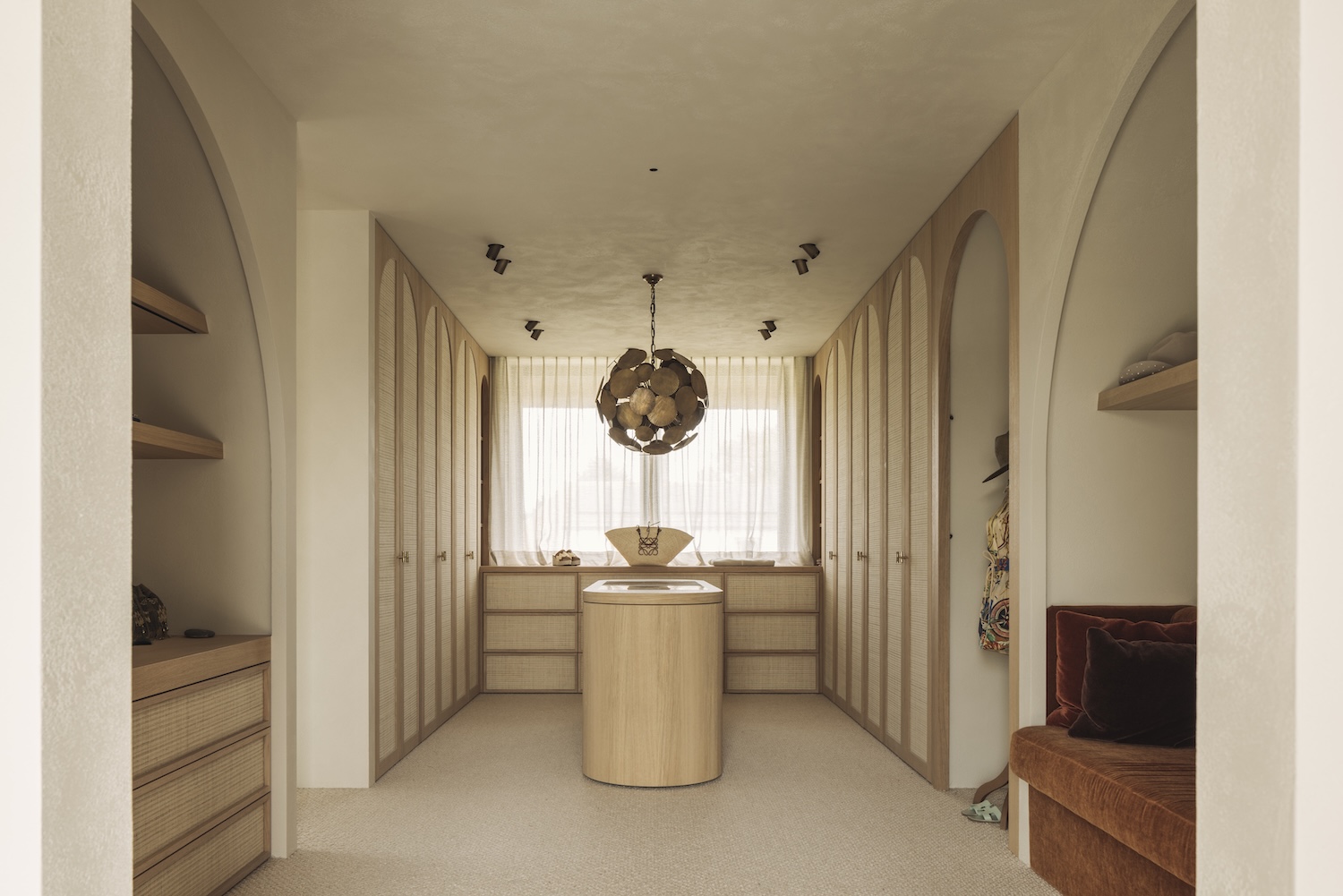
Northsea Mediterranean is a minimalist villa located on the Belgian coast, designed by Studio Pien. This approximately 1,000-square-meter newly built residence demonstrates how Mediterranean aesthetic sensibilities can adapt to northern European coastal contexts through natural material selection and soft color palettes. Interior architect Paulien De Lange directs the project creating harmonious dialogue between architecture, light, and surrounding gardens for a family of six seeking daily living environment radiating tranquility yet carrying depth.
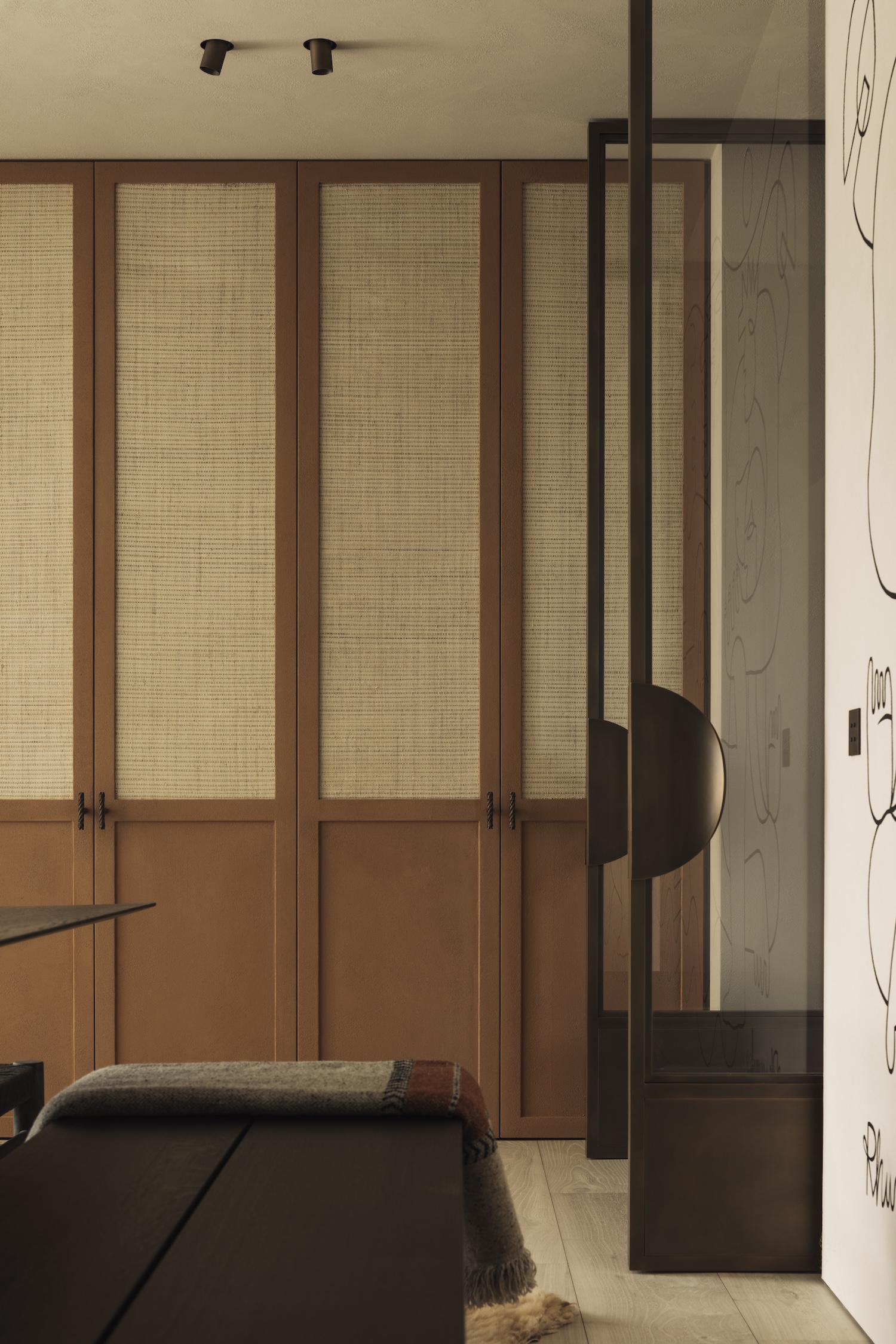
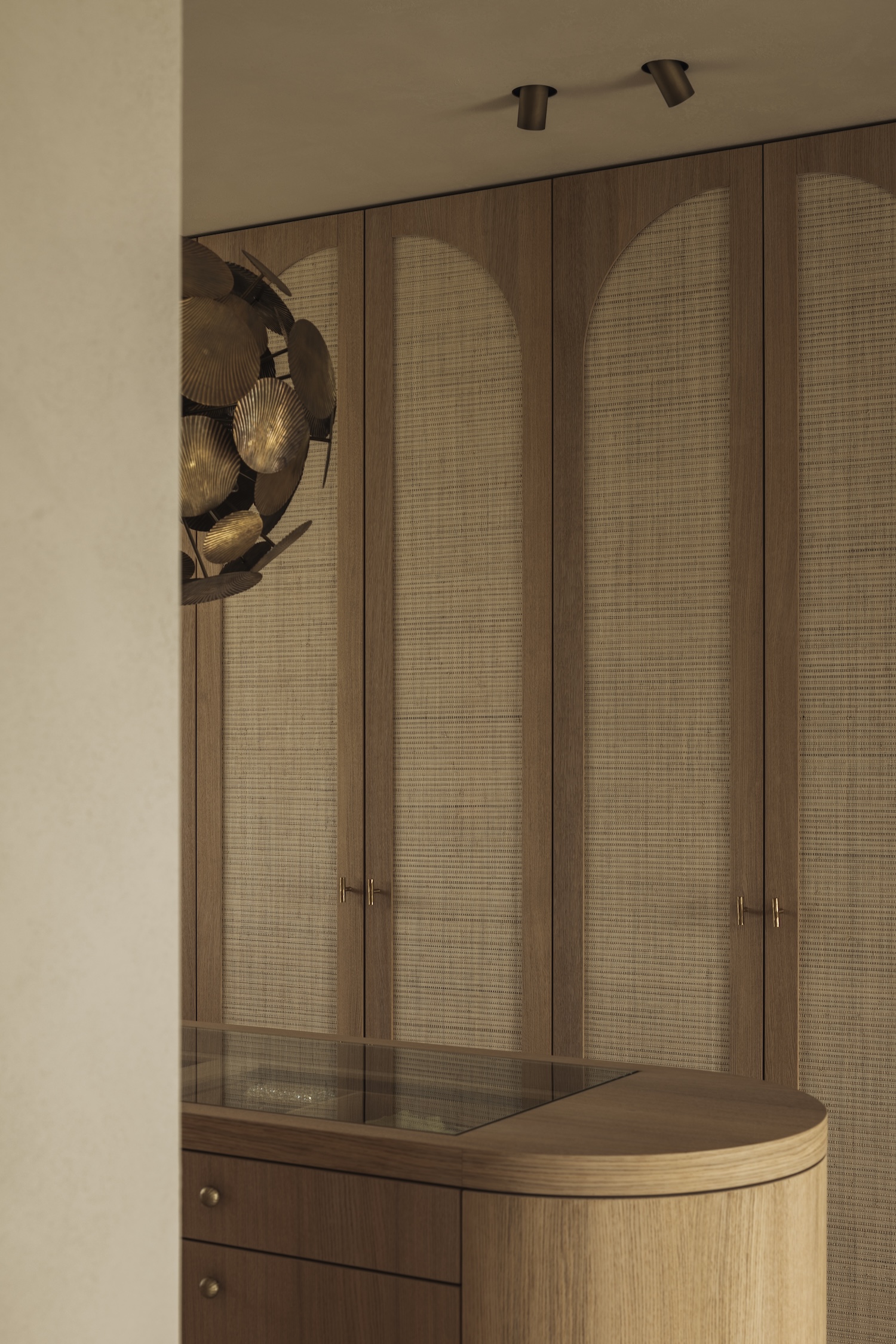
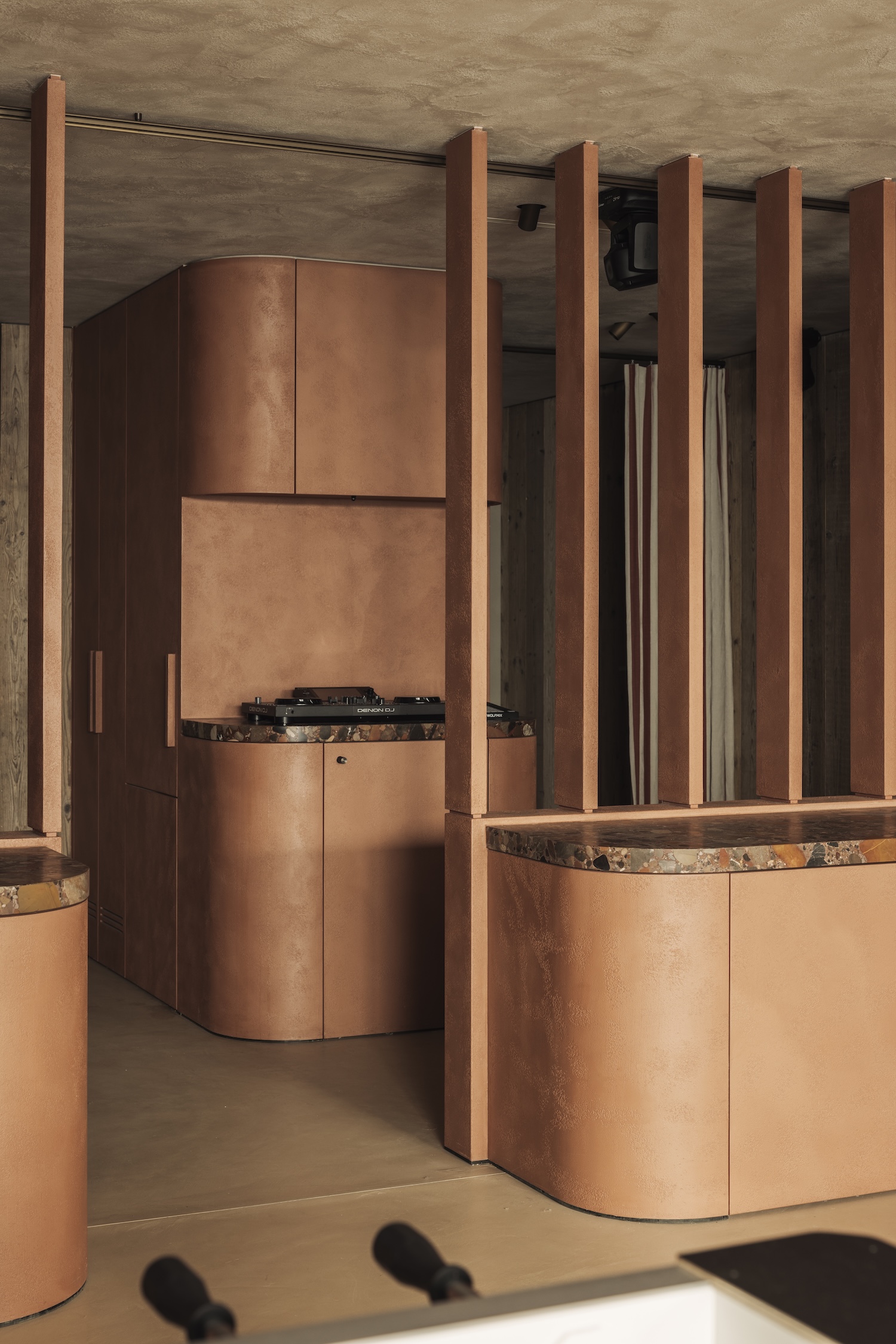
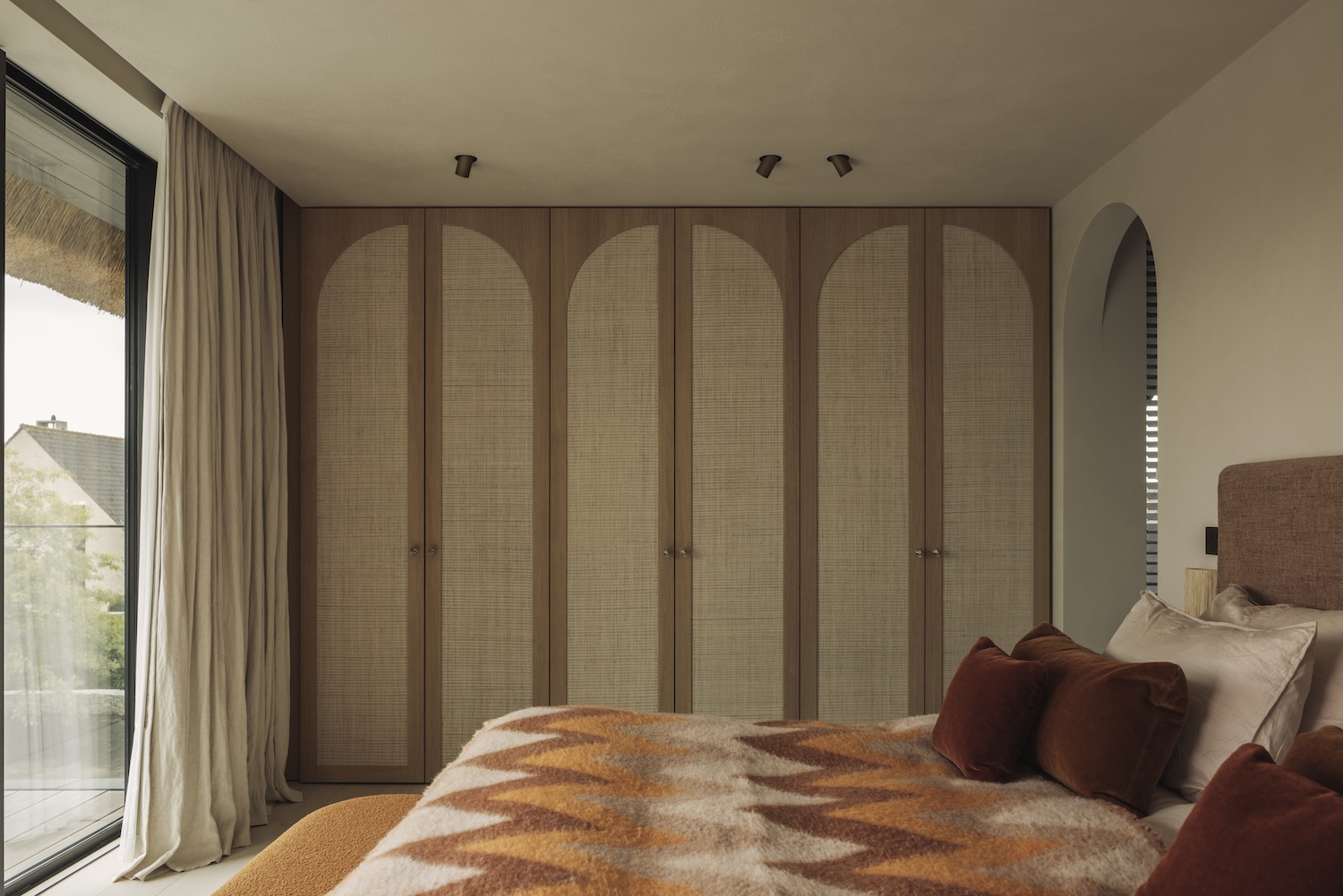
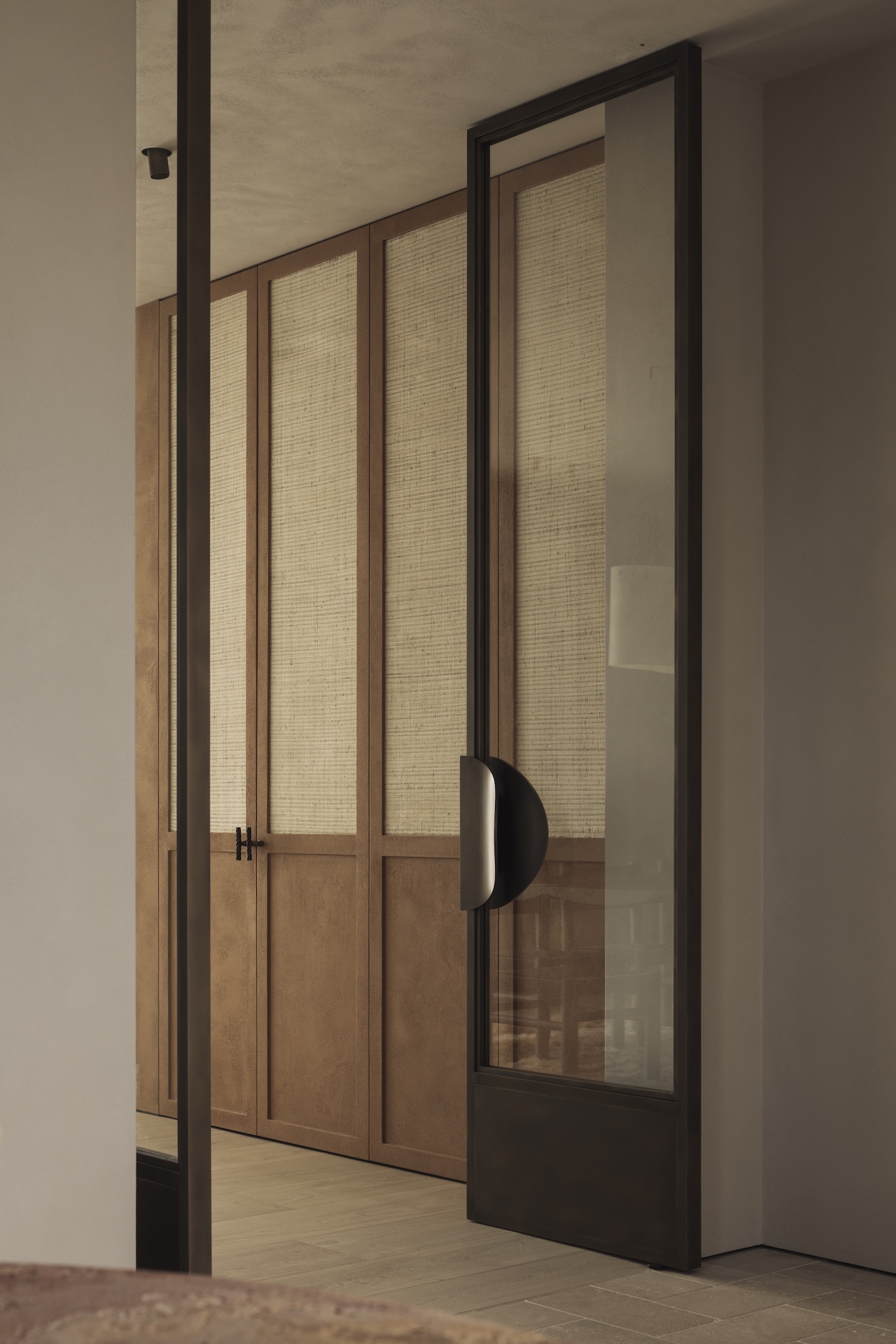
The interior exudes calm, sophistication, and balance through deliberate natural material choices including soft painting techniques, oak, onyx marble, and linen creating warm tactile layering. This material palette demonstrates sophisticated understanding of how varied textures and tones can create spatial richness without requiring bold colors or dramatic contrasts. The soft Mediterranean color palette connecting spaces results in serene timeless atmosphere, demonstrating how regional aesthetic traditions can inform projects in geographically distant locations when adapted through material and chromatic strategies rather than literal stylistic reproduction.
Architectural simplicity receives enhancement through precisely aligned interior architecture where full custom-made furniture, natural light, and textures form coherent whole. This integrated approach demonstrates Studio Pien’s signature methodology guiding projects from concept to completion with meticulous attention to detail and atmosphere. The custom furniture strategy ensures pieces respond to specific spatial conditions and family requirements rather than imposing generic proportions that might not optimize the villa’s generous dimensions.
The adjoining pool house reflects the same aesthetic creating space where indoor and outdoor living seamlessly merge, demonstrating how ancillary structures can maintain design continuity with primary residences. This consistency ensures the property feels unified rather than appearing as disconnected buildings that might fragment the overall spatial experience and landscape relationships.