Wade House is a minimalist residence located in Ruislip, West London, designed by Wadhal. British planning bureaucracy is rarely credited as a generative force in architecture, but Wadhal’s Wade House makes a compelling argument for it. Commissioned to replace a pair of derelict garages on a brownfield site in Ruislip, the practice was instructed by the local council to externally replicate the form and materials of the adjacent 1930s semi – a condition designed to enforce contextual conformity. Rather than chafing against this mandate, Wadhal absorbed it entirely, then worked with forensic precision on what remained outside its jurisdiction.
The result is a house that passes at first glance as its neighbour’s twin, and rewards closer inspection with something altogether more considered. Where the adjoining property relies on conventional brown brick and pebbledash render, Wadhal has substituted a base of deep red brick with alternating extruded units arranged in a four-point pattern, a motif that then propagates upward across the dual-tone fired-clay roof tiling. The apex and pediment have been replaced with high-density timber to sharpen the profile. Drainage infrastructure – often an afterthought – is absorbed entirely into the building fabric. The cumulative effect recalls the restrained subversiveness of Dutch brick expressionism: conformist in outline, genuinely original in surface.
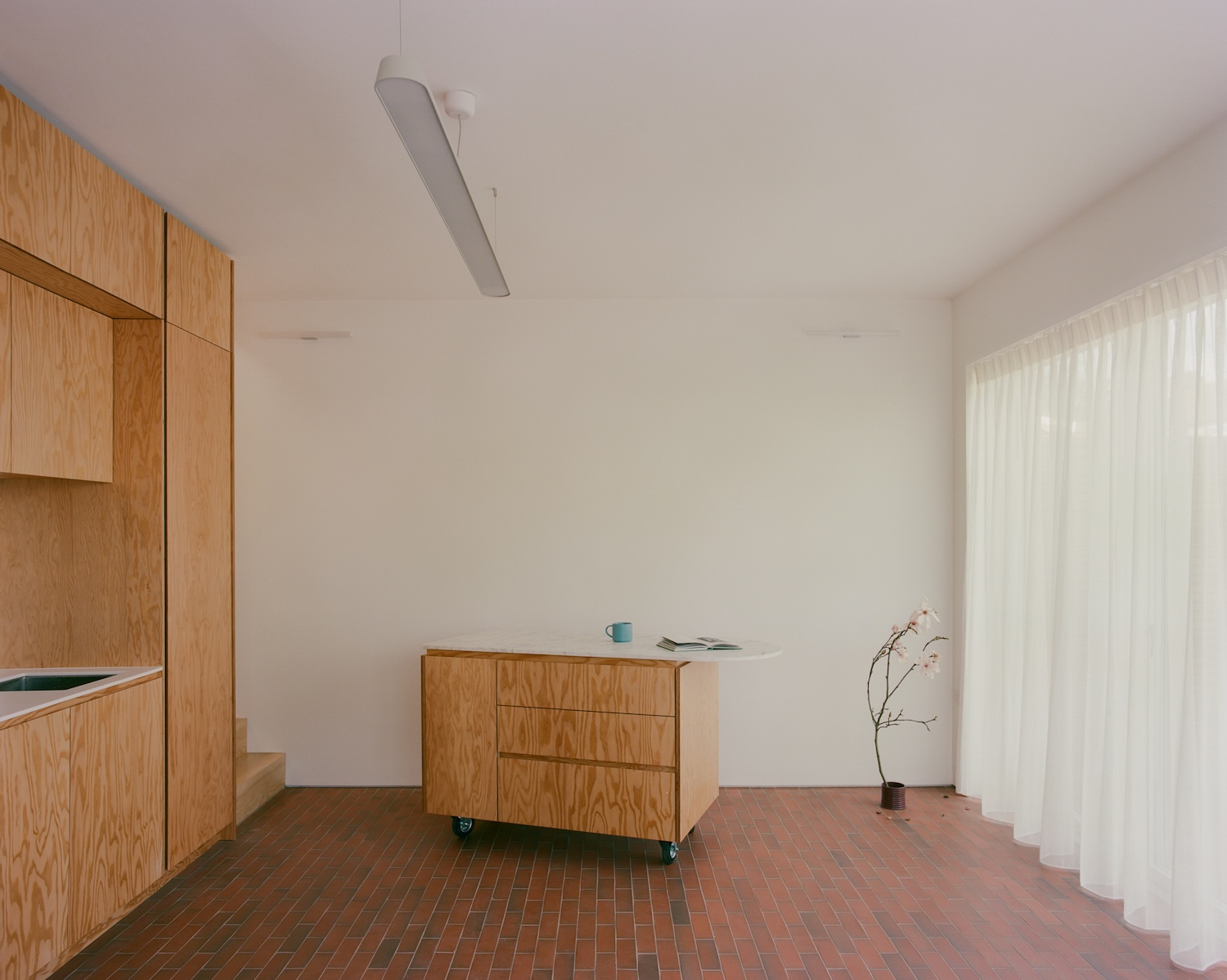
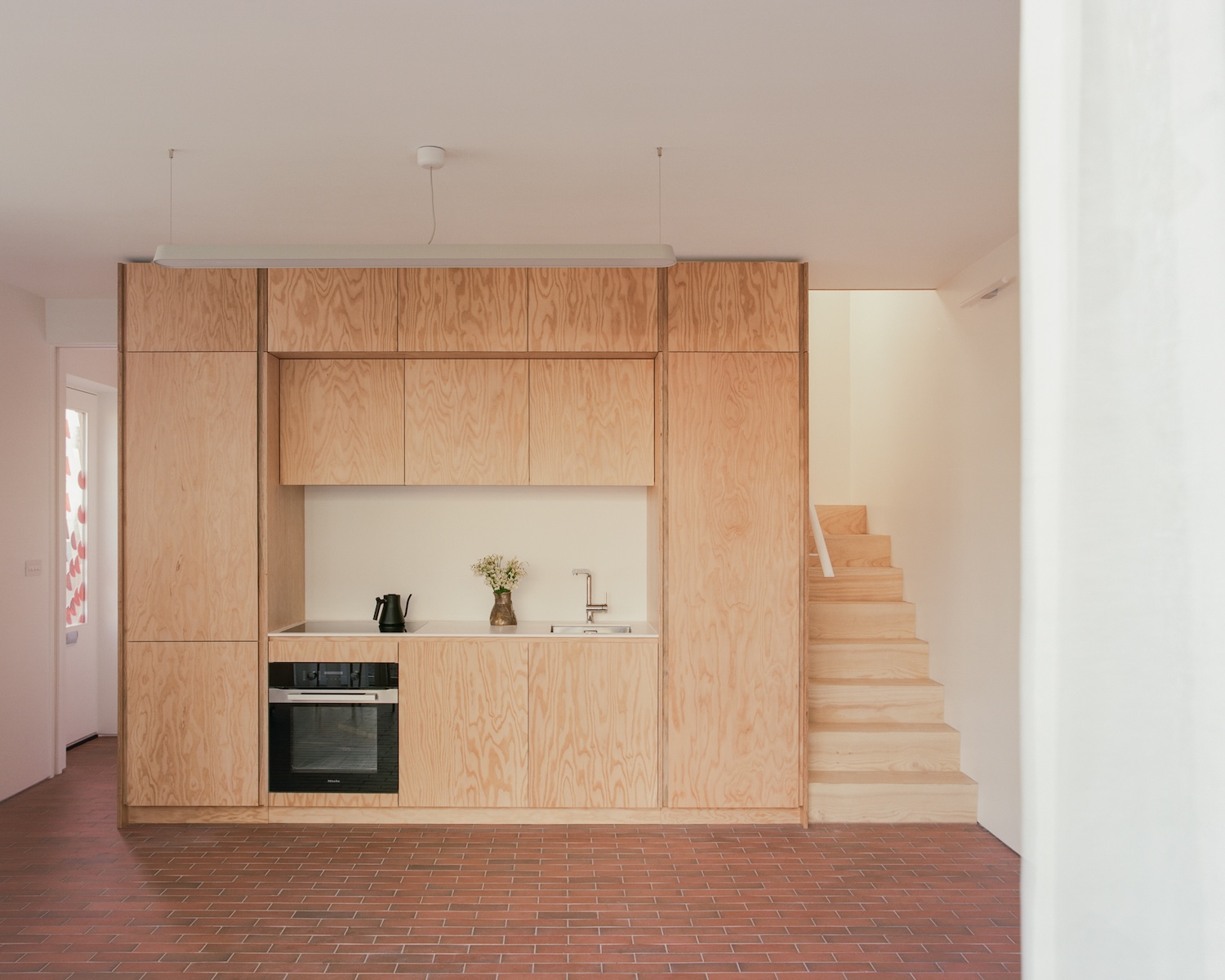
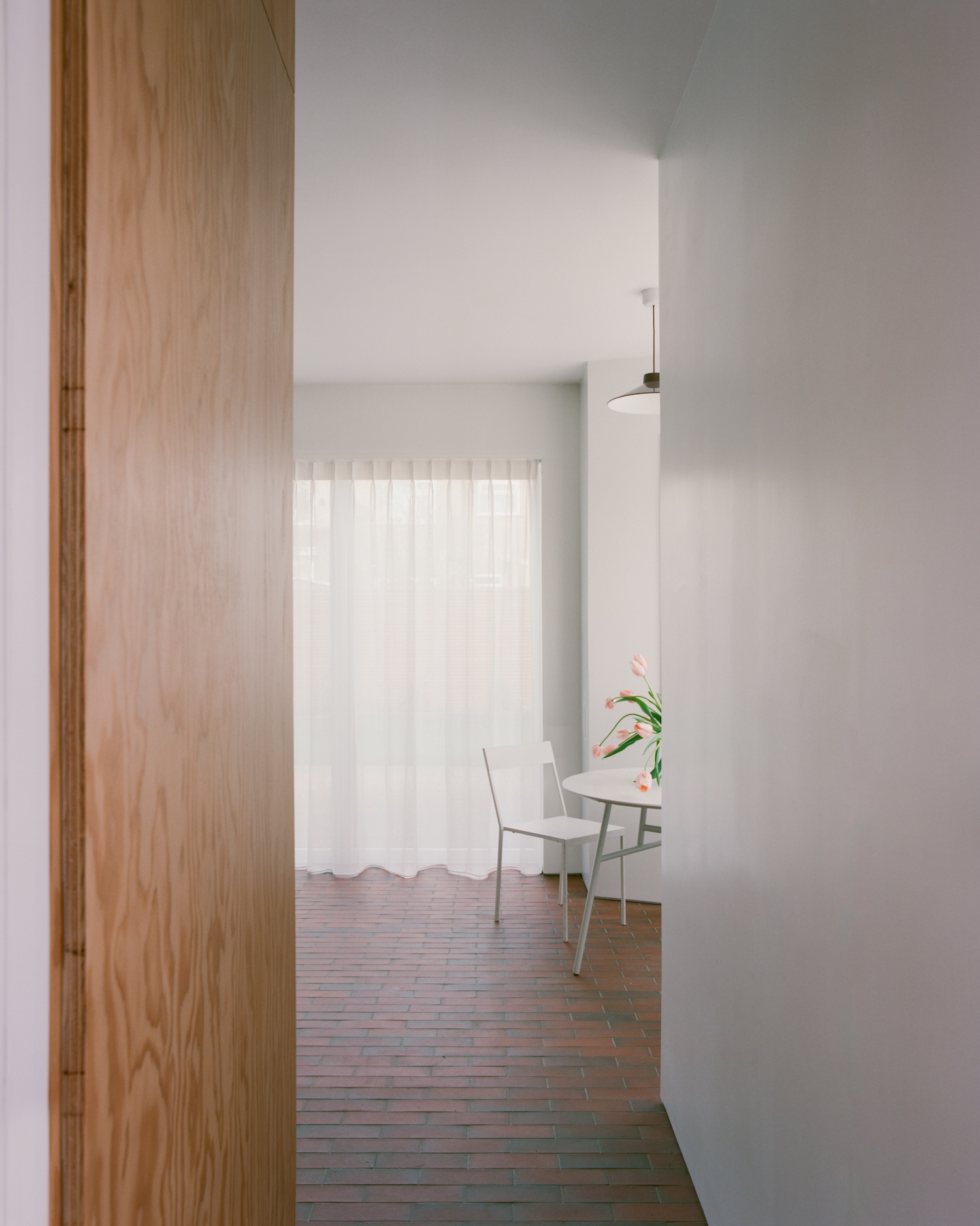
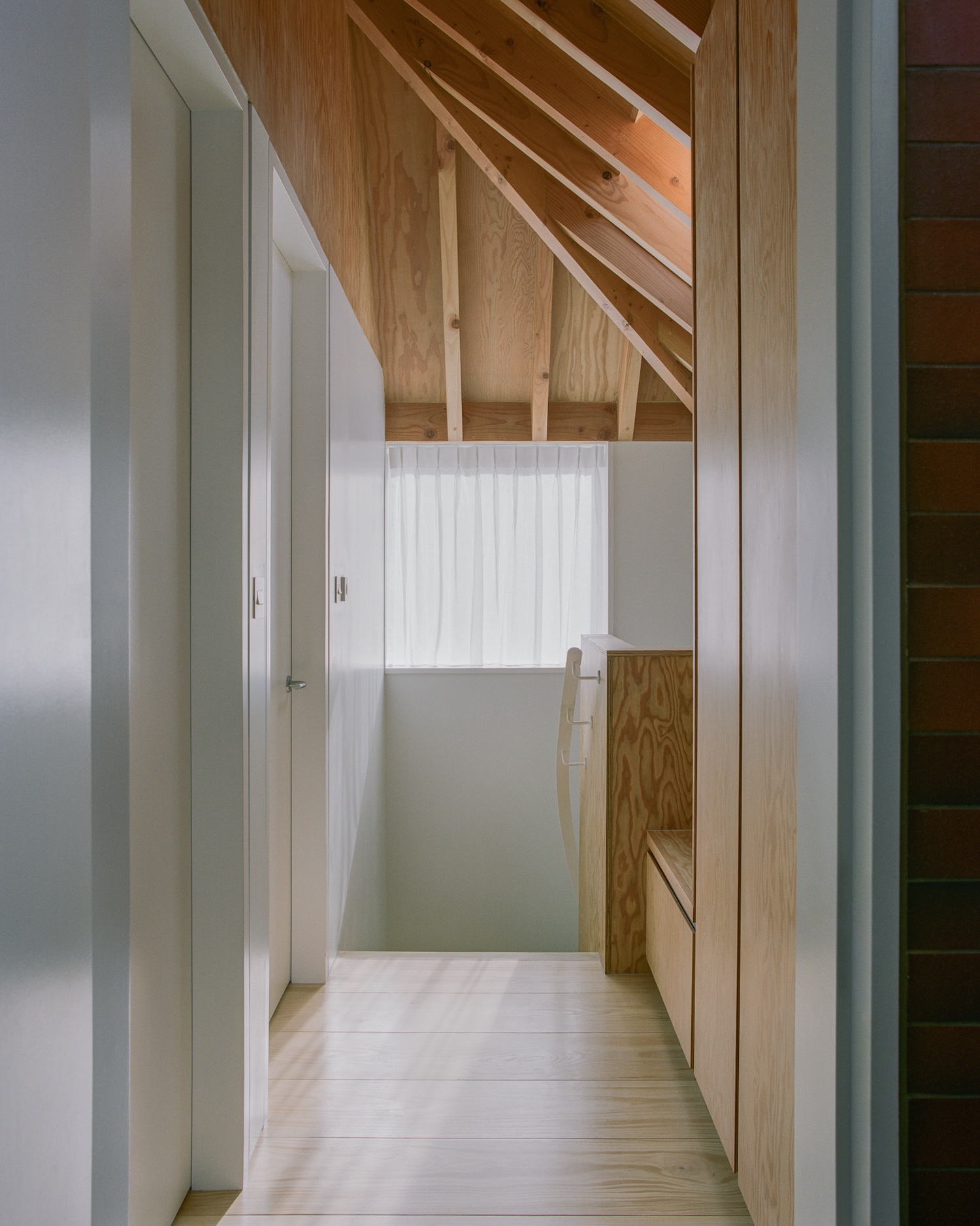
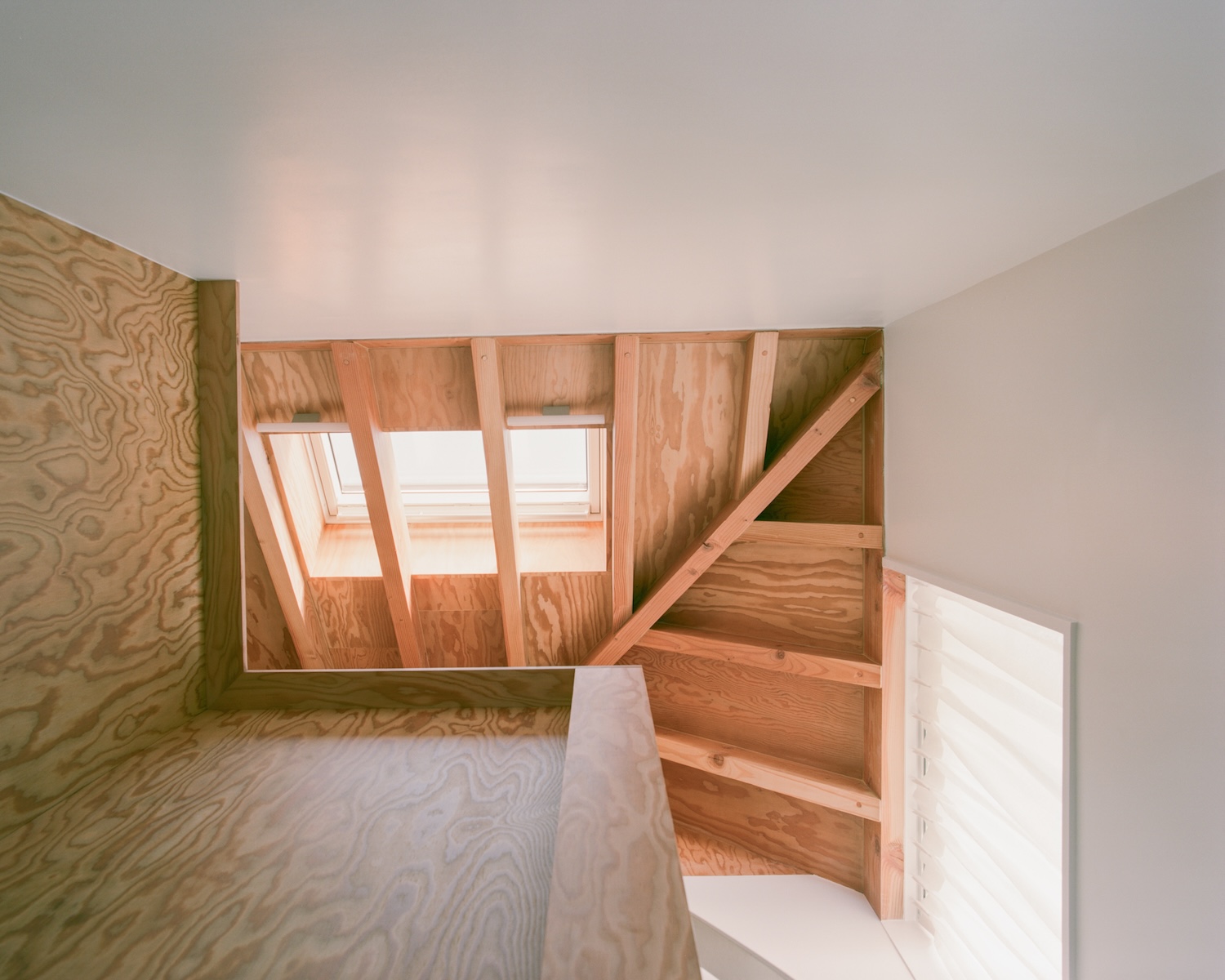
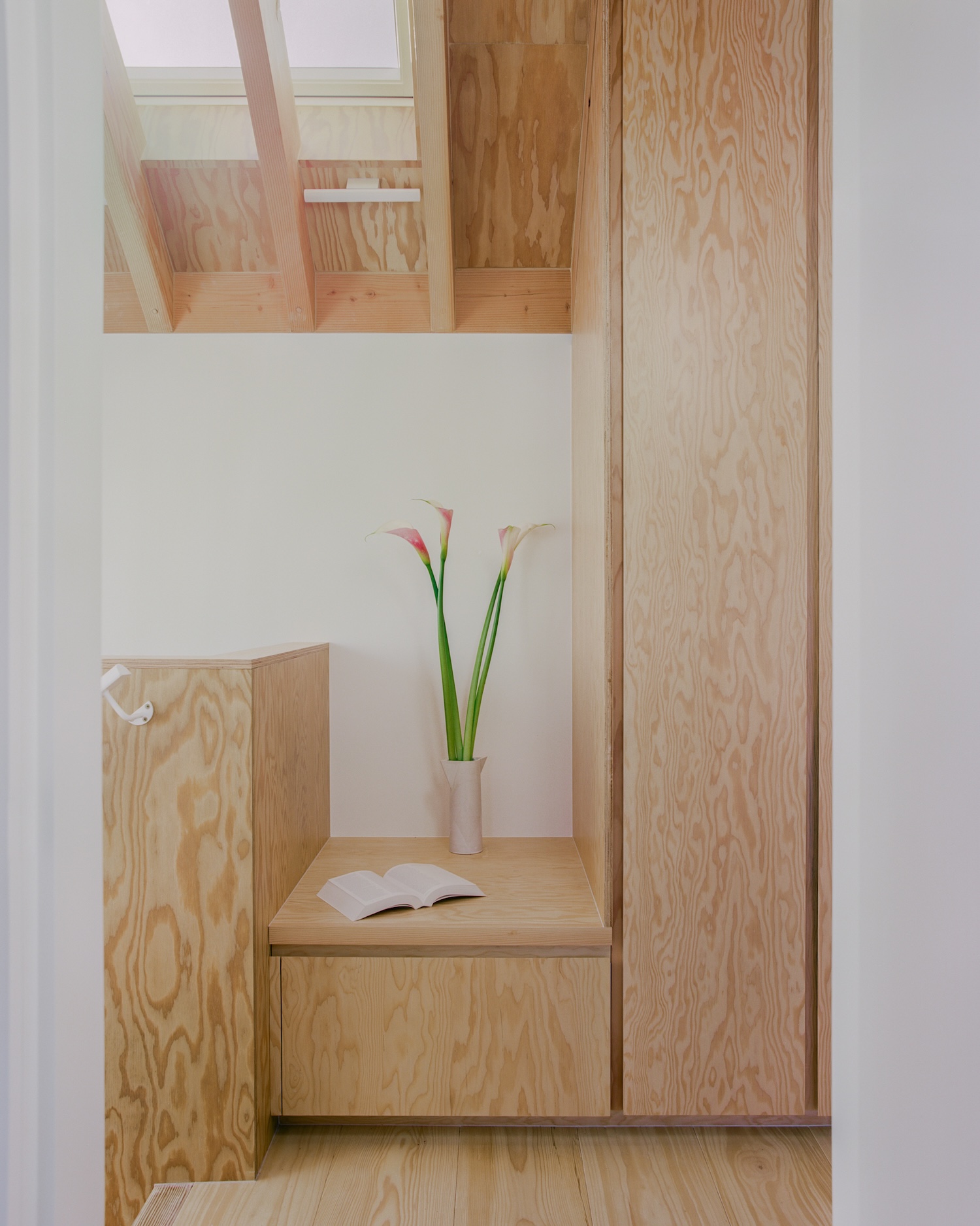
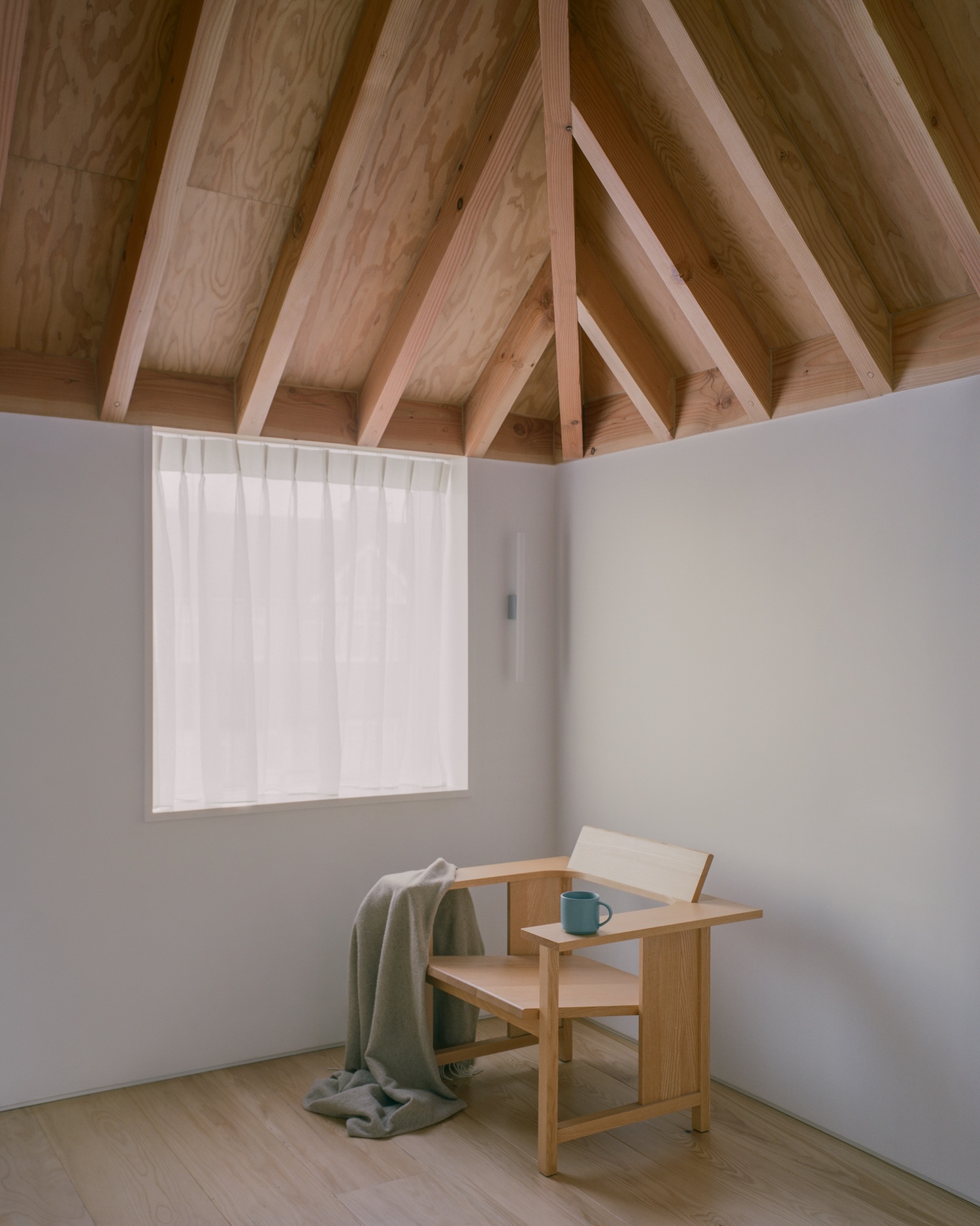
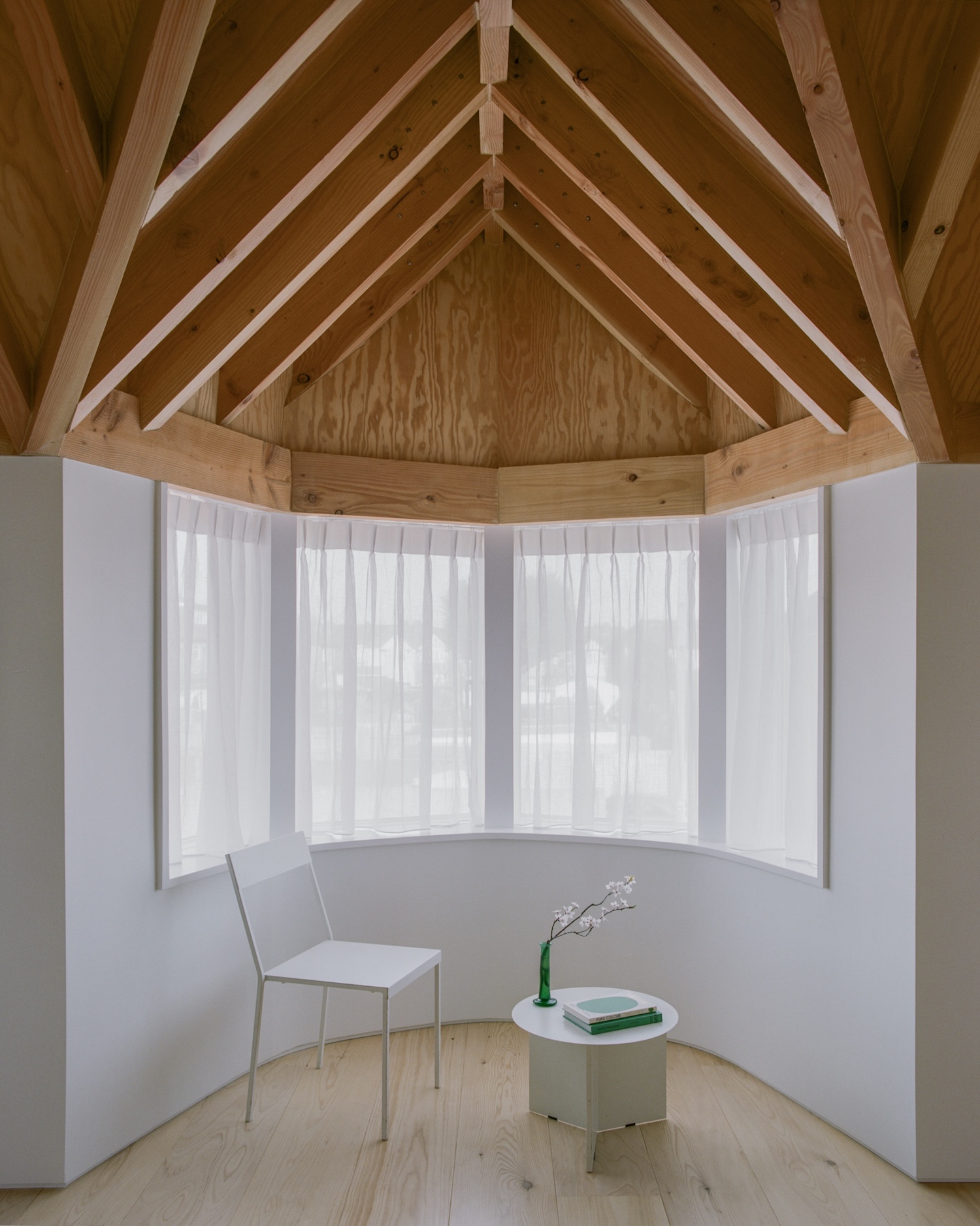
Internally, the 70 square metre floor plan – the minimum permitted by the London Plan for a two-bedroom dwelling – is handled through spatial efficiency rather than compromise. Corridors are eliminated. The bespoke staircase wraps around the back of the kitchen joinery, threading circulation through the home as an integrated architectural element rather than dedicated square footage. Upstairs, the decision to expose rather than conceal the Douglas fir roof structure creates vaulted ceiling heights of nearly four metres in both bedrooms – a transformation that resets the conventional floor level relationship and expands the perceived volume of the ground floor in turn.