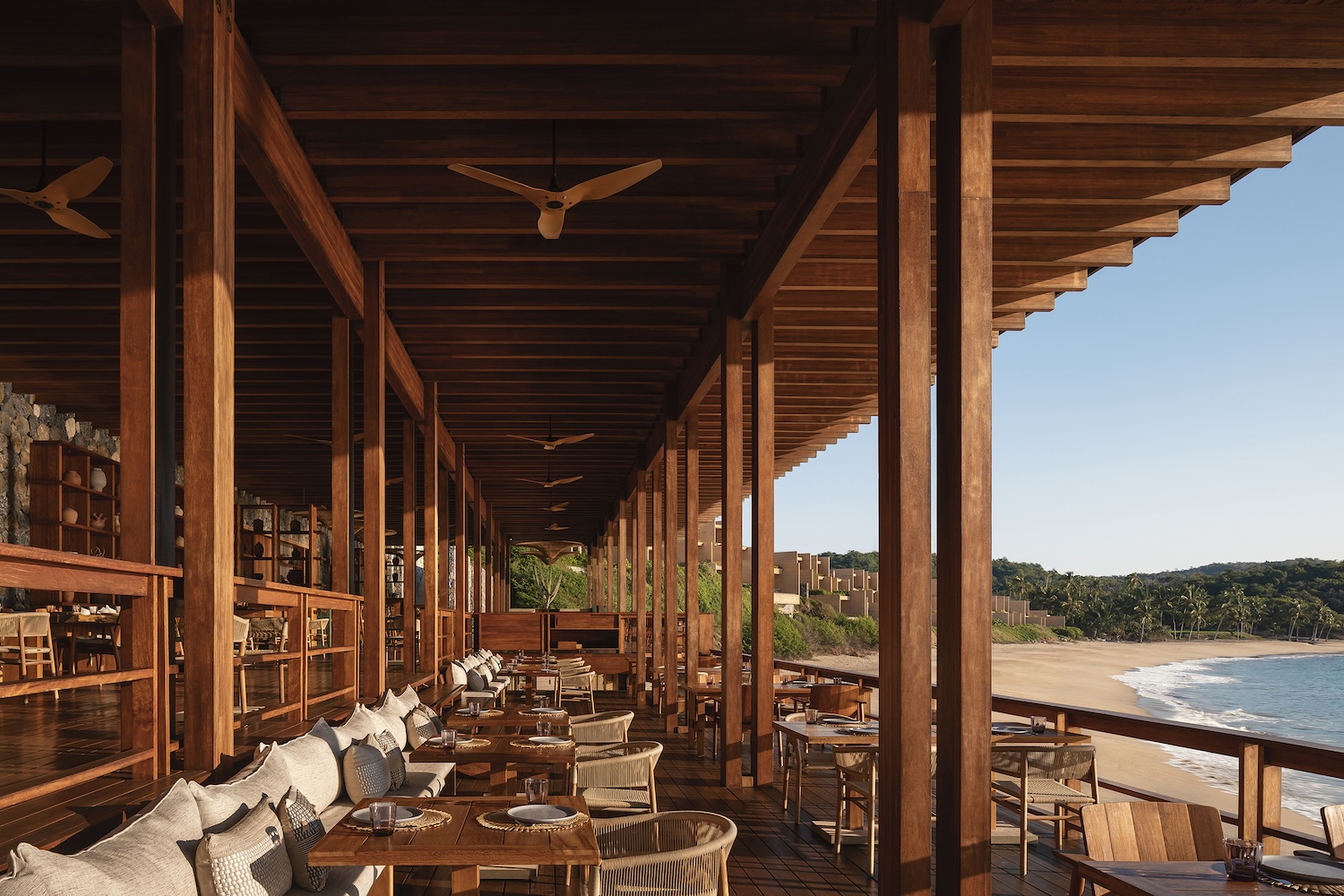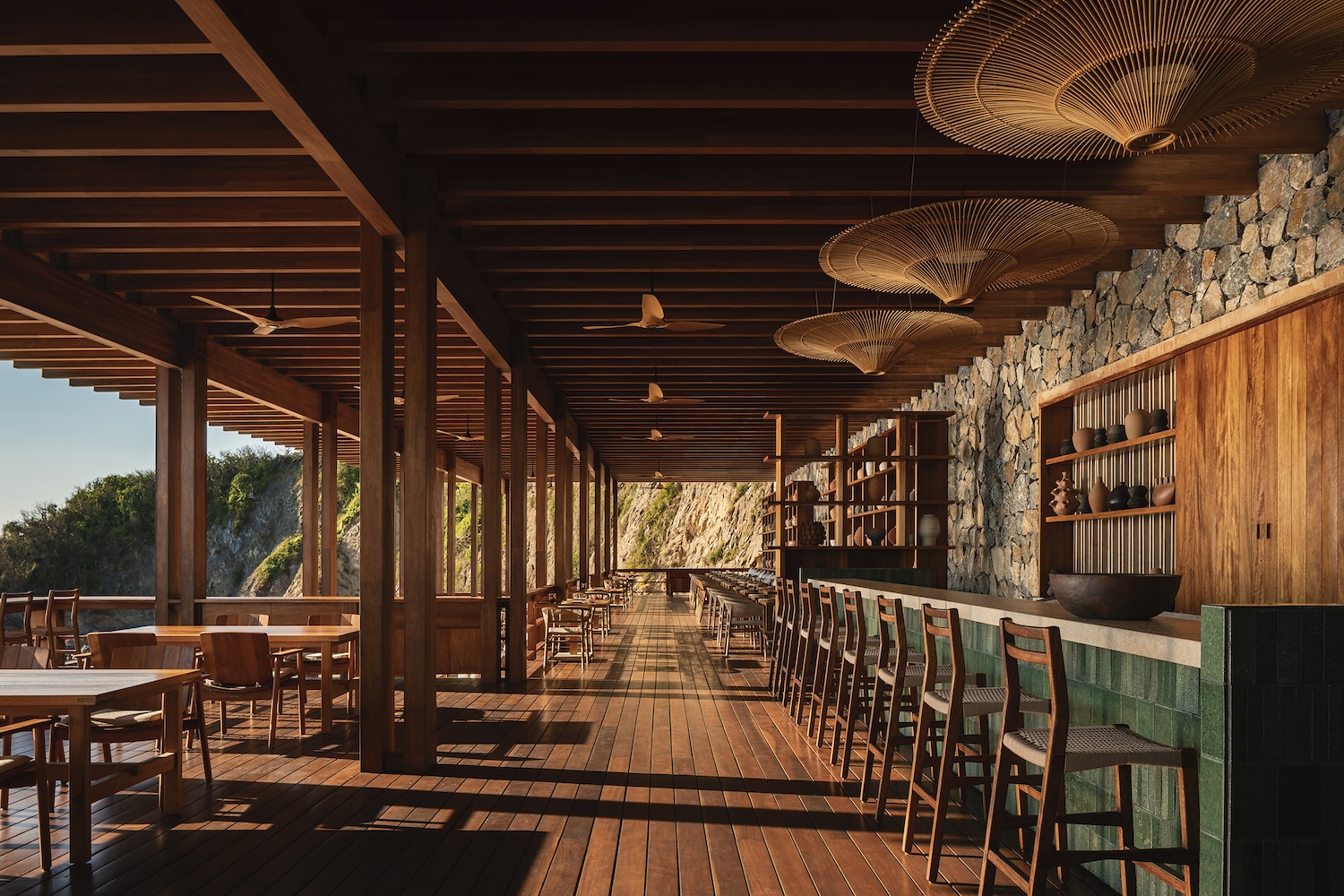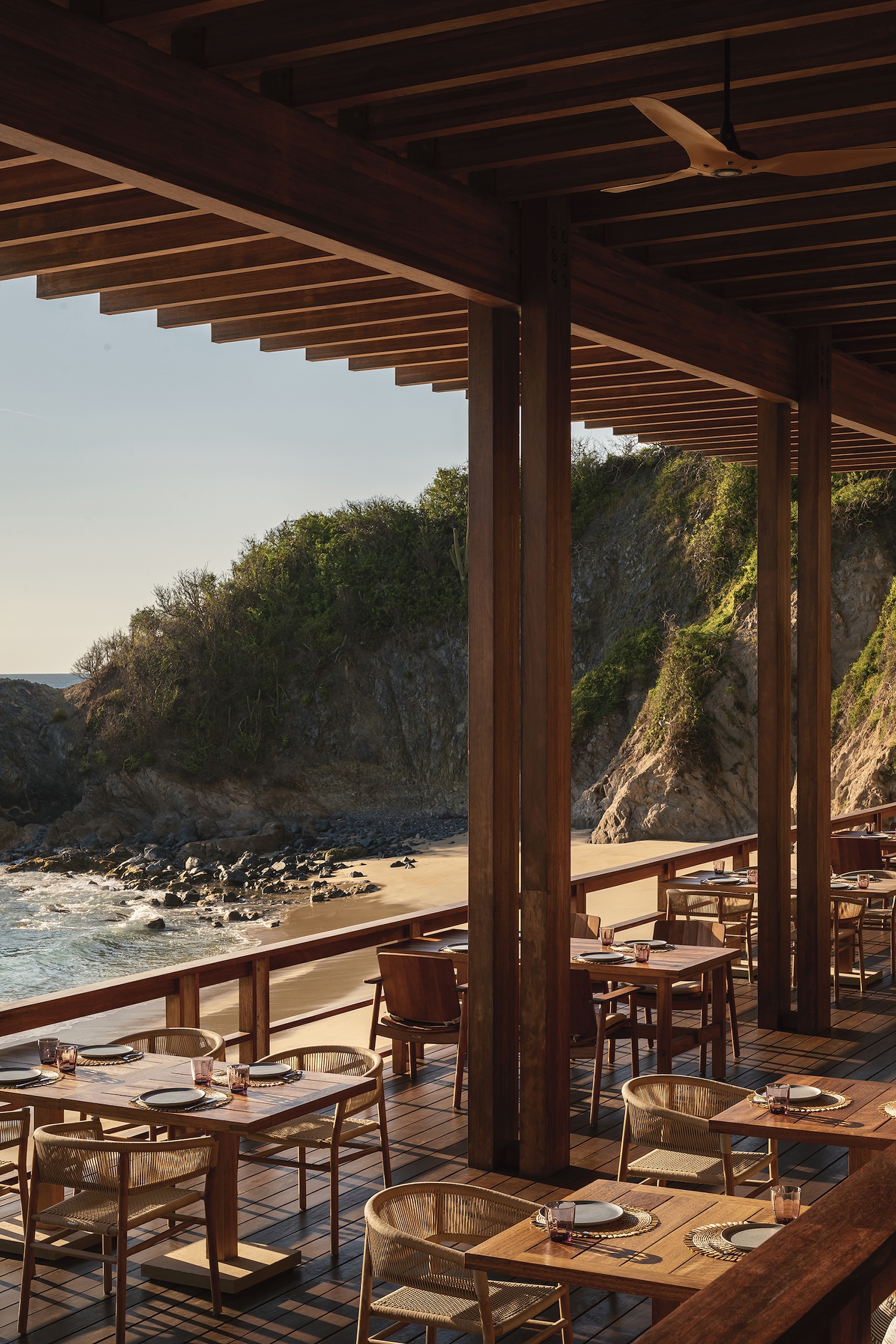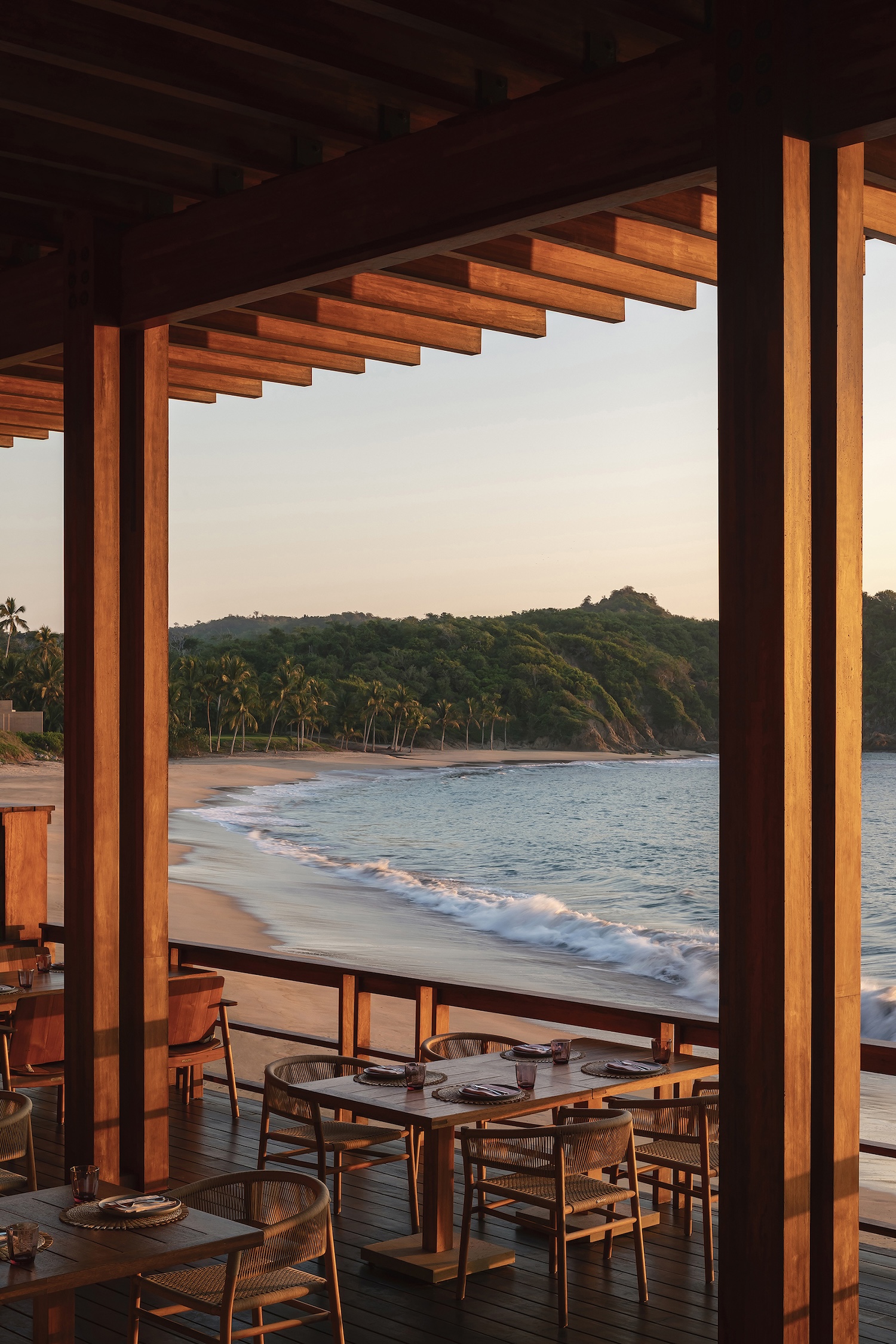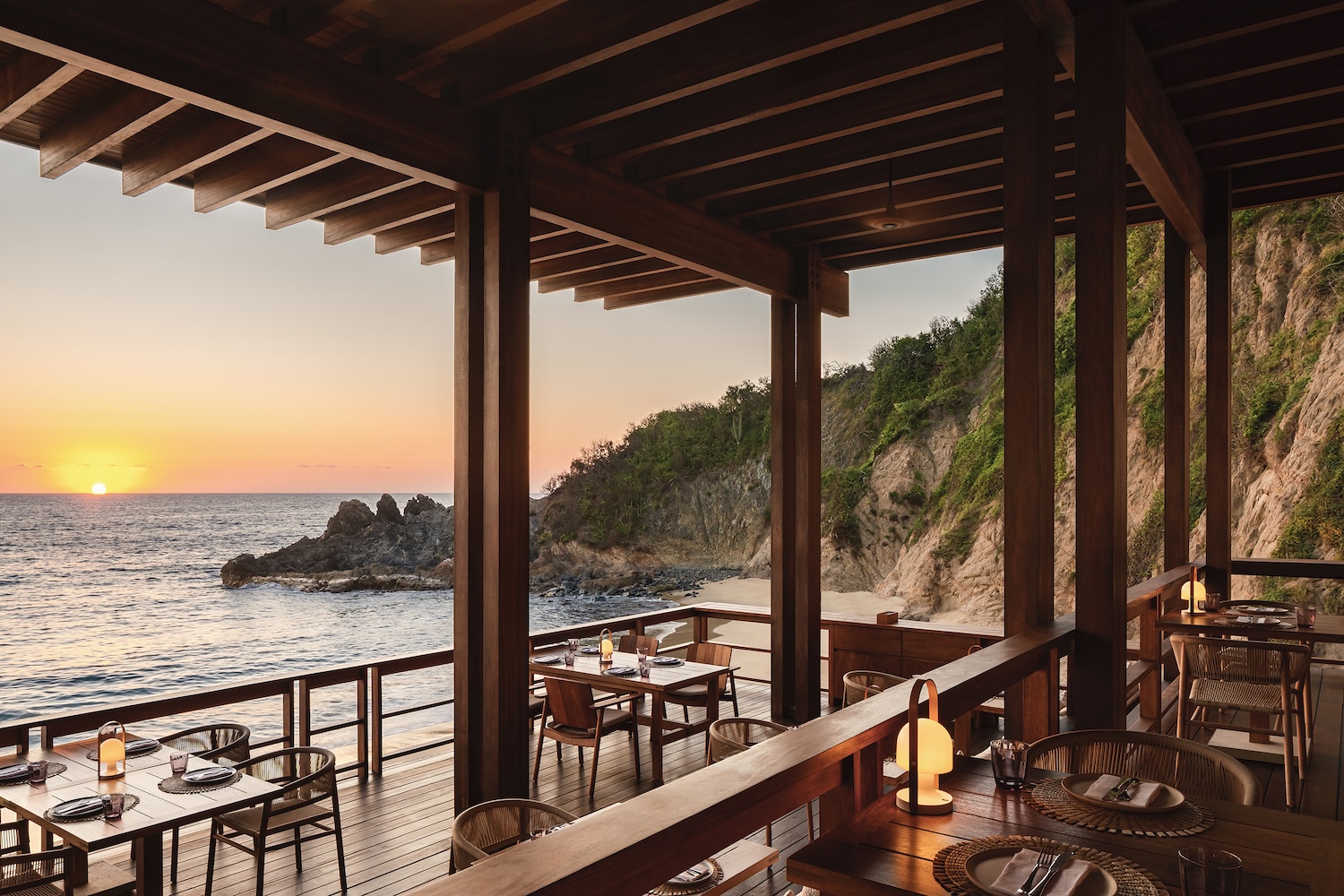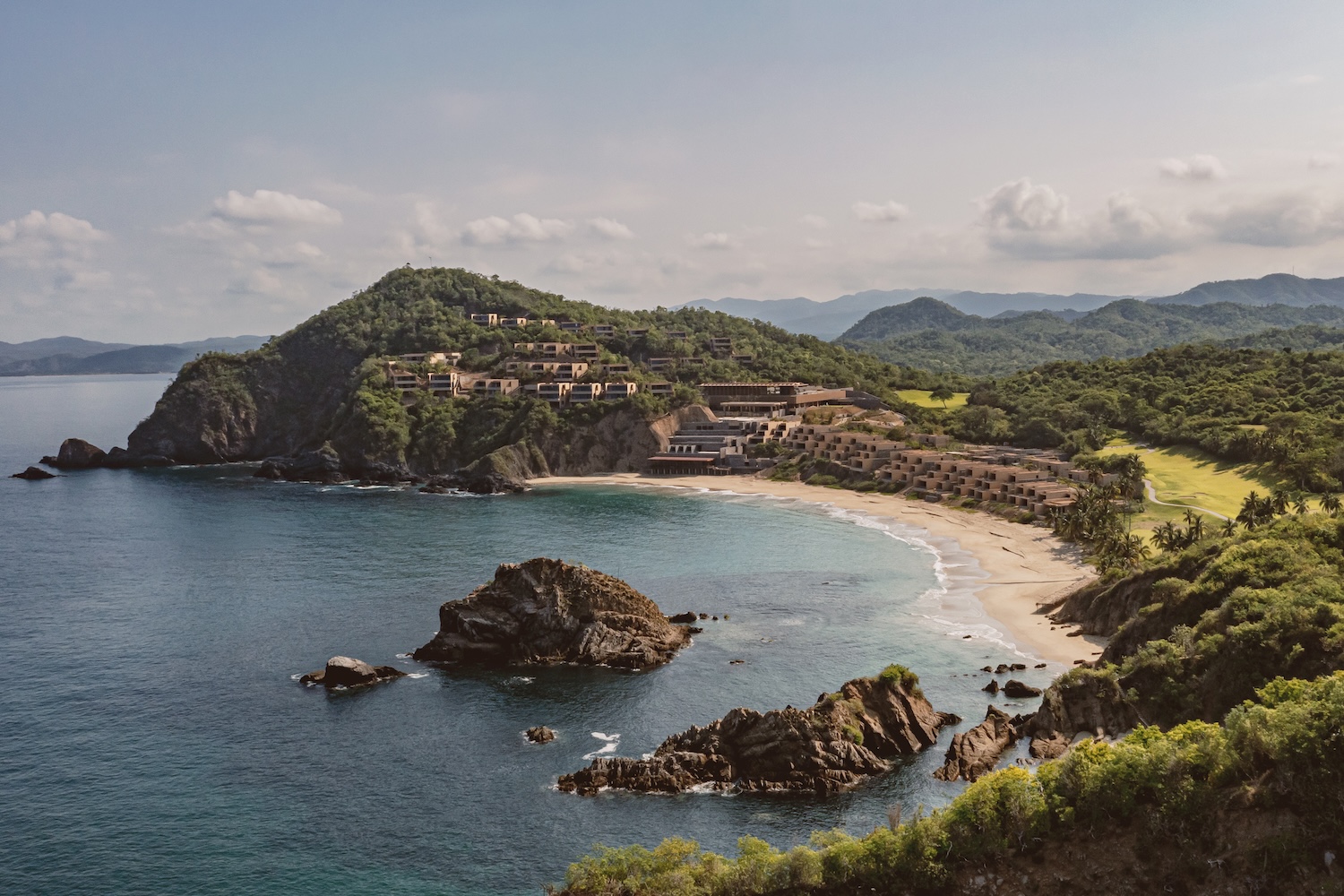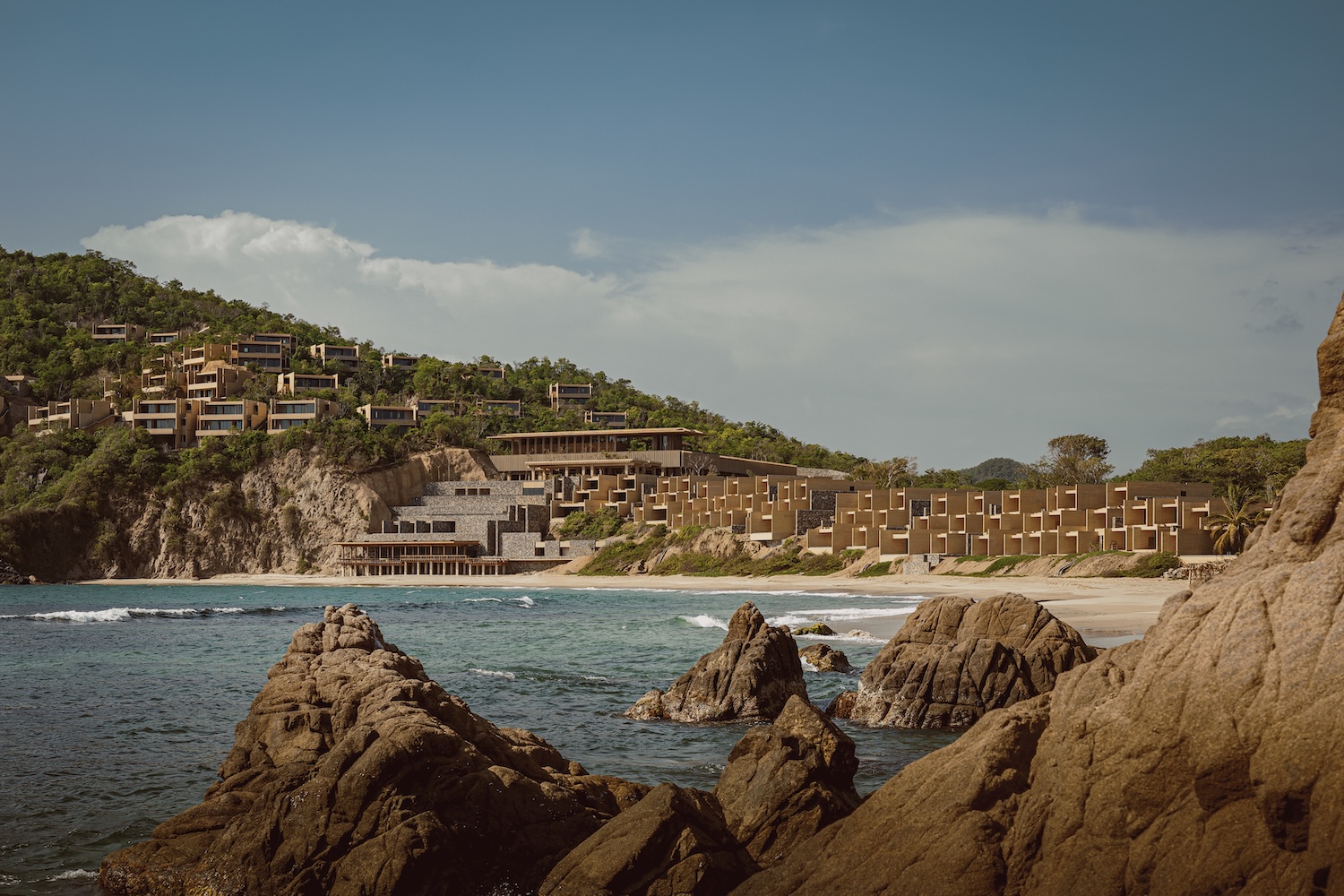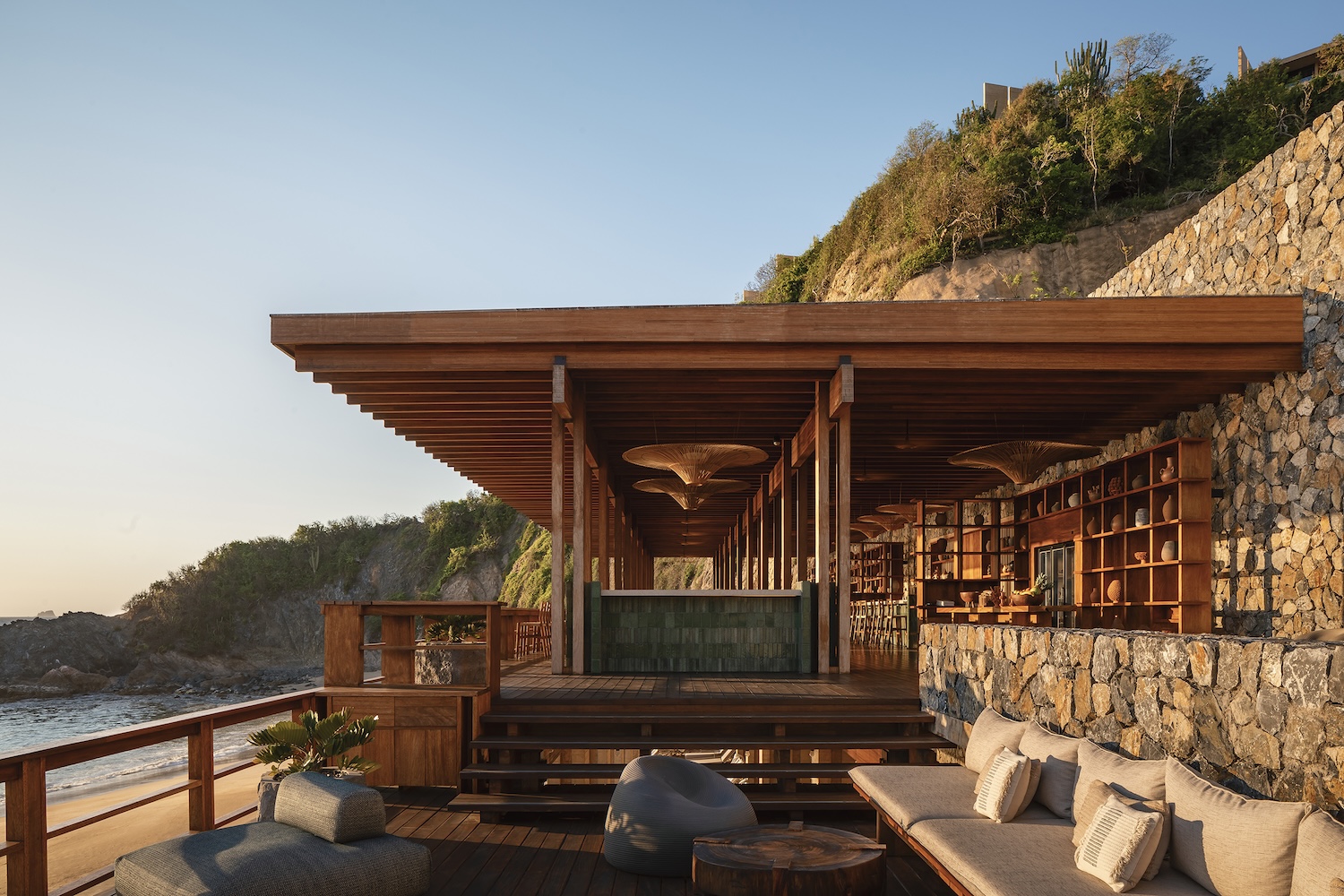
Sal Restaurant is a minimalist hospitality space located in Tamarindo, Mexico, designed by Huber Design Studio. The project sits within Four Seasons Resort Tamarindo, a development shaped by the LegoRocha collective – the combined practice of Victor Legorreta, Mauricio Rocha, Mario Schjetnan, and Luis Guagnelli – whose architectural sensibility across the whole resort reads as a deliberate negotiation between building and coastline. Sal inherits this framework and pushes it toward the experiential, reinterpreting the chiringuito typology – the informal beachside bar native to Mediterranean and Latin American coastal cultures – through the lens of fine hospitality. The result sits somewhere between the two registers: architecturally resolved, materially grounded, and fundamentally relaxed.
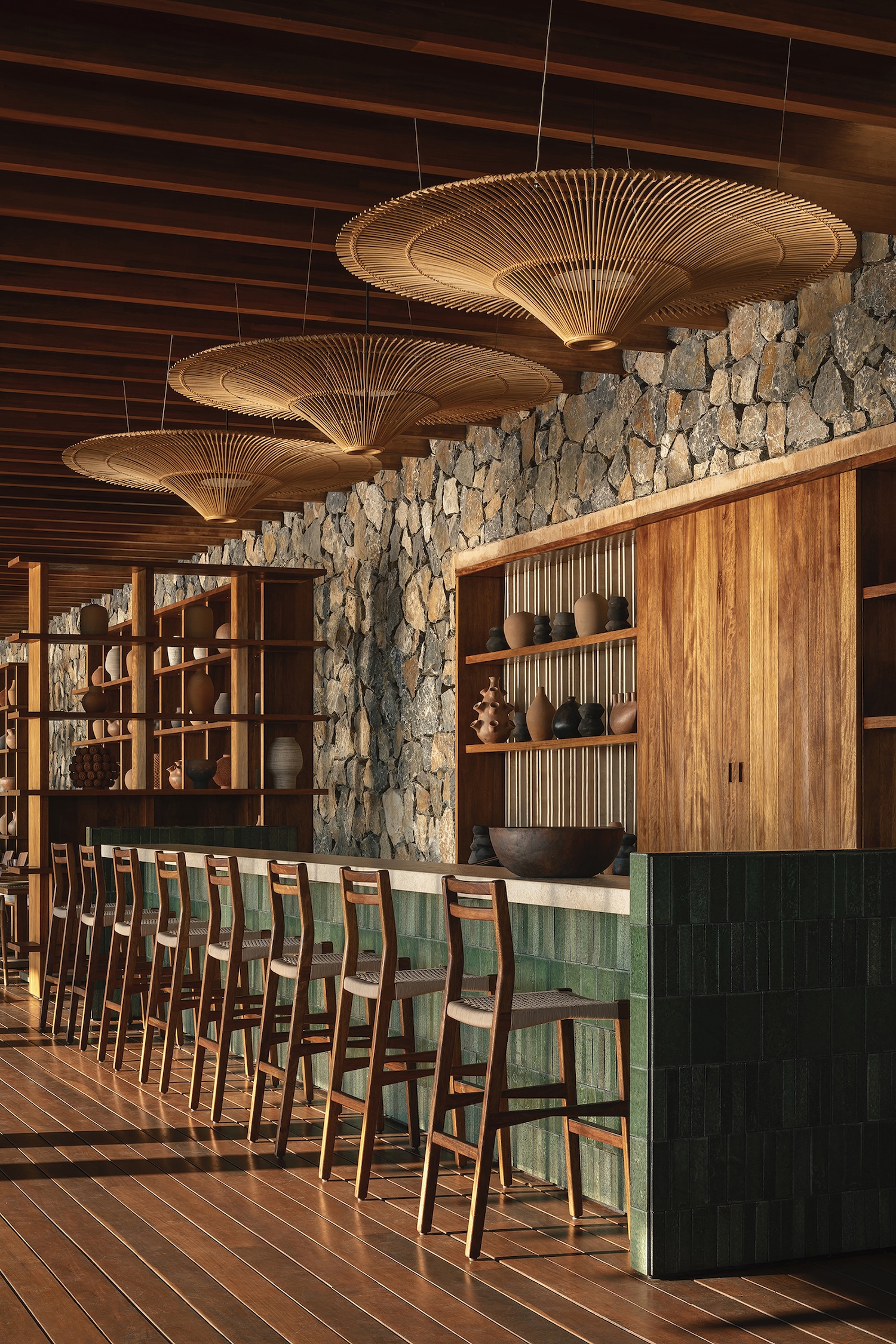
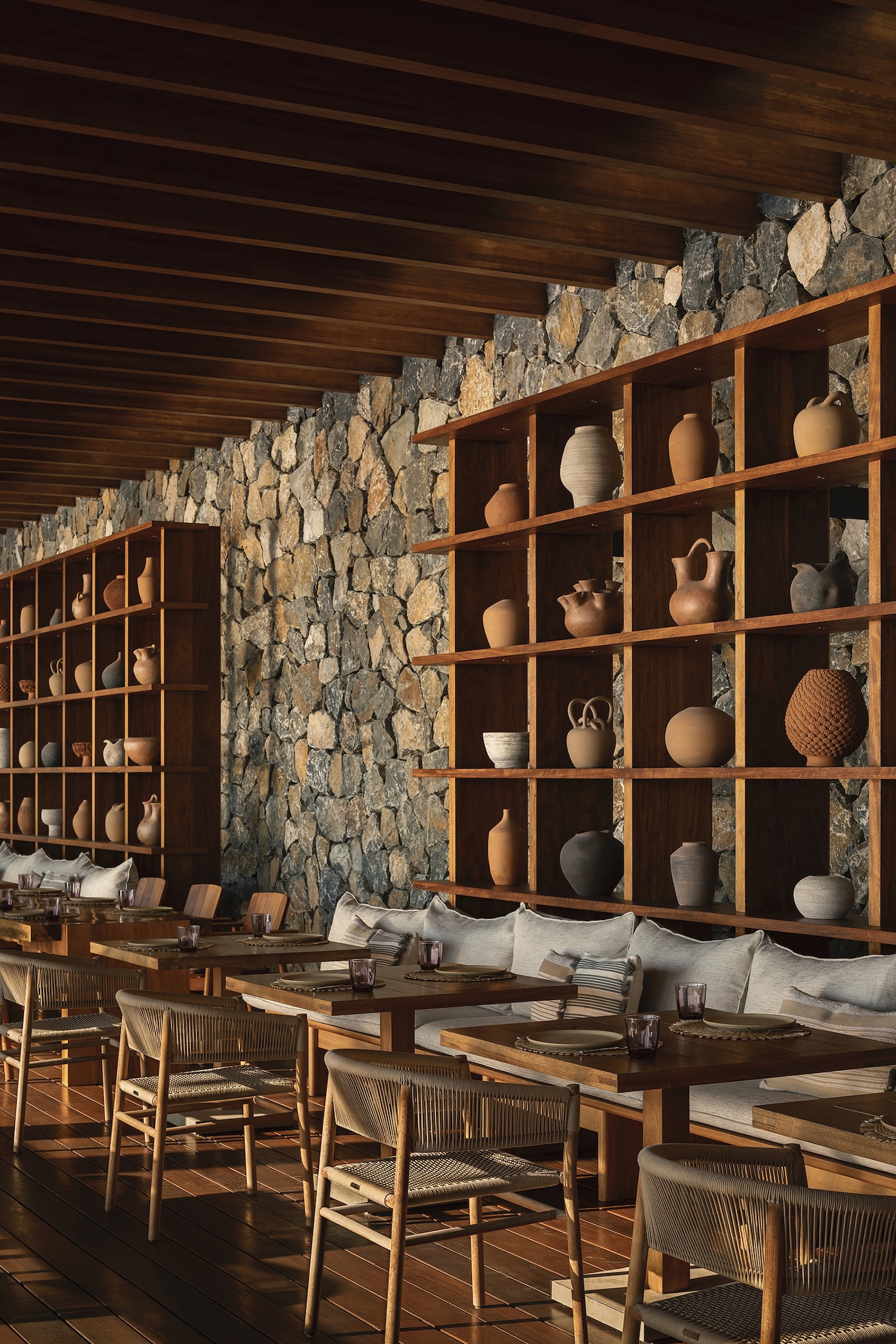
The interior language draws heavily on Mexican craft traditions without functioning as a survey. Hand-shaped clay objects, woven fibers, and objects produced through ancestral techniques are selected not as decoration but as load-bearing elements of the atmosphere – objects that carry geological and cultural memory into a space that might otherwise risk slipping into generic tropical luxury. The palette reads as earth and stone, warm and absorptive, with glazed volcanic stone surfaces introducing a quiet chromatic note: a green that reads almost organically against the surrounding jungle without ever announcing itself. This is restraint deployed strategically, a color accent that works precisely because it does not compete with the Pacific horizon visible beyond.
The material choices reflect a broader shift in high-end hospitality design toward what might be called honest assembly – surfaces that document their own making, joinery that does not hide effort, wood that weathers into its environment rather than resisting it. This approach connects Sal to a lineage stretching from the Scandinavian tradition of allowing materials to age visibly, through the Japanese concept of wabi-sabi, and into the contemporary Latin American movement reclaiming indigenous craft within premium contexts, as seen in the work of Jorge Herrera or the craft-centric interiors produced by Taller KEN. The difference here is the coastal scale and the particular quality of Pacific light, which transforms the space across the day in ways that more controlled interior environments cannot replicate.