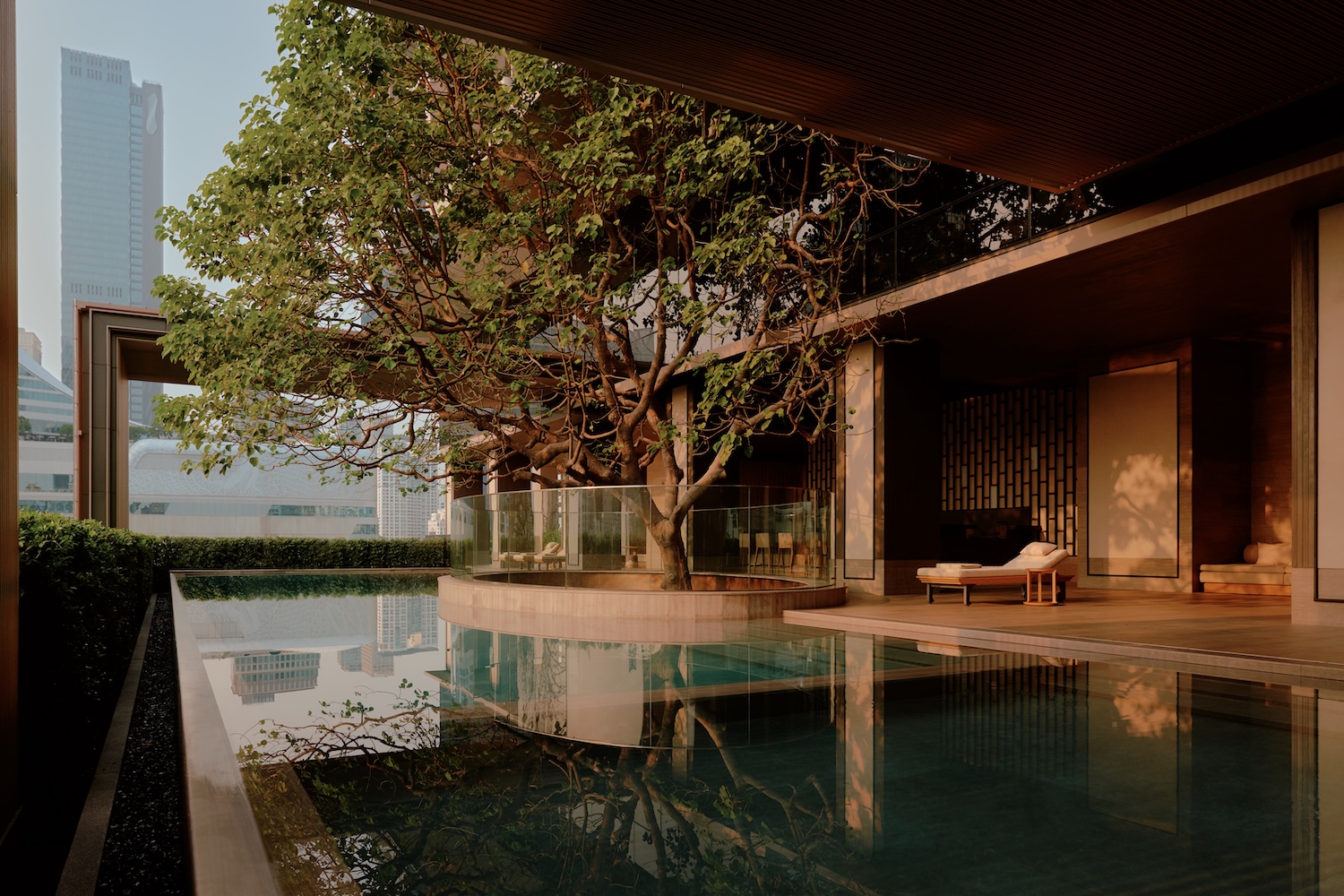
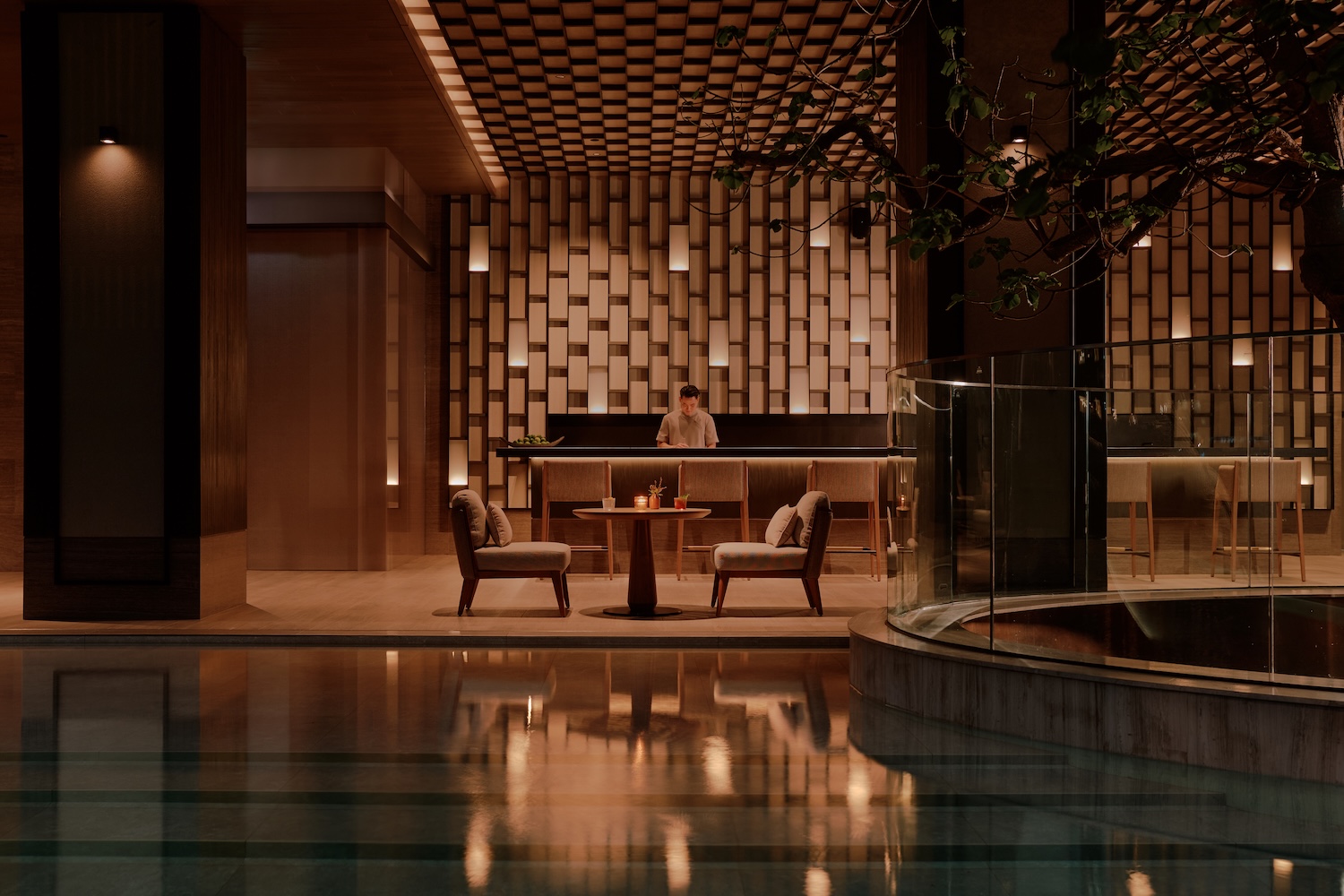
Aman Nai Lert Bangkok is a minimalist urban sanctuary located in Bangkok, Thailand, designed by Jean-Michel Gathy of Denniston. Rising within the seven-acre expanse of Nai Lert Park, the hotel occupies rare ground in a city defined by density, and its design responds to that scarcity not by competing with the skyline but by receding into green seclusion. At the heart of the property stands a century-old Sompong tree, a living anchor around which the building’s circulation and massing were conceived, a decision that inverts the usual hierarchy of architecture dictating landscape and instead lets the landscape dictate architecture.
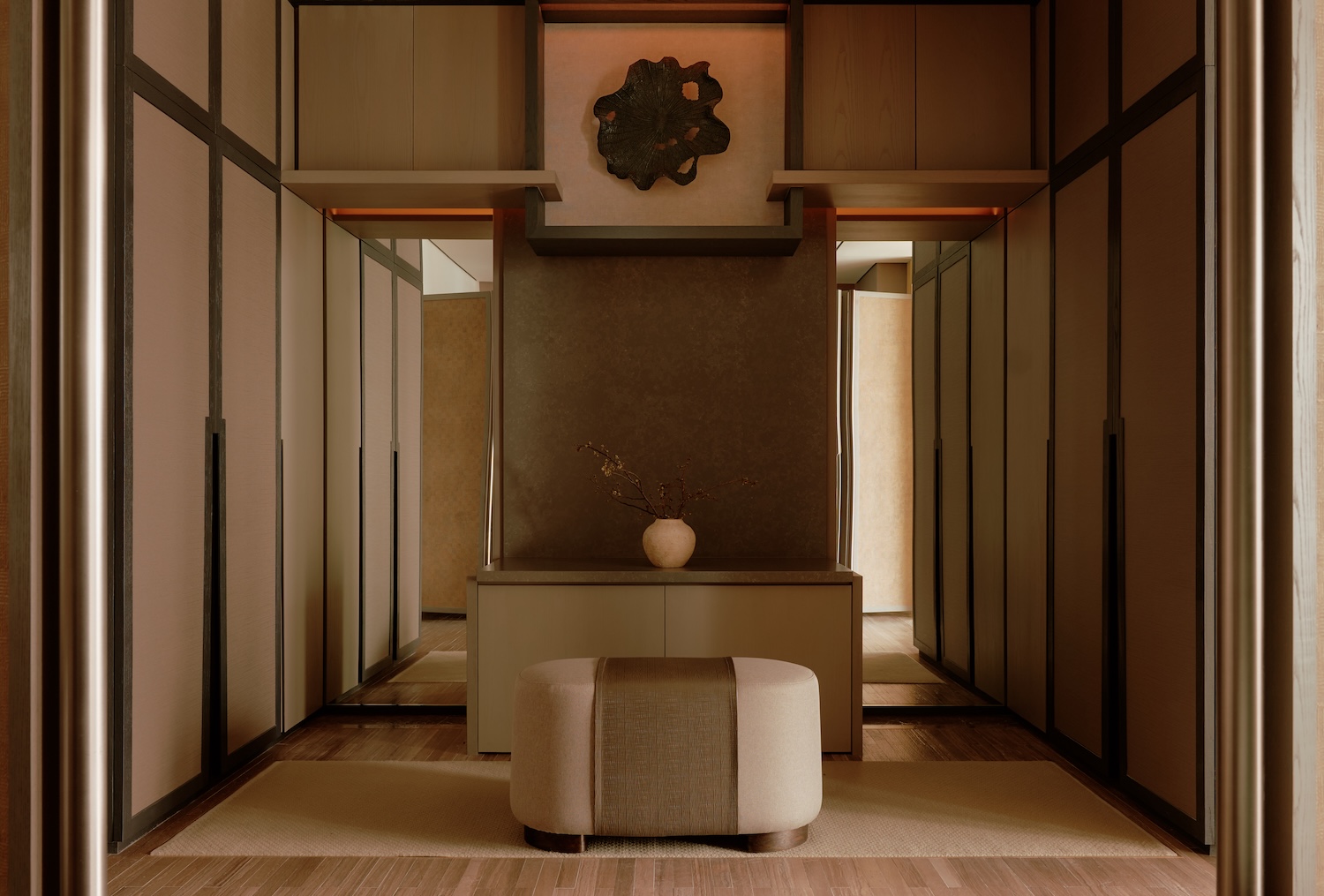
Gathy’s long association with Aman is evident in the restraint applied throughout, but the project distinguishes itself through its dialogue with the adjacent Nai Lert Park Heritage Home, the century-old residence of the Bulsuk family whose legacy shaped the surrounding park. Rather than quoting Thai vernacular forms directly, the hotel translates that heritage into contemporary material language: handcrafted detailing, locally sourced textures, and a palette of warm timber and stone that reads as an abstraction of the heritage home’s domestic intimacy rather than a pastiche of it. This is a common tension in hospitality design working adjacent to protected historical structures, and Aman Nai Lert Bangkok resolves it by treating memory as material inspiration rather than formal template.
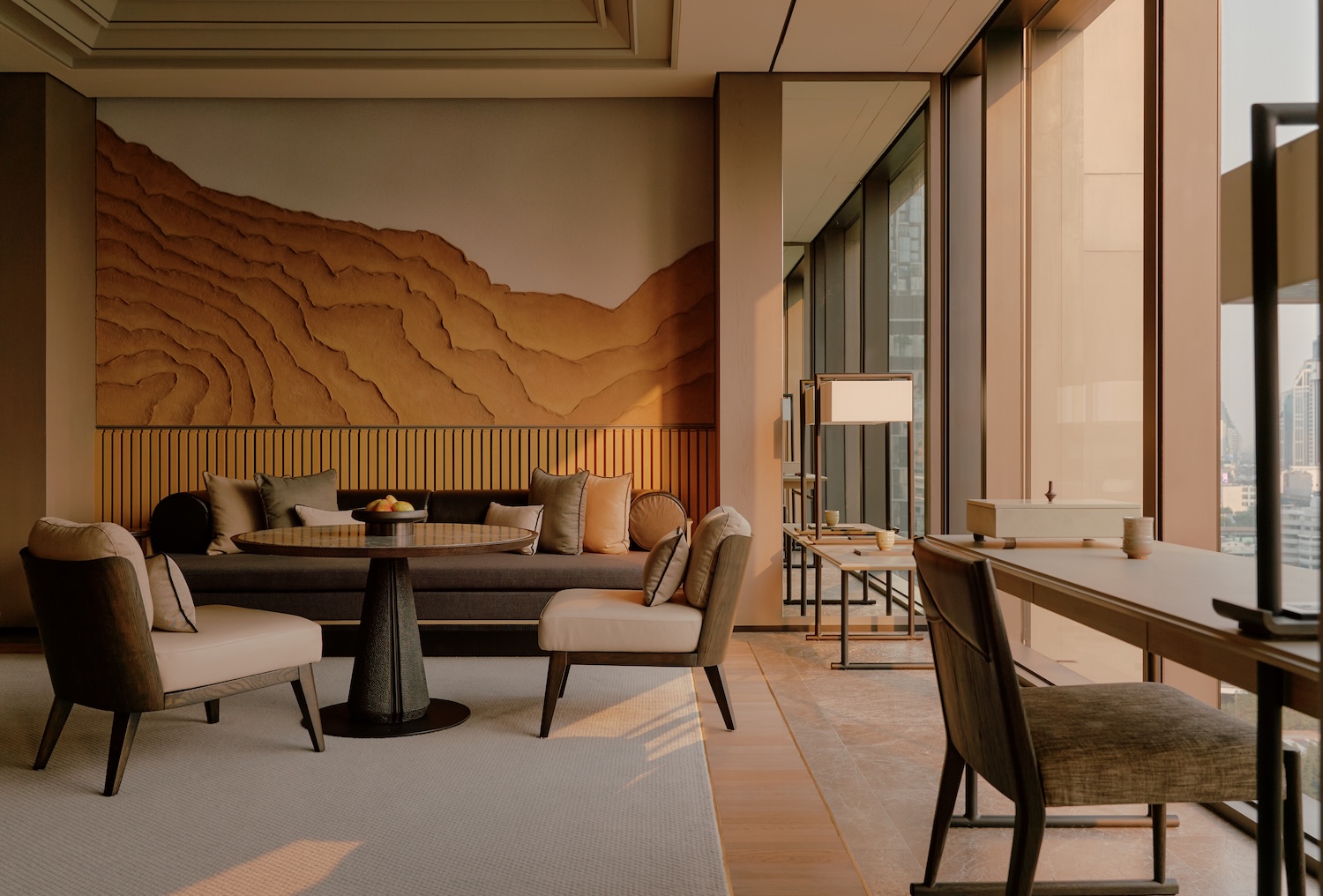
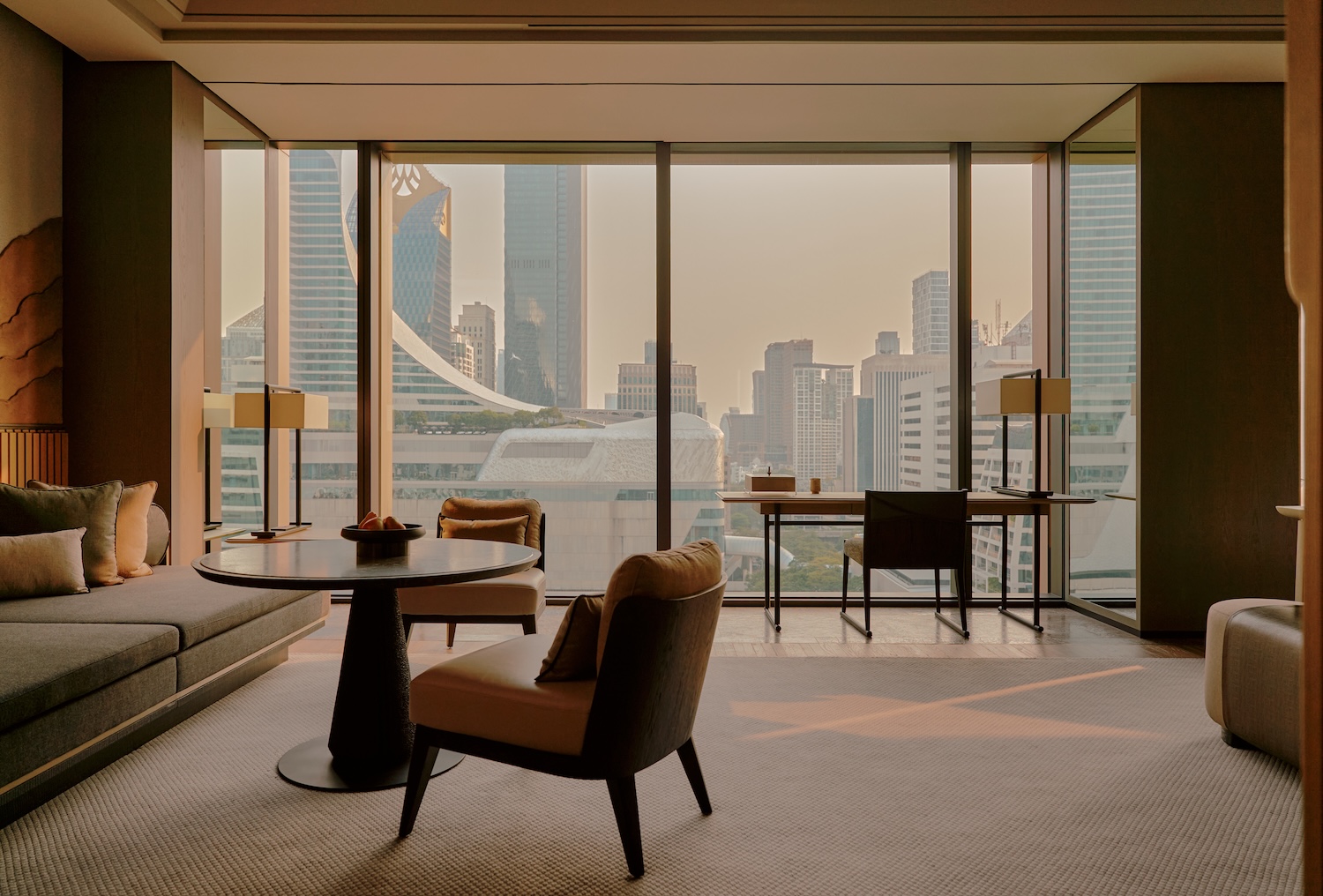
The 52 suites, among the largest in the city at 94 square metres and up, are organized across floors 11 through 18, with floor-to-ceiling glazing that frames the park canopy below and the cityscape beyond, a section that essentially stacks two distinct visual registers, nature and metropolis, within a single sightline. The Aman Suite, occupying the entire eighteenth floor at up to 713 square metres, extends this logic to its furthest point, incorporating a private spa, entertainment room, and dedicated study that function less like hotel amenities and more like the infrastructure of a private residence, blurring the line between guest suite and branded home that runs throughout the property’s dual hotel-residence program.
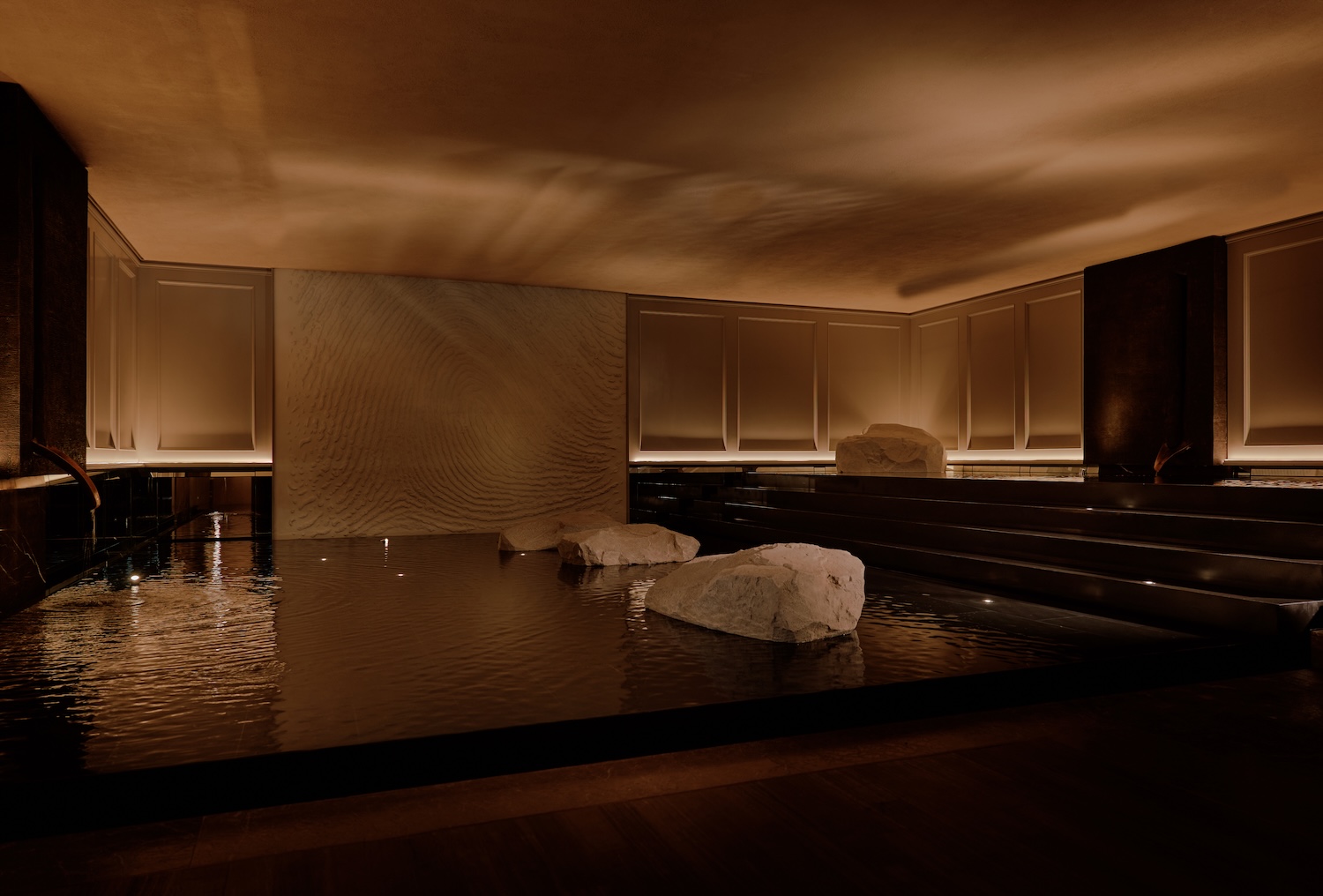
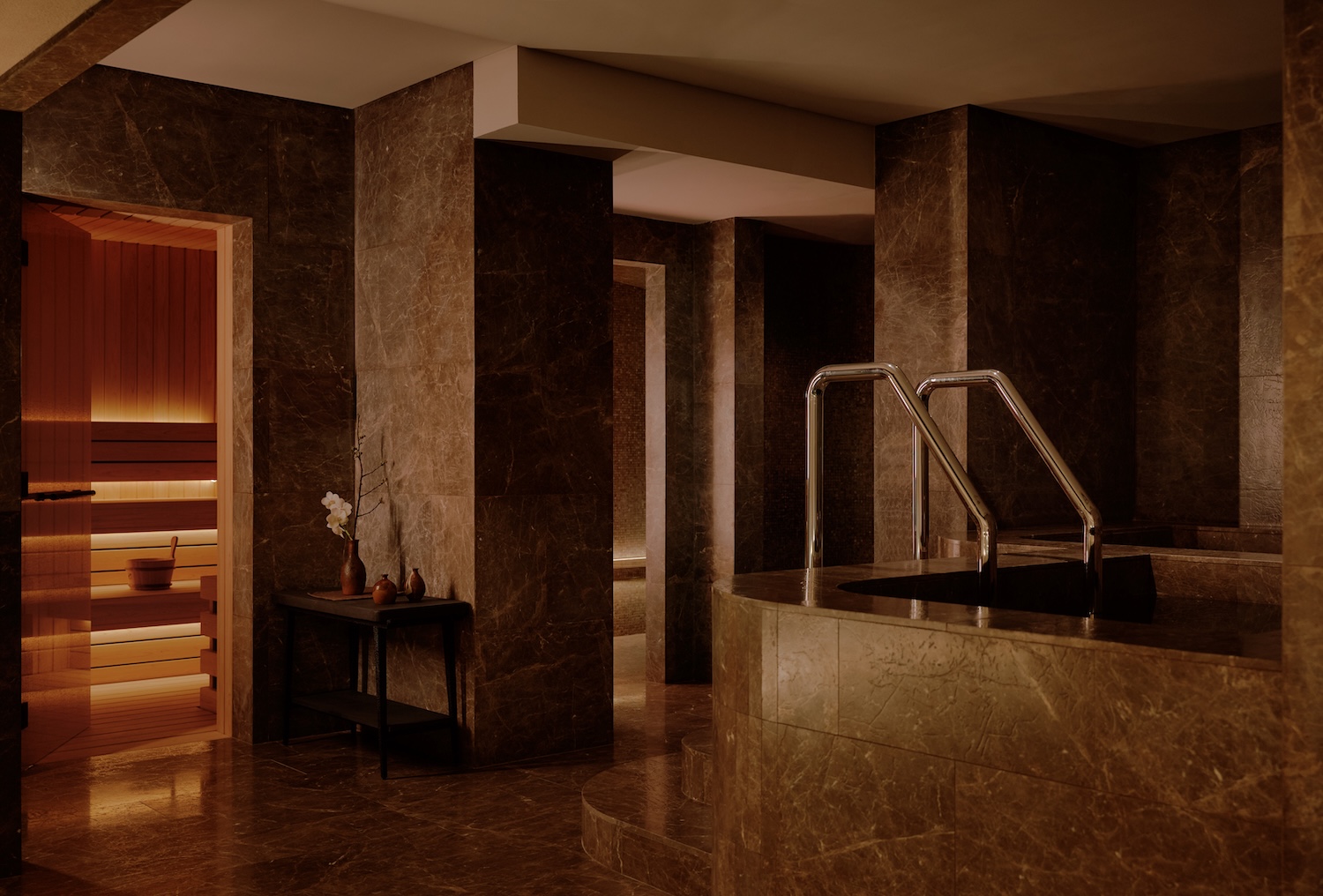
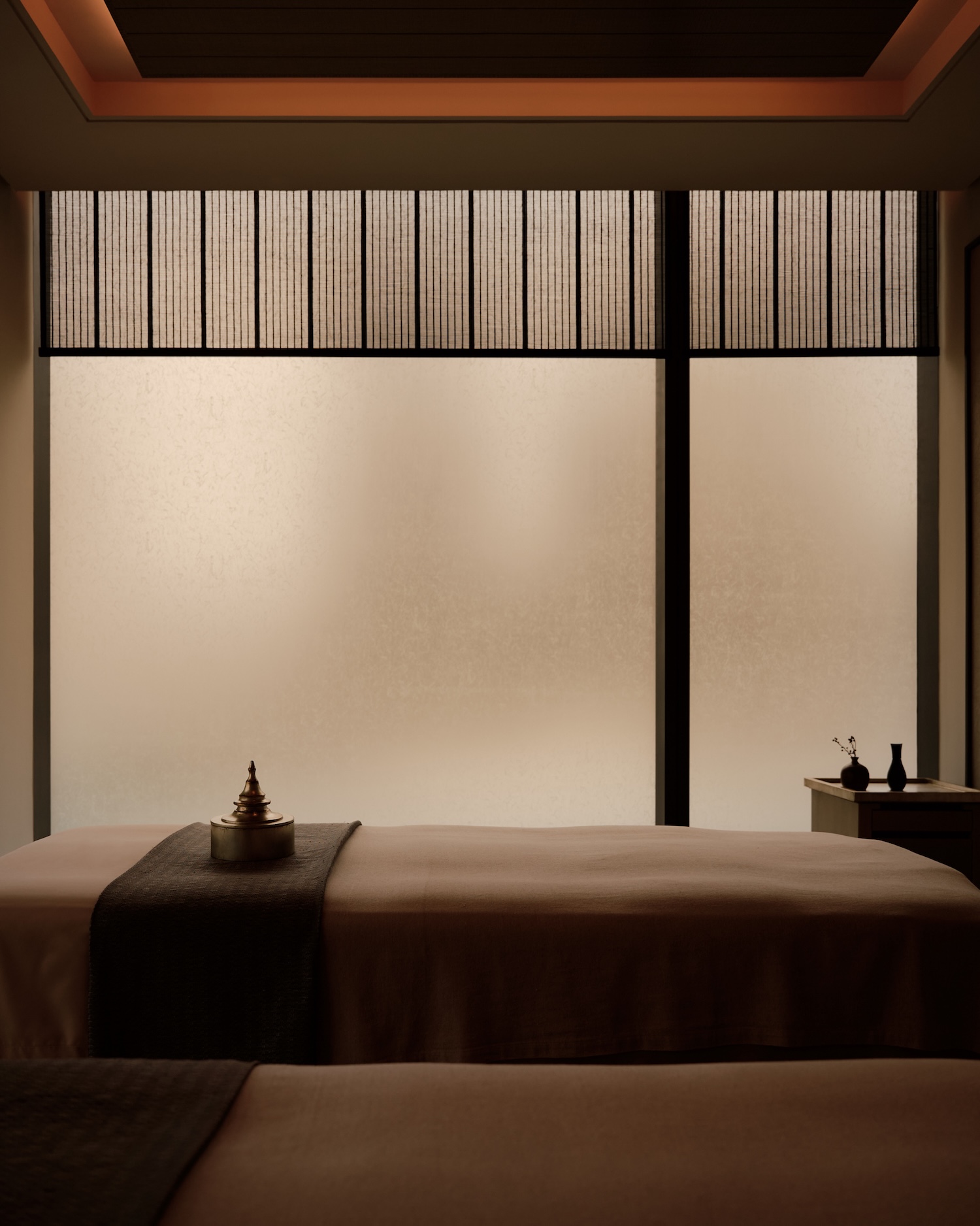
Wellness receives comparable architectural weight. The 1,500-square-metre Aman Spa and Wellness centre spans two full floors, pairing the brand’s signature spa language of steam, hydrotherapy, and movement studios with Medical Wellness by Hertitude Clinic, a clinical program built around blood panel analysis and IV therapy. The inclusion of a full medical wellness floor alongside a traditional spa signals a broader shift happening across luxury hospitality, where wellness is increasingly treated as a measurable, physician-guided practice rather than a purely sensory indulgence, and Bangkok’s emergence as a regional hub for that kind of optimization gives the program particular relevance here.
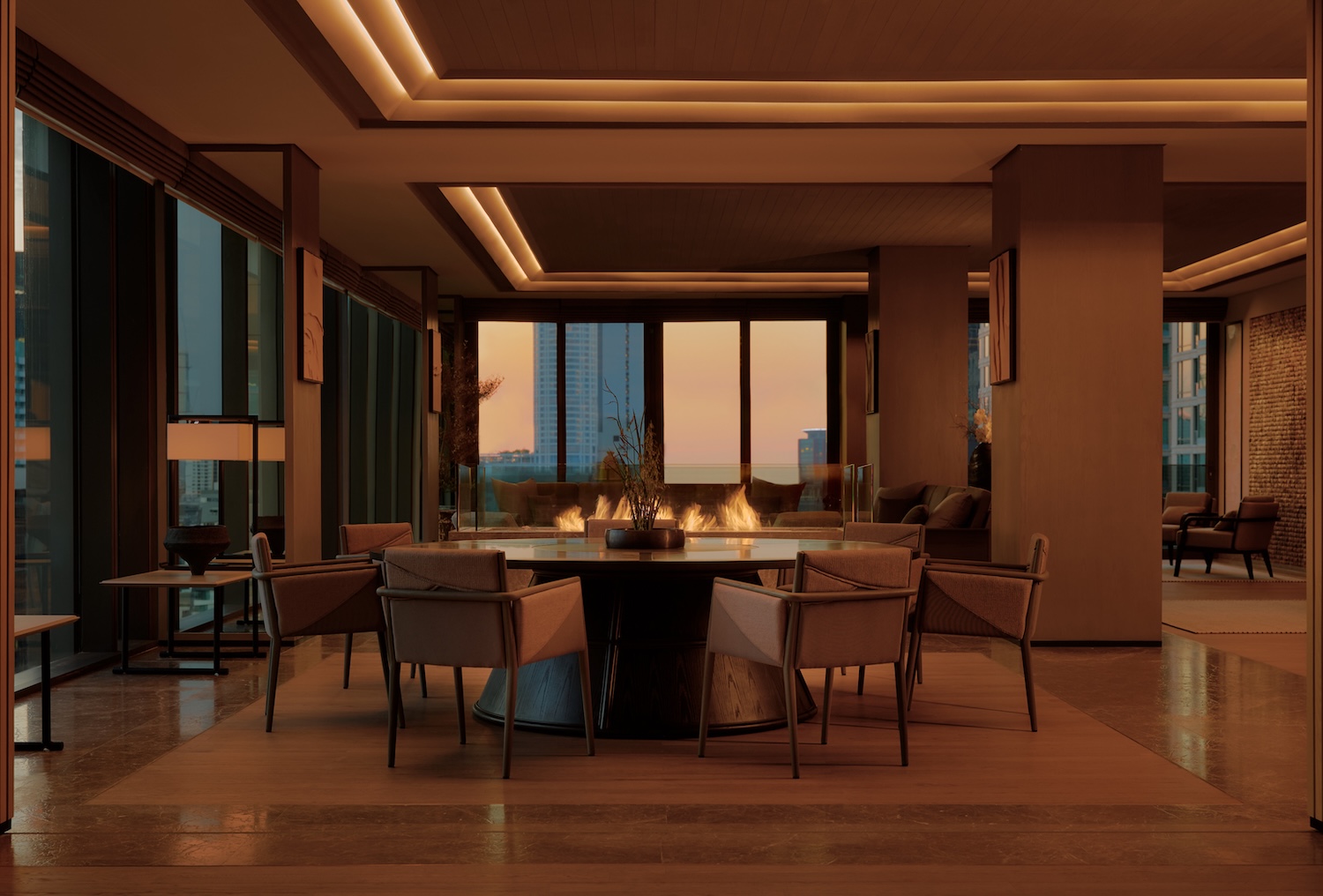
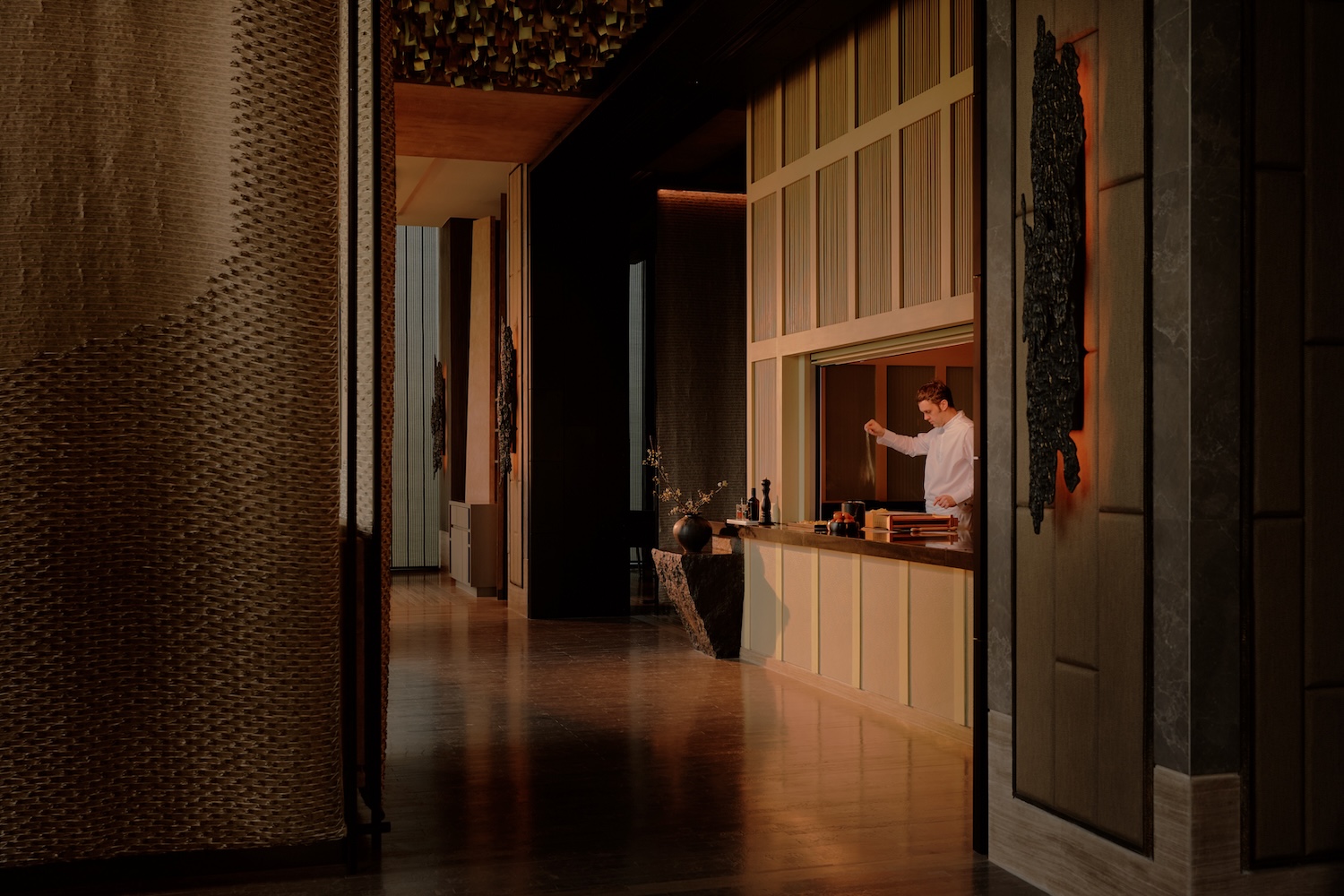
Dining across the ninth and nineteenth floors extends the project’s material sensibility into a different register, from Arva’s Italian menu to the omakase counter at Sesui, each space treated as its own architectural moment rather than a generic food and beverage afterthought. Taken together, Aman Nai Lert Bangkok reads less as a hotel inserted into a park and more as a continuation of the park’s own logic, a building that absorbs Bangkok’s density on one side while offering total seclusion on the other.