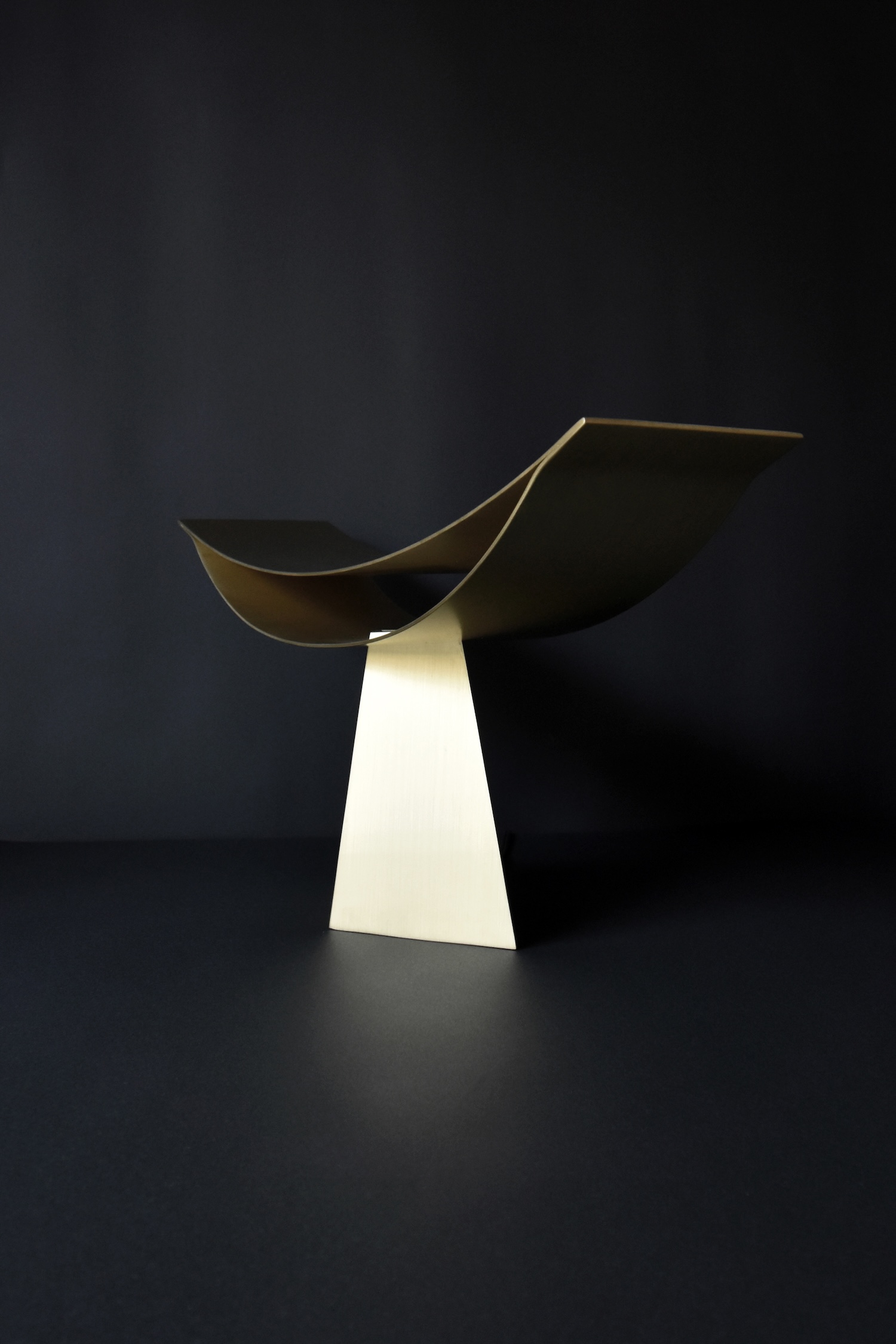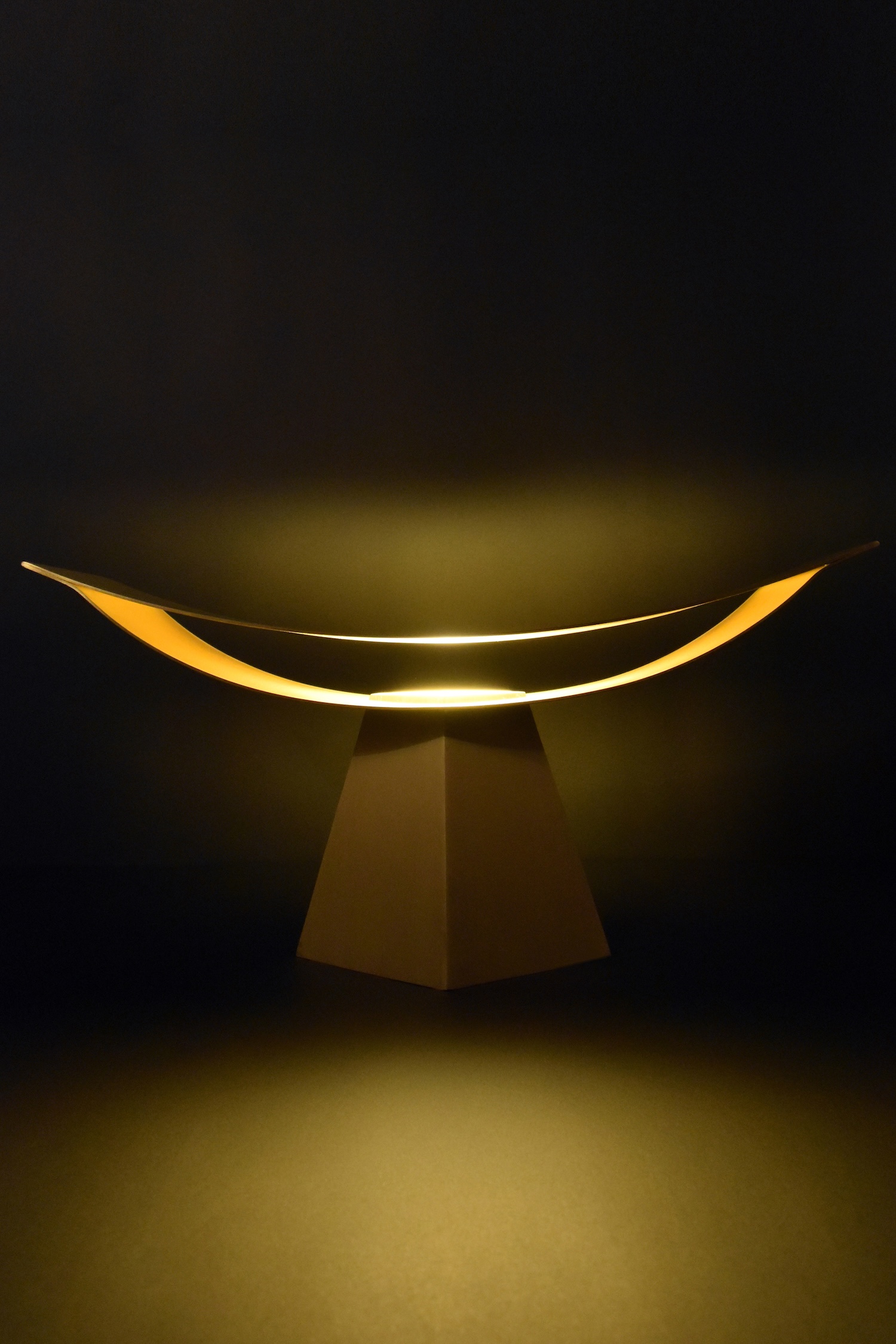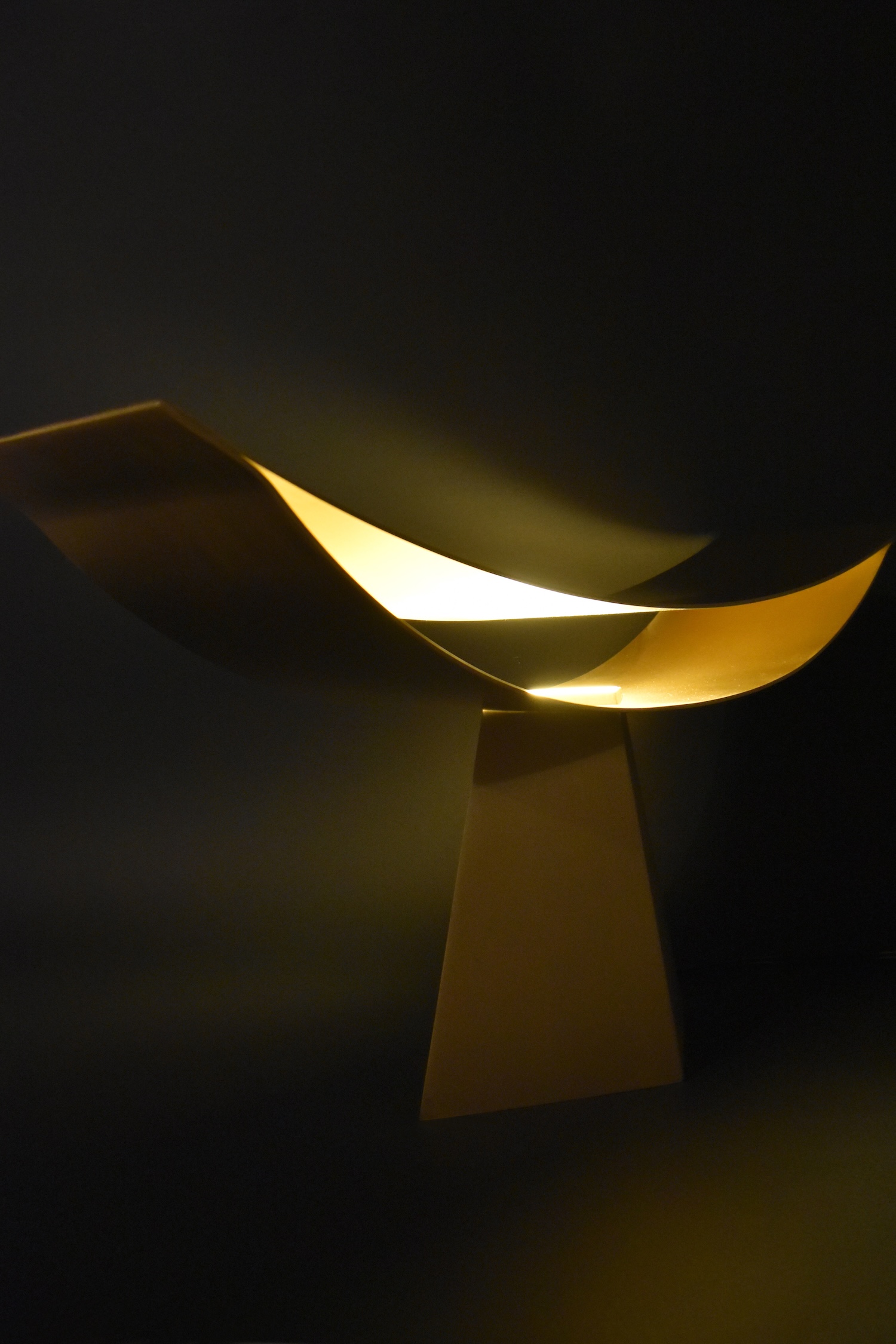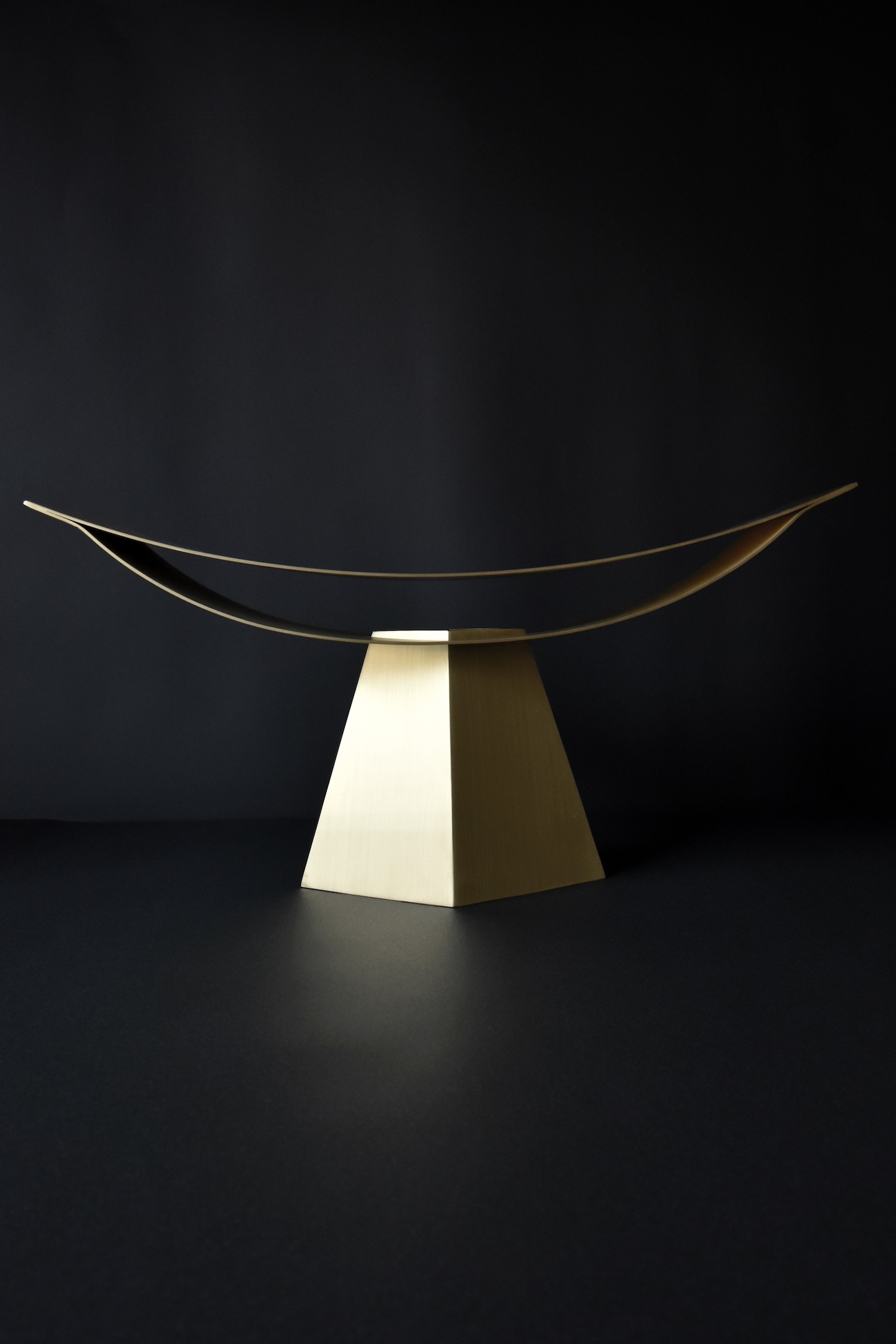
Leven is a minimalist lighting fixture created by Tokyo-based designer Toshiki Omatsu. The name carries a quiet clue. Leven is the Dutch word for life, a language Omatsu would have absorbed during his diploma years at the Berlage Institute in Amsterdam, and life is precisely the theme the fixture circles. Light here is treated as something living, capable of two distinct states of being, present and absent, with the whole design built around the threshold between them.
Omatsu has spent recent years pushing aluminum to its structural limits, building chairs whose arced seats hold a body on planes only a few millimeters thick. That work framed thinness as a load-bearing problem: how little material can carry weight without buckling. Leven inverts the question. Thinness is no longer asked to support anything but to vanish, and the fixture’s near-absence becomes the condition for its presence.
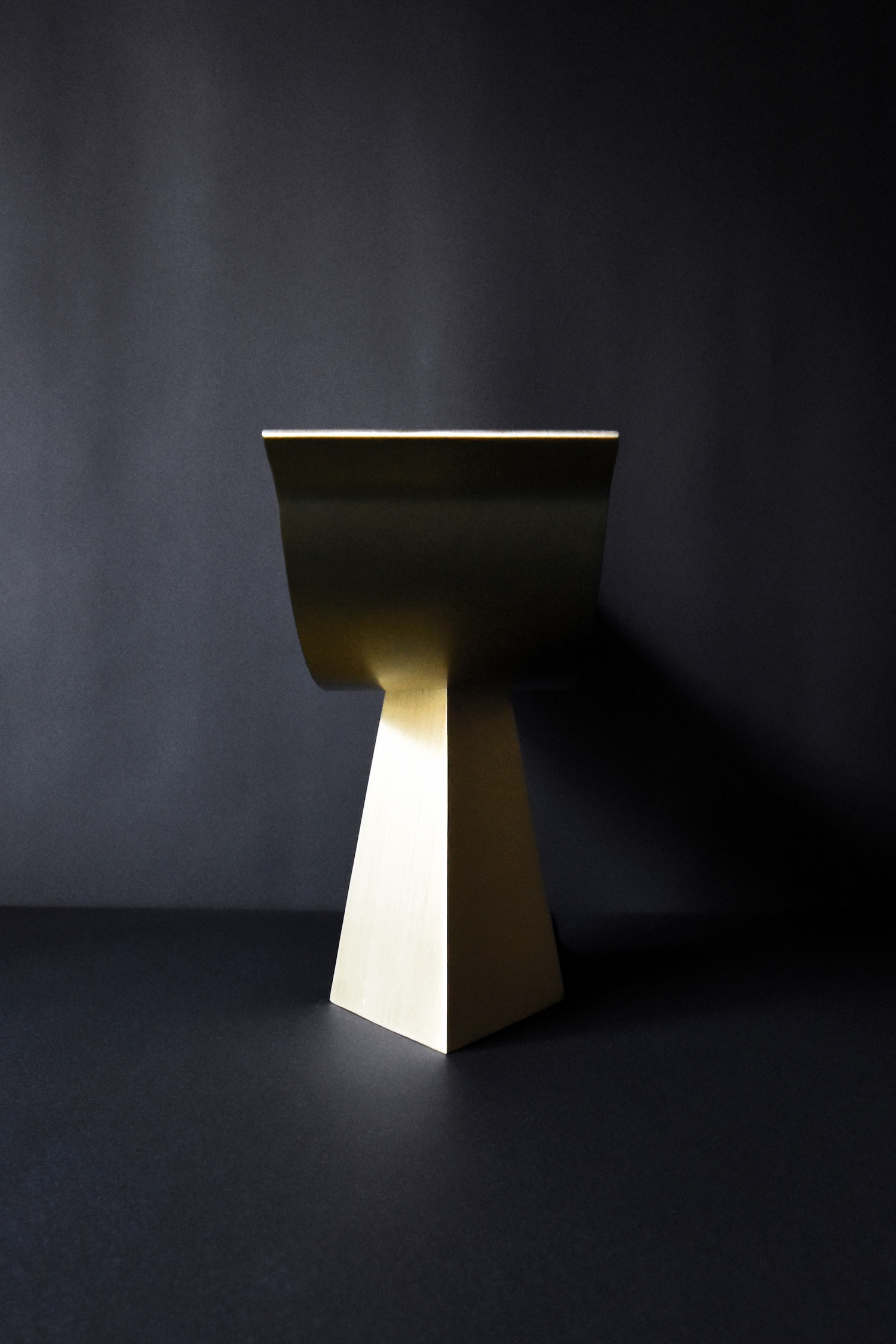
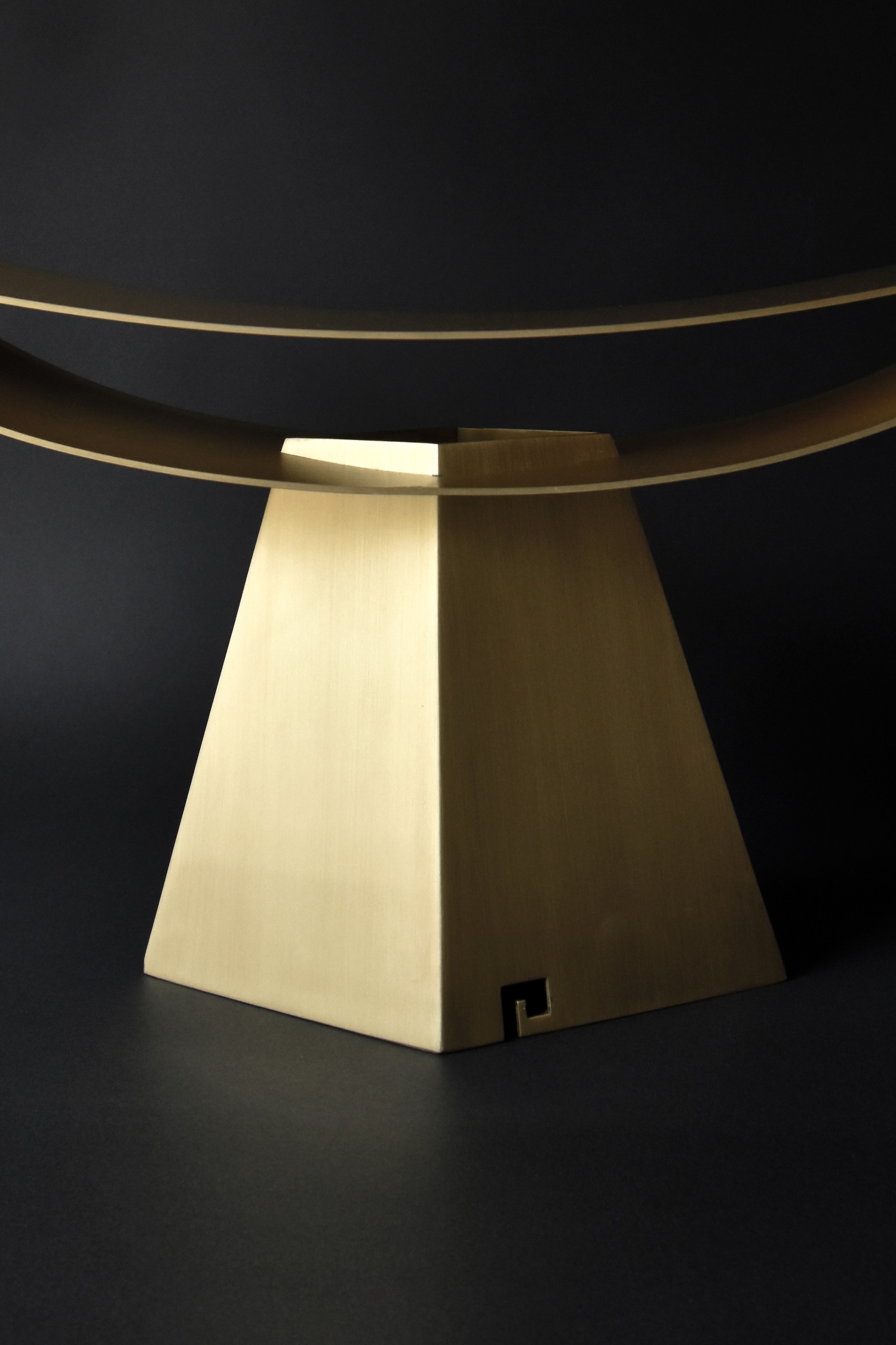
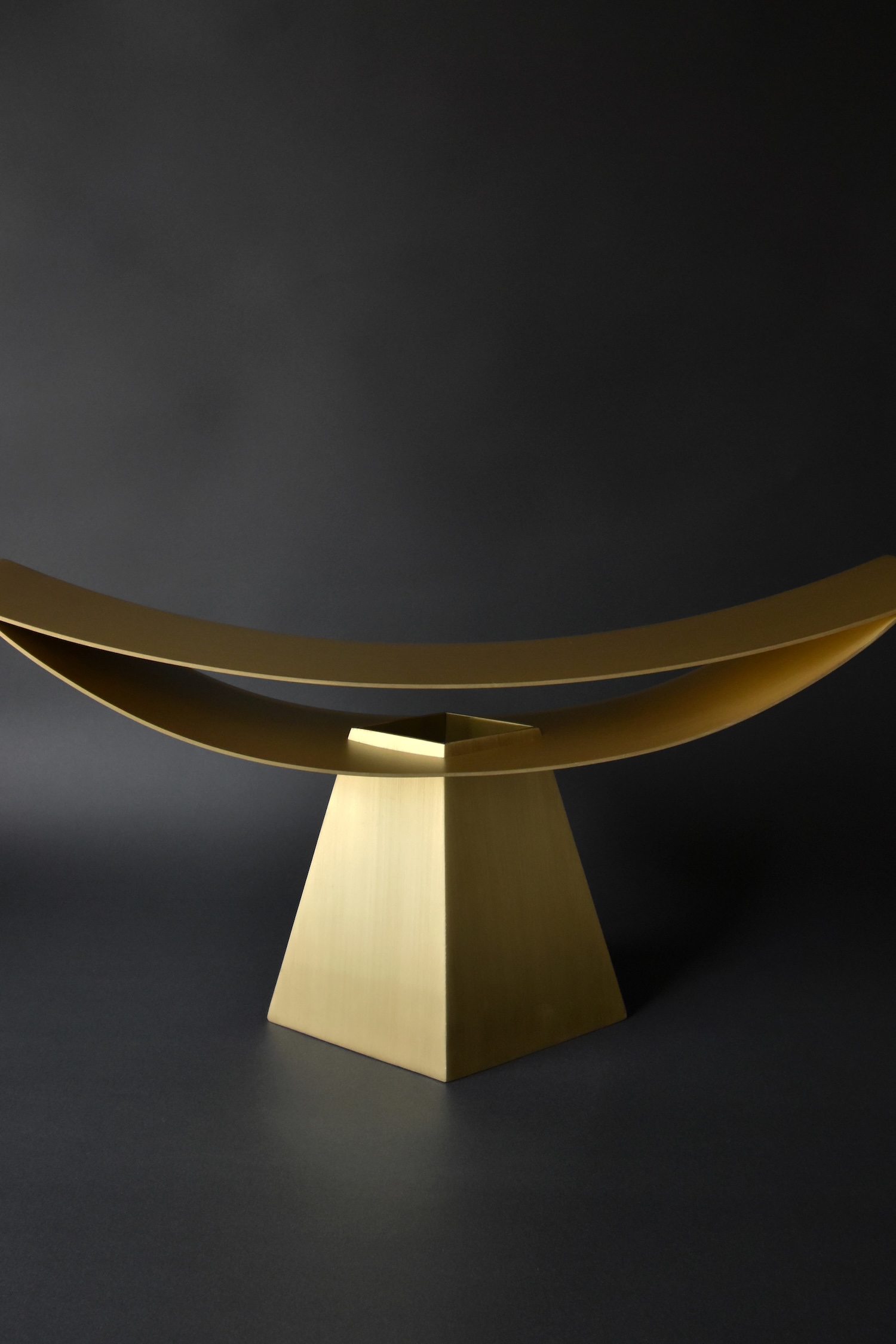
The reflector consists of two slender curved surfaces of differing curvature, their geometry held by welding at the ends rather than any visible frame. Viewed straight on, the assembly narrows almost to nothing, reading as an edge rather than an object. This is the off state, and it is deliberately self-effacing, a fixture that withdraws from the room when it is not working.
Switched on, the relationship reverses. Rather than casting light against a single reflector, Omatsu directs it into the cavity between the two surfaces, so illumination bounces back and forth across the gap. The empty space that registered as nothing becomes the most charged part of the piece, glowing with a doubled intensity that a single reflector could not achieve. The object that disappeared now asserts itself, and the effect is of light suspended in air, lifting from the structure like wings.